

How to Bleach Knots on a Lace Wig With Care
Dark dots along your wig's part can stand out even when the lace matches your skin. Bleaching knots can soften their appearance, but it also exposes the tied hair and delicate lace to chemicals.
The safest approach starts with testing first, following product directions, and accepting that some knots won't lighten evenly. Before you mix anything, check whether your wig can tolerate the treatment and whether bleaching is needed at all.
Understand What Knot Bleaching Can Change
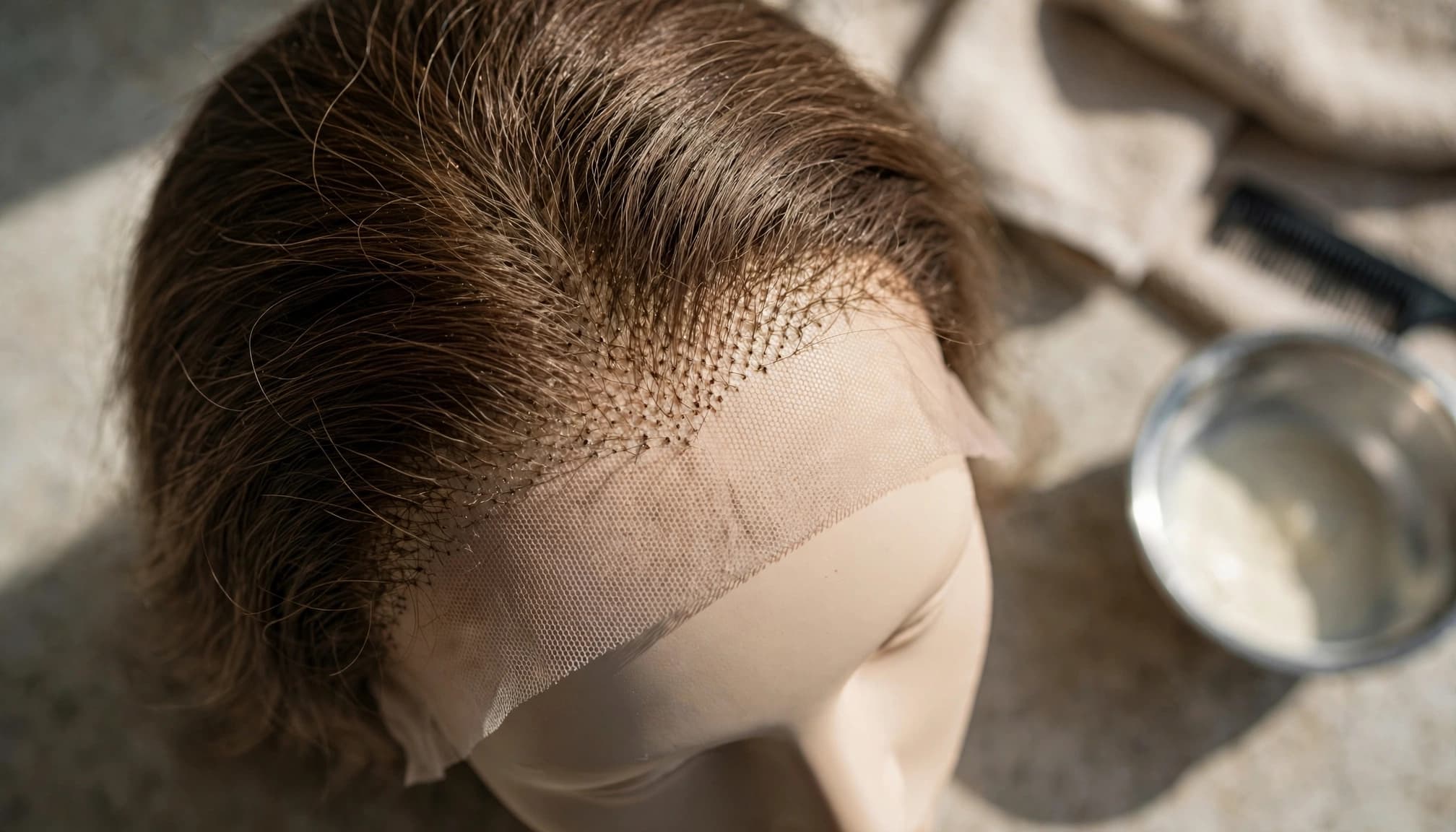
Why the knots look dark
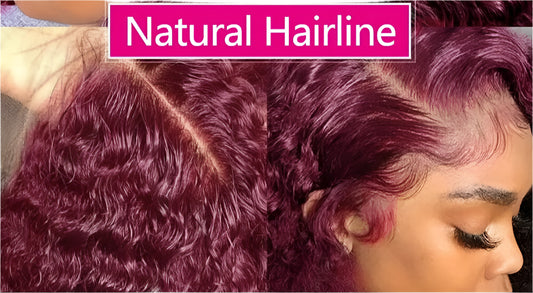
On a hand-tied lace section, knots secure individual hairs or small groups of hairs to the base. Dark hair creates visible dots where those hairs gather.
Lightener reduces pigment in the hair at those attachment points. However, it doesn't remove the knots or change how the wig is tied. Larger knots may remain noticeable afterward. The outcome also depends on the hair's condition, previous coloring, and construction, so bleaching can't guarantee an invisible hairline.
Why bleaching needs restraint
Chemical lightening can weaken hair, including the small sections holding it to the lace. Delicate lace can also suffer damage.
Before proceeding, inspect the hairline and part in bright light. If the knots are already lightened, another application may add risk without improving their appearance. Lace tint, a suitable wig cap, or carefully applied complexion makeup may offer a non-bleaching option. These approaches camouflage the base rather than chemically altering the hair.
Check the Wig and Lightener Before You Start
Confirm the hair and lace are suitable
Ask the seller whether your exact wig supports knot bleaching. A "human hair" description alone doesn't establish how much chemical processing it has already received.
Don't assume synthetic or mixed-fiber wigs respond like human hair. Colored, highlighted, previously bleached, or heavily shedding wigs need extra caution. Also check the lace for tears, stretched areas, and weakened edges. If you don't know the wig's processing history, get an experienced lace-wig professional's assessment before treating it.
Follow the complete product directions
Use compatible lightener and developer products according to their instructions. Don't combine unrelated products because a tutorial recommends them.
For example, Wella Professionals' Blondor Multi Blonde Powder has product-specific directions for use with Welloxon Perfect. Consult Wella's product-specific instructions, rather than treating a social-media recipe as interchangeable.
Those instructions concern the lightening system; they don't establish a universal wig-knot procedure. If either manufacturer can't confirm suitability for your intended use, pause. Professional-use products also require the expertise their labels specify.
Gather Supplies and Set Up a Safe Work Area
Prepare everything before mixing, because you need to monitor the treatment without searching for missing supplies.
You'll need:
- A compatible lightener and developer, with both sets of directions available.
- Protective gloves and any additional protection required by the labels.
- The recommended mixing container, measuring equipment, and applicator.
- A stable wig support, clips, towels, and a timer.
- Access to running water and the instructed cleansing and aftercare products.
Work in a well-ventilated space away from children and pets. Protect the surface, and keep food and drinks elsewhere. Handle powder gently to avoid raising dust.
Never bleach knots while wearing the wig. Keep chemicals away from your skin and eyes, and don't use kitchen utensils for mixing.
If exposure occurs, stop immediately. Rinse affected skin promptly. For eye exposure, rinse immediately with running water and seek urgent medical advice. Breathing difficulty or a serious reaction requires urgent medical help.
Step 1: Prepare the Wig and Test First
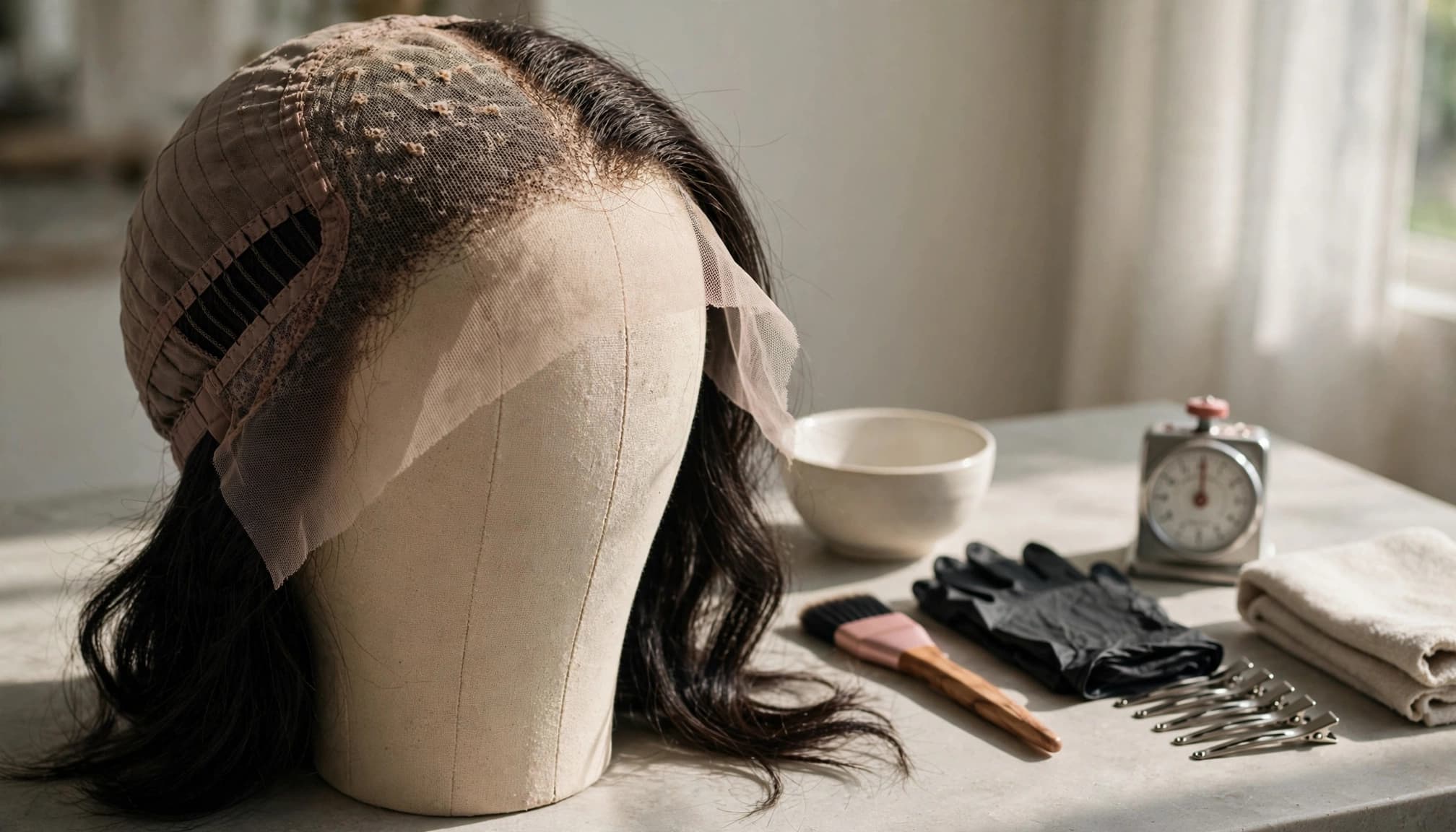
Remove obstacles and inspect the base
Gently detangle the wig, working upward from the ends. Move loose hair away from the lace area without pulling tightly on the hairline.
Check for adhesive, makeup, oils, and other buildup. Remove residues using the wig manufacturer's cleaning instructions, then prepare the hair in the condition the lightener directions require. Don't add conditioner or styling products as a homemade protective barrier.
Position the wig securely so you can see the treatment area and reach it for rinsing. Turning the cap inside out can help you inspect the knots, but support the lace without stretching it.
Test the actual wig
Where the wig supplier permits testing, choose a small, inconspicuous section of the intended treatment area. Follow the approved product directions throughout mixing, treatment, rinsing, and aftercare.
Let that section dry before assessing the knot color, hair condition, and lace. Stop if you notice breakage, increased shedding, or damage.
A wig test doesn't assess allergy risk. Wella's allergy-test guidance advises testing 48 hours before using its hair-color products. That isn't permission to improvise a bleach skin test. Follow the exact lightener's safety instructions, and never assume a successful wig test makes skin contact safe.
Step 2: Apply Carefully and Monitor Closely
Mix and apply only as directed
Measure the components using the specified ratio and equipment. Don't change that ratio to imitate a consistency described online. If the approved mixture is unsuitable for controlled knot treatment, stop and consult a professional.
Make a fresh batch when you're ready to work, and never save mixed lightener for later.
Use the application method confirmed for your wig and product. Keep treatment limited to the intended knot area, avoiding the surrounding lengths. Don't force mixture through the lace or spread it across areas that don't need treatment. Application methods differ, so one brush angle or wig position isn't right for every unit.
Use the timer as a limit, not a target
There isn't a safe universal processing time for bleaching lace-wig knots. Your product's maximum time is a ceiling, not a goal, and it doesn't prove the lace can tolerate that exposure.
Track the treatment as the directions specify and stay with the wig. Monitor closely using the approved checking method. Don't add heat or cover the area unless the instructions expressly permit it.
Stop if unexpected changes appear. Never extend processing beyond the label to chase lighter dots, and don't assume larger knots need more time.
If the knots remain dark at the permitted stopping point, rinse anyway. Extending the treatment can weaken the attachment points without producing an even result.
Shop Best Sellers
-
Short Goddess Faux Locs Wig | Brown Highlight Crochet Dreadlock Wig
Regular price From $158.00 USDRegular price$190.00 USDSale price From $158.00 USDSale -
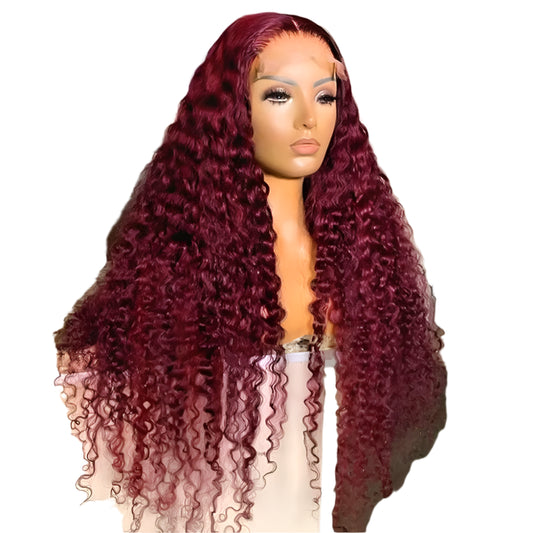
30 Inch Burgundy 99J Curly Human Hair Wig | 13x6 Lace Frontal | 200% Density
Regular price From $257.00 USDRegular price$0.00 USDSale price From $257.00 USD -
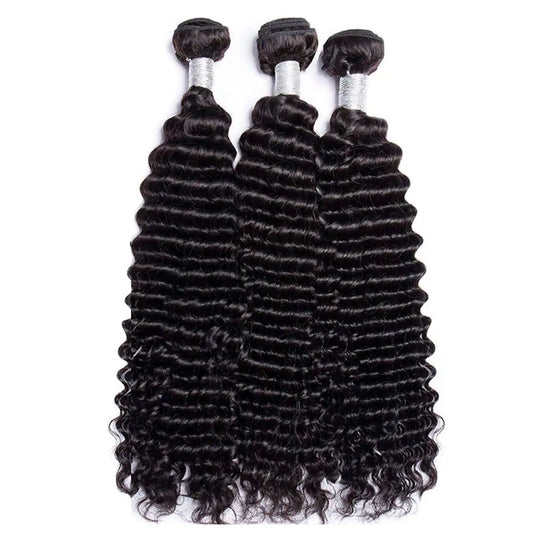
12A Deep Wave Remy Human Hair Bundles | 30 to 32 Inch Weft Extensions
Regular price $364.00 USDRegular price$0.00 USDSale price $364.00 USD -
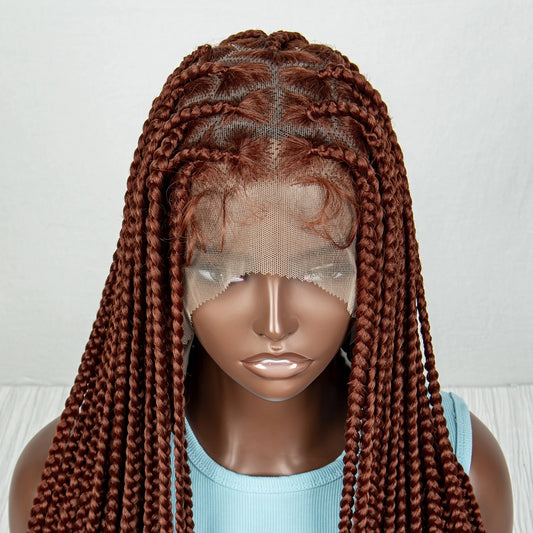
#350 Knotless Box Braids Wig | Short Lace Frontal Bob | Dark Ombre Ginger
Regular price $262.50 USDRegular price$0.00 USDSale price $262.50 USD -
Short Afro Faux Dreads Wig | Synthetic Braided Wig for Men and Women
Regular price $90.00 USDRegular price$120.00 USDSale price $90.00 USDSale -
12A Raw Vietnamese Bouncy Wave Wig | 13x4 Lace Frontal | 250% Density
Regular price From $242.00 USDRegular price$0.00 USDSale price From $242.00 USD -
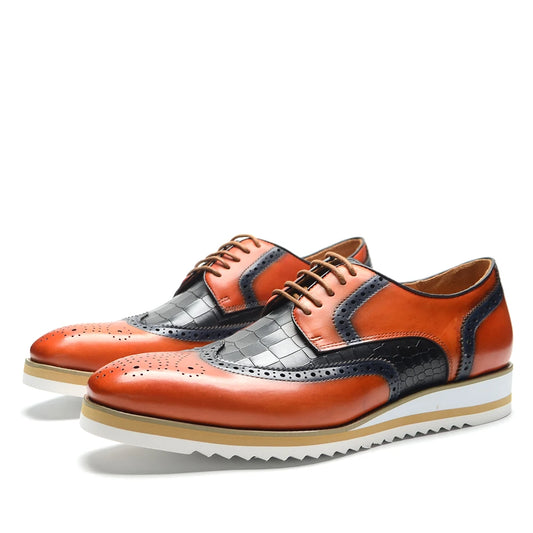
Men's Wingtip Derby Shoes | Genuine Leather Colour Block Lace-Ups
Regular price $263.00 USDRegular price$301.00 USDSale price $263.00 USDSale -
Brazilian Human Hair 13x4 Lace Front Wig | Glueless, Pre-Plucked with Baby Hair
Regular price From $99.00 USDRegular price$132.00 USDSale price From $99.00 USDSale





Step 3: Rinse Thoroughly and Handle Gently
Remove the lightener completely
Have your rinsing setup ready before application. When treatment ends, follow the product's removal instructions promptly, including its specified water temperature.
Support the wig throughout rinsing. Avoid scrubbing the lace or pulling on wet hairs, which may already be weakened. Remove mixture from the treated area and any nearby hair it has reached. Then use the cleansing steps required by the lightening system.
Purple shampoo can affect unwanted yellow tones, but it isn't a universal bleach neutralizer. Don't replace the instructed cleansing process with a purple-shampoo soak or another homemade rinse.
Condition, dry, and reassess
Use aftercare that suits both the product directions and the wig manufacturer's care guidance. Keep heavy products away from the lace attachment points where the wig's instructions advise it.
Conditioner can improve how hair feels, but it doesn't restore damaged lace or guarantee stronger knots. Likewise, a bond treatment isn't a universal repair for overprocessing.
Blot gently instead of rubbing, then dry the wig according to its care instructions. Avoid aggressive brushing, heat styling, and further chemical treatment while assessing its condition. Check the fully dried hairline for uneven lightening, shedding, or broken hairs before wearing it.
Common Mistakes and How to Respond
Dark or uneven knots after rinsing
Uneven results can reflect different knot sizes, previous processing, or uneven contact. Don't immediately apply a second batch.
First, inspect the dried wig and compare it with the test section. Persistent dark knots may be better camouflaged than treated again. A professional can assess whether further lightening is reasonable.
Also avoid deciding on another application based only on color. Hair can remain dark while losing strength. More exposure doesn't guarantee a better result, and repeated bleaching can compromise the hairs that secure the lace section.
Orange roots, shedding, or damaged lace
Lightened roots above the knots may mean the mixture reached hair you didn't intend to treat. Don't rush into a box-dye correction, because color can stain the lace and create another problem.
If the result looks yellow or orange, ask a lace-wig colorist whether targeted toning is appropriate. Avoid treating the whole wig to correct a small area.
For new breakage, loose hairs, or tearing, stop chemical work. Reduce handling and get the wig assessed. Conditioner, toner, and stronger developer can't repair torn lace. Further plucking can also leave sparse areas where bleaching has already weakened attachment points.
When a Professional or Pre-Bleached Wig Makes More Sense
Professional help is the safer choice when the wig is expensive, the lace is fragile, or its chemical history is unknown. It's also sensible if your first test produces uneven lift, shedding, or weak-feeling hair.
Look for someone experienced in lace-wig customization, not only general hair coloring. Ask how they'll assess the unit and what they'll do if the knots don't respond safely.
Buying a prepared unit can reduce the need for home bleaching. Luxegan's chocolate brown wet-and-wavy bob wig is listed with pre-bleached knots and a pre-plucked hairline.
Still, inspect any pre-bleached wig before making changes. Existing customization isn't a reason to bleach again, and the finished appearance will vary with lace color, fit, and your installation.
Keep the Lace Intact Before Chasing Lighter Knots
Careful knot bleaching begins with suitability checks and a small test. Product directions, close monitoring, and thorough rinsing matter more than copying someone else's developer strength or timing.
Aim for healthy attachment points and an intact lace base. If lighter knots require pushing past safe limits, leave them alone or ask a lace-wig professional for help. A wearable wig with a few visible dots is preferable to damaged lace.