

Human Hair Bundles vs Wigs for Everyday Styling
Your everyday hair choice should fit your morning routine, styling habits, and comfort level. In the bundles vs wigs decision, bundles offer a customized installed look, while wigs usually make changing your style simpler.
Both options can look polished and natural with good-quality human hair and thoughtful care. The better match depends on how often you want to install, remove, wash, and restyle your hair.
Bundles vs Wigs: What You Are Actually Buying
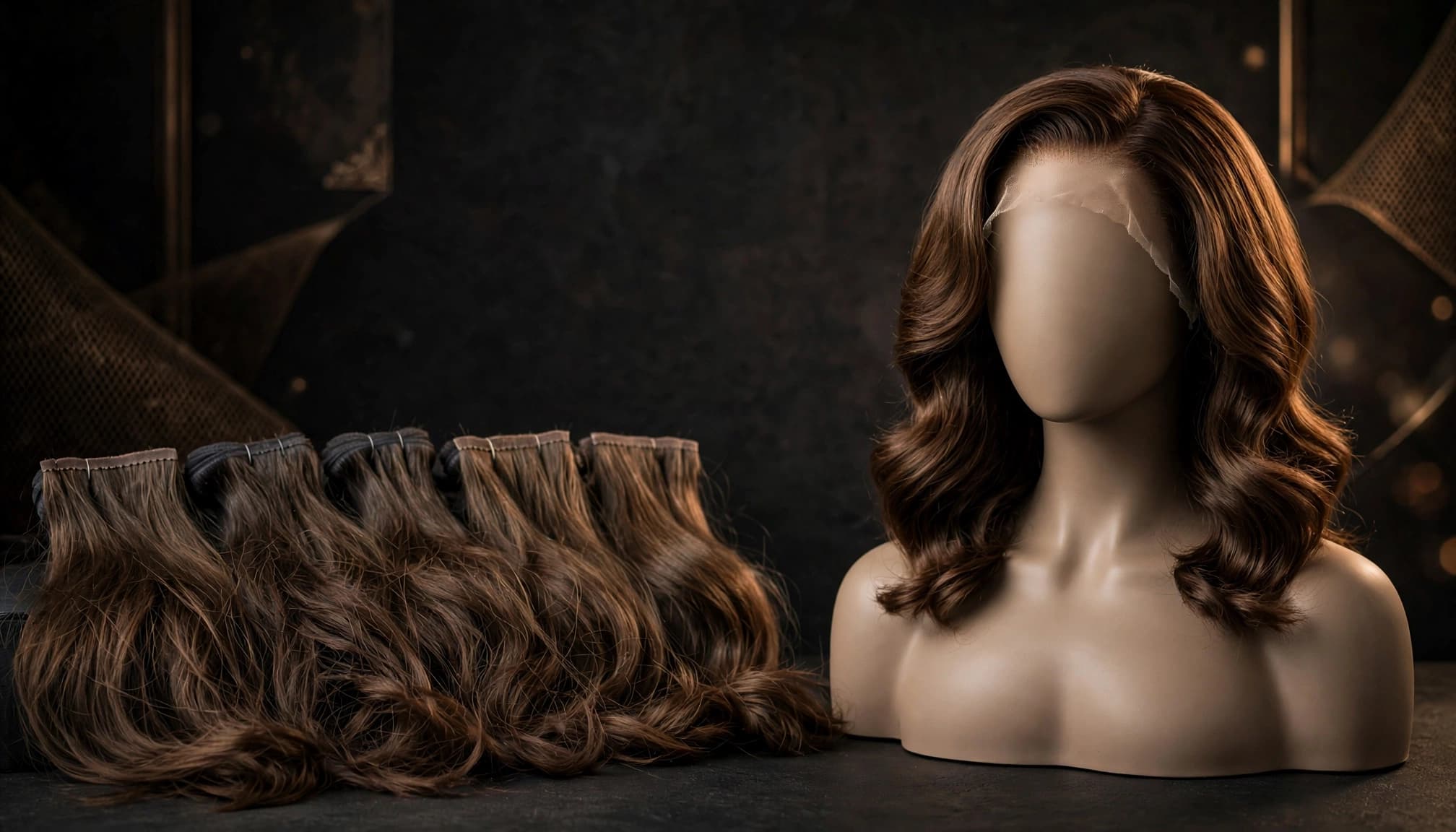
Human hair bundles are wefts of hair that become part of an installation. A wig is a finished hairpiece with hair already attached to a cap, often with lace at the front or closure area.
Bundles need an installation plan
Bundles alone do not create a complete style. You may need a closure for a natural-looking part, a frontal for a broader hairline and flexible parting, or leave-out that blends with the added hair.
Many people choose a professional sew-in for bundles. That appointment can create a secure, consistent style, but it also adds planning, installation cost, and upkeep. Your stylist may braid your natural hair underneath, sew the wefts onto the braid base, then blend or install the closure or frontal.
Because bundles are separate pieces, you can control the final fullness, length, and placement. However, achieving that flexibility takes more preparation than opening a wig box.
Wigs arrive as a finished unit
A wig includes the cap, attached hair, and usually a closure or lace-front area. Some require trimming lace, adjusting straps, or light customization. Others are designed for an easier glueless fit.
For example, a glueless body wave wear-and-go wig can offer 13x4, 13x6, or 360 lace options, depending on the style selected. Adjustable straps can help you fine-tune the fit without relying on adhesive.
Wigs are generally more convenient because you can remove them at the end of the day. Still, convenience does not replace proper fitting, careful lace handling, or regular washing.
Installation and Daily Routine Flexibility
The biggest practical difference between bundles and wigs is how the hair fits into your week. Consider your mornings, travel schedule, workout habits, and willingness to book salon appointments.
Wigs support frequent style changes
A removable wig makes it easier to switch from straight hair on Monday to curls for a weekend event. You can also access your scalp and natural hair more easily between wears.

A pre-plucked lace wig can reduce how much customization you need before wearing it. A 13x6 bone straight HD lace wig has an ear-to-ear lace area and adjustable straps, which can help create a secure fit and provide room for different parts.
That said, a wig still needs preparation. Secure the cap properly, check that the combs or straps do not pull, and keep the hairline comfortable. If you wear it often, give the wig time to dry fully after washing before putting it back on.
Bundles suit a set-it-and-maintain approach
A sew-in can make getting ready feel easier once the installation is complete. The hair is already in place, so you can refresh a part, smooth the top, or style the lengths without putting on a separate unit.
Bundles may fit you well if you enjoy wearing one texture for several weeks and prefer a style that stays in place through your normal day. They also work well when you want the installation shaped around your face, preferred leave-out, and desired volume.
However, you cannot remove a sewn installation on a whim. Washing, drying, and moisturizing your natural hair beneath it can take more patience, especially with a dense or long install.
The easier option is the one you can care for consistently. A beautiful installation becomes frustrating when it does not match your real schedule.
Styling Range, Lace, and Hair Density
Both human hair bundles and wigs can be curled, straightened, or shaped with the right heat protection. The construction affects how much freedom you have at the hairline and part.
Bundles give you control over fullness
With bundles, you choose how much hair to install. That can help you create a lighter everyday look or a fuller style, depending on your natural hair and desired finish.
A closure offers a defined area for parting, while a frontal covers more of the front hairline. Leave-out can make the style look blended, but it may require you to heat-style your own hair to match the extensions.
Texture matching matters. Straight bundles can look sleek, while body wave, loose wave, and curly bundles offer more movement. Choose a texture you are comfortable refreshing rather than one you only like on day one.
Wigs make parting choices more predictable
A lace wig comes with its parting area already built in. The amount of lace affects your options. A 13x6 frontal generally provides more room for part changes than a smaller closure construction.
Product details are useful, but they are not universal standards. For instance, the 28-inch body wave HD lace wig lists a 13x6x1 frontal and a 6-inch middle-parting space. Those specifications describe that particular unit, not every human hair wig.
Longer hair also changes your routine. It can look dramatic and versatile, yet it takes more time to detangle, wash, and dry. For everyday wear, a length that does not snag on jackets, bags, or desk chairs may feel more practical.
Protect Your Scalp and Natural Hair
A polished style should never come with ongoing soreness, bumps, or breakage. Both bundles and wigs can feel comfortable when installed and worn with care, but tension deserves serious attention.
Tight installations can cause real damage
The American Academy of Dermatology warns that hairstyles that pull can lead to hair loss. Tight braids, cornrows, extensions, and pulled-back styles can place repeated stress on the hairline and scalp.
With bundles, the braid base matters as much as the hair itself. Ask for braids that lie flat without feeling painfully tight. A sew-in should feel secure, not tender. If you use leave-out, avoid daily high-heat styling whenever possible.
Wig wearers should also avoid overtightening straps, clips, or elastic bands. A snug wig should not create headaches or leave deep pressure marks around your hairline.
Pay attention to early warning signs
Pain, stinging, scalp bumps, thinning edges, or persistent itching are reasons to reassess your routine. Do not wait for a style to "settle" if it hurts from the start.
The AAD explains that repeated pulling from weaves and extensions can cause traction alopecia, and traction-related hair damage can become permanent. Remove or loosen a painful style promptly.
Keep your scalp clean, and take breaks between high-tension installations. If you notice ongoing shedding or scalp changes, speak with a board-certified dermatologist.
Cost, Value, and What You Will Reuse
The purchase price is only one part of the bundles vs wigs comparison. Think about the full routine, including installation, supplies, maintenance products, and how often you change styles.
Bundles can involve more separate purchases
A bundle install may require several items: wefts, a closure or frontal, thread, a wig cap or net, and an appointment with a stylist. If you want color, a shaped cut, or a custom install, those services may add to the total.
The upside is customization. You can reuse well-maintained human hair bundles and create a different installation later. You may also replace one part of the look rather than buying a whole new unit.
Still, value depends on hair quality, installation care, and how gently you handle the wefts. Rough brushing, product buildup, and excessive heat shorten the useful life of any human hair.
Wigs package more of the setup together
A wig can cost more upfront because the hair, cap, and lace construction arrive as one finished piece. Yet it may reduce the need for a full salon installation each time you want a new look.
A glueless unit is especially useful when you value removal and rewearing. Keep in mind that wigs may need lace trim, tinting, customization, or professional help if you want a highly tailored hairline.
Choose based on your expected number of wears. A wig you reach for several times a week may offer better day-to-day value than an elaborate style that stays in a box.
Shop Hair Bundles
-
12A Deep Wave Remy Human Hair Bundles | 30 to 32 Inch Weft Extensions
Regular price $364.00 USDRegular price$0.00 USDSale price $364.00 USD -
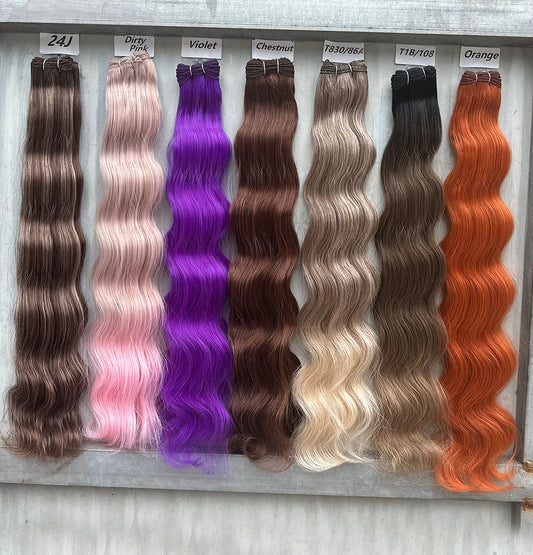
High-Temperature Synthetic Body Wave Hair Extensions – 26 & 30 Inch | Piano & Ombre Colors | 150g–200g Bundle
Regular price From $70.00 USDRegular price$93.00 USDSale price From $70.00 USDSale -

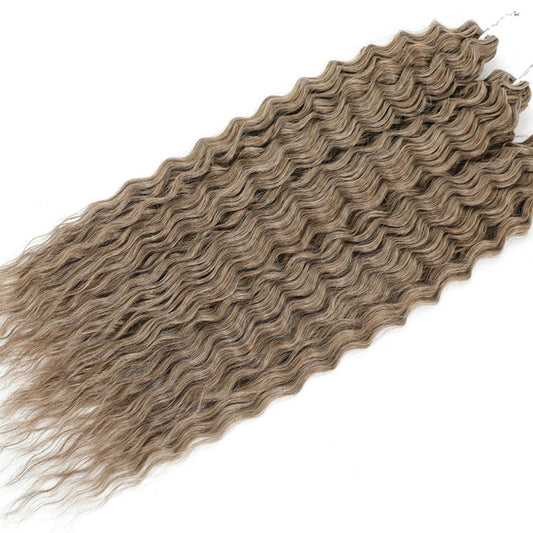
22 Inch Deep Water Wave Crochet Braids – 3 Pcs 300g Bio-Protein Synthetic Hair Bundles for Women
Regular price $119.00 USDRegular price$159.00 USDSale price $119.00 USDSale -
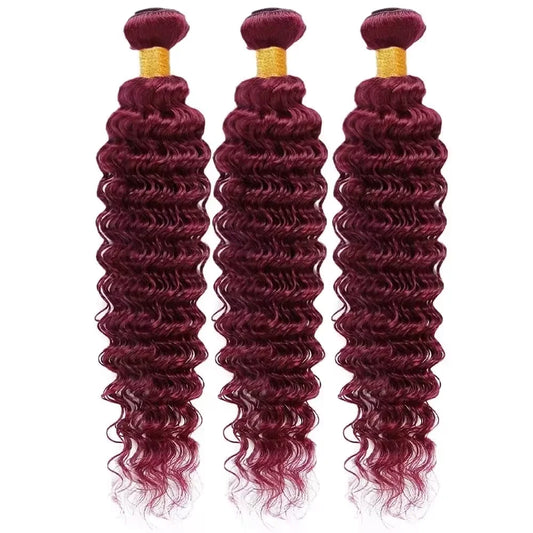
#99J Deep Wave Brazilian Virgin Human Hair Bundles | Burgundy Remy Hair Weave | 16–30 Inch
Regular price $244.00 USDRegular price$279.00 USDSale price $244.00 USDSale -

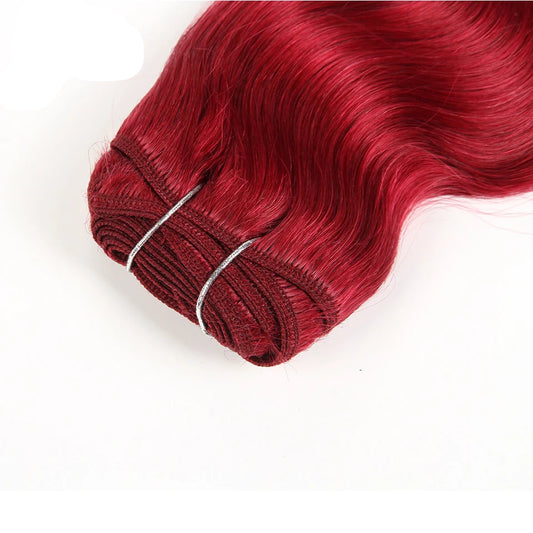
Brazilian Natural Body Wave Remy Human Hair Bundle | Colored #27 #30 #99J Burgundy | 10–22 Inch
Regular price From $80.00 USDRegular price$107.00 USDSale price From $80.00 USDSale -
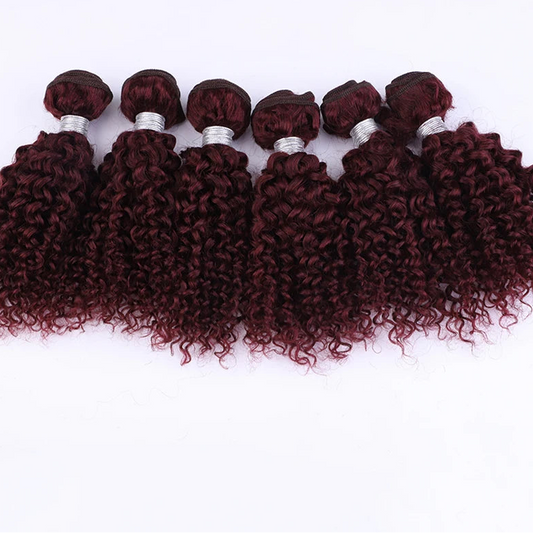
Brazilian Kinky Curly Human Hair Bundles | 100% Remy Jerry Curly Extensions 6Pcs 99J
Regular price $131.00 USDRegular price$158.00 USDSale price $131.00 USDSale -
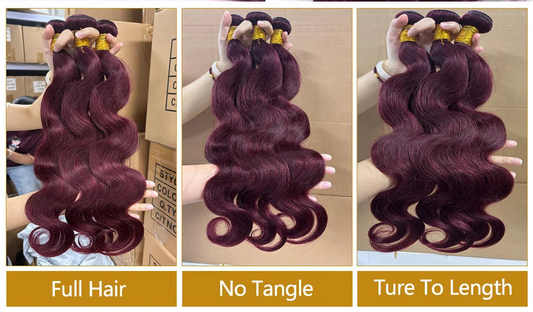
Burgundy Body Wave Human Hair Bundles – 99J Red Colored Brazilian Remy Hair
Regular price From $129.00 USDRegular price$0.00 USDSale price From $129.00 USD -
Brazilian Curly Hair 4 Bundles – Short Double Drawn Remy Human Hair Weave (5 5 6 7 Inch) for Black Women
Regular price From $131.00 USDRegular price$157.00 USDSale price From $131.00 USDSale








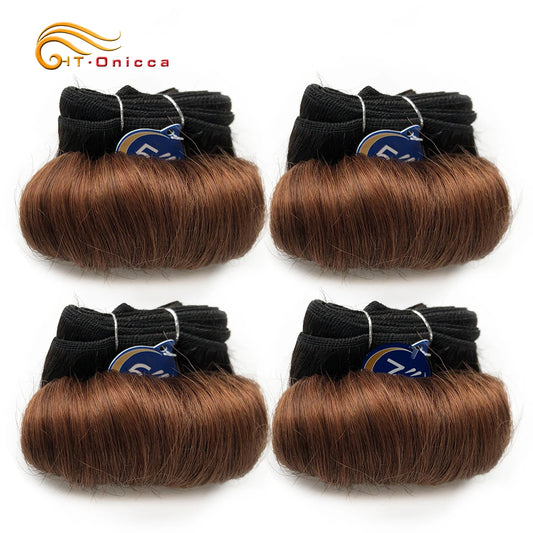
Everyday Styling Tips for Both Options
Human hair responds best to gentle handling. Whether you choose bundles or a wig, small habits keep the hair smoother and easier to style.
Keep heat and moisture balanced
Use a heat protectant before flat-ironing or curling. Start with a lower temperature, then increase only if the hair needs it. Repeated high heat can dry the strands and make them harder to detangle.
For straight textures, wrap or loosely braid the hair before bed to reduce friction. Curly and wavy textures benefit from gentle detangling with conditioner or a leave-in product, beginning at the ends and working upward.
Avoid soaking lace with heavy oils. Product buildup can make the hairline look less natural and create extra washing work.
Make care fit your lifestyle
Store a wig on a stand or in a clean satin-lined bag when you are not wearing it. Before putting it away, remove tangles and let any damp areas dry.
For a sewn install, use a nozzle applicator to reach your scalp between braid rows. Focus on gentle cleansing, then dry the roots thoroughly. Sleeping with damp braids can leave the scalp uncomfortable.
If a style requires more daily effort than you expected, adjust it. A shorter length, lighter density, or easier texture often makes everyday styling more enjoyable.
Key Takeaways
- Bundles offer a customized installed look, but they may require a closure, frontal, leave-out, and a professional sew-in.
- Wigs are generally more convenient because they come as complete units and can be removed between wears.
- Both choices need gentle detangling, moderate heat, and a comfortable fit around the hairline.
- Tight braids, clips, bands, and installations can damage natural hair over time.
- Your best option depends on routine, budget, styling freedom, and how much installation work you want.
Frequently Asked Questions
Are human hair bundles better than wigs?
Neither option is universally better. Bundles may suit someone who wants a long-lasting installed style with customized volume and blending. Wigs may suit someone who prefers quicker changes, easier removal, and less commitment to one look.
Your hairline, schedule, comfort, and maintenance habits matter more than a general ranking.
Can beginners wear a human hair wig every day?
Yes, many beginners start with a glueless wig because it does not require a full sew-in. Choose a cap that fits well, adjust it carefully, and practice placing the lace before wearing it out.
Begin with a texture and length you can manage. A simple straight or soft wave style may feel easier than very long, dense curls.
Do bundles need a closure or frontal?
Bundles can be installed with leave-out, a closure, or a frontal. A closure covers a smaller parting area, while a frontal covers more of the hairline and allows greater parting flexibility.
Leave-out can blend naturally, but it often requires your natural hair to match the extensions. A closure or frontal can reduce how much of your own hair stays exposed.
Choose the Option That Makes Styling Feel Easier
Bundles work well when you want a customized style that stays installed and you are prepared for the extra setup. Wigs work well when you want a finished style you can remove, switch, and maintain on your own terms.
The strongest everyday choice is the one that keeps your scalp comfortable and fits your actual routine. Consistent care will do more for the look and life of your human hair than choosing bundles or wigs by trend alone.