

Heat Styling Wigs: Human Hair vs. Synthetic
A single wrong pass with a flat iron can turn a polished wig into a costly repair job. The fiber matters before the temperature dial does.
If heat styling wigs is part of your routine, human hair gives you more freedom, but it still needs protection. Standard synthetic fibers can melt, frizz, or lose their shape around hot tools. Heat-friendly synthetic wigs offer some flexibility, yet their limits are narrower than many shoppers expect.
The right choice depends on how often you restyle, not only how the wig looks out of the box. Here is how each fiber reacts to heat and how to protect your investment.
What makes human hair and synthetic wigs react differently?
Human hair wigs contain natural hair strands. They can be washed, dried, curled, straightened, and reshaped much like the hair growing from your scalp. The strands respond to moisture and humidity, so a blow dryer, curling iron, or flat iron can change the finish.
That flexibility doesn't make human hair damage-proof. Repeated heat can dry the strands, weaken the ends, and make the wig look dull. Hair that has already been colored or chemically processed needs even more care.
The human hair and synthetic wig comparison from Headcovers also points out that traditional synthetic wigs need less frequent washing than human hair styles. That lower-maintenance quality is one reason synthetic wigs remain popular.
Human hair gives you more styling control
A human hair wig is usually the better option when you want to change its look often. You can straighten a body wave, add curls to a straight wig, or create volume with a round brush and blow dryer.
The result tends to look more natural because the strands move independently. You can also adjust the shape around the face, part, and ends with greater precision.
Still, every styling session adds wear. Human hair needs a heat protectant, careful detangling, and moderate temperatures. Without those steps, the wig may lose softness and develop split-looking ends.
Synthetic fibers hold their original shape
Synthetic wigs are manufactured to retain a specific curl, wave, or straight finish. That shape memory makes them convenient. After washing, many styles need little more than air drying and gentle repositioning.
The same feature limits restyling. Standard synthetic fibers can soften, shrink, melt, or fuse when exposed to a flat iron, curling iron, or hot blow dryer. Damage can happen quickly, especially when a tool stays in one spot.
A synthetic wig should never be assumed to be heat-safe. The label must identify the fiber as heat-friendly before you apply direct heat.
Heat styling wigs is easier with human hair, but care still matters
Human hair is the more flexible choice for regular heat styling wigs because it can handle controlled temperature changes. However, the wig still needs the same protection you would give your own hair.
Start with a clean, fully dry wig. Detangle the ends first, then work upward with a wide-tooth comb or a soft wig brush. Styling wet or damp hair with a flat iron can cause severe dryness and breakage.
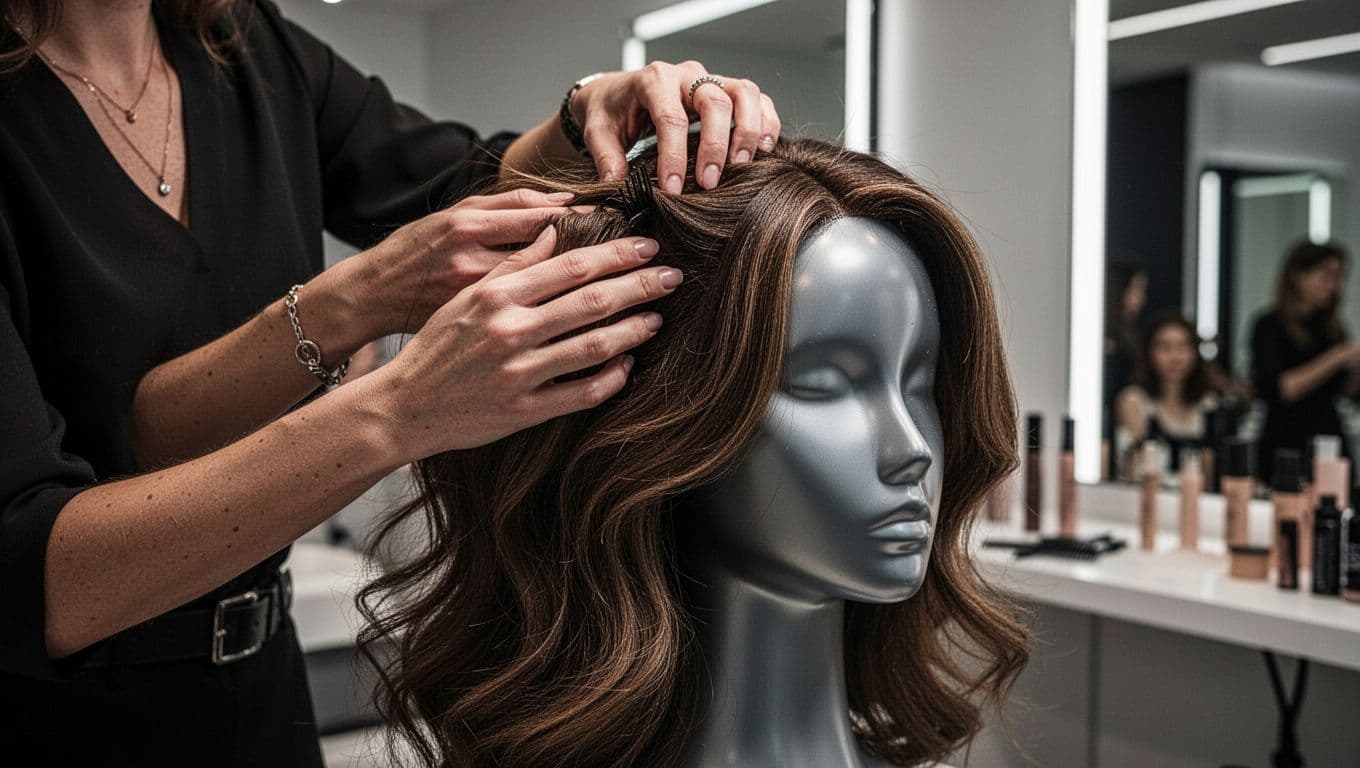
Apply a lightweight heat protectant to the hair lengths. Avoid soaking the lace, knots, or cap. If you use an oil or silicone-based product, apply a small amount to the mid-lengths and ends rather than coating the entire wig.
Set your tool to the lowest temperature that creates the result you want. A single slow pass is safer than several quick passes over the same strand. When curling, release the hair as soon as the shape forms, then let it cool before brushing through it.
Heat protectant reduces friction and helps limit moisture loss, but it doesn't make unlimited heat safe. Human hair can still scorch, become brittle, or lose its natural finish if you style at high temperatures too often.
Use a mannequin head or wig stand whenever possible. It keeps the cap stable and helps you keep hot tools away from the lace and construction. If you wear a lace-front wig, never press a flat iron directly against the hairline.
Heat-friendly synthetic wigs still have strict limits
A heat-friendly synthetic wig is designed to tolerate some thermal styling. That doesn't mean it behaves exactly like human hair or can handle any tool setting.
Manufacturers use different fibers and set different temperature limits. Check the product label or care instructions before styling. If the wig doesn't list a safe temperature, treat it as a no-heat style.
Standard synthetic fibers may melt or become permanently damaged with heat. Warning signs include unusually shiny sections, stiff ends, frizz that won't settle, flattened curls, rough patches, and clumped strands. Once a fiber melts or fuses, conditioner can't restore it.
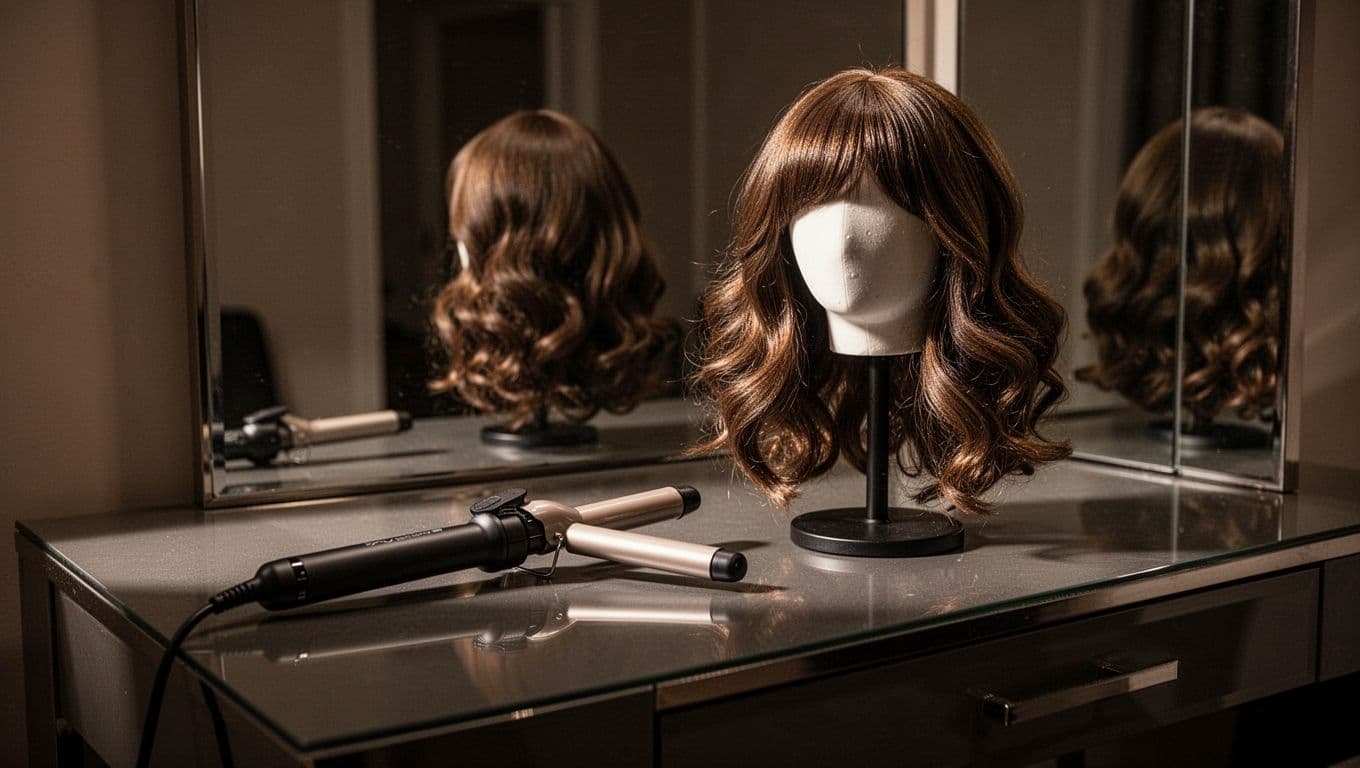
Even heat-friendly fibers need a low setting and short contact time. A tool that feels moderate on human hair may still damage synthetic strands. Use small sections, keep the tool moving, and let each curl cool completely before touching it.
A blow dryer can also cause damage. Hot airflow may loosen the original style, flatten the crown, or create frizz. Choose a cool or low setting unless the manufacturer gives different instructions.
Avoid assuming that a human-hair heat protectant will make synthetic hair safer. Some products leave residue, add weight, or affect the fiber's finish. Use a product labeled for synthetic wigs only when the manufacturer approves it. Most importantly, no spray can turn a standard synthetic wig into a heat-friendly one.
Heat-friendly synthetic wigs also tend to have a shorter working life than traditional synthetic styles. Frequent restyling can gradually change the fiber, even when you follow the instructions.
Shop Human Hair Wigs
-
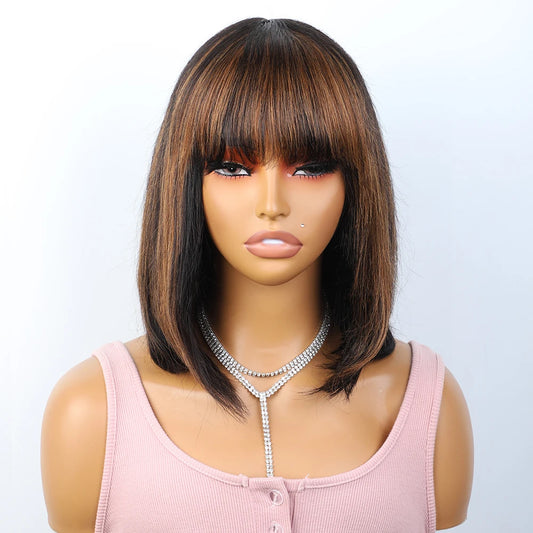
"Put On & Go" Straight Bob Wig | Easy Wear Human Hair with Bangs & Realistic Scalp
Regular price From $111.00 USDRegular price$133.00 USDSale price From $111.00 USDSale -
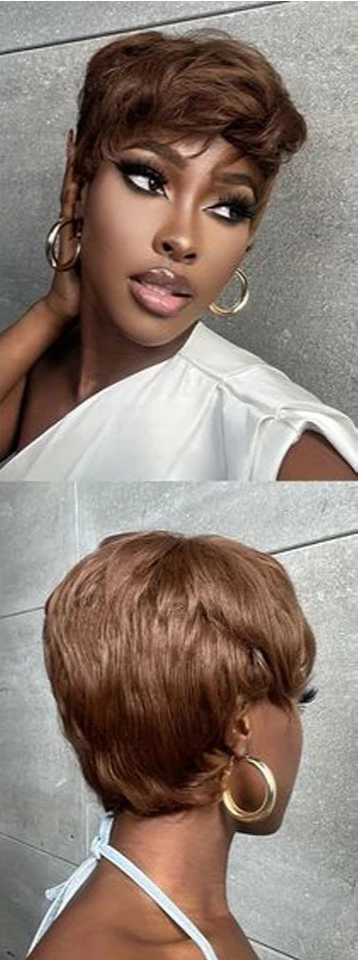
#4 Brown Pixie Short Cut Wig with Bangs | Straight Human Hair Full Machine Made
Regular price $105.00 USDRegular price$126.00 USDSale price $105.00 USDSale -
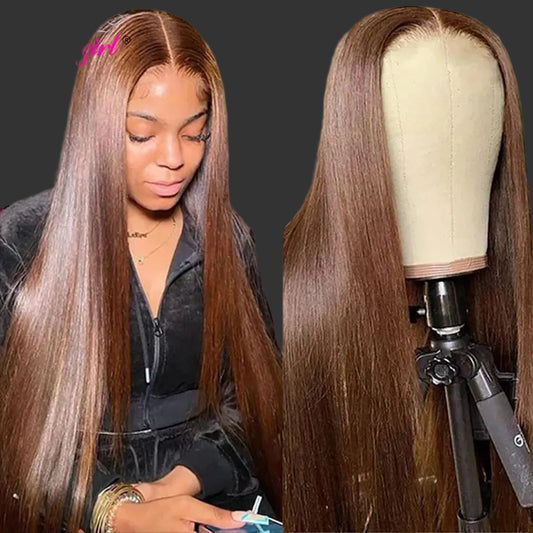
#4 Chestnut Brown Straight Lace Front Wig | 13x4 & 13x6 Transparent Swiss Lace Frontal Wig | 150% & 180% Density 100% Brazilian Remy Human Hair Long Closure Wig for Women (26+ Inch)
Regular price From $364.00 USDRegular price$0.00 USDSale price From $364.00 USD -
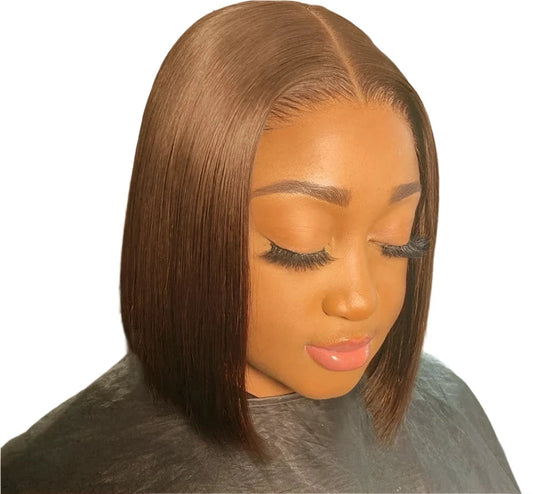
#4 Chocolate Brown Bob Wig | Glueless | Ready To Wear | Brazilian Hair | Human Hair | Straight | Invisible | Closure Wigs For Women
Regular price From $151.00 USDRegular price$172.00 USDSale price From $151.00 USDSale -
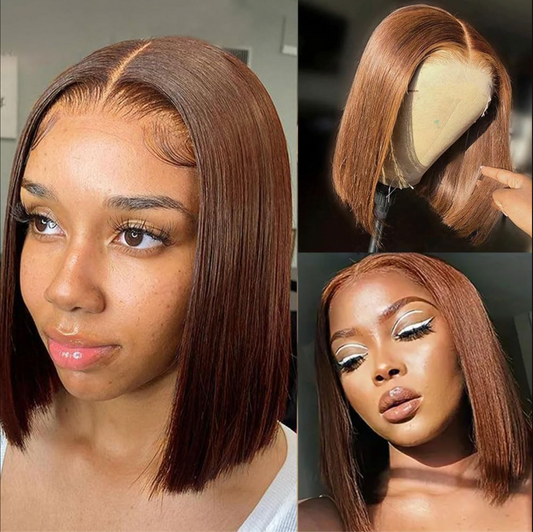
#4 Chocolate Brown Straight Bob Wig | Sophisticated 200% Density HD Transparent Lace Frontal | Elegant "Short Bob" Silhouette | "Dignified" Pre-Plucked Brazilian Remy Human Hair for Radiant Versatile Styling
Regular price $150.00 USDRegular price$200.00 USDSale price $150.00 USDSale -
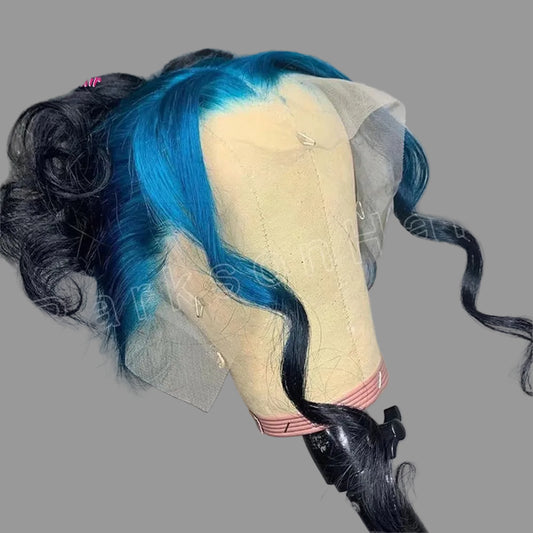
#4/613 Ombre Blonde Lace Front Wig | High-Impact Black with Blue Custom Tone Option | 13x4 HD Transparent Swiss Lace Frontal Body Wave Human Hair Wig for Women
Regular price $502.00 USDRegular price$0.00 USDSale price $502.00 USD -
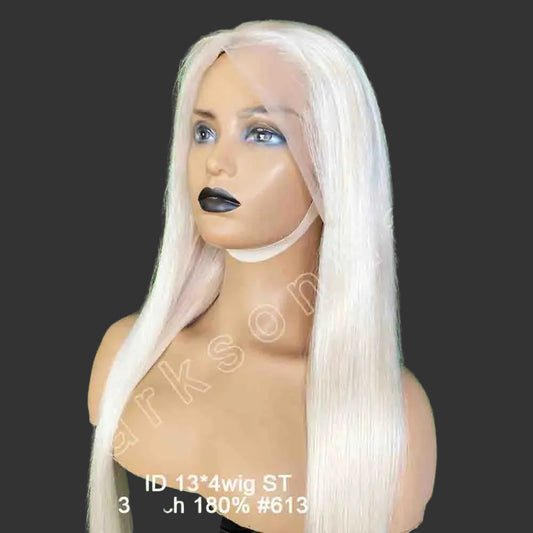
#60 613 Platinum Blonde Wear-and-Go Glueless Wig | 13x4 HD Transparent Lace Frontal Wig | 100% Brazilian Remy Human Hair Body Wave Long 26+ Inch Wig for Women
Regular price From $249.00 USDRegular price$0.00 USDSale price From $249.00 USD -
#60 Platinum Ash Blonde Lace Front Wig | 100% Brazilian Human Hair Glueless Wig | 13x4 & 13x6 HD Transparent Swiss Lace Frontal Body Wave Gown for Women
Regular price From $249.00 USDRegular price$0.00 USDSale price From $249.00 USD







A safer routine for heat styling wigs
A careful process protects both wig types. Follow these steps before reaching for a hot tool:
- Check the fiber and care label. Confirm whether the wig is human hair, standard synthetic, or heat-friendly synthetic. When the material is unknown, skip direct heat.
- Prepare the wig while it is dry. Remove tangles from the ends upward. Place the wig on a stand so you can see the cap, hairline, and sections clearly.
- Test a hidden strand. Use the lowest setting and test a small piece near the back. Stop if the fiber changes texture, smells scorched, becomes sticky, or loses its shape.
- Work in narrow sections. Keep the tool moving and avoid repeated passes. Don't clamp a curling iron against the hair for longer than needed.
- Let the style cool. Curls and waves set as they cool. Brushing them while they are still hot can pull out the shape and increase friction.
For human hair, apply heat protectant before styling. For synthetic hair, use only products approved for that fiber. Keep hot tools away from the lace, elastic, clips, and cap because those parts can warp or weaken even when the hair survives.
Steam requires the same caution. Steam can reshape some synthetic fibers, but it can also flatten or distort a wig when used incorrectly. Only use a steamer when the manufacturer's care instructions allow it.
After styling, store the wig on a stand away from direct sunlight, radiators, and hot bathrooms. Let product buildup and sweat dry before placing the wig in a box or bag.
Which wig suits your heat styling routine?
Human hair is the stronger fit when you regularly use hot tools, want to create different hairstyles, or need precise control around the face. It costs more in many cases, but it gives you greater freedom to restyle.
Synthetic hair works well when you prefer a ready-to-wear shape, want simpler daily care, or plan to wear one consistent look. It often holds curls and waves better without styling, which can reduce the need for heat altogether.
- Choose human hair if you use a flat iron or curling iron often and will follow a careful care routine.
- Choose standard synthetic hair if you want a fixed style and don't need thermal changes.
- Choose heat-friendly synthetic hair if occasional restyling matters, but you're comfortable following strict temperature limits.
Personal experiences can vary because fiber quality, density, construction, and maintenance all affect results. A wig wearers' comparison discussion shows how shoppers weigh styling freedom against lower maintenance. Product compatibility matters too, and this community wig-care discussion focuses on choosing products for human and synthetic fibers.
Before buying, look beyond the curl pattern or color. Check the fiber type, heat instructions, cap construction, and care requirements. A beautiful style that cannot handle your routine may become expensive if you need to replace it after a few styling sessions.
Choose the fiber that matches your tools
Human hair gives you the broadest styling range, but heat protectant and controlled technique remain necessary. Standard synthetic wigs should stay away from direct heat, while heat-friendly versions need low temperatures and exact manufacturer guidance.
When heat styling wigs is part of your weekly routine, human hair is usually the safer long-term choice for flexibility. If you prefer a dependable style with minimal daily work, synthetic hair may be the better fit. The best wig is the one whose fiber matches how you actually style and wear your hair.