

How to Compare Human Hair Wig Prices Before You Buy
A low price can look appealing until shipping, cap construction, or return fees change the real cost. When you compare human hair wig prices, match the specifications first, then calculate what you'll pay to buy, wear, and care for each option.
Two wigs with similar photos may differ in length, density, lace area, and what "Remy" or "glueless" means in the listing. Use the same comparison method for each, and you'll be better prepared to spot value without paying extra for claims you can't verify.
Key Takeaways
- Compare wigs with similar length, density, texture, lace, and cap construction.
- Treat sale prices as temporary, and check whether a discount requires a membership or code.
- Add shipping, tax, customization, and care supplies to the listed price.
- Read the return rules and look for detailed reviews with buyer photos.
Why human hair wig prices vary
The sticker price reflects more than the hair itself. Length, fullness, hair processing, lace coverage, cap construction, and included customization can all change the cost. A simple cap with a shorter style is not directly comparable to a long wig with a wide lace frontal and pre-plucked hairline.

Hair type, length, and density
Longer wigs usually require more hair, while higher-density units are made to look fuller. However, a density percentage alone doesn't tell you the finished wig's total hair weight. If two listings both say 200% density, ask for the length and weight in grams before treating the prices as equivalent.
Hair labels also need context. "Brazilian" describes a hair category commonly used in wig listings, but the word alone doesn't confirm the hair's origin or processing. Remy is a useful term to investigate, yet you should still check what the seller says about cuticle alignment and whether the unit is entirely human hair. The Wig Company's 100% Remy human hair wig collection offers a reference point for how a retailer presents the category.
Lace, cap construction, and customization
A lace front, a 13x6 frontal, and a 360 lace unit offer different coverage and styling options. Hand-tied sections, monofilament tops, pre-plucked hairlines, and glueless features may also affect cost. Confirm which features come standard and which are available only on certain options.
Customization matters, too. A ready-to-wear unit may save time, but don't assume every wig labeled "pre-plucked" will need no adjustment. Compare specifications such as lace dimensions, cap size choices, and included accessories alongside the price.
How to compare wig listings fairly
Start with the details that affect fit and appearance. Record the length, texture, density, lace size, cap type, hair claims, and included features for each listing. Then compare products that are close matches instead of sorting every result by price alone.

Here are three current Luxegan listings. They show how listed price and specifications vary, but they aren't exact like-for-like comparisons.
| Listing | Details shown | Listed price |
|---|---|---|
| 250% density glueless body wave wig | 250% density, glueless body wave | $140 |
| Long 200% density deep wave glueless wig | 200% density, 32 to 34 inches, lace options | $149 |
| 250% density deep wave glueless wig | 250% density, deep wave, 26 inches or longer | $177 |
Prices and options can change, and shipping is calculated at checkout for the $149 and $177 listings. Check the selected length and cap option, not just the headline price.
Separate listed price from the price you qualify for
A product page may show a regular price, a sale price, and a VIP or code-based price. Record the price available to you without membership first. If a discount requires an account, subscription, or code, include that condition in your comparison.
For a broader sense of how listings differ, the 2026 human hair wig cost guide is another point of reference. Use guides as context, then verify the live product page and selected options before buying.
Calculate the full cost before you buy
A useful comparison includes more than the amount beside "Add to cart." Add every required cost you can identify, then compare the totals. If one listing omits shipping until checkout, don't rank it as cheaper until you know the delivered price.
Use this simple formula:
Total upfront cost = wig price + shipping + tax + required customization or installation
After purchase, add the care products you expect to use. A wig that needs a stylist's customization may cost more overall than a ready-to-wear option, even when its listed price is lower. Don't assume an advertised lifespan; estimate cost per wear using a realistic number of wears for your own routine.
Include return costs in your budget
A return policy can change the financial risk of a purchase. Check the deadline, condition requirements, restocking fees, and whether return shipping is your responsibility. A return option that excludes worn, altered, or customized wigs may offer little protection if the fit or texture disappoints after opening.
Compare the same conditions across sellers. A lower sticker price may be less attractive if you can't return the item without a substantial fee. Write the policy details beside each listing so you don't overlook them at checkout.
Account for maintenance and installation
Plan for the care the wig's texture and styling require. You may need suitable shampoo, conditioner, heat protection, storage, or professional installation. These are not always included in the purchase price, and costs depend on your routine.
If you plan to wear the wig regularly, estimate a cost per wear: divide the purchase and expected care costs by the number of wears you reasonably expect. This won't predict the wig's lifespan, but it can help compare two options against your budget.
Shop Best Sellers
-
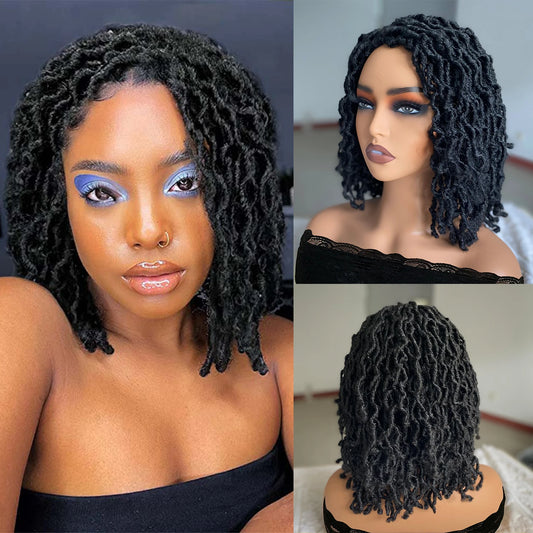
Short Goddess Faux Locs Wig | Brown Highlight Crochet Dreadlock Wig
Regular price From $158.00 USDRegular price$190.00 USDSale price From $158.00 USDSale -
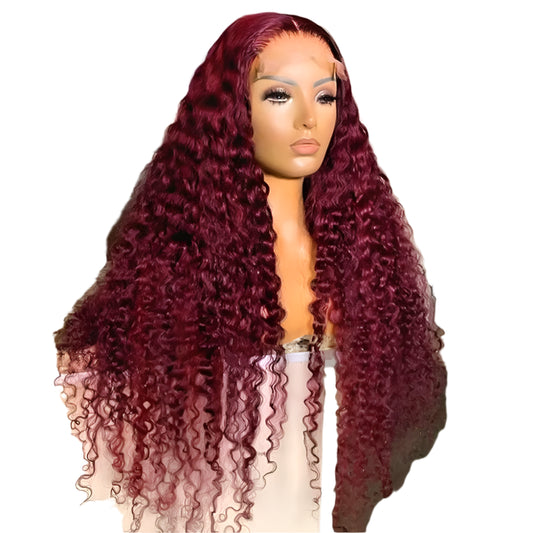
30 Inch Burgundy 99J Curly Human Hair Wig | 13x6 Lace Frontal | 200% Density
Regular price From $257.00 USDRegular price$0.00 USDSale price From $257.00 USD -
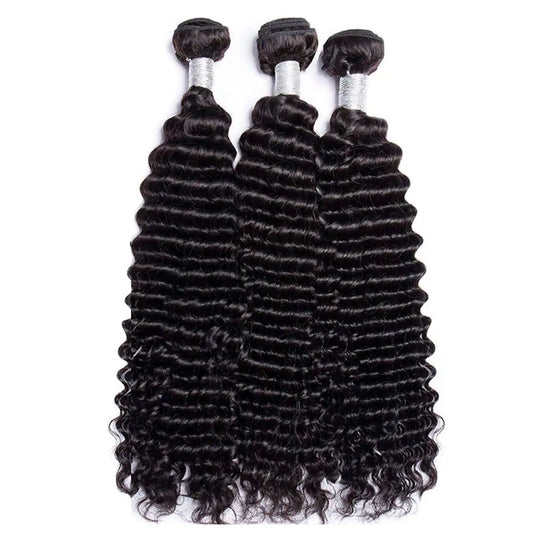
12A Deep Wave Remy Human Hair Bundles | 30 to 32 Inch Weft Extensions
Regular price $364.00 USDRegular price$0.00 USDSale price $364.00 USD -
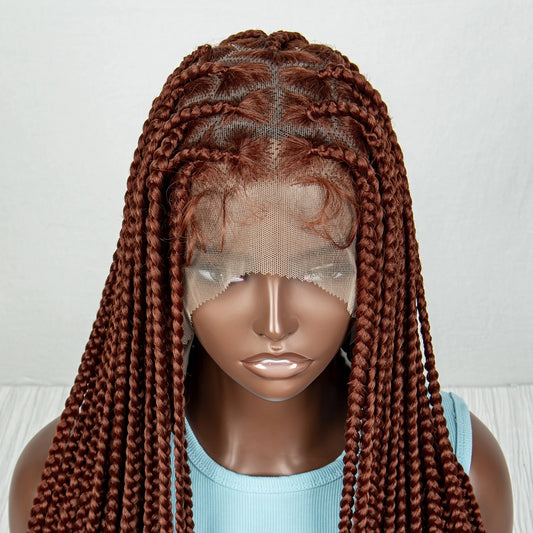
#350 Knotless Box Braids Wig | Short Lace Frontal Bob | Dark Ombre Ginger
Regular price $262.50 USDRegular price$0.00 USDSale price $262.50 USD -
Short Afro Faux Dreads Wig | Synthetic Braided Wig for Men and Women
Regular price $90.00 USDRegular price$120.00 USDSale price $90.00 USDSale -
12A Raw Vietnamese Bouncy Wave Wig | 13x4 Lace Frontal | 250% Density
Regular price From $242.00 USDRegular price$0.00 USDSale price From $242.00 USD -
Men's Wingtip Derby Shoes | Genuine Leather Colour Block Lace-Ups
Regular price $263.00 USDRegular price$301.00 USDSale price $263.00 USDSale -
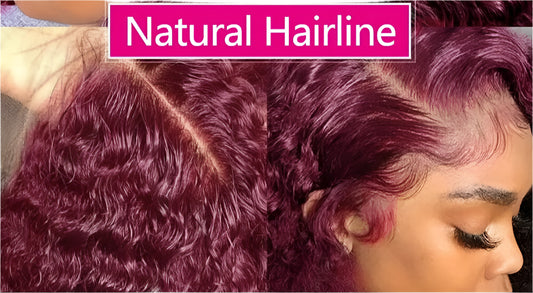
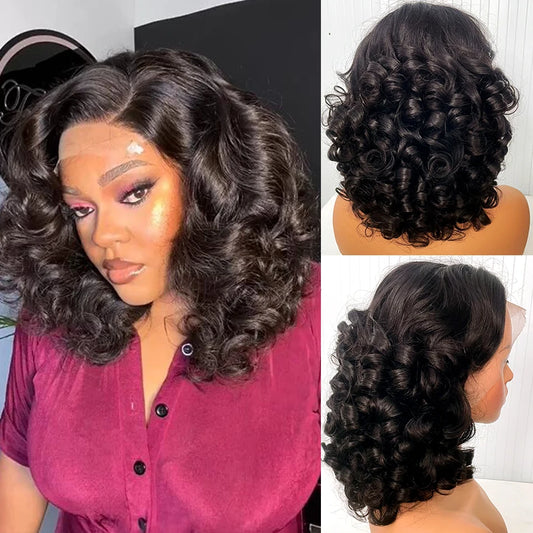
Brazilian Human Hair 13x4 Lace Front Wig | Glueless, Pre-Plucked with Baby Hair
Regular price From $99.00 USDRegular price$132.00 USDSale price From $99.00 USDSale








Spot misleading discounts and vague quality claims
A percentage-off badge doesn't prove a product is a bargain. Look at the final price, compare similar specifications elsewhere, and confirm whether the discount applies to the option you want. Some listings show different prices for different lengths or lace configurations, so the lowest price may refer to a shorter or less customized version.
Discounts can also be conditional. For example, Headcovers has listed Vivica Fox Spring at $71.25 against an $85.50 retail price, while Irresistible Me has shown a 10-inch lace-front bob at a $339.50 VIP price against $679 retail. These are specific retailer examples, not market averages or guarantees. Confirm the current price and eligibility before treating a markdown as savings.
Ask what quality terms mean
Words such as "premium," "luxury," and "salon quality" are hard to compare unless the seller backs them with details. Look for explicit statements about human-hair content, processing, cuticle condition, weight, and construction. If a listing only says "100% human hair," ask whether any fibers are blended and whether the hair can be heat styled.
Also check whether the photos show the exact length, density, and color you're ordering. When product details conflict across the title, description, and option menu, ask the seller to confirm the chosen version in writing before paying.
Treat deep markdowns as a reason to verify
A low price isn't proof of poor quality, and a high price isn't proof of superior construction. Still, a large discount deserves a closer look. Search for the same product name and specifications, inspect the seller's current return terms, and confirm whether the displayed price depends on a code or membership.
Retailers such as WigOutlet's Remy human hair listings can help you see how styles and brands are presented across a discount-focused selection. Compare the details, not only the crossed-out price.
Check seller policies and reviews before ordering
Before checkout, locate the seller's shipping, return, exchange, and refund pages. Check whether the stated policy applies to wigs specifically, since hygiene rules or customization can limit returns. Save a copy of the product description and policy in case the delivered unit differs from what you ordered.
Reviews can add useful detail about fit, texture, shedding, color, and customer service. Prioritize recent feedback with clear photos and enough detail to identify the wig option. A cluster of short, nearly identical reviews tells you less than varied accounts that describe real use.
The FTC's guidance on consumer reviews explains its rule on reviews and testimonials. As a shopper, look for transparent review practices and weigh specific buyer experiences more heavily than star ratings alone.
Compare policies as part of the price
Return terms have practical value, especially for a first-time buyer unsure about cap size or lace. Check how soon you must request a return, whether the wig must remain unworn and unaltered, and whether a restocking fee applies. Also confirm who pays return shipping.
Delivery timing matters if you need the wig for a specific event. Check the estimated processing and shipping period, and look for any extra charge for faster delivery. Include applicable fees in the total rather than assuming the displayed price is final.
FAQ: Comparing human hair wig prices
Is a $150 human hair wig a good deal?
It depends on the specifications and what the price includes. Luxegan listings include examples at $140, $149, and $177, but their densities, lengths, and lace options differ. Compare the selected option, shipping, and return terms before deciding whether one is good value.
Does a higher price mean better hair?
Not by itself. A higher price may reflect longer hair, greater density, more lace coverage, or additional construction and customization. Ask what accounts for the difference, then compare those details with another listing. If the seller can't explain a vague quality claim, don't treat it as a reason to pay more.
What should I check first on a wig listing?
Start with the length, density, texture, lace dimensions, and cap construction. Then confirm the human-hair claims, selected option price, shipping, and return policy. These details make it easier to compare the actual wig you'll receive rather than the product photo or headline price.
Make the price comparison work for you
The best comparison begins with matched specifications and ends with the full cost, including shipping, care, and possible return fees. A sale price only helps when the selected wig fits your needs and the seller's terms work for you.
Take a few minutes to verify the options and policies before checkout. That small step can keep a tempting price from becoming an expensive surprise.