

Human Hair Wig Shedding: Causes and Care That Helps
Human hair wig shedding can feel alarming, especially when loose strands collect on your clothing, brush, or bathroom counter. Some shedding is normal, but a sudden increase often points to friction, tension, heat, moisture, adhesive removal, or rough handling.
You can't stop every strand from coming loose. However, you can reduce unnecessary loss by treating the wig gently, checking its construction, and changing how you brush, wash, install, and store it.
What shedding means in a human hair wig
A wig doesn't grow new hair after strands leave the base. Each loose strand matters because the hair must come from the wig's knots, wefts, or hand-tied sections. Still, shedding doesn't always mean the wig is defective.
The pattern, timing, and location of the loose strands offer useful clues.
Shed strands versus breakage
A strand that comes away at its full length may have loosened from the wig base. Short pieces, uneven fragments, or frayed ends suggest breakage along the hair shaft instead.
Breakage often follows repeated heat styling, dry brushing, tangling, or friction against clothing and bedding. Shedding tends to increase around the lace, parting, hairline, or wefts when those areas receive repeated pulling.
Look at the hair before changing your entire routine. If the pieces are short, focus on moisture, detangling, and heat control. If full-length strands are coming out near the knots, reduce tension and inspect the base.

When shedding may point to construction or handling
Wig construction affects how securely hair stays attached. Ula Hair attributes some wig shedding to the knotting method used during manufacturing and describes double knots as firmer than single knots. That information is useful when comparing units, but it isn't a universal test for every wig.
Shedding may also begin after installation or removal. Pulling adhesive from lace, combing through glued areas, or repeatedly adjusting the hairline can loosen nearby strands. A wig that sheds heavily soon after purchase deserves a clear record of the problem, including photos and the area where the hair is releasing.
Why human hair wig shedding happens
Human hair wig shedding usually has more than one possible cause. Construction, styling, moisture, storage, and daily wear can all affect the base and the strands.
Knotting and wig-base construction
Hand-tied wigs hold individual hairs through knots in lace or another base. Wefted wigs attach hair in sewn strips. Either design can shed when the attachment weakens, although the problem may look different.
Lace-front units often need extra care around the hairline because the lace is fine and the knots are exposed to brushing, adhesive, sweat, and repeated styling. A wide parting area also gives you more room to style, but it doesn't make the knots immune to pulling.
Luxegan's 13x6 HD lace frontal wig uses transparent Swiss lace, a pre-plucked hairline, adjustable straps, and glueless construction. Those are product specifications, not proof that the unit cannot shed. The way you handle the lace still matters.
Heat, tension, rubbing, and repeated styling
Flat irons, curling tools, and hot blow-dryers can weaken human hair over time. The American Academy of Dermatology warns that excessive heat damages hair and recommends safer styling habits in its guidance on hair styling without damage.
Tension affects both your natural hair and the wig. Tight braids underneath, a snug cap, aggressive ponytails, and frequent pulling at the hairline can create stress. A review on traction alopecia prevention recommends reducing tension and taking breaks from styles that pull on the hair.
Friction adds another source of wear. Long hair can rub against collars, scarves, seat backs, and cotton pillowcases. Curly and wavy textures tangle more easily, so brushing them dry can pull several attached strands at once.
Washing and product-removal practices
Too much washing can expose the wig to repeated soaking, rubbing, drying, and detangling. Perfect Line Swiss advises that frequent washing may weaken both hair strands and the wig cap, so follow the care instructions for your unit rather than washing on an automatic schedule.
Adhesive removal creates a separate risk. Solvent or remover should loosen residue before you lift the lace. Pulling at tacky sections can remove hair with the adhesive, especially near the front hairline.
Moisture also matters between washes. A wet wig is heavier and more vulnerable to stretching, tangling, and rough brushing. Let it dry fully on a suitable stand, away from intense heat.
Daily habits that increase shedding
Small habits often cause more damage than one occasional styling session. Watch how you pick up, detangle, install, and remove the wig.
Never lift the wig by the lace or pull it into place by the hair. Hold the cap or interior edges instead. When brushing, divide longer hair into sections and start at the ends. Work upward only after the lower section feels smooth.
Use a wide-tooth comb or a wig brush suited to the texture. Curly and deep-wave units need careful finger separation and controlled detangling. Brushing against the curl pattern can create knots, frizz, and breakage.
Adhesive removal should be slow. Apply the recommended remover to the residue, allow it time to work, then support the lace with your fingers as you release it. Don't scratch dried glue with your nails or comb.
A glueless style can reduce the need for adhesive removal, but it still requires a good fit. Luxegan's glueless body wave human hair wig lists adjustable construction and wear-and-go styling. Those features may simplify installation, but rough brushing and tight styling can still cause loss.
The AAD's hair damage guidance also supports reducing harsh handling, excessive heat, and styles that place repeated stress on hair.
A step-by-step routine to reduce shedding
A consistent routine protects the base better than emergency fixes after heavy shedding begins.
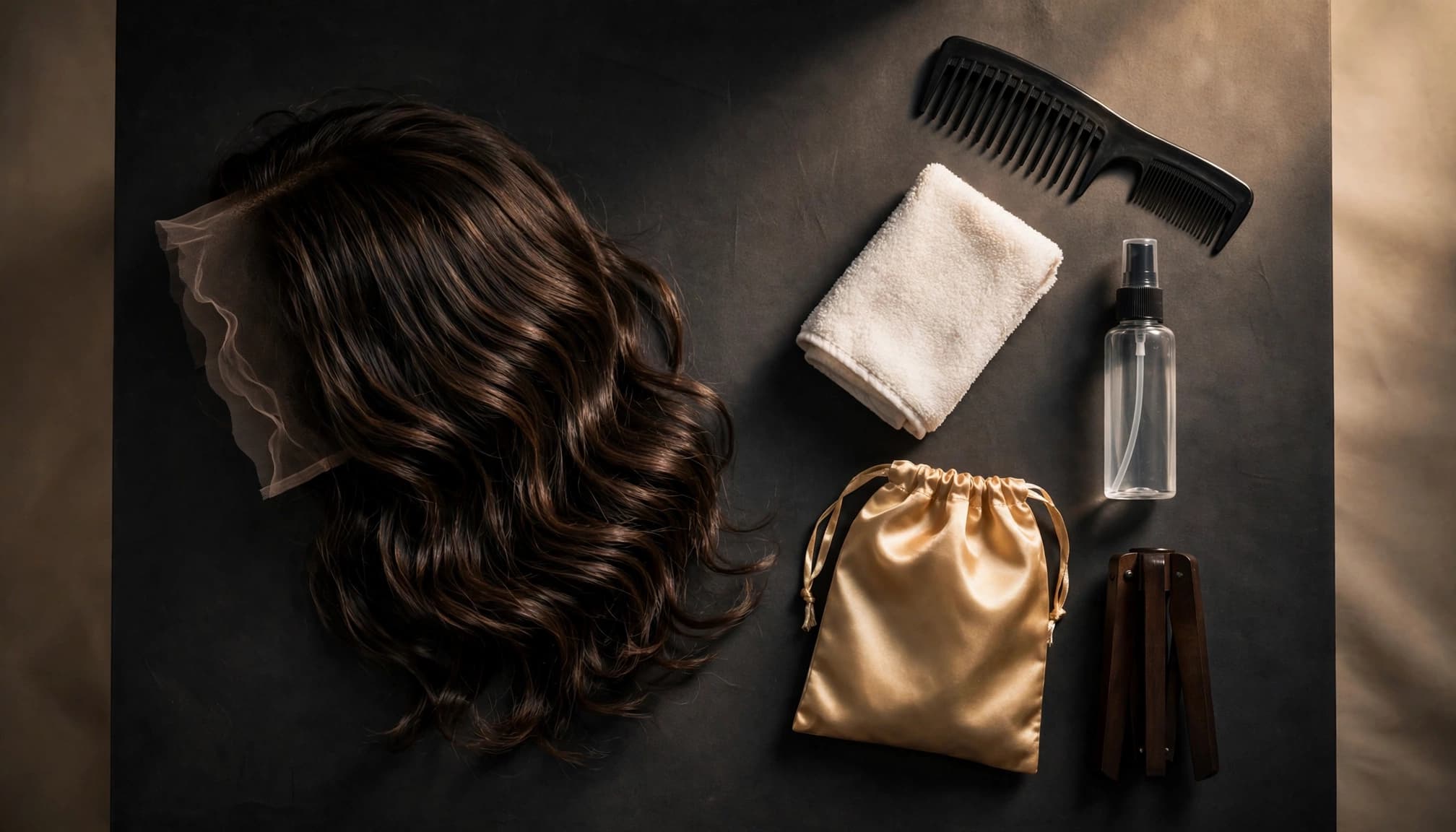
1. Detangle before washing
Place the wig on a stable stand or hold the cap securely. Separate the hair with your fingers, then use a wide-tooth comb from the ends upward. Keep the comb away from the lace unless you are working with very light pressure.
Remove tangles before wetting the unit. Water can make knots tighten, which increases pulling during the next step.
2. Wash gently and support the cap
Use lukewarm water and a cleanser recommended for human hair wigs. Let water flow in the direction of the hair instead of scrubbing the hair into a pile.
Apply cleanser with a light pressing motion. Avoid twisting, wringing, or rubbing the lace. Rinse thoroughly, then use conditioner mainly on the lengths and ends unless the product directions say otherwise.
3. Dry without stretching the hair
Blot excess water with a soft towel. Do not rub. Place the wig on a stand and allow it to dry naturally when possible.
If heat is necessary, use the lowest effective setting and keep the tool moving. Avoid directing high heat at the lace, knots, or cap.
4. Store the wig with its shape supported
Before storage, make sure the unit is completely dry. Keep it on a wig stand or in a satin bag where it won't be crushed under clothing or accessories.
Store long hair loosely gathered or wrapped according to the texture. Avoid tight elastics, heavy clips, humid bathrooms, and direct sunlight. A crushed wig often needs extra brushing later, and that extra brushing can increase shedding.
Shop Human Hair Wigs
-
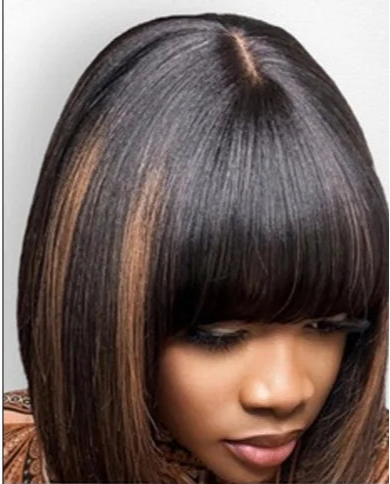
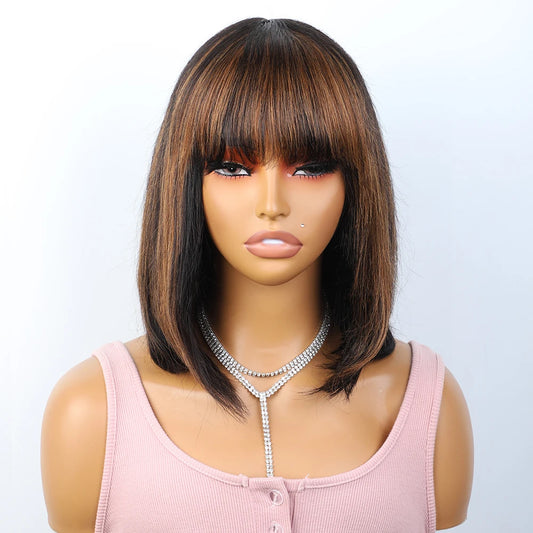
"Put On & Go" Straight Bob Wig | Easy Wear Human Hair with Bangs & Realistic Scalp
Regular price From $111.00 USDRegular price$133.00 USDSale price From $111.00 USDSale -
#4 Brown Pixie Short Cut Wig with Bangs | Straight Human Hair Full Machine Made
Regular price $112.00 USDRegular price$168.00 USDSale price $112.00 USDSale -
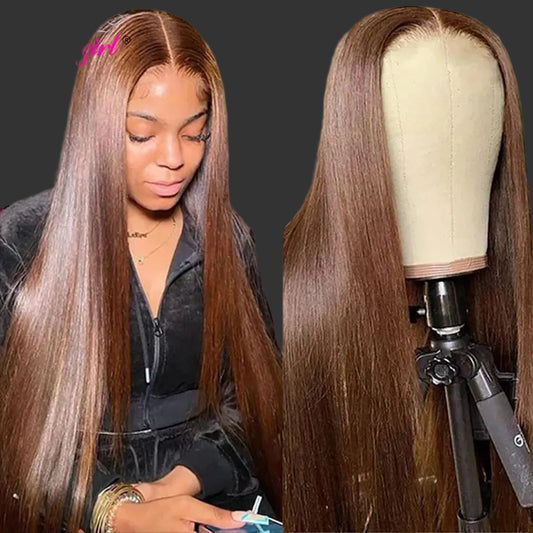
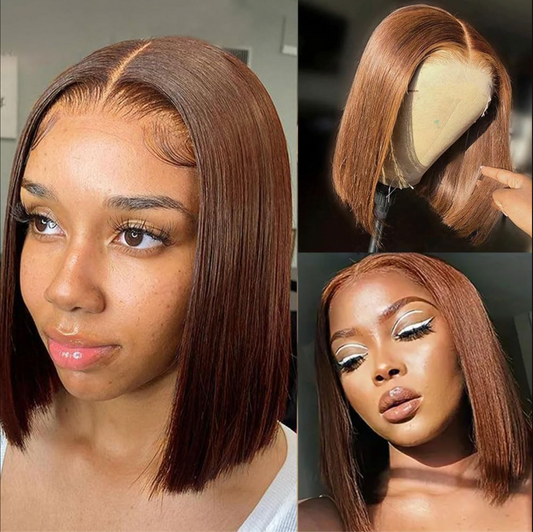
#4 Chestnut Brown Straight Lace Front Wig | 13x4 & 13x6 Transparent Swiss Lace Frontal Wig | 150% & 180% Density 100% Brazilian Remy Human Hair Long Closure Wig for Women (26+ Inch)
Regular price From $364.00 USDRegular price$0.00 USDSale price From $364.00 USD -
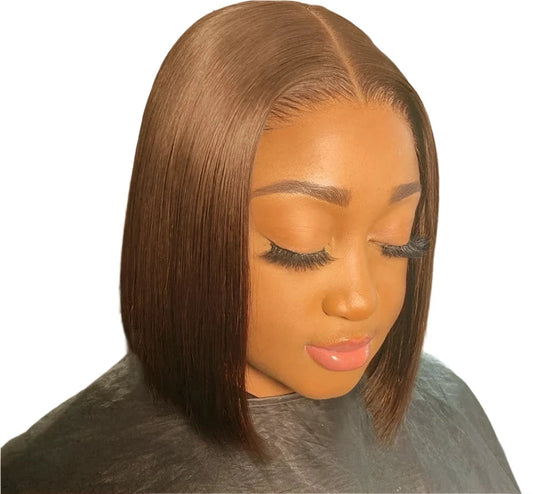
#4 Chocolate Brown Bob Wig | Glueless | Ready To Wear | Brazilian Hair | Human Hair | Straight | Invisible | Closure Wigs For Women
Regular price From $151.00 USDRegular price$172.00 USDSale price From $151.00 USDSale -
#4 Chocolate Brown Straight Bob Wig | Sophisticated 200% Density HD Transparent Lace Frontal | Elegant "Short Bob" Silhouette | "Dignified" Pre-Plucked Brazilian Remy Human Hair for Radiant Versatile Styling
Regular price $150.00 USDRegular price$200.00 USDSale price $150.00 USDSale -
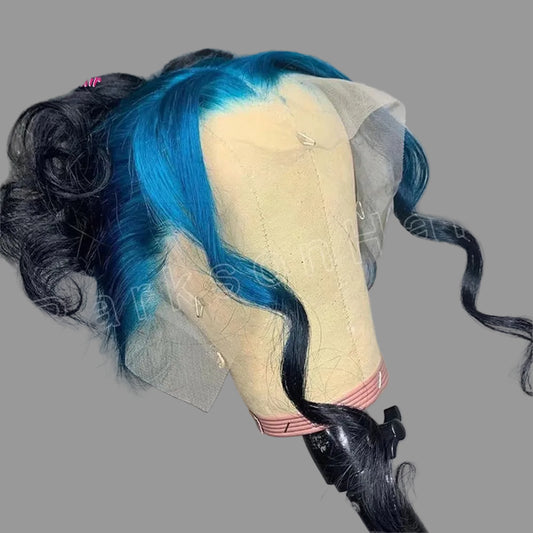
#4/613 Ombre Blonde Lace Front Wig | High-Impact Black with Blue Custom Tone Option | 13x4 HD Transparent Swiss Lace Frontal Body Wave Human Hair Wig for Women
Regular price $502.00 USDRegular price$0.00 USDSale price $502.00 USD -
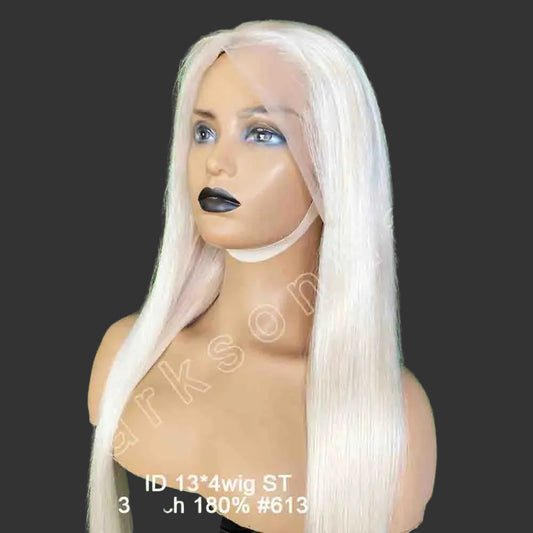
#60 613 Platinum Blonde Wear-and-Go Glueless Wig | 13x4 HD Transparent Lace Frontal Wig | 100% Brazilian Remy Human Hair Body Wave Long 26+ Inch Wig for Women
Regular price From $249.00 USDRegular price$0.00 USDSale price From $249.00 USD -
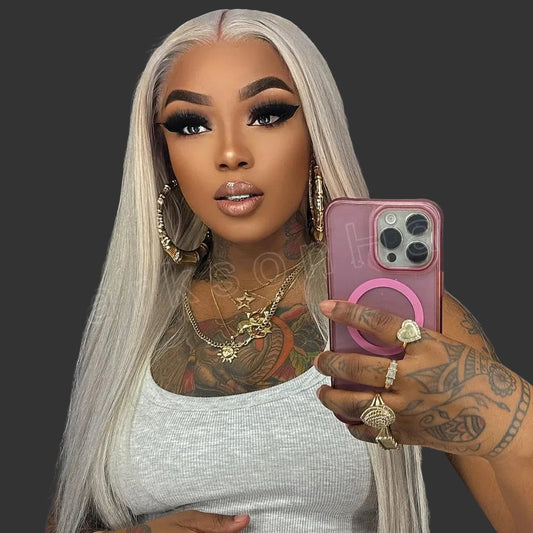
#60 Platinum Ash Blonde Lace Front Wig | 100% Brazilian Human Hair Glueless Wig | 13x4 & 13x6 HD Transparent Swiss Lace Frontal Body Wave Gown for Women
Regular price From $249.00 USDRegular price$0.00 USDSale price From $249.00 USD







Dos and don'ts for less shedding
Your everyday choices matter more than a single product. Keep these habits close to your styling area:
- Do hold the cap when putting on or removing the wig.
- Do detangle in small sections, starting at the ends.
- Do use heat sparingly and protect the hair before thermal styling.
- Do loosen adhesive before lifting lace.
- Do follow the manufacturer's washing and drying instructions.
- Do check the interior for loose wefts, stretched lace, or open knots.
- Don't brush aggressively from the roots to the ends.
- Don't sleep in a damp wig or store one before it dries.
- Don't use a tight ponytail or bun every time you wear the unit.
- Don't pull shed strands out of the base to tidy the wig.
- Don't assume HD lace, high density, or Brazilian Remy hair guarantees low shedding.
- Don't keep wearing a unit that causes scalp pain, pressure, or persistent itching.
Features such as a pre-plucked hairline, adjustable straps, or a 360 lace design can affect fit and styling options. For example, Luxegan's 30-inch bone straight lace wig lists 360 lace, adjustable straps, and a pre-plucked hairline. These details help you understand the product, but careful handling remains the main defense against avoidable shedding.
When to stop DIY care
Contact the seller when heavy shedding begins soon after delivery, continues despite gentle care, or appears concentrated in one section of the wig. Take clear photos of the lace, knots, wefts, and loose strands. Keep your order details and note whether the unit had been washed, colored, installed, or heat styled.
A professional wig stylist can inspect the construction and tell you whether the issue comes from loose knots, damaged lace, tangling, or installation. Ask for help before trimming or sealing the base, because DIY repairs can affect a return or warranty.
Seek medical advice for your own scalp if you notice pain, redness, sores, burning, persistent itching, thinning along your hairline, or hair loss beneath the wig. A wig problem and a scalp problem can happen at the same time, particularly when an under-cap style or installation creates tension.
Frequently asked questions
Is some human hair wig shedding normal?
Yes, some loose strands can occur with wear, brushing, washing, and styling. A small amount doesn't automatically mean the wig is poor quality. Pay attention to a sudden increase, thinning areas, or hair releasing from the lace in clusters.
Can shedding be stopped completely?
No. Human hair wigs can shed because attached strands experience handling and wear. You can reduce unnecessary shedding by limiting tension, friction, heat, rough washing, and adhesive pulling, but no care routine guarantees that every strand will remain attached.
Should I seal the knots myself?
Knot sealing may be appropriate for some lace units, but it isn't the first response to every shedding problem. Check the seller's care guidance or ask a wig professional before applying a product. Sealing a unit with a return or construction issue may hide the original problem.
Is glueless better for reducing shedding?
Glueless construction removes some adhesive-related handling, which may help protect the hairline during installation and removal. It doesn't prevent shedding caused by brushing, heat, tangling, friction, or loose manufacturing knots. Fit and daily care still matter.
Conclusion
Human hair wig shedding is often manageable when you identify where the strands are coming from and what happens before they loosen. Gentle detangling, careful adhesive removal, lower heat, controlled washing, and proper storage can reduce avoidable loss.
Some shedding will remain part of wearing a human hair wig. When the loss is sudden, concentrated, or paired with scalp discomfort, stop pulling at the unit and ask the seller, a wig professional, or a dermatologist for help.