

How to Prevent an Itchy Sew-In Weave
A itchy scalp after a sew-in can result from product residue, scalp dryness, tight braids, or a reaction to hair or adhesive. Avoid scratching, keep the scalp clean and dry, and contact your stylist if the style feels painfully tight.
Itching that starts at night or soon after installation doesn't identify the cause by itself. Look for other signs, such as soreness, redness, bumps, or swelling, then choose relief that won't add more buildup.
Key takeaways
- Pat the itchy area instead of scratching it. If needed, use a rat-tail comb very gently, without scraping the skin.
- Ask the installer to assess tight braids or extensions as soon as discomfort begins.
- Cleanse the scalp regularly and dry the braids completely after washing to maintain healthy protective styles.
- Keep a sew-in or extensions in for no longer than six to eight weeks, then give your scalp time to recover.
- Seek medical care for severe or persistent itching, pain, sores, swelling, inflammation or signs of infection.
Why a sew-in weave can itch
An itchy scalp under extensions can have a practical cause, but several factors may contribute. If you have itchy hair extensions, check whether your scalp feels dry, the style pulls, or symptoms began after you used a new product or hair.
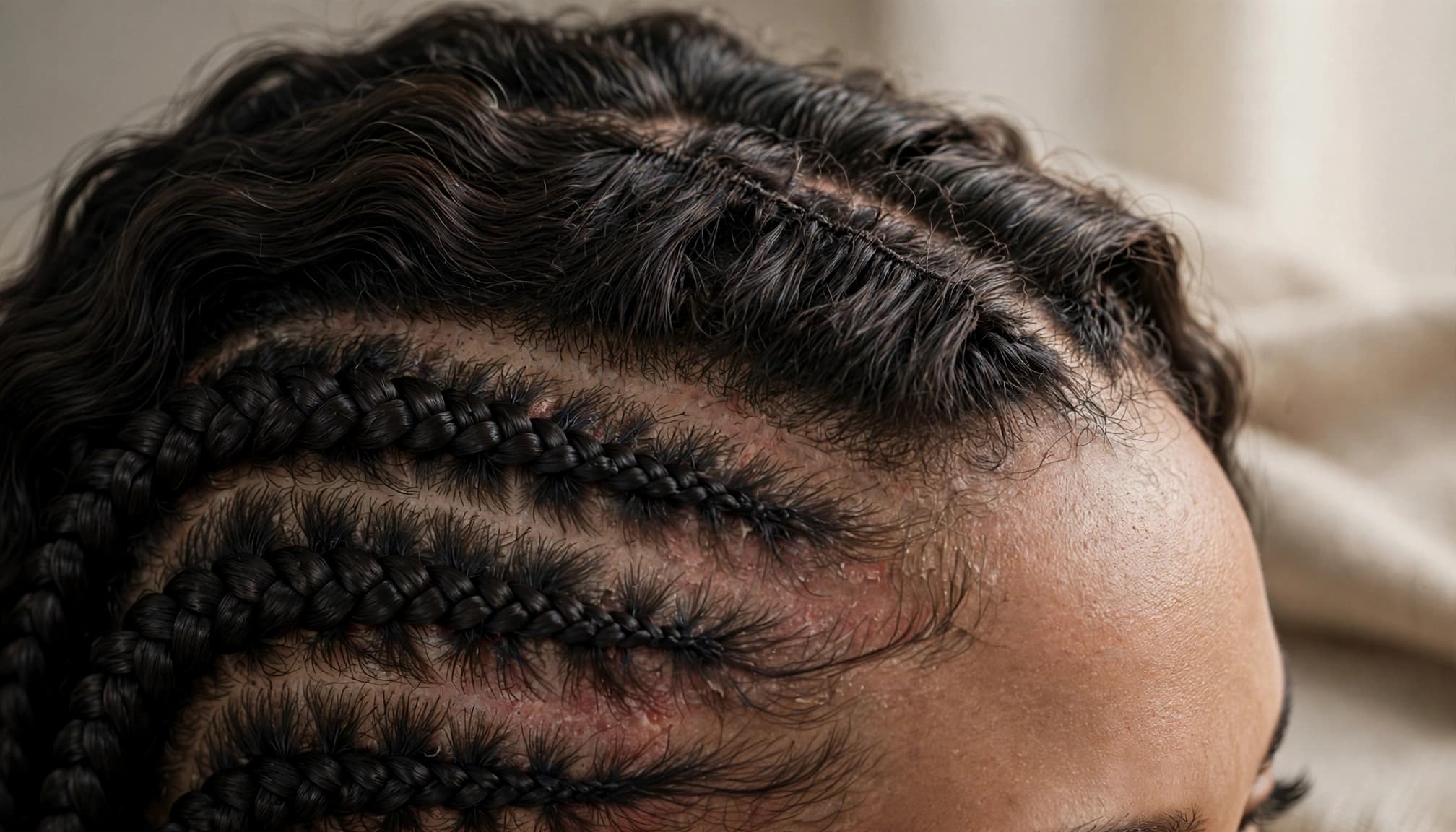
Product buildup, sweat and dryness
Styling products, oils and sweat can collect around braids and wefts. Product buildup can clog pores, irritate the scalp and make the skin less comfortable. Adding more oil or leave-in product may worsen the residue.
Dry scalp and dandruff can also cause itching. Protective styles can make it harder to reach the scalp with water and cleanser, so a regular, gentle washing routine matters.
Tight tension and repeated pulling
If the braids or wefts pull when you move your head, the installation may be too tight. Excessive tension can put pressure on the scalp, affect local circulation and trigger inflammation. Sew-in styles and micro-link extensions can cause problems when installed too tightly.
Repeated pulling can lead to traction alopecia. It may cause itching, redness, small bumps and hair loss. The American Academy of Dermatology's guidance on preventing damage from weaves and extensions explains why pulling should be addressed early.
Irritation or an allergic reaction
Adhesives, tapes and synthetic hair can cause contact irritation or an allergic reaction. Redness, persistent itching or a rash where a product touches the skin may point to a reaction rather than another cause of scalp discomfort. Even products labeled hypoallergenic can cause symptoms in some people. The AAD overview of contact dermatitis describes how contact with an irritant or allergen can affect the skin.
Fast relief for an itchy weave
For a dry itchy scalp, use gentle steps that don't scrape the skin or add a heavy layer of product. If the itching began after installation, contact your stylist promptly about painful pulling or tension so they can assess the braids and wefts.
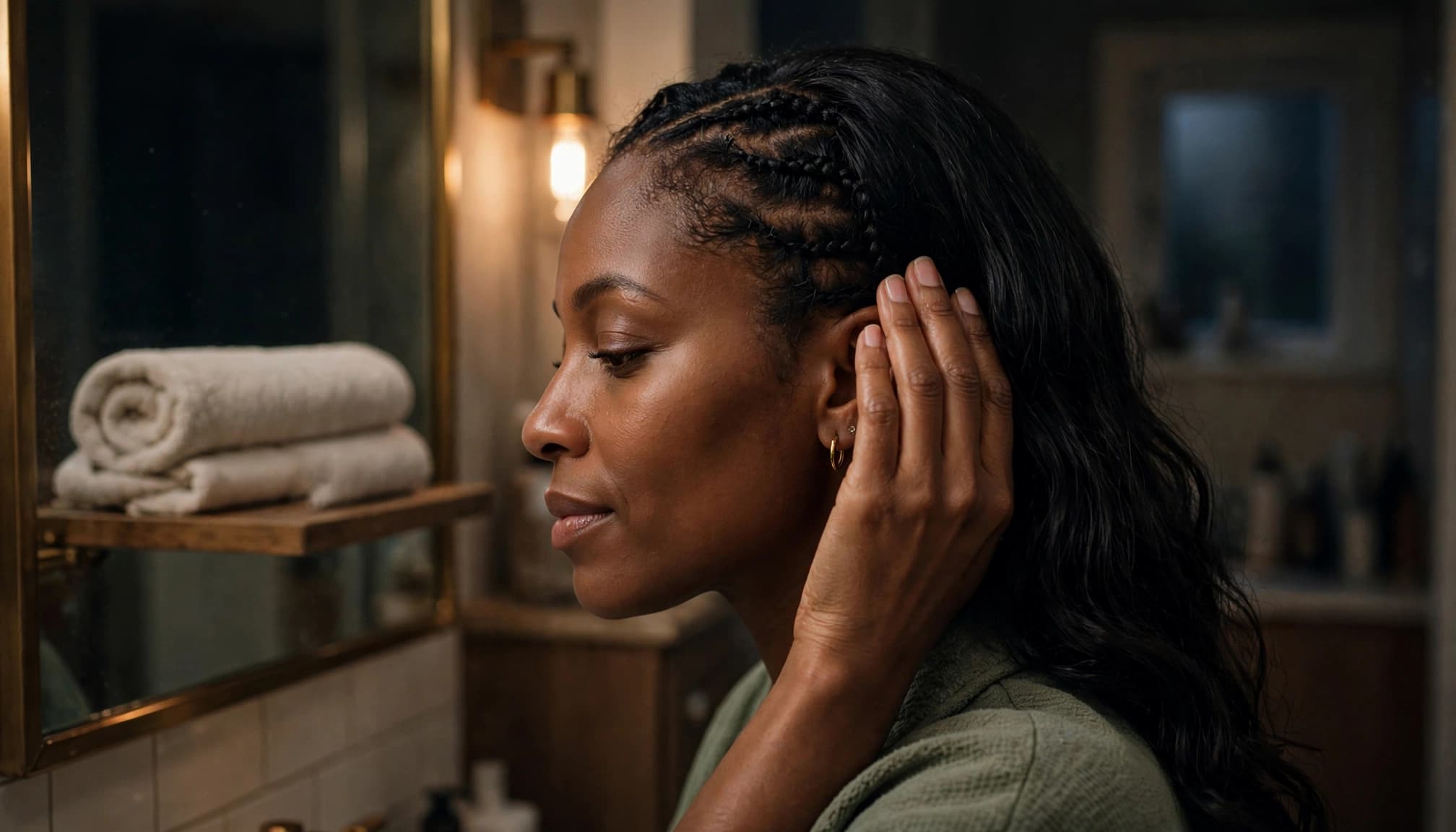
A gentle routine to try
- Pat the itchy area. Don't dig in with fingernails, pins or other sharp objects. A rat-tail comb may be used very gently to reach between parts, but stop if it scratches or hurts.
- Check for pulling or pain. If the hair feels tight, sore or restrictive, don't try to tough it out. Ask your stylist to loosen or adjust it.
- Rinse away residue. If product buildup seems likely, cleanse the scalp and braids with a sulfate-free shampoo. A clarifying shampoo may help, but use it gently and rinse well.
- Dry the braids completely. Press out excess water with a towel, then allow the hair and scalp to dry fully. Damp braids can stay uncomfortable and create an environment where mold or mildew may develop.
Some people use an equal-parts mixture of water and apple cider vinegar in a nozzle bottle to loosen residue. It can sting or irritate sensitive skin, so it isn't suitable for everyone. If you try it, apply it carefully to the scalp, rinse thoroughly and stop if it burns. Don't use it on sore, broken or inflamed skin.
A scalp relief serum is an optional product, but it shouldn't replace rinsing out buildup or addressing tightness. Dermal Therapy Scalp Relief Serum contains colloidal oatmeal, Canadian willowherb and menthol, and its suggested use is to massage a few drops into the scalp daily. Stop using any product that increases irritation.
Prevent itching before installation
A comfortable install starts with a clean scalp and a style that doesn't pull. Before your appointment, tell your stylist about past reactions, tenderness or hair loss around the hairline.
Prepare your scalp and test materials
Before installation, use a deep-conditioning treatment with jojoba oil or coconut oil, then gently massage your scalp. Use a small amount and avoid leaving excess oil behind, since residue can collect under the weave.
If you have sensitive skin, patch test the adhesives or extension material before a full install. A patch test can help reveal a reaction, but it can't guarantee that irritation won't occur later. The AAD's information on patch testing explains how testing can help identify allergens.
For protective styles, choose hair from a reputable supplier. Using 100% human hair may reduce irritation risk for some people, but synthetic hair can also cause a reaction. No material guarantees an irritation-free install. For example, Afro kinky bulk human hair extensions are one option for braided styles.
Ask for a comfortable fit
The braids should feel secure without causing pain or excessive tension. Speak up right away if discomfort or itching starts during the appointment or soon after. The person installing your sew-in can check the fit and adjust sections that are too tight.
Don't treat pain as a normal part of getting a sew-in. Tight hairstyles can damage hair over time, and the AAD notes that repeated pulling can cause traction alopecia. Its advice on hairstyles that pull and hair loss can help you understand why reducing pulling matters.
Keep the scalp clean, dry and free of excess product
Wash your scalp regularly while wearing a weave, using sulfate-free shampoo or a clarifying shampoo if product buildup has accumulated. Gently work cleanser along the parts and around the braids rather than rubbing or bunching the hair. Rinse thoroughly so shampoo doesn't remain beneath the wefts.
After washing, make sure the braids dry completely. Don't tie up or cover damp hair overnight. A clean satin or silk covering can reduce friction at bedtime, but it won't address itching from dry scalp, dandruff, allergies or a tight installation.
Keep styling products light and limit oils on the scalp. Stop using any new product that triggers itching, then rinse gently. A scalp relief serum may soothe discomfort, but it shouldn't replace washing or be continued if it irritates your scalp. Cleanse rather than layering products over residue, which can make washing harder.
Shop Best Sellers
-
Short Goddess Faux Locs Wig | Brown Highlight Crochet Dreadlock Wig
Regular price From $158.00 USDRegular price$190.00 USDSale price From $158.00 USDSale -
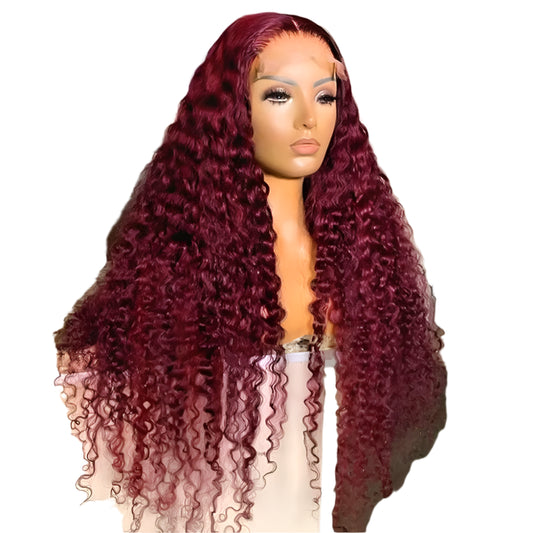
30 Inch Burgundy 99J Curly Human Hair Wig | 13x6 Lace Frontal | 200% Density
Regular price From $257.00 USDRegular price$0.00 USDSale price From $257.00 USD -
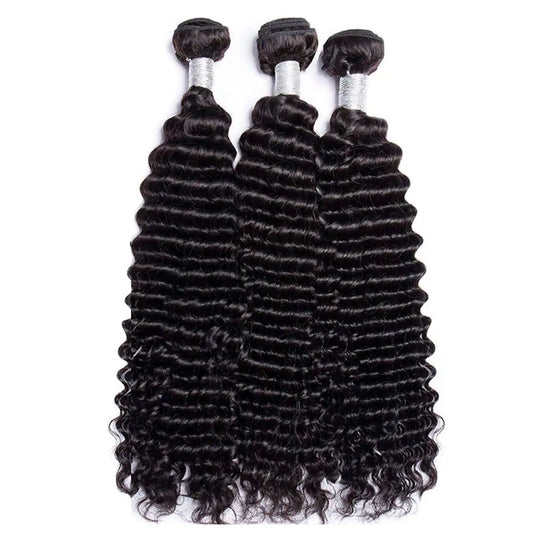
12A Deep Wave Remy Human Hair Bundles | 30 to 32 Inch Weft Extensions
Regular price $364.00 USDRegular price$0.00 USDSale price $364.00 USD -
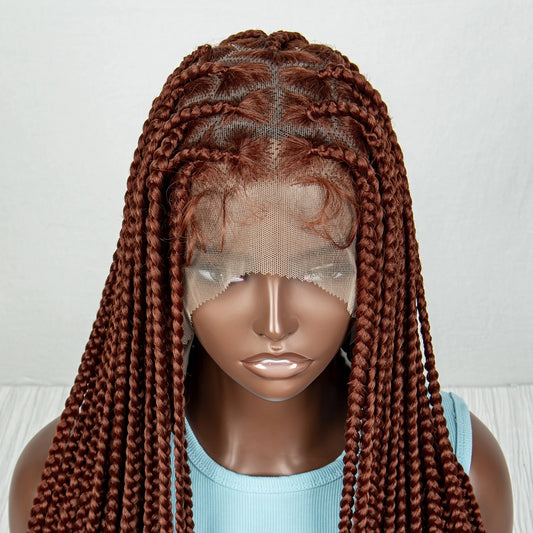
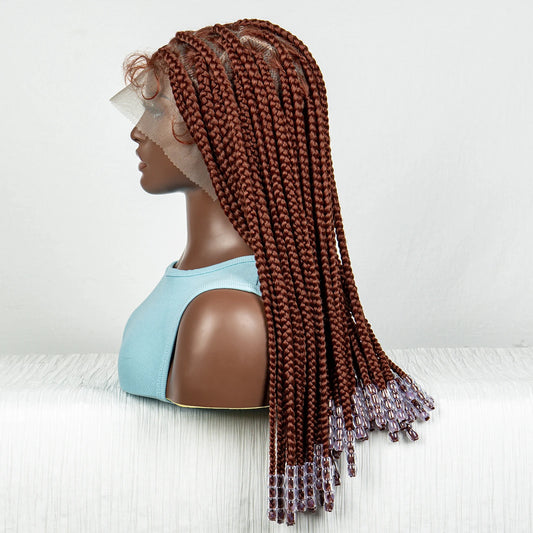
#350 Knotless Box Braids Wig | Short Lace Frontal Bob | Dark Ombre Ginger
Regular price $262.50 USDRegular price$0.00 USDSale price $262.50 USD -
Short Afro Faux Dreads Wig | Synthetic Braided Wig for Men and Women
Regular price $90.00 USDRegular price$120.00 USDSale price $90.00 USDSale -
12A Raw Vietnamese Bouncy Wave Wig | 13x4 Lace Frontal | 250% Density
Regular price From $242.00 USDRegular price$0.00 USDSale price From $242.00 USD -
Men's Wingtip Derby Shoes | Genuine Leather Colour Block Lace-Ups
Regular price $263.00 USDRegular price$301.00 USDSale price $263.00 USDSale -
Brazilian Human Hair 13x4 Lace Front Wig | Glueless, Pre-Plucked with Baby Hair
Regular price From $99.00 USDRegular price$132.00 USDSale price From $99.00 USDSale





Itching at night or after a new install
An itchy scalp may feel worse at night, but itching alone doesn't identify the cause. Dryness, sweat, pulling, or an allergic reaction may be responsible.
If you have an itchy weave after installation, check for soreness, redness or bumps, and contact your installer about discomfort or pulling. For mild symptoms, pat rather than scratch and keep the scalp clean and dry. A scalp relief serum may worsen irritation without addressing its cause.
Don't assume persistent discomfort is part of adjusting to a new style. If symptoms worsen or you develop pain, sores, swelling or a rash, seek professional advice rather than waiting for the style to loosen on its own.
When to remove hair extensions and give your scalp a break
Remove extensions after six to eight weeks to give your scalp time to recover. Leaving the style in longer can make washing and monitoring irritation harder, while continued tension pulls on your hair.
If you develop painful tightness or suspect a reaction before then, ask your stylist to assess the style promptly. It may need to be loosened or removed before the planned date. Stop wearing the hair or using adhesives that may trigger a reaction, and seek appropriate advice.
When to see a doctor or dermatologist
Arrange medical care if itching is severe or persistent, or comes with redness, bumps, inflammation, pain, sores, swelling, or signs of a skin problem. Seek care promptly if symptoms spread or worsen. A clinician can assess whether they point to irritation, an allergy, infection, or another scalp condition.
Small bumps and redness after repeated pulling also deserve attention, especially if you notice thinning or hair loss near the hairline or along the parts. Traction alopecia can become permanent if pulling continues, so loosen or remove the style and speak with a clinician.
FAQ
How do I stop my sew-in from itching?
Avoid scratching, rinse away product residue, and keep the scalp dry. If the braids pull or your scalp hurts, ask your stylist to check the tension. Seek medical advice for persistent symptoms or visible skin changes.
What spray is best for an itchy scalp under braids?
There isn't one spray that's right for every cause. Avoid heavy, strongly fragranced products that can add buildup or irritate sensitive skin. A few drops of a scalp relief serum may suit some people, but stop using it if you notice a reaction. For residue, careful cleansing is often a better first step than adding spray.
How can I scratch my head with braids without hurting my scalp?
Pat the area rather than scratching. If needed, use the pointed end of a rat-tail comb gently between the braids, without scraping or pressing into the skin.
Can I rinse buildup out without removing the weave?
Often, you can cleanse between the parts with a sulfate-free or clarifying shampoo and rinse thoroughly. Dry the braids completely afterward. If symptoms persist, ask your stylist to inspect your scalp and the installation.
A comfortable sew-in starts with listening to your scalp
An itchy sew-in weave may signal residue, dryness, tension or a reaction. Gentle cleansing and careful drying can help when buildup is involved, while painful tightness or persistent symptoms need attention from a stylist or clinician.
Keep the scalp clean, avoid scratching, and take a break from the style after six to eight weeks. Pain, sores, swelling and lasting irritation deserve care, not another layer of product.