
Men's Dress Shoes for Weddings, Offices, and Formal Events
The wrong pair can make a well-fitted suit look unfinished. The right men's dress shoes support your outfit, match the occasion, and stay comfortable through long ceremonies, workdays, and formal dinners.
Black-tie dressing calls for stricter choices than business casual, while wedding attire depends on the invitation, venue, and time of day. Once you understand those differences, choosing the right color, style, leather, and sole becomes much easier.
Men's Dress Shoes by Dress Code
A polished shoe should match the formality of the clothing around it. A sleek black Oxford suits a tuxedo, but it may look too severe with chinos. A casual loafer can work at an office, yet it usually feels underdressed beside a formal evening suit.
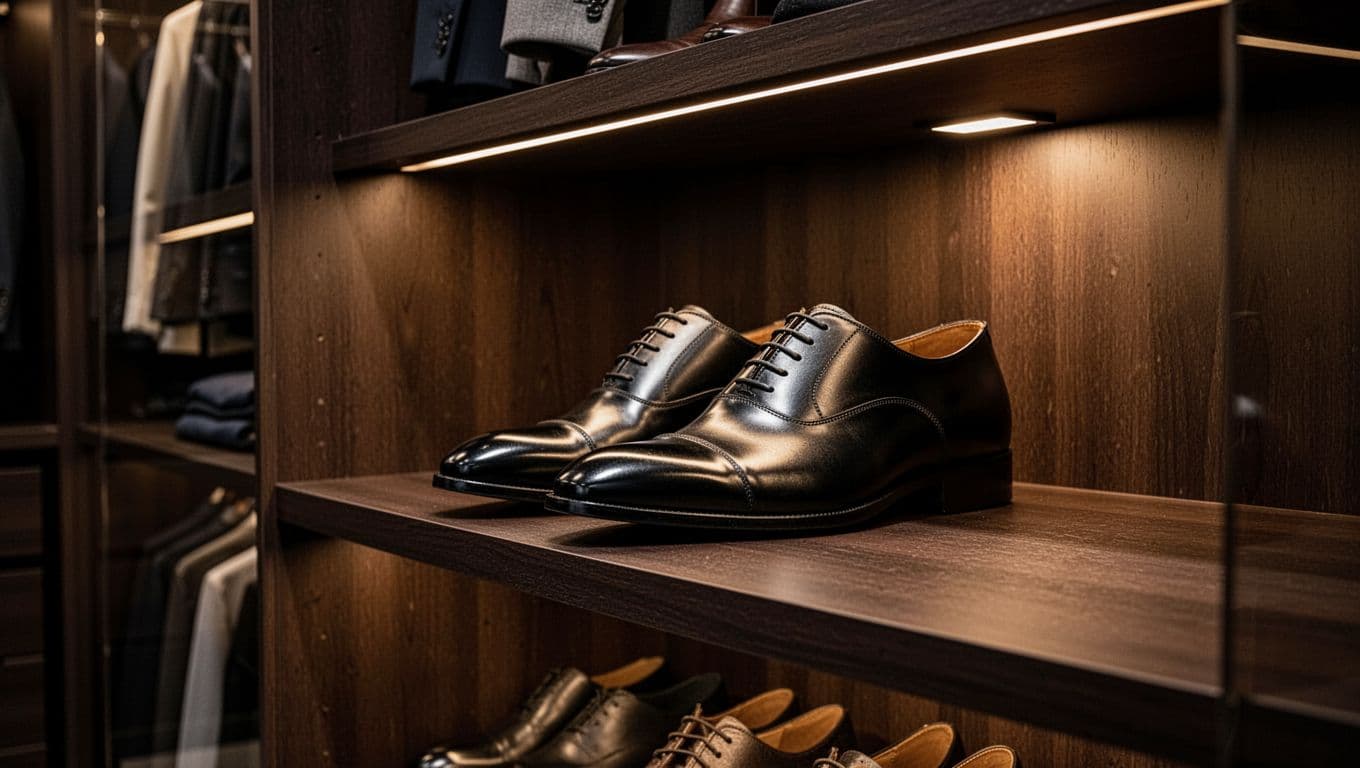
Use this quick guide before you shop:
| Dress code | Best shoe styles | Reliable colors |
|---|---|---|
| Black tie | Patent leather Oxford or formal opera pump | Black |
| Business formal | Cap-toe Oxford or sleek Derby | Black, dark brown |
| Business casual | Loafer, Derby, or refined monk strap | Brown, burgundy, black |
| Wedding guest | Oxford, Derby, loafer, or monk strap | Black, brown, oxblood, tan |
Black tie
Black tie leaves little room for casual details. A tuxedo pairs best with black patent leather Oxfords or highly polished black leather shoes with a clean, minimal design. The toe should look sleek, and the shoe should have little visible decoration.
Avoid chunky soles, brogue perforations, contrast stitching, and heavily textured leather. Black-tie shoes should support the tuxedo rather than compete with its satin lapels.
Business formal
Business-formal offices usually call for black or dark brown leather Oxfords. A cap-toe Oxford is a dependable choice because its closed lacing and restrained shape look sharp with a navy, charcoal, or gray suit.
A plain-toe Oxford also works well. Derbies are suitable when your workplace allows a slightly less conservative appearance, especially if the shoe has a slim profile and polished finish.
Business casual
Business-casual dressing gives you more freedom. Leather loafers, suede loafers, clean Derbies, and monk straps can work with tailored trousers, chinos, knit polos, and unstructured blazers.
Brown and burgundy bring more personality than black. Still, keep the design neat. A casual shoe with a thick lug sole or distressed finish belongs with relaxed clothing, not pressed wool trousers.
Wedding guest attire
Wedding guests should follow the invitation before choosing a shoe. A formal evening wedding usually favors black Oxfords, while a daytime celebration may welcome dark brown, oxblood, or polished tan shoes.
The venue matters too. Leather soles suit an indoor ballroom, but a rubber or hybrid sole gives you better grip at an outdoor garden or coastal event. Choose a refined shape even when the wedding feels relaxed.
Choosing the Right Dress Shoe Style
The shoe's construction changes both its appearance and how it feels on your foot. Small details, such as the lacing pattern or toe shape, can shift a pair from conservative to relaxed.
Oxfords have a closed-lacing design, which gives them a smooth and formal appearance. They are the strongest choice for black-tie events, interviews, formal offices, and traditional weddings. A cap-toe Oxford adds a horizontal seam near the toe, while a plain-toe version looks cleaner and slightly more modern.
Derbies use open lacing, so their side panels sit outside the vamp. This gives the foot more visual openness and often provides extra room across the instep. A slim leather Derby can look formal, but it usually feels less strict than an Oxford.

Photo by Pushpendra Singh
Loafers offer a polished option without laces. Penny loafers and horsebit-style loafers work especially well with business-casual outfits, summer suits, and daytime weddings. A black leather loafer can look elegant, but it rarely replaces a formal Oxford for black tie.
Monk straps close with one or two buckles instead of laces. They add style without becoming flashy, especially in dark brown or burgundy leather. Double monks feel more noticeable, so a single monk strap is easier to wear in conservative offices.
Toe shape also affects formality. Almond and softly rounded toes suit most wardrobes. Very pointed toes can look dated, while square toes often appear bulky with a narrow suit trouser. The best shape follows your foot and keeps the shoe's front proportional to your trousers.
Fit and Comfort Matter More Than Decoration
A beautiful shoe won't help if you dread wearing it. Start by trying dress shoes with the socks you plan to wear, preferably later in the day when your feet have expanded slightly.
Your toes should move freely without touching the front. The widest part of your foot should sit over the shoe's widest point, and the heel should stay mostly in place while you walk. A small amount of movement can happen with new shoes, but pronounced heel lifting usually means the size or shape is wrong.
Pay attention to the toe box. A narrow, pointed shoe may look sleek in a product photo but create pressure during a long wedding reception. A rounded or almond-shaped toe often gives a better balance between elegance and comfort.
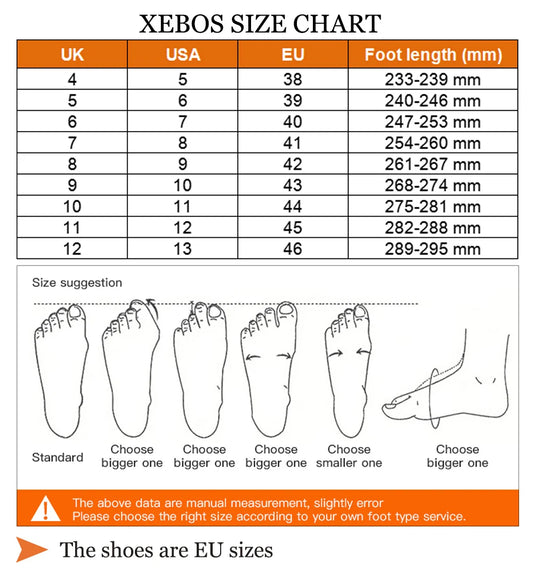
Sizing differs between brands and lasts, so don't assume your usual number will fit every pair. Try both shoes, walk across a hard surface, and bend your feet naturally. If you shop online, review the return policy before removing tags or wearing the shoes outside.
Leather may soften with wear, but it won't correct a short toe box or a badly narrow fit.
Break in new shoes before the event. Wear them indoors for short periods, then extend the time gradually. This helps you identify rubbing at the heel or pressure across the instep while you still have time to exchange the pair.
Cushioning also matters. A leather-lined interior can feel smooth against the foot, while a padded insole may provide more immediate comfort. Neither feature replaces correct sizing, so treat them as additions rather than solutions.
Leather Quality, Construction, and Sole Choice
Leather quality affects how a shoe looks, ages, and responds to care. Smooth leather is the easiest choice for formal wear because it takes polish well and pairs with tailored clothing.
Full-grain leather keeps the natural grain of the hide. Top-grain leather receives more surface treatment, which can create a more even appearance. Corrected-grain leather has additional finishing that may hide natural marks. These terms can help you compare products, but the finish, stitching, lining, and overall construction matter too.
The phrase "genuine leather" confirms that the shoe contains leather, but it doesn't describe a single quality level. Check the product details for the upper material, lining, insole, and sole. A clean finish and strong stitching are better signs than a glossy surface alone.
Sole choice should reflect how you plan to wear the shoes. Leather soles look refined and work well for indoor formal settings. They can feel slippery on wet pavement, especially when new. Rubber soles offer more grip and handle daily commuting better, although a thick rubber tread can look too casual with a tuxedo.
A slim rubber or hybrid sole often gives office shoes a practical middle ground. Welted construction can make future resoling easier, while Blake-stitched shoes often feel flexible and close to the foot. Cemented shoes can be lighter and more affordable, but replacement options depend on the design and materials.
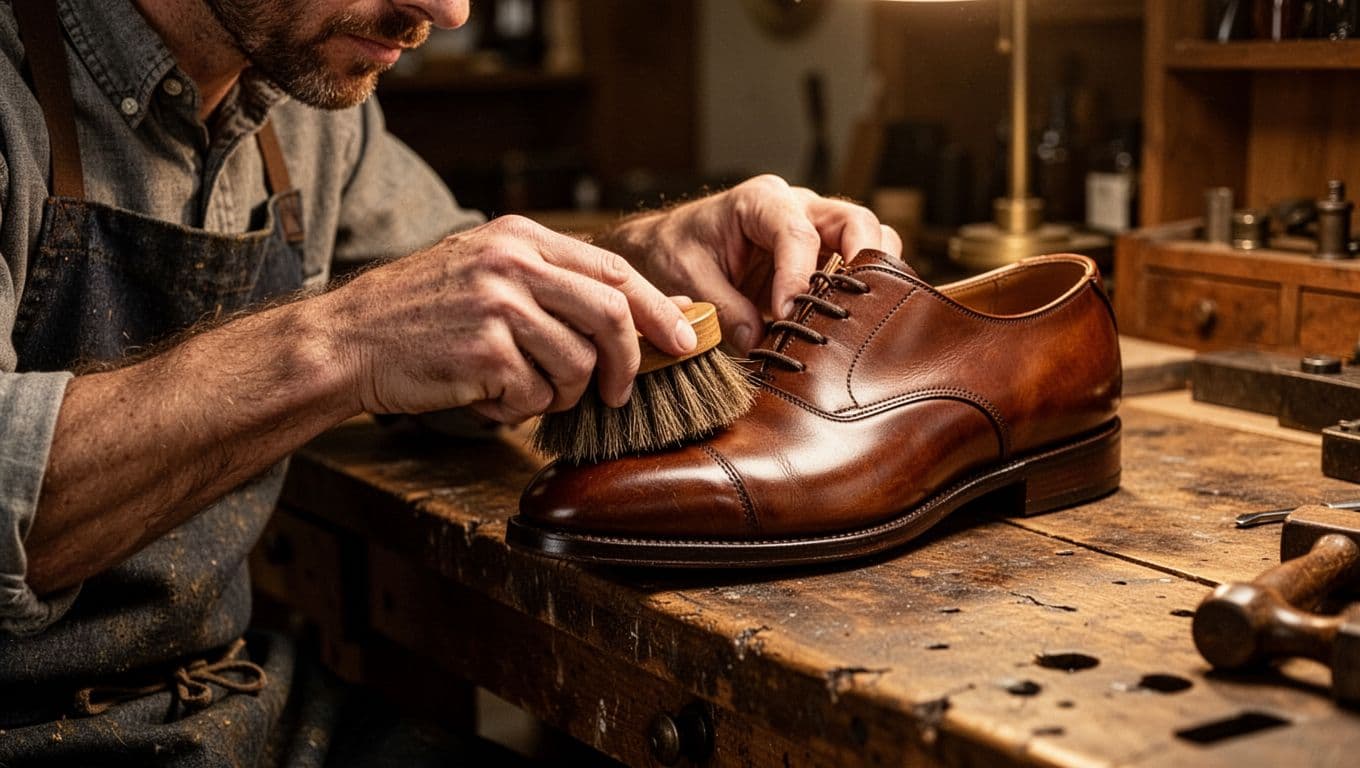
Care keeps good leather looking presentable. Brush away dust after wearing the shoes, use a matching cream or polish when the finish looks dull, and let the pair dry naturally after exposure to rain. Never place wet leather directly against a radiator or strong heat.
Shop Men's Shoes
-
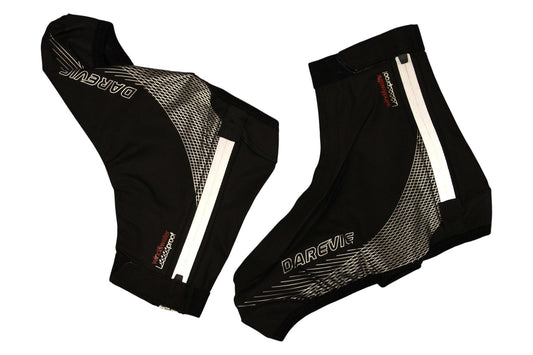
Darevie, Wind and Waterproof Cycling, Waterproof, Textile Shoe Covers, For Men
Regular price $33.78 USDRegular price -
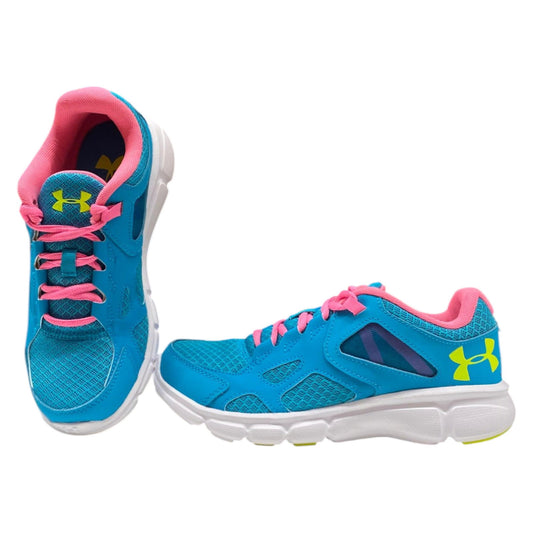
Under Armour, Thrill, Running, Sport Shoes, Blue/PinK/Yellow, For Men, 4/38
Regular price $146.16 USDRegular price -
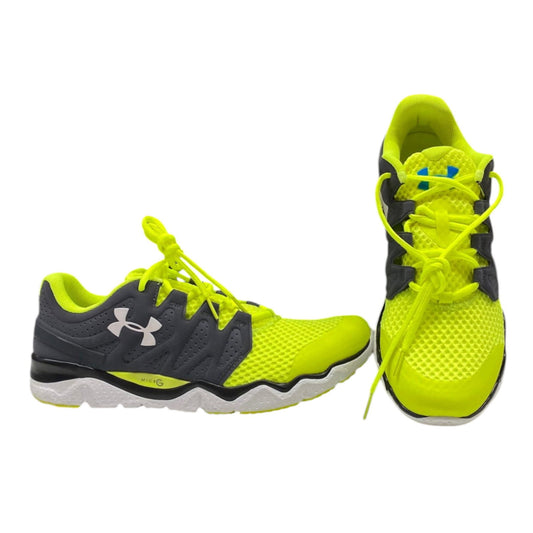
Under Armour, Micro G Optimum, Sport Shoes, Grey/Neon, For Men
Regular price $136.43 USDRegular price -
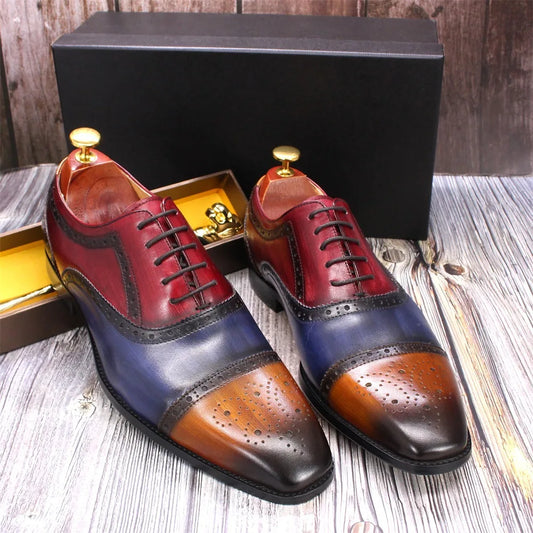
Luxury Designer Men's Genuine Leather Sneakers | Hand-Painted Trendy Double Color Crocodile Print Casual Shoes | Classic France Oxford Brogue Men's Luxury Trainers | Premium Lace-Up Breathable Adult Footwear Model S02739
Regular price $257.00 USDRegular price$294.00 USDSale price $257.00 USDSale -
Men's Casual Leather Skateboarding Shoes | Sophisticated Genuine Leather Panel Detail | Elegant "Top Quality" Printed Walking Shoes | "Dignified" All-Season Rubber Sole Oxfords for Radiant Versatile Styling
Regular price $200.00 USDRegular price$240.00 USDSale price $200.00 USDSale -
Men's Genuine Cow Leather Knitting Loafers | Sophisticated European Big Size 39–46 | Elegant "New Business" Quality Shoes | "Dignified" Breathable Sports Work Casuals for Radiant Versatile Styling
Regular price $447.00 USDRegular price$0.00 USDSale price $447.00 USD -
Men's Genuine Leather Formal Loafers | Sophisticated Handmade Pointed Toe Design | Elegant "Hard-Wearing" Business Casual Slip-Ons | "Dignified" All-Season Dress Shoes for Radiant Versatile Styling
Regular price $175.00 USDRegular price$210.00 USDSale price $175.00 USDSale -
New Model Hand-Polished Carved Oxfords | Sophisticated Genuine Cowhide Business Formal | Elegant "Hard-Wearing" Lace-Up Men's Shoes | "Dignified" All-Season Round Toe Footwear for Radiant Versatile Styling
Regular price $203.00 USDRegular price$232.00 USDSale price $203.00 USDSale






Matching Shoe Colors With Suits
Black shoes create the most formal appearance. Wear them with black, charcoal, and navy suits when you want a conservative, polished result. They also make the safest choice for formal evening weddings and important office meetings.
Dark brown shoes work especially well with navy and medium-gray tailoring. They feel less severe than black while remaining professional. Oxblood adds depth without looking loud, making it useful for weddings, dinners, and offices with a flexible dress code.
Tan and lighter brown shoes suit daytime outfits, warm weather, and lighter tailoring. Pair them with light gray, blue, beige, or navy clothing. Their relaxed appearance makes them a poor match for black tie and strict business formal settings.
Your belt should stay close to the shoe color. It doesn't need to match perfectly, but a black belt with dark brown shoes creates a distracting break. Socks can echo the trousers, shoe, or a subtle accent in the outfit without drawing attention away from the suit.
Building a Practical Shoe Rotation
One pair rarely covers black tie, business formal, business casual, and every wedding setting. A small rotation gives each shoe a clear job.
Start with black leather Oxfords if you attend formal meetings or evening events. Add dark brown Derbies or Oxfords for navy and gray suits, then consider loafers for business-casual days and daytime celebrations.
Buy wedding shoes early enough to test them indoors and exchange them if necessary. Walk, sit, and climb stairs in the full outfit. Trousers that look correct while standing may expose too much shoe when you sit, and a heel that feels fine for ten minutes may rub after an hour.
At home, use shoe trees to help the leather retain its shape and absorb moisture. Rotate pairs when possible, since allowing shoes to rest between wears helps them dry and keeps the uppers looking cleaner. Store them away from direct heat and wipe off dirt before it settles into the finish.
Conclusion
The best men's dress shoes match the dress code, suit color, setting, and hours you expect to spend on your feet. Choose polished Oxfords for black tie and business formal occasions, then use Derbies, loafers, or monk straps when the outfit allows more flexibility.
Prioritize a comfortable toe shape, sound leather, and a sole suited to the venue. When the shoe fits well and the formality feels right, your outfit looks intentional before anyone notices the details.