

Protect Wig During Exercise: A Practical Care Routine
Sweat, friction, heat, and repeated movement can make a good wig harder to manage. A simple plan to protect wig during exercise can help reduce slipping, tangling, frizz, odor, and moisture buildup without forcing you to give up regular workouts.
The best routine starts before training. Choose a secure, low-friction setup, manage sweat while you exercise, then dry your scalp and wig fully before storing or wearing the unit again.
Before Your Workout: Build a Sweat-Aware Setup
Your wig will handle exercise better when the fit, cap, and hairstyle work together. Preparation also reduces the need to tighten the wig or touch it repeatedly during your workout.
Choose a secure, comfortable fit
Start with a wig that sits firmly without creating pressure around the hairline. Adjustable straps, combs, and wig grips can help, but avoid tightening them so much that they pull on your natural hair or irritate your scalp.
A breathable wig cap can create a clean barrier between your scalp and the wig. For workouts, look for a lightweight cap made with breathable material. A moisture-wicking barrier may also help move perspiration away from the hairline, but it still needs to be removed and dried after training.
Glueless styles are often practical for exercise because they reduce adhesive buildup and make it easier to remove the unit after sweating. For example, a glueless body wave human hair wig can be secured with its built-in structure instead of relying on heavy glue.
Adhesive can work for some wearers, but choose a product designed for wig use and follow its application instructions. Sweat may weaken some adhesives, while repeated removal can irritate the skin. If your hairline feels sore, itchy, or tender, switch to a lower-tension alternative.
Keep the style low-friction
Long, loose hair creates more movement during running, cycling, or strength training. That movement can lead to tangles and rubbing against clothing.
A low ponytail, loose braid, or softly secured bun can reduce friction. Keep the style loose enough to avoid tension, especially around the lace and perimeter. Soft scrunchies are usually gentler than tight elastic bands.
Avoid brushing a wig aggressively before exercise. Detangle the ends first, then work upward with a wide-tooth comb or a brush made for the wig fiber. Curly and wavy units need extra care because repeated brushing can disturb the pattern and increase frizz.

During Exercise: Reduce Sweat and Friction
You don't need to adjust your wig every few minutes. In fact, frequent touching can move the unit, transfer oil, and disturb the hairline.
Pat sweat instead of rubbing
Keep a clean, soft towel nearby and gently pat sweat from your forehead, neck, and hairline. The American Academy of Dermatology's workout guidance recommends using a clean towel to pat sweat from the skin rather than rubbing it harshly.
Try not to drag the towel across lace, edges, or baby hairs. Rubbing can create friction and lift delicate sections. If sweat collects beneath the wig, pause in a cool area and blot the exposed skin carefully instead of pushing the towel under the unit while it is attached.
A headband can help absorb perspiration, but choose one that feels secure without compressing the hairline. Wide, soft fabric is usually more comfortable than a narrow band that creates a tight pressure point.
Adjust the workout when needed
Heat and humidity can increase moisture under the cap. If the wig feels hot, tight, or unstable, reduce the intensity or take a short break. Staying in damp conditions for a long time can leave the scalp and cap wet, which may contribute to odor or discomfort.
Keep water and towels separate from the wig when possible. A water bottle that leaks onto the hair can create unnecessary moisture, especially for synthetic fibers that may hold their shape differently after becoming wet.
Avoid wearing a heavy or very long unit for high-impact activity if it repeatedly pulls backward. A shorter style or a secure glueless design may create less movement. The ready-to-wear straight glueless wig is one example of a construction that doesn't require adhesive for its basic fit.
After Exercise: Dry the Wig and Scalp Completely
Post-workout drying matters as much as the preparation. Don't leave a damp wig covered by a cap or stored in a gym bag.
Separate scalp drying from wig drying
Remove the wig as soon as practical after training. Then remove the wig cap and allow your scalp to dry in a clean, ventilated space. Gently pat the scalp with a clean towel rather than scratching or rubbing the skin.
The American Academy of Dermatology recommends applying shampoo to the scalp when washing natural hair, not scrubbing the full hair length. Its healthy hair guidance is intended for scalp and hair care, so don't treat it as a complete washing method for wig fibers. Still, it reinforces the need to clean the scalp separately from the wig.
Never put a damp wig back on your head for hours. Prolonged moisture can encourage unpleasant smells, make the cap feel uncomfortable, and leave the hair more likely to tangle.
Air-dry the wig with support
Place the wig on a suitable wig stand or drying rack in a well-ventilated room. Keep it away from direct sunlight, radiators, and high heat unless the manufacturer specifically allows a particular styling method.
Don't pile the wet hair into a bag or closed container. Avoid brushing aggressively while the fibers are wet. Instead, use your fingers to arrange the hair gently, then let the unit dry in its natural shape.
The Wig Company advises avoiding a Styrofoam head when a wet human-hair wig is air-drying because the material may not provide the right support. Its care guidance also recommends washing and conditioning a human-hair wig every 6 to 8 wears, although your exercise frequency and the manufacturer's instructions may call for a different schedule.

Wash According to the Wig Fiber
Synthetic and human-hair wigs don't respond to products, water temperature, or heat in exactly the same way. Check the label or care guide before washing, especially if the wig has heat-friendly synthetic fibers, delicate lace, or a specialty finish.
Synthetic wigs need gentle handling
Synthetic fibers can lose their shape or become damaged by high heat. Use cool or cold water unless the manufacturer gives different instructions. Choose shampoo made for synthetic wigs rather than ordinary shampoo formulated for natural hair.
Headcovers' synthetic wig care instructions recommend adding 1 tablespoon of wig shampoo to cold water, submerging the wig, and agitating it gently for about 1 minute. The instructions also warn against rubbing or scrubbing. Afterward, rinse with cold water until the water runs clear.
Cleveland Clinic's wig care guidance gives a different source-specific measurement, recommending a basin of cool water with 1 capful of shampoo designed for synthetic wigs. Since washing directions vary, follow the product's instructions first rather than combining methods.
Pay attention to the inside of the cap and hairline, where sweat and oil can collect. Clean those areas gently, then allow the entire unit to dry before styling or storing it.
Human-hair wigs need moisture and controlled heat
Human-hair wigs can usually be washed and conditioned more like natural hair, but they still need careful treatment. Use products made for human-hair wigs when possible, and don't assume that every household shampoo or conditioner is suitable for the construction.
After rinsing, press out excess water with a towel. Don't twist, wring, or scrub the hair. Detangle from the ends upward, using a suitable wide-tooth comb.
High heat can dry human hair and affect lace, knots, or adhesives. Some manufacturer instructions may allow controlled blow-drying, while others recommend air-drying. Follow the care instructions supplied with your wig, including any guidance about heat tools, conditioning, and drying positions.
Exercise more often may mean washing more often than a person who wears the wig occasionally. However, frequent washing can also increase wear, so use the lightest cleaning routine that removes sweat and buildup without soaking the unit unnecessarily.
Shop Glueless Wigs
-
"Put On & Go" Straight Bob Wig | Easy Wear Human Hair with Bangs & Realistic Scalp
Regular price From $111.00 USDRegular price$133.00 USDSale price From $111.00 USDSale -
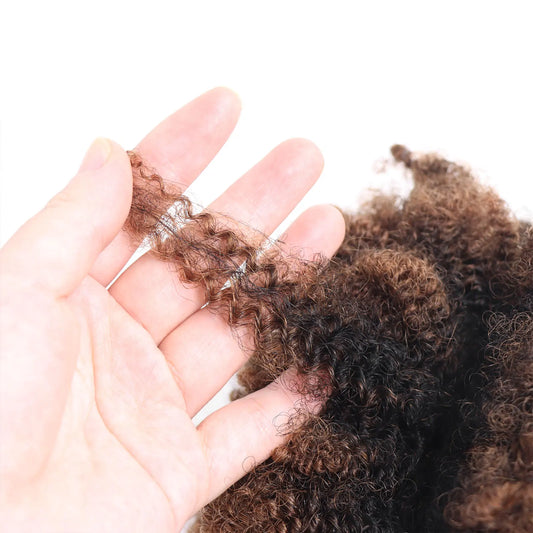
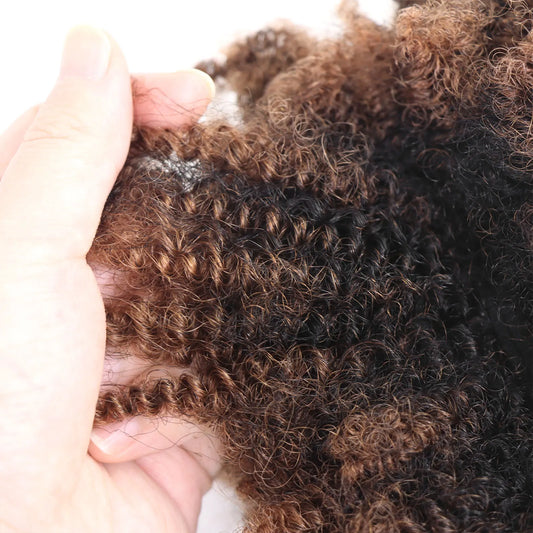
#30-#1-#30 Ombre Brown Afro Kinky Curly Bulk Human Hair | 50g Brazilian Crochet Braiding Hair Extensions (No Weft)
Regular price From $118.00 USDRegular price$0.00 USDSale price From $118.00 USD -
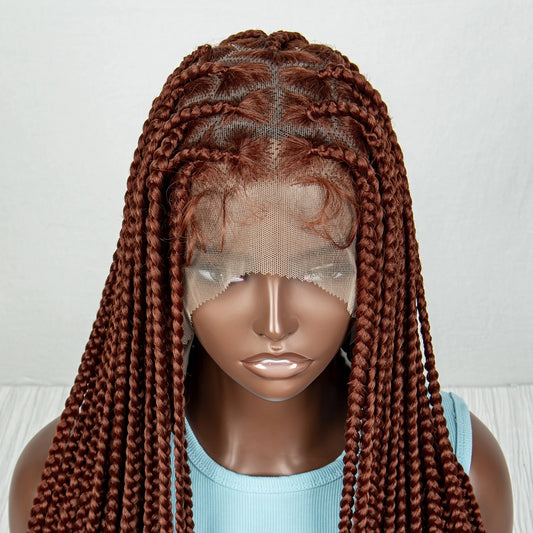
#350 Knotless Box Braids Wig | Short Lace Frontal Bob | Dark Ombre Ginger
Regular price $262.50 USDRegular price$0.00 USDSale price $262.50 USD -
#4 Brown Pixie Short Cut Wig with Bangs | Straight Human Hair Full Machine Made
Regular price $112.00 USDRegular price$168.00 USDSale price $112.00 USDSale -
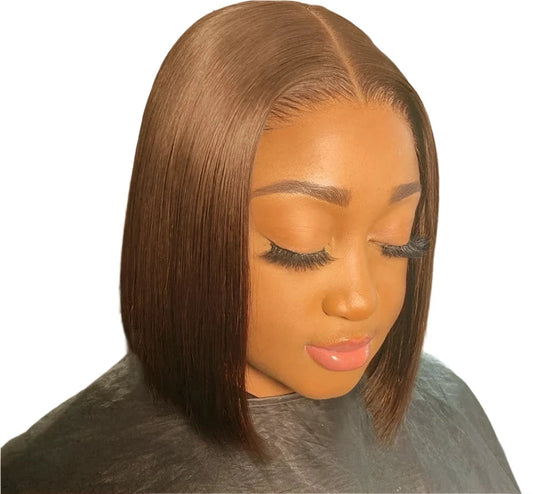
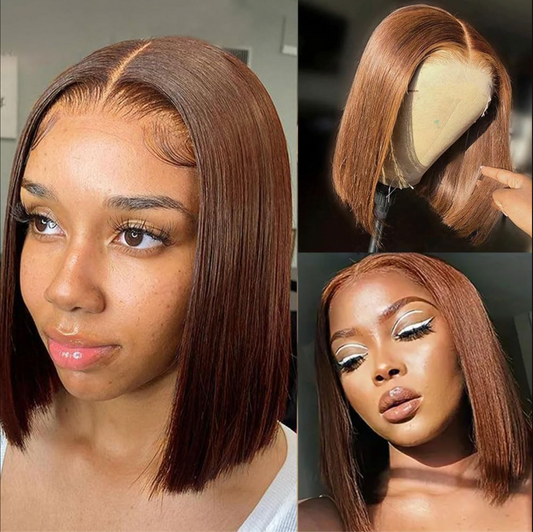
#4 Chocolate Brown Bob Wig | Glueless | Ready To Wear | Brazilian Hair | Human Hair | Straight | Invisible | Closure Wigs For Women
Regular price From $151.00 USDRegular price$172.00 USDSale price From $151.00 USDSale -
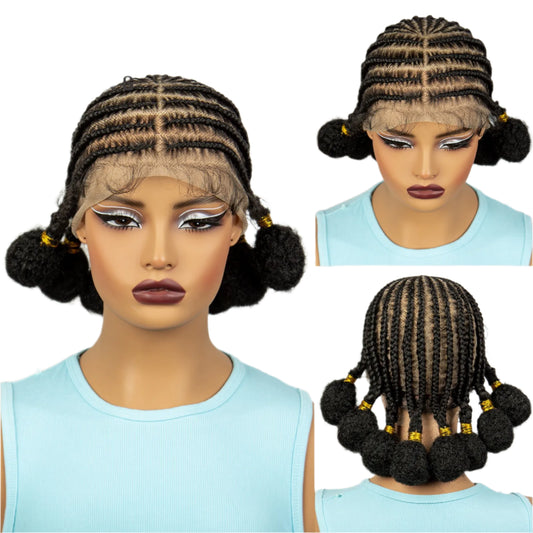
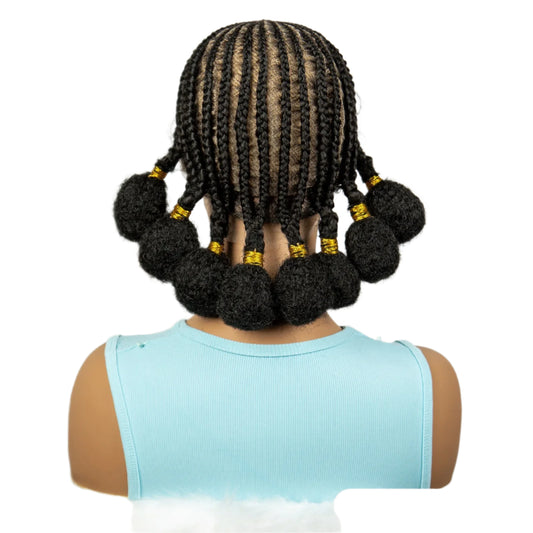
10 Inch Natural Cornrow Braids Full Lace Wig | Transparent Synthetic Braiding Hair with Baby Hair
Regular price $235.00 USDRegular price$268.00 USDSale price $235.00 USDSale -
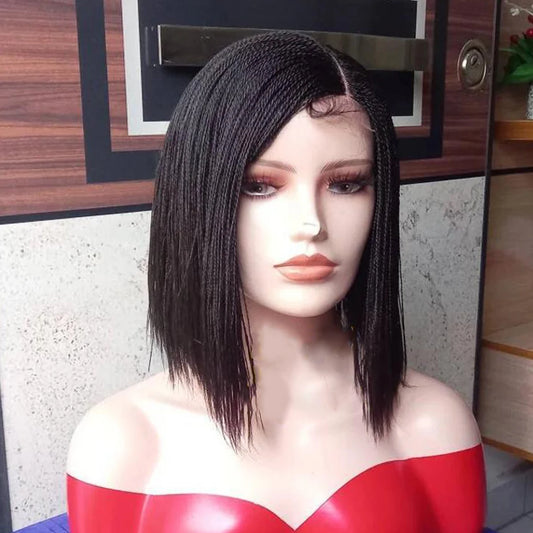
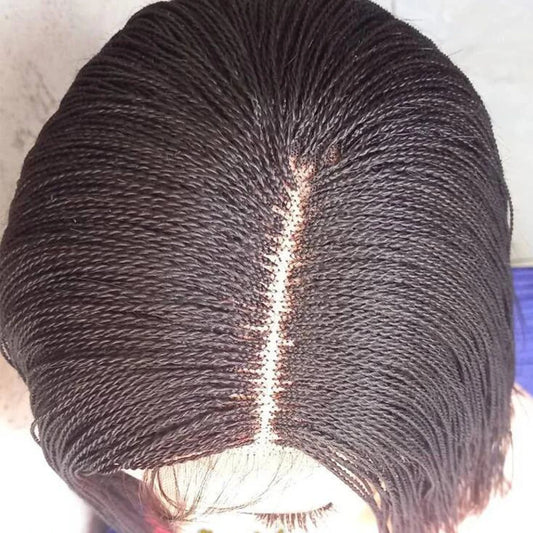
10 Inch Short Micro Twisted Wig - 2x4 Closure Braided Wig for Black Women - Micro Million Braid Wig - Synthetic Knotless Braids
Regular price $288.00 USDRegular price$0.00 USDSale price $288.00 USD -
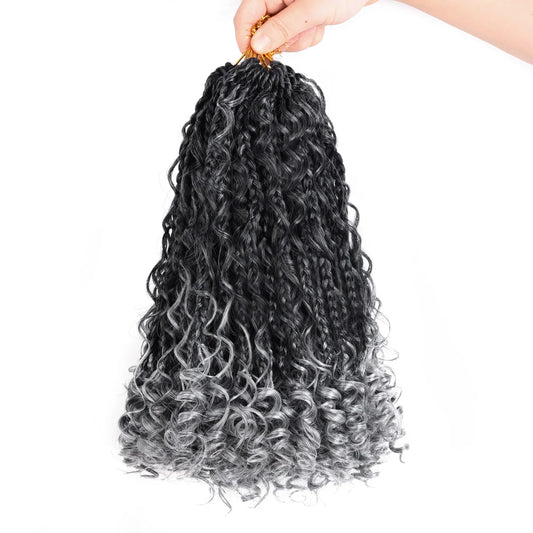
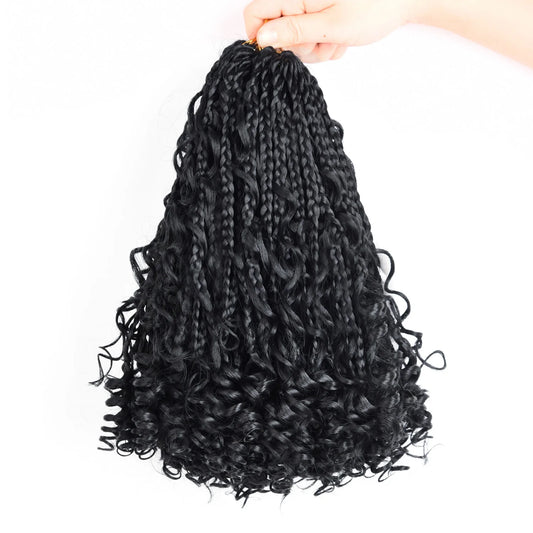
10" Bob Goddess Box Braids Crochet Hair | Boho Braids with Curls
Regular price $16.00 USDRegular price$24.00 USDSale price $16.00 USDSale



Protect the Hairline, Lace, and Natural Hair
Sweat isn't the only source of damage. Tension, friction, and repeated attachment can affect both the wig and the hair underneath.
Limit tension around the edges
Avoid tight braids, slicked-back styles, or a wig grip that presses hard against the same section every day. Rotate your part or workout hairstyle when possible, and give your scalp regular breaks from adhesive and compression.
If you experience persistent pain, redness, scaling, or hair thinning, stop using the product that may be causing irritation and speak with a dermatologist. A wig routine shouldn't cause ongoing scalp discomfort.
Store the unit only when it's dry
Once the wig and scalp are fully dry, place the unit on a clean stand or store it in a breathable container. Keep it away from damp towels, sweaty clothing, and direct heat.
Brush or finger-detangle the hair only after it has dried and only as much as needed. For a curly unit, reshape the curls with your fingers instead of pulling a brush through the full length. A satin or silk storage bag can reduce friction, but it won't replace proper drying.
Key Takeaways
- Use a breathable wig cap or moisture-wicking barrier under the unit.
- Choose a comfortable fit that stays secure without excessive tension.
- Wear low-friction styles such as a loose braid or soft ponytail.
- Pat sweat with a clean towel instead of rubbing the hairline.
- Remove the wig after training and dry your scalp separately.
- Air-dry the wig on an appropriate stand in a ventilated room.
- Wash according to the fiber type and the manufacturer's care instructions.
- Keep synthetic wigs away from unauthorized high heat.
- Never store or rewear a damp wig.
FAQ: Exercising in a Wig
Can I work out in a lace-front wig?
Yes, you can exercise in a lace-front wig if the fit feels secure and comfortable. Choose a low-tension method that suits your skin and hairline. A glueless unit may be easier to remove after a sweaty session, while adhesive may work for some wearers when applied according to the product instructions.
Avoid high-impact movement if the wig repeatedly shifts or pulls at the lace. A shorter style, breathable cap, soft headband, or lower-intensity workout may provide better control.
Should I wash my wig after every workout?
Not always. The right schedule depends on sweat levels, the wig fiber, the cap construction, and the manufacturer's instructions. If the wig becomes visibly damp, develops odor, or collects noticeable product and oil buildup, it may need cleaning sooner.
For human-hair wigs, The Wig Company recommends washing and conditioning every 6 to 8 wears. That schedule isn't universal, especially for frequent workouts or synthetic units. Dry the wig fully after every workout, even when you don't wash it.
Can I use a hair dryer to dry my wig?
Only if the wig's care instructions allow it. High heat can damage synthetic fibers and may affect human-hair texture, lace, knots, or adhesives. When air-drying is recommended, use a ventilated room and a suitable wig stand.
If controlled heat is permitted, use the temperature and distance specified by the manufacturer. Keep the dryer moving rather than concentrating hot air on one section.
Conclusion
Protecting a wig during exercise depends on controlling moisture, friction, heat, and tension at each stage. Start with a breathable, secure setup, keep sweat from rubbing into the hairline, and remove the wig promptly after training.
Most importantly, let both your scalp and wig dry completely before you wear or store them. A consistent drying routine does more for long-term wig care than trying to cover up sweat with extra products.