

When to Replace an Everyday Wig: Signs to Check
An everyday wig can become part of your routine, so replacement isn't always obvious. If you're wondering when to replace everyday wig hair, start with the unit's condition rather than a fixed calendar date.
The right timing depends on the material, construction, frequency of wear, washing routine, styling habits, and storage. A well-maintained wig may last much longer than one worn daily, exposed to friction, or styled with excessive heat. These signs can help you decide whether your current unit needs care, repair, or replacement.
When to replace everyday wig hair
There isn't one replacement schedule that suits every wig. Instead, inspect the hair, lace, cap, and fit regularly. A unit that still looks natural and feels comfortable may have plenty of wear left, while another may need replacing sooner because its most visible areas have deteriorated.

The hair stays tangled after careful detangling
Some tangling is manageable, especially with long hair or textured styles. However, persistent knots that return soon after gentle detangling suggest that the fibers or cuticles have suffered wear.
Pay close attention to the nape and ends. These areas rub against clothing and your neck throughout the day. If the hair feels rough, mats easily, or catches on a wide-tooth comb, washing may provide only temporary improvement.
The finish looks dull, frizzy, or uneven
A tired finish is another practical replacement sign. Human hair can lose its smooth appearance after repeated washing, coloring, heat styling, or poor storage. Synthetic fiber may develop frizz, stiffness, or an unnatural shine after heavy use.
Try the care routine recommended for the wig before making a decision. If the surface still looks uneven after cleaning and gentle styling, the unit may no longer deliver the polished appearance you expect.
The lace, cap, or fit has changed
Inspect the hairline in bright natural light. Torn lace, stretched openings, visible knots, and thinning around the part can make a wig harder to wear confidently.
The cap also matters. Loose straps, weakened seams, or a shape that no longer sits securely can affect comfort and appearance. A slight fit adjustment may help, but structural damage usually makes replacement more practical.
Human hair and synthetic wig wear
Material changes how a wig responds to styling, washing, friction, and heat. Construction matters too. A lace-front, closure, glueless, or hand-tied unit may show wear in different places.
| Wig feature | Areas to inspect | Practical replacement clue |
|---|---|---|
| Human hair | Ends, part, lace, and density | Hair remains dry, sparse, or difficult to restore |
| Standard synthetic fiber | Frizz, shine, tangling, and shape | Style no longer returns after proper care |
| Heat-resistant synthetic fiber | Ends, nape, and areas touching clothing | Friction or heat creates repeated tangling and frizz |
| Lace-front or closure | Hairline, part, and lace edge | Damage stays visible during normal wear |
| Glueless construction | Cap, straps, combs, and fit | Unit slips or feels unstable despite adjustment |
This table offers inspection points, not fixed lifespans. A carefully stored wig with moderate wear can outlast a heavily used unit made from the same material.
Why fiber type changes the care routine
Human hair wigs can be washed and styled, but the hair has still been removed from its original growing environment. It needs a gentler routine than hair attached to the scalp. Jon Renau's human hair care guide covers washing, styling, restoring, tangling, and shedding linked to improper care.
Synthetic wigs need products made for synthetic fibers. The wrong products or too much heat can affect the texture and finish. Jon Renau describes synthetic-specific care as a way to support the life expectancy of synthetic hairpieces.
What heat-resistant synthetic fiber requires
Heat-resistant synthetic fiber is designed to tolerate selected styling temperatures, but that doesn't make it immune to damage. Jon Renau notes that heat-defiant fiber can tangle and frizz because of friction from clothing and heat from the body.
The nape is often the first place to check. If the hair there feels rough or forms a dense knot each day, reduce friction with smooth clothing and careful brushing. When the problem continues, replacing the unit may save time and frustration.
Replace or repair your everyday wig?
A worn wig doesn't always need immediate replacement. Sometimes a professional trim, deep cleaning, or cap adjustment restores enough comfort and shape for continued use. The key is to separate surface problems from damage that affects the unit's structure.
When washing and careful styling may help
Start with the manufacturer's care directions. Remove tangles slowly, support the cap while brushing, and let the wig dry fully in its intended shape. Avoid pulling through knots, since force can increase shedding and stress the lace.
For synthetic units, Jon Renau recommends using your fingers or a wig brush or comb for styling and advises against blow-drying. Its synthetic hair care and styling tips provide more detail on keeping the style intact.
A professional stylist may also trim split-looking ends, reshape a fringe, or refresh a tired cut. These options make sense when the cap remains secure and the hairline still looks natural.
When continued care is no longer practical
Replacement makes more sense when several problems appear together. For example, severe tangling, visible lace damage, shedding, poor fit, and a dull finish may indicate that the unit has reached the end of its useful wear.
Comfort deserves equal attention. A cap that causes persistent pressure, slipping, or irritation shouldn't be forced into daily service. If you rely on the wig for work, errands, or regular social plans, dependable fit matters as much as appearance.
A repair can improve the surface of a wig, but it can't restore lace or fibers that have lost their structure.
When you replace everyday wig hair, consider what caused the previous unit to wear out. That answer can guide your next choice more effectively than choosing only by length or color.
Choose a replacement that suits your routine
Your next wig should match how often you wear it and how much styling you expect to do. A low-maintenance wearer may prefer a simple synthetic style, while someone who changes parting, texture, or color may value human hair.
Match construction to daily convenience
Glueless designs can reduce installation time, but they still need the correct cap fit and careful handling. Luxegan's ready-to-wear straight glueless wig features a pre-cut, pre-plucked 6x4 lace closure and 180% density. Those details suit someone who wants a ready-to-wear option with less customization.
A lace-front unit may offer more styling flexibility, but its lace and hairline need regular inspection. For example, Luxegan's glueless body wave human hair wig includes 13x4, 13x6, and 360 lace construction options. Select a construction that supports how you part and wear your hair.
Consider length, density, and texture
Longer hair usually contacts clothing more often, particularly at the shoulders and nape. Curly and wavy textures can also need different detangling methods than straight styles.
A shorter, moderate-density style may be easier for frequent wear. If you prefer long hair or fuller density, plan for more careful storage and gentler handling. Luxegan's long black synthetic lace front wig is a specific Futura option with a 13x4 lace frontal and 150% density. Product specifications like these help you compare the unit with your daily needs.
Shop Wigs
-
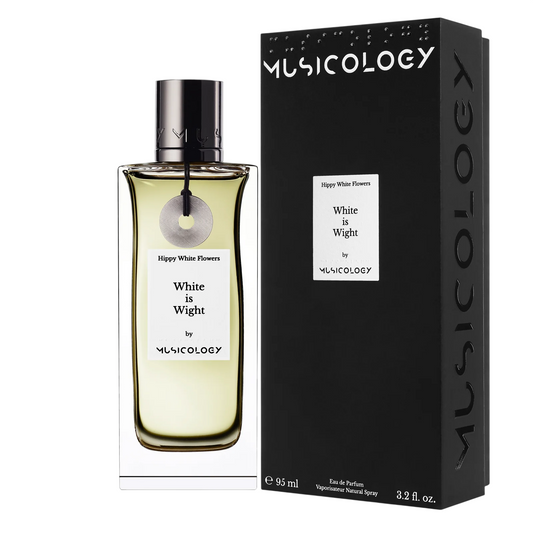
Musicology, White Is Wight, Eau De Parfum, Unisex, 95 ml
Regular price $404.33 USDRegular price -
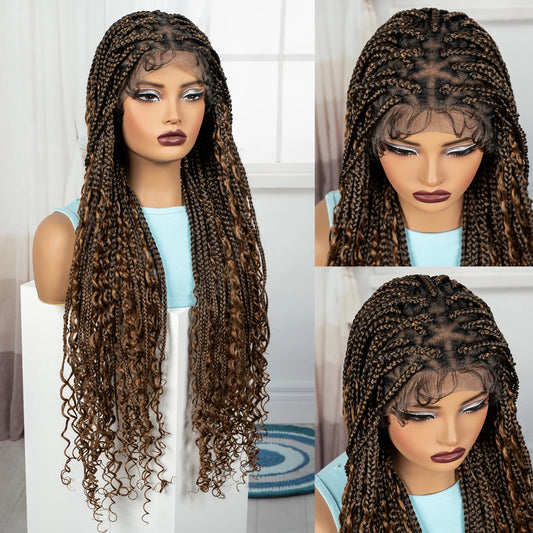
36 Inch Knotless Box Braided Wig with Curly Ends | Full Lace Boho Braided Wig | 5 Colors
Regular price $163.00 USDRegular price$186.00 USDSale price $163.00 USDSale -
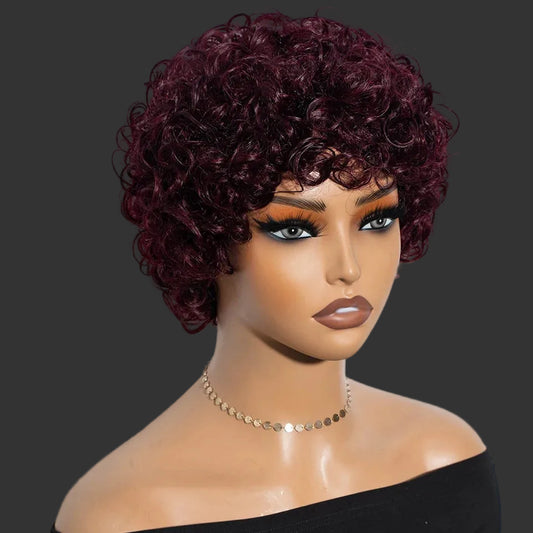
Jerry Curly Human Hair Wig – Short Pixie Afro Kinky Curly Wig with Bangs
Regular price $101.00 USDRegular price$135.00 USDSale price $101.00 USDSale -
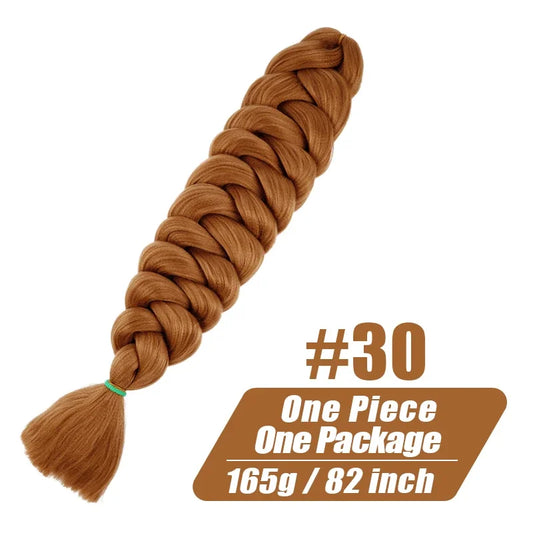
Wigundle Kanekalon Pre-Stretched Crochet Braiding Hair Extensions – Jumbo Braids for Women
Regular price From $105.00 USDRegular price$133.00 USDSale price From $105.00 USDSale -
Short Water Wave Curly Bob Human Hair Wig 10in – Glueless Brazilian Remy Wig | Brown, Black, Red & Blonde
Regular price From $114.00 USDRegular price$136.00 USDSale price From $114.00 USDSale -
Pixie Cut Wig for Black Women – Straight Remy Human Hair | Short 6in | Bangs | Machine Made
Regular price From $103.00 USDRegular price$123.00 USDSale price From $103.00 USDSale -
Short Pixie Afro Kinky Curly Wig for Black Women – Glueless Brazilian Remy Human Hair | Bob with Bangs
Regular price From $95.00 USDRegular price$126.00 USDSale price From $95.00 USDSale -
Highlight P4/30/27 Brazilian Straight Human Hair Wig with Bangs – 100% Remy | Full Machine Made | 16–28 Inch
Regular price From $162.00 USDRegular price$185.00 USDSale price From $162.00 USDSale









How to make your everyday wig last longer
Good care won't make a wig permanent, but it can reduce avoidable wear. Small habits matter most at the points that receive repeated friction, tension, and heat.
Use the right tools and products
Detangle from the ends upward instead of dragging a brush from the crown to the tips. A wide-tooth comb or wig brush can help, depending on the texture and manufacturer's instructions.
Wash only when the wig needs it, and use products designed for its fiber type. Human hair and synthetic hair don't respond identically to cleansers, conditioners, or heat. Avoid applying heavy oils near lace, since buildup can affect the hairline and make cleaning more difficult.
Heat should be controlled carefully. Even human hair can become dry after repeated hot-tool use, while synthetic fibers may lose their intended shape. Heat-resistant synthetic hair still needs the temperature limits recommended for that particular unit.
Store the wig in its natural shape
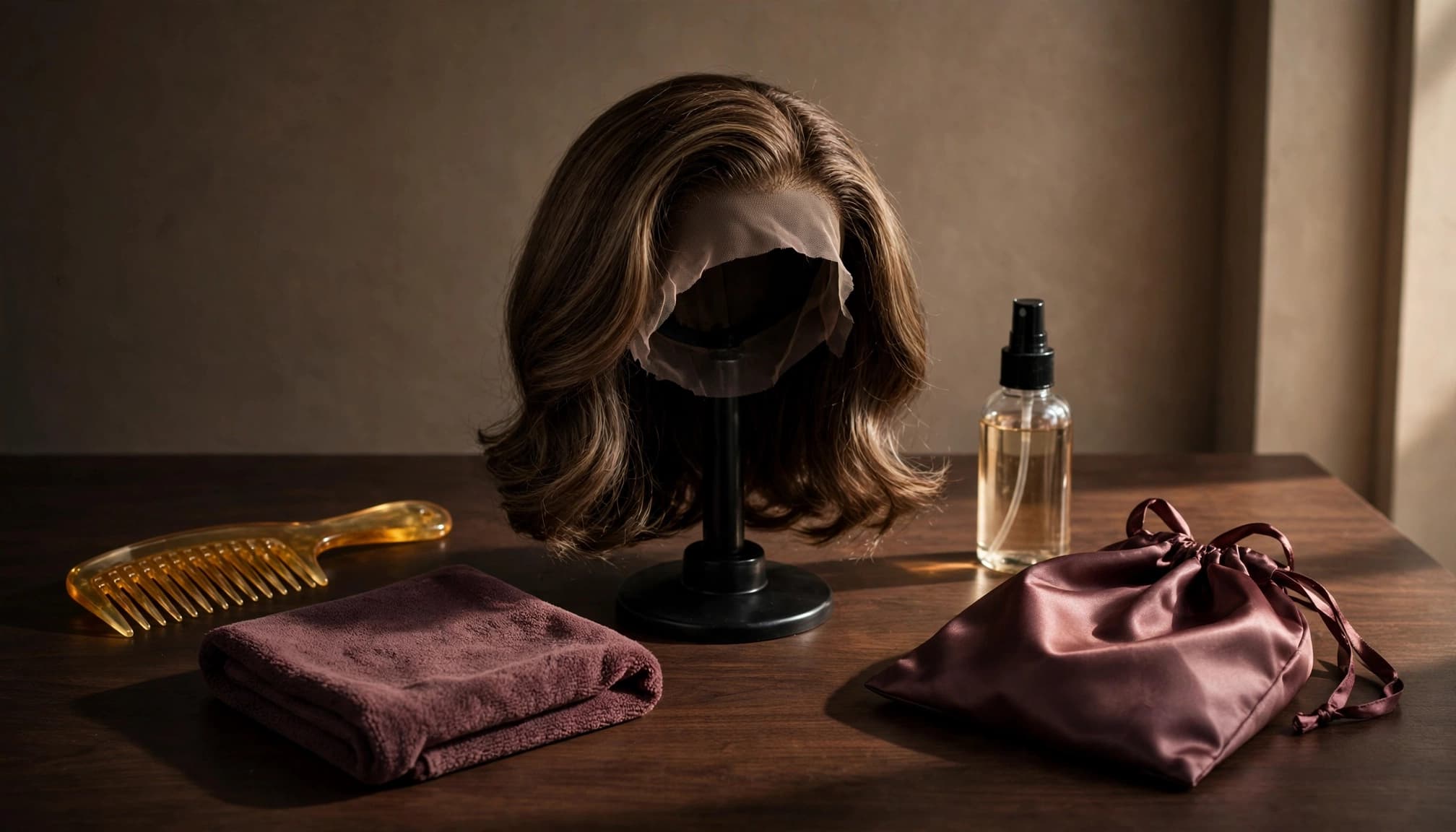
Before storage, remove tangles and allow the wig to dry completely. Place it on a wig stand or lay it in a way that doesn't crush the crown, part, curls, or lace.
Keep it away from direct sunlight, moisture, pets, and crowded drawers. A satin bag or smooth protective covering can reduce dust and friction. Don't store a damp wig, since trapped moisture can create odor and affect the cap.
If you rotate between two units, each wig gets more time to air out and recover its shape. That simple change can reduce the daily pressure placed on one cap and one hairline.
Key takeaways
- Replacement timing depends on material, construction, wear frequency, washing, styling, and care.
- Persistent tangling, rough ends, dullness, shedding, lace damage, or poor fit deserve inspection.
- Try proper cleaning, gentle detangling, a trim, or a cap adjustment before replacing a unit with minor surface wear.
- Replace the wig when damage affects its appearance, comfort, security, or ability to hold a style.
- A well-maintained everyday wig may last longer than one worn heavily without rotation or protection.
- Choose the next unit based on your routine, preferred texture, installation time, and styling needs.
Everyday wig replacement FAQ
How often should an everyday wig be replaced?
There is no reliable universal schedule. A wig worn several times a week and styled often may show wear sooner than one worn occasionally and stored carefully.
Inspect it every few weeks, especially around the nape, ends, part, lace, seams, and adjustable straps. Replace it when care no longer restores a comfortable, natural-looking result.
Can washing restore an old wig?
Washing can remove buildup and improve softness, movement, or shape when the fibers remain in good condition. It cannot repair torn lace, weakened seams, severe matting, or a permanently stretched cap.
Follow the care instructions for the specific material. Overwashing can create additional dryness or wear, so clean the unit when it needs cleaning rather than on an automatic schedule.
Is frizz always a sign that I need a new wig?
No. Light frizz may respond to careful detangling, suitable products, or professional reshaping. Frizz that returns immediately, spreads through the hair, and appears with stiffness or heavy tangling is a stronger replacement sign.
Heat-resistant synthetic hair may frizz from friction and body heat, so check the nape and areas that touch clothing before judging the entire wig.
Conclusion
The best time to replace everyday wig hair is when the unit no longer looks natural, feels comfortable, or stays secure after proper care. Check the fibers, ends, lace, cap, fit, and styling response together instead of relying on age alone.
A practical care routine and occasional rotation can extend a wig's useful life. When damage becomes persistent, choose a replacement that fits your real wearing habits, because comfort and consistency matter as much as the style itself.