

Wig Combs, Clips, and Straps Explained
A wig can look perfect in the mirror and still feel loose, tight, or uncomfortable after an hour. The attachment method often makes the difference. When you compare wig combs clips and adjustable straps, you're comparing three different ways to hold a wig in place, not three interchangeable accessories.
Combs and clips attach to hair or a wig cap at specific points. Straps change the overall tension and circumference of the cap. Your best option depends on the wig construction, your natural hair, scalp sensitivity, and the amount of hold you want. Start by understanding what each feature actually does.
Key Takeaways
- Wig combs have small teeth that anchor into natural hair or a wig grip area.
- Wig clips snap onto hair and offer a firm attachment at selected points.
- Adjustable straps change the cap's fit by adding or reducing tension around the head.
- Combs and clips provide fixed attachment points, while straps adjust the wig's overall fit.
- A wig may combine multiple features, such as combs at the sides and an adjustable strap at the nape.
- Sensitive scalps may respond better to a well-fitted strap than to several tight combs or clips.
- Always check the cap construction before buying replacement attachments or choosing a new wig.
Wig combs clips and adjustable straps: what each one does
The phrase "wig combs clips" often groups several attachment options together, but each one interacts with the wig and your hair differently.
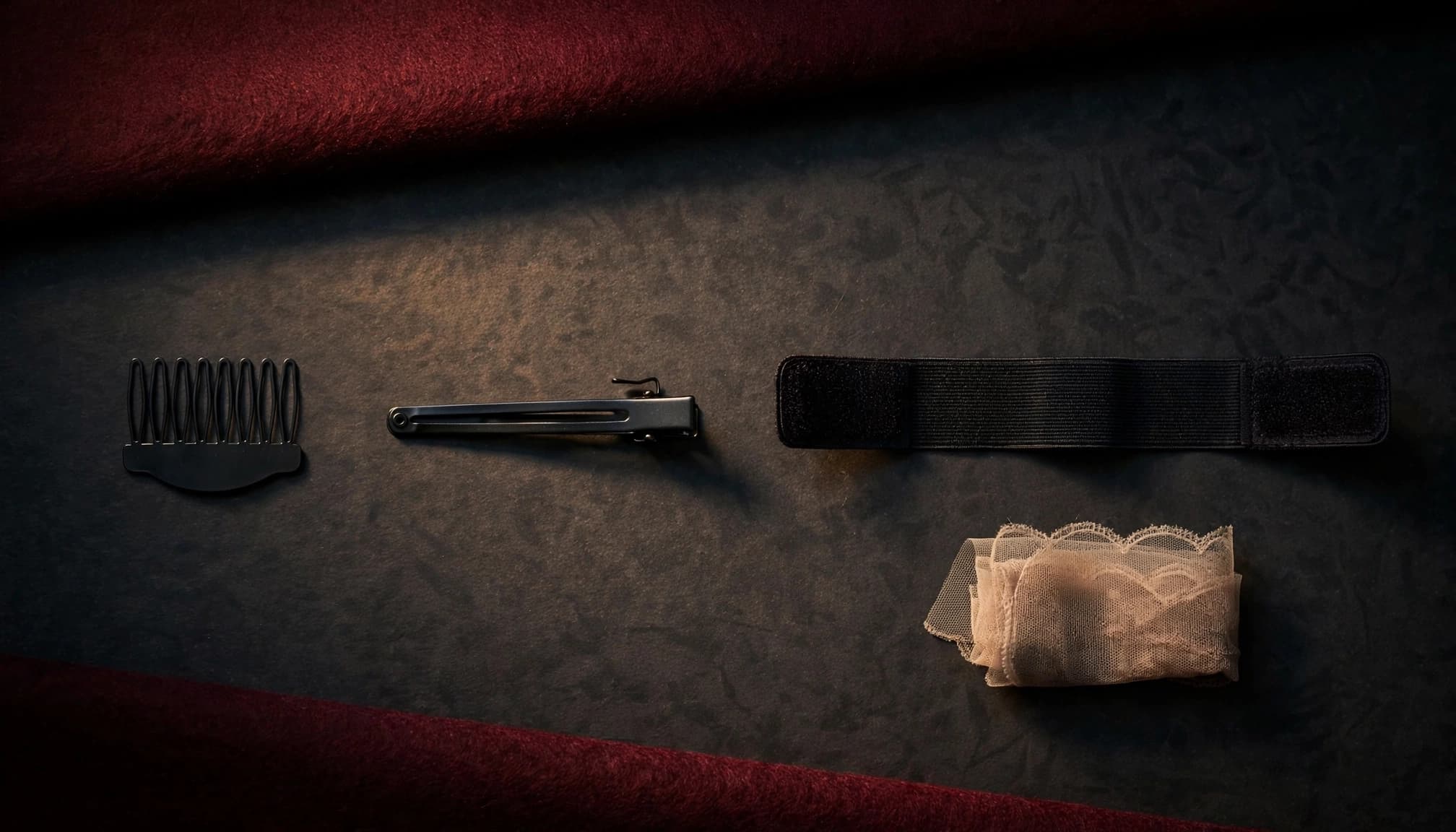
Wig combs use small teeth for anchoring
A wig comb is a curved piece with short teeth. It's usually sewn inside the cap at the front, sides, or back. To use it, you slide the teeth into secured natural hair, a braid, or another stable layer beneath the wig.
Combs can help reduce shifting when you move your head. However, they need something to anchor into. If your hair is very short, fine, slippery, or worn loose, the comb may not hold as well as expected.
The number and placement of combs vary by wig. One construction description from WoWEbony lists three sewn-in combs, two small metal ear-section pieces, and adjustable straps at the back. That specification applies to the construction described by that brand, not to every wig on the market. You can see more examples in this wig cap construction guide.
Wig clips snap onto selected areas
Wig clips, sometimes called toupee clips, have a small snap mechanism. One side is sewn to the wig cap, and the other side opens and closes around a section of hair.
Clips work well when you want attachment at a precise location. For example, a clip near each temple can help secure a wig that lifts at the sides. A clip at the nape may help stabilize the back.
The clip itself doesn't adjust the whole cap. It only grips the hair beneath that particular point. The Hair & Makeup Artist Handbook explanation of wig construction describes clips as small pieces sewn into wigs and adjustable straps as a separate feature.
Adjustable straps change tension
An adjustable strap is usually elastic or fabric with hooks, sliders, or another fastening method. It connects to the inside back or sides of the wig cap. Moving the attachment point changes how snugly the wig sits.
Straps don't need to grip individual strands of hair. Instead, they help reduce extra room in the cap. That makes them useful for wearers who want a secure fit without adding several attachment points.
A strap can still feel uncomfortable when it's pulled too tightly. The goal is a stable fit that lets the wig sit naturally, not maximum tension.
How the three attachment options differ
The simplest way to compare these options is to separate point attachment from overall fit.
Fixed attachment points versus adjustable tension
Combs and clips stay where they're sewn. They grip a particular area of hair, so their performance depends on placement and the condition of the hair beneath them.
An adjustable strap works across the cap. It doesn't target one lock or section. Instead, it reduces slack around the head. This can make a strap more useful when the main problem is a loose cap rather than movement at one specific spot.
| Feature | Main action | Depends on |
|---|---|---|
| Wig comb | Teeth anchor into hair or a stable base | Hair length, texture, and placement |
| Wig clip | Snap closes around a hair section | Enough hair to grip securely |
| Adjustable strap | Changes cap tension | Cap size, strap position, and comfort |
The right choice depends on the reason the wig moves. A side lift may respond to a clip, while an oversized cap may need strap adjustment.
When a wig combines several features
Many wigs use more than one attachment method. A cap might include combs at the front and back, clips at the sides, and an adjustable strap near the nape.
This combination gives you several ways to customize the fit, but using every feature at maximum tension can create pressure. You may only need one or two attachment points once the cap fits correctly.
HairWeavon notes that most full lace caps may include elastic bands, combs, and adjustable straps. Still, you should confirm the product description because designs differ by brand, lace type, cap size, and intended wear.
How adjustable straps change wig fit
Adjustable straps are useful because they modify the cap without requiring you to attach anything to your natural hair.

Start with cap size, not strap tension
A strap can fine-tune a cap, but it can't turn every size into a perfect fit. If the cap is far too large or too small, tightening the strap may create pressure without solving the main problem.
Measure your head according to the seller's instructions. Check whether the wig comes in small, average, or large sizing. Also look at the cap materials, lace coverage, and whether the wig has a drawstring or hidden strap.
When trying on the wig, fasten the strap gradually. The cap should sit securely at the nape and around the sides without pulling the lace or creating a sharp pressure point.
Product examples show why details matter
Luxegan's adjustable-strap human hair wig is listed as a 30-inch, 100% Brazilian Remy human hair wig with transparent HD Swiss lace, an average-size cap, and adjustable straps.
Another Luxegan listing describes a 13x6 adjustable-cap bone straight wig with an average-size cap and adjustable straps. These details help you compare the attachment system with the rest of the construction instead of judging the strap alone.
A long or dense wig may feel different from a short lightweight style, even when both have adjustable straps. Hair length, cap weight, and lace coverage all affect the final fit.
Choosing between combs, clips, and straps
The best attachment depends on your natural hair and the way you plan to wear the wig.
Match the attachment to your natural hair
Combs usually need a braid, ponytail, or another secure section of hair. They can be practical when your hair provides a stable base beneath the cap.
Clips also need enough hair to close around. They may suit a wearer who wants extra hold at the temples or nape, but they can feel bulky if placed over a small or delicate section.
Straps are often easier to use when you don't want to attach the wig to individual strands. They can also suit a simple wear-and-go routine, provided the cap size is close to your head measurement.
Consider scalp sensitivity and desired hold
If your scalp is sensitive, start with the least amount of pressure that keeps the wig stable. A strap set too tightly may feel uncomfortable, while several combs can create pressure at separate points.
Wear the wig briefly at home before committing to a full day. Check whether the attachment shifts, pinches, catches on hair, or leaves a noticeable pressure spot. Comfort matters because a wig that feels secure for ten minutes may feel different after several hours.
For a stronger hold, some wearers combine a strap with one comb or clip. That approach can reduce the need to tighten every feature at once.
Shop Glueless Wigs
-
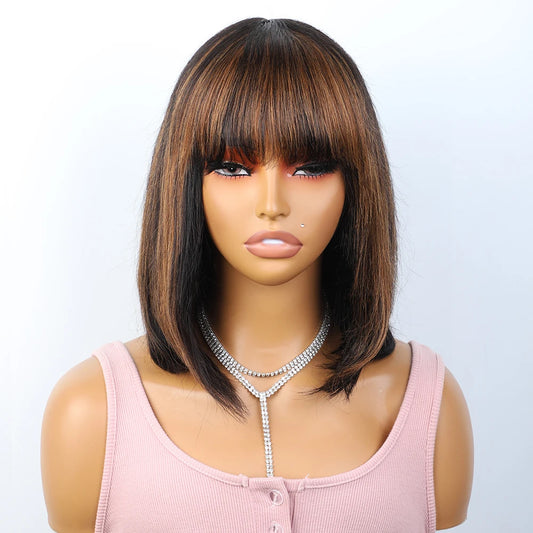
"Put On & Go" Straight Bob Wig | Easy Wear Human Hair with Bangs & Realistic Scalp
Regular price From $111.00 USDRegular price$133.00 USDSale price From $111.00 USDSale -
#30-#1-#30 Ombre Brown Afro Kinky Curly Bulk Human Hair | 50g Brazilian Crochet Braiding Hair Extensions (No Weft)
Regular price From $118.00 USDRegular price$0.00 USDSale price From $118.00 USD -
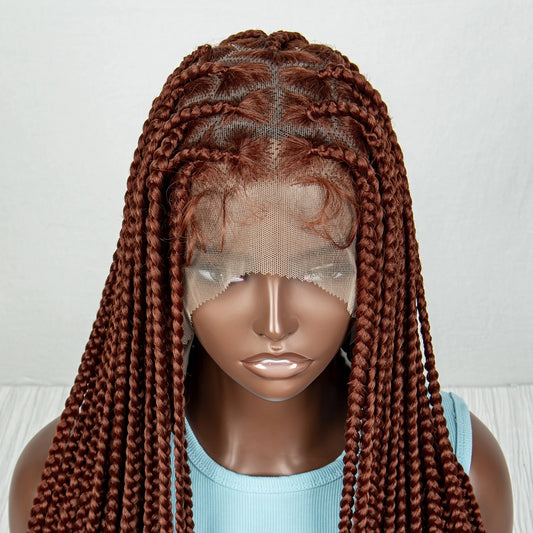
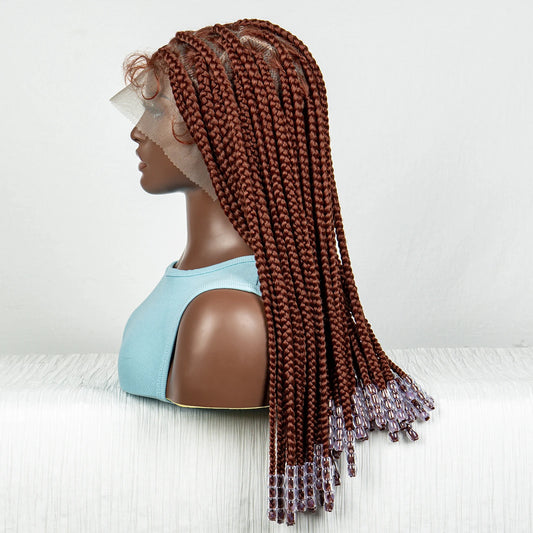
#350 Knotless Box Braids Wig | Short Lace Frontal Bob | Dark Ombre Ginger
Regular price $262.50 USDRegular price$0.00 USDSale price $262.50 USD -
#4 Brown Pixie Short Cut Wig with Bangs | Straight Human Hair Full Machine Made
Regular price $112.00 USDRegular price$168.00 USDSale price $112.00 USDSale -
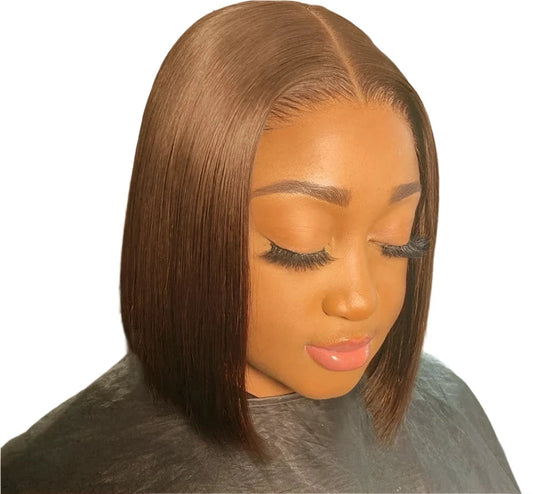
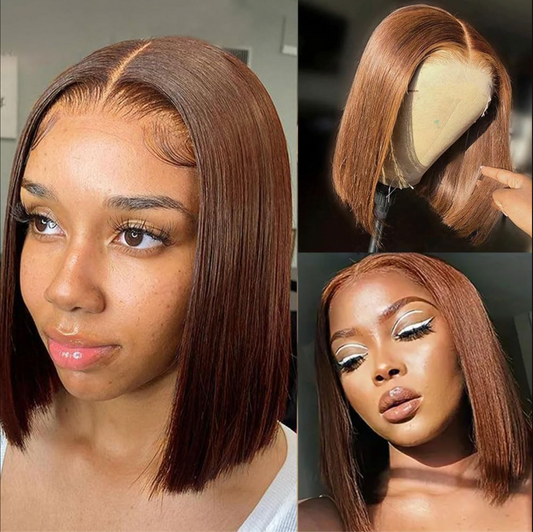
#4 Chocolate Brown Bob Wig | Glueless | Ready To Wear | Brazilian Hair | Human Hair | Straight | Invisible | Closure Wigs For Women
Regular price From $151.00 USDRegular price$172.00 USDSale price From $151.00 USDSale -
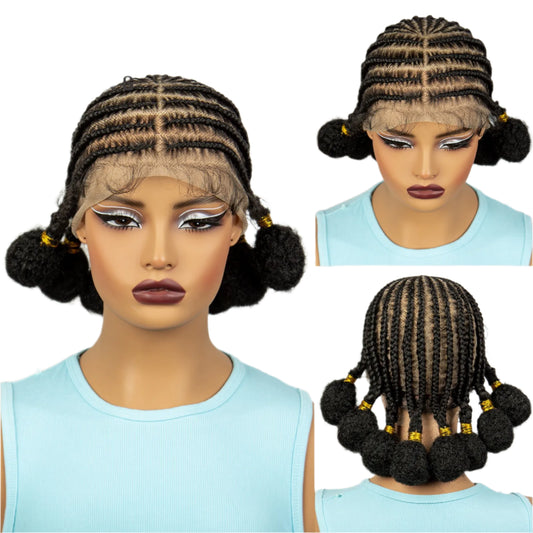
10 Inch Natural Cornrow Braids Full Lace Wig | Transparent Synthetic Braiding Hair with Baby Hair
Regular price $235.00 USDRegular price$268.00 USDSale price $235.00 USDSale -
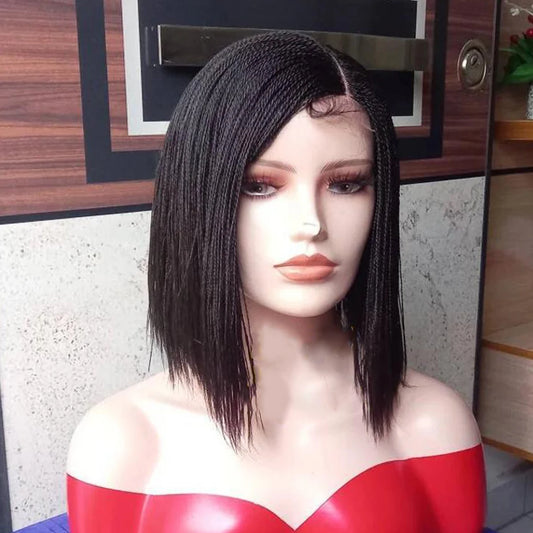
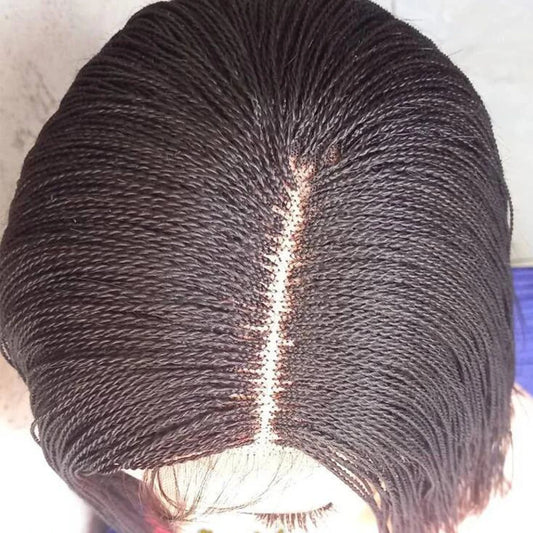
10 Inch Short Micro Twisted Wig - 2x4 Closure Braided Wig for Black Women - Micro Million Braid Wig - Synthetic Knotless Braids
Regular price $288.00 USDRegular price$0.00 USDSale price $288.00 USD -
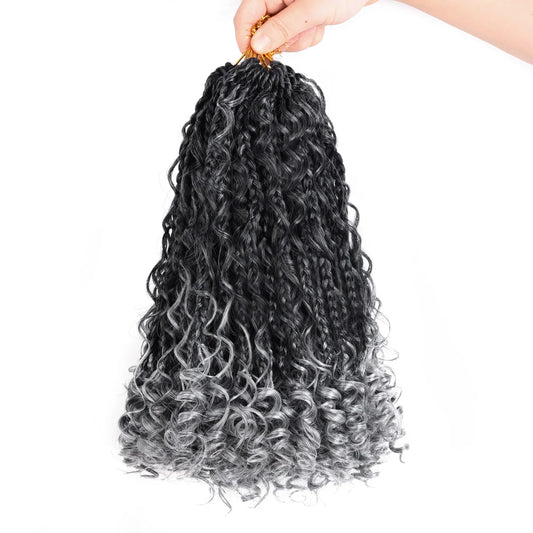
10" Bob Goddess Box Braids Crochet Hair | Boho Braids with Curls
Regular price $16.00 USDRegular price$24.00 USDSale price $16.00 USDSale
Check the wig construction before buying
Attachment features make more sense when you view them alongside the entire cap.
Lace, glueless designs, and internal support
A lace-front wig focuses on the appearance of the hairline. The internal cap still determines much of the fit. Look for details such as cap size, strap placement, comb locations, lace dimensions, and whether the wig uses a drawstring.
A glueless description usually refers to a product designed to wear without adhesive, but construction varies. Follow the specific listing rather than assuming every glueless wig offers the same hold.
Luxegan's 360 hidden-strap body wave wig combines a hidden strap system with a drawstring design. That type of construction differs from a basic cap with only two combs and a rear strap.
Wig makers should plan attachment points
If you're making or customizing a wig, place combs and clips where they support the intended style. Side attachments may help with a center part, while a nape attachment can stabilize the back.
Sew each feature firmly to a reinforced section of the cap. Avoid placing several attachments in one small area, since concentrated tension can make the cap uncomfortable or pull at the lace.
An adjustable strap should have enough room for small fit changes. Attach it securely, but leave a practical range so the wearer can loosen or tighten the cap without rebuilding it.
How to fit and test a wig attachment
Use this simple process when testing a new wig:
- Put on your wig cap or prepared natural hair in the same way you'll wear it regularly.
- Place the wig on your head and position the front hairline before fastening anything.
- Adjust the strap until the cap feels stable, then close only the combs or clips you need.
- Turn your head, bend slightly, and check whether the wig shifts or pulls.
- Remove or reposition any attachment that pinches, catches hair, or creates a pressure point.
Give the wig a few minutes before making another adjustment. Small changes are easier to judge than tightening every attachment immediately.
If the wig still feels loose after reasonable adjustments, check the cap size and construction. The issue may not be the attachment itself.
FAQ about wig combs, clips, and straps
Are wig combs and wig clips the same?
No. A comb has teeth that slide into hair or a stable base. A clip uses a snap mechanism to close around hair. Both attach at specific points, but they hold in different ways.
Can I wear a wig with only an adjustable strap?
Often, yes, if the cap fits your head well and the strap provides enough tension. A strap cannot correct a cap that is significantly oversized or undersized. Test the wig with normal head movement before wearing it for a long outing.
Are combs better than straps for natural hair?
Neither is automatically better. Combs may work well with braids or a stable hairstyle. Straps may feel more convenient when you don't want the wig attached to individual strands. Your hair length, texture, and comfort preference should guide the choice.
Can I add clips or combs to a wig?
In many cases, clips and combs can be sewn into a suitable reinforced part of the cap. Use careful placement and strong thread. If the wig has delicate lace, avoid stitching through areas that need to remain invisible or flexible.
Conclusion
Wig combs, clips, and adjustable straps solve different fit problems. Combs and clips anchor the wig at selected points, while straps change the cap's overall tension.
Choose according to the wig's construction, your natural hair, scalp sensitivity, and desired hold. A comfortable fit usually comes from balanced adjustment, not from tightening every feature as much as possible.