

Wig Grip vs Wig Cap: Choosing Secure Styling
A wig can look perfect in the mirror and still shift when you turn your head. Comparing wig grip vs wig cap helps you choose the right foundation for comfort, styling, and everyday security.
A wig grip and a wig cap serve different purposes, and neither option is automatically better. Your natural hair, wig construction, cap size, adjustment features, and wearing time all affect the result. Start with the accessory, then check how well the wig itself fits.
Wig Grip vs Wig Cap: The Basic Difference
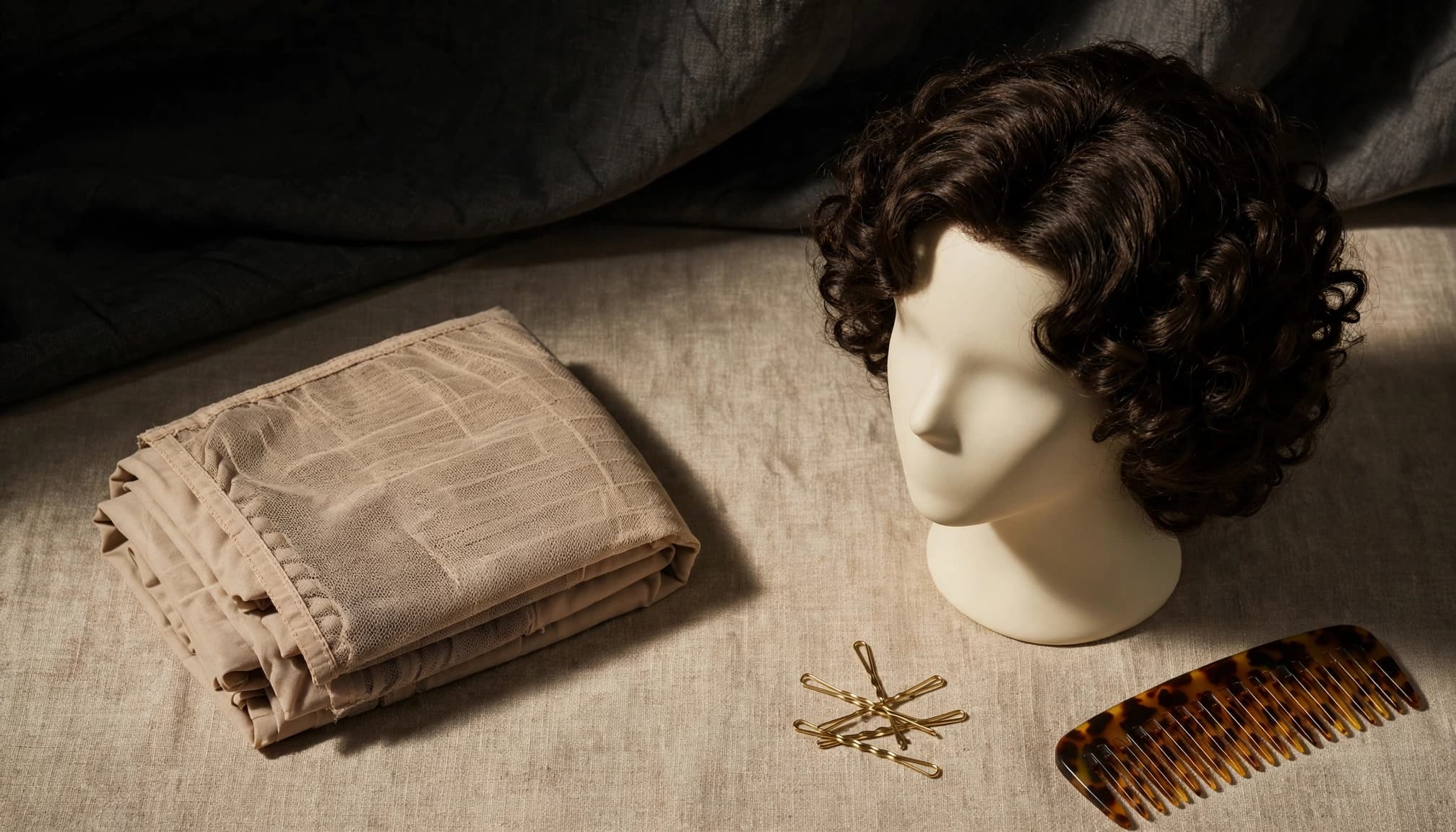
A wig grip is a soft band worn around the head, usually near the hairline or underneath the wig. It creates a separate layer between your head and the wig. Depending on its material and fit, it may help the wig stay positioned during normal movement.
A wig cap is a thin covering that holds flattened hair in place and creates a smoother base beneath the wig. It can also help keep loose strands from extending beyond the wig's edges. Some people wear a cap alone, while others combine it with another security method.
Neither accessory changes an incorrectly sized wig. A grip cannot compensate for a cap that is too large, and a wig cap cannot fix straps that sit too loosely. Secure styling begins with a wig that matches your head measurement.
What a wig grip is designed to do
A grip focuses on the connection between your head and the wig. Its band typically sits around the front, sides, and back of the head, while the wig rests over it. This arrangement can be useful when you want to avoid adhesive or reduce movement during everyday wear.
Grip materials vary. Velvet, silicone-lined, and elastic styles may feel different against the skin and hair. A snug fit matters, but excessive pressure can become uncomfortable, especially during long wear.

What a wig cap is designed to do
A wig cap creates a neat base for the unit. It can help contain braids, twists, or longer natural hair, making it easier to place the wig evenly. A cap may also help keep your styling foundation consistent throughout the day.
Caps come in different materials and thicknesses. A thin nylon cap has a light feel, while a mesh cap may offer more airflow. The best choice depends on your hairstyle, scalp comfort, and the space available inside the wig.
Professional wig styling can involve additional techniques for stage and costume work. American Theatre Wing's Hair, Wig & Makeup Design Master Class offers broader context on professional wig design, although everyday wear usually requires a simpler setup.
How Each Option Affects Styling
The choice between a grip and a cap often depends on the look you want and how much preparation your natural hair needs. A grip prioritizes placement. A cap prioritizes hair control and a smooth base.
Some wearers use both. The cap organizes the hair, while the grip adds another layer between the head and wig. However, adding layers can make the wig feel tighter, so check the fit before wearing it for several hours.
A grip can support movement-focused styling
A grip may suit styles that need stable placement around the hairline, such as a sleek bob, shoulder-length straight wig, or side-parted lace-front unit. It can also be useful when you prefer a glueless setup and want to avoid relying on adhesive.
Place the grip flat without twisting it. Keep it behind the lace edge if the wig has a lace front, because a visible band can affect the hairline's appearance. After positioning the wig, adjust the front, sides, and nape before styling the hair.
The wig's own construction still matters. For example, this hidden strap lace front wig includes an average cap size and a drawstring strap, according to its product listing. Those built-in features may affect whether you need an additional grip.
A cap can simplify hair preparation
A wig cap can make long hair easier to organize before you put on the unit. Secure your hair in a flat arrangement, then pull the cap over it without creating bulky folds. Bunched fabric can make the wig sit unevenly or feel tighter in one area.
Caps also work well when the wig has enough internal room for an extra layer. If the unit already feels snug, adding a thick cap may create pressure at the temples or nape.
Fit Comes Before the Accessory
A wig grip vs wig cap comparison can't replace accurate measuring. Accessories may improve the wearing experience, but the wig must still fit your head correctly.
Measure around your head at the hairline, above the ears, and across the nape. Compare that measurement with the manufacturer's sizing chart. If your hair is braided or pinned underneath, measure with the intended foundation in place.
Check the cap size and adjustment points
Wig sizes often include small, average, and large categories, but measurements differ between brands. One Luxegan listing for a dark chocolate brown natural wave wig describes small, average, and large cap-size options. That range gives shoppers more flexibility than a unit offered in one average size.
Adjustable straps can fine-tune the fit, but they shouldn't be pulled as tight as possible by default. Start with a moderate setting, place the wig, and then tighten or loosen each side evenly. An uneven adjustment can make one temple feel tighter than the other.
Consider the wig's construction
Lace dimensions affect styling freedom, while the cap structure affects how the wig sits. A 13x6 lace frontal provides more parting space than a smaller closure, but it may also involve a different fit and weight than a basic cap.
The 30-inch bone straight lace wig listing includes 13x6, 13x4, and 4x4 frontal options, plus an average-size cap and adjustable straps. These details show why the wig itself deserves attention before you choose a grip or cap.
Longer or denser hair can also change how secure a wig feels during movement. A 250-density, 26-inch-or-longer unit places different demands on fit than a short, lightweight style. Choose the accessory after considering the complete wig, not only the lace.
When to Choose a Grip, a Cap, or Both
There isn't one universal answer to the wig grip vs wig cap question. Your decision should reflect your hair preparation, scalp comfort, wig size, and styling routine.
| Your priority | Option to consider | What to check |
|---|---|---|
| Keeping natural hair contained | Wig cap | Thinness, breathability, and smooth placement |
| Supporting wig placement | Wig grip | Band pressure, material, and visibility |
| Managing long or bulky hair | Cap, or cap with a grip | Interior room and overall tension |
| Wearing a glueless lace wig | Grip or built-in adjustments | Straps, drawstrings, cap size, and lace position |
| Styling for several hours | The lighter option | Pressure around the temples, ears, and nape |
A cap may be enough when your hair is already flat and the wig fits securely. A grip may be more practical when you want to focus on keeping the unit positioned without adding much coverage over your hairstyle.
Using both can work when each layer stays smooth and the wig has enough room. If the combination makes the cap feel tight, remove one layer and reassess the fit.
For a lightweight ready-to-wear option, review the details of this ready-to-wear straight glueless wig. Its listing describes a 6x4 lace closure, 180% density, and lengths from 16 to 38 inches. Those specifications matter when deciding whether an extra accessory will feel comfortable.
Comfort Tips for Sensitive Scalps and Long Wear
Long wear changes what feels acceptable. A setup that works for a short event may feel too warm, tight, or irritating after a full day.
Reduce pressure before increasing security
A common mistake is tightening every adjustment at once. Begin with the correct wig size, then secure the straps gradually. If you use a grip, keep it flat and avoid placing seams directly on sensitive areas.
Choose a lighter cap when a thick layer adds too much warmth. Similarly, consider a soft, less compressive grip if a firm band causes discomfort. Stop wearing any accessory that causes persistent itching, pain, redness, or numbness, and seek medical advice for ongoing scalp concerns.
Clean hair and a clean accessory can also improve comfort. Follow the care instructions for the cap or grip, and allow each item to dry fully before wearing it again.
Plan breaks during extended wear
Take breaks when your schedule allows, especially if you're wearing a wig for many hours. Remove the unit and accessory carefully rather than pulling at the lace or hairline.
Long styles may need more frequent checks. A 30 to 40 inch unit, such as the length range listed for this 13x6 bone straight lace wig, can move differently from a shorter wig. Check the nape and sides after commuting, bending, or changing clothes.
Shop Glueless Wigs
-
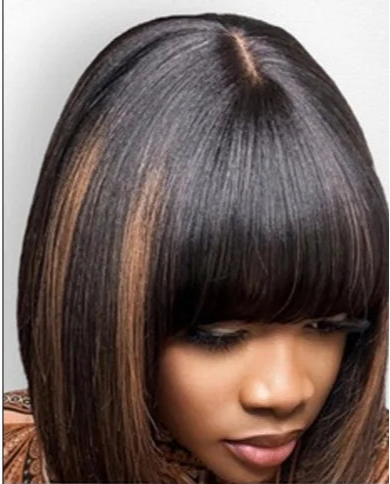
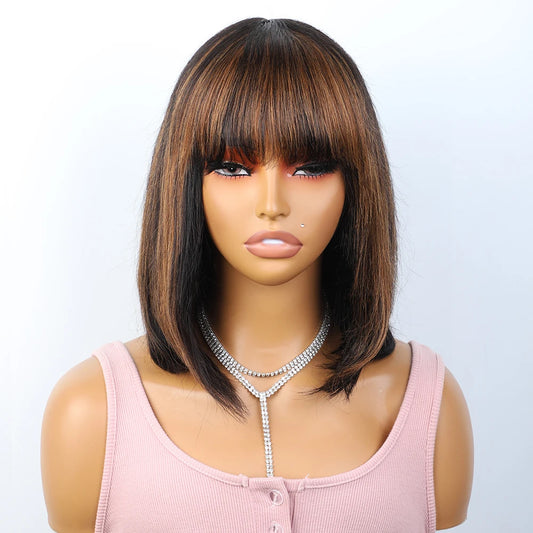
"Put On & Go" Straight Bob Wig | Easy Wear Human Hair with Bangs & Realistic Scalp
Regular price From $111.00 USDRegular price$133.00 USDSale price From $111.00 USDSale -
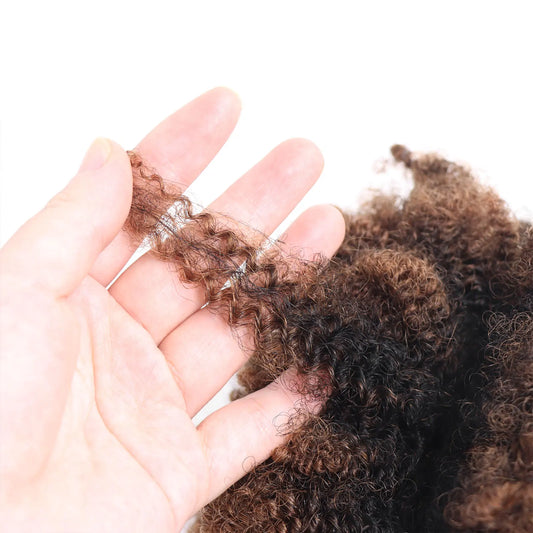
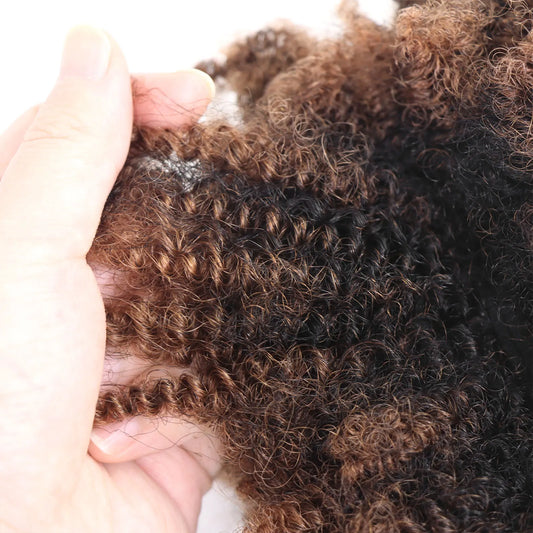
#30-#1-#30 Ombre Brown Afro Kinky Curly Bulk Human Hair | 50g Brazilian Crochet Braiding Hair Extensions (No Weft)
Regular price From $118.00 USDRegular price$0.00 USDSale price From $118.00 USD -
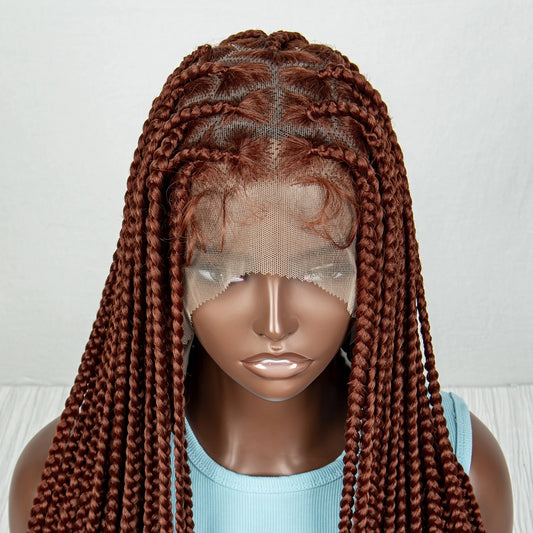
#350 Knotless Box Braids Wig | Short Lace Frontal Bob | Dark Ombre Ginger
Regular price $262.50 USDRegular price$0.00 USDSale price $262.50 USD -
#4 Brown Pixie Short Cut Wig with Bangs | Straight Human Hair Full Machine Made
Regular price $112.00 USDRegular price$168.00 USDSale price $112.00 USDSale -
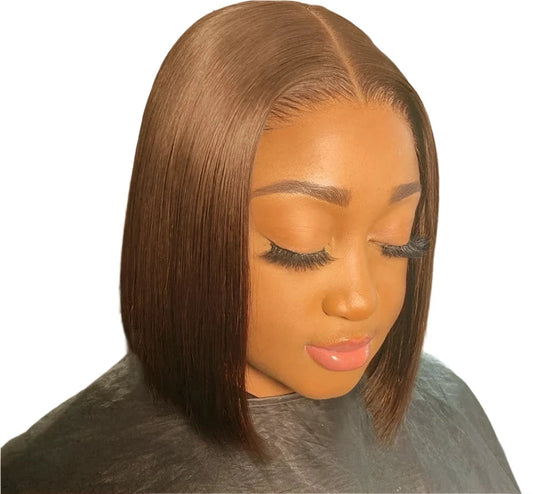
#4 Chocolate Brown Bob Wig | Glueless | Ready To Wear | Brazilian Hair | Human Hair | Straight | Invisible | Closure Wigs For Women
Regular price From $151.00 USDRegular price$172.00 USDSale price From $151.00 USDSale -
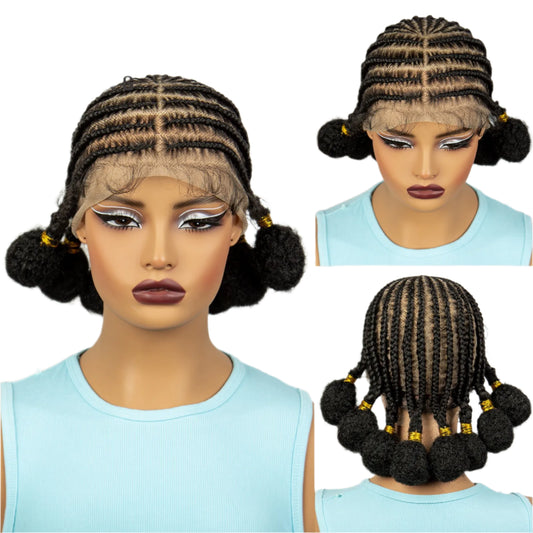
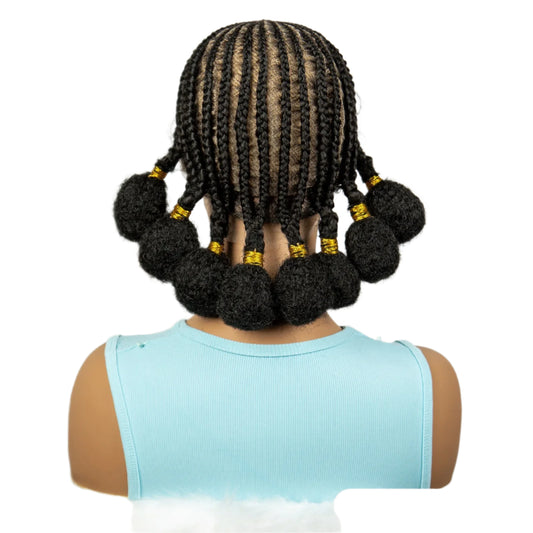
10 Inch Natural Cornrow Braids Full Lace Wig | Transparent Synthetic Braiding Hair with Baby Hair
Regular price $235.00 USDRegular price$268.00 USDSale price $235.00 USDSale -
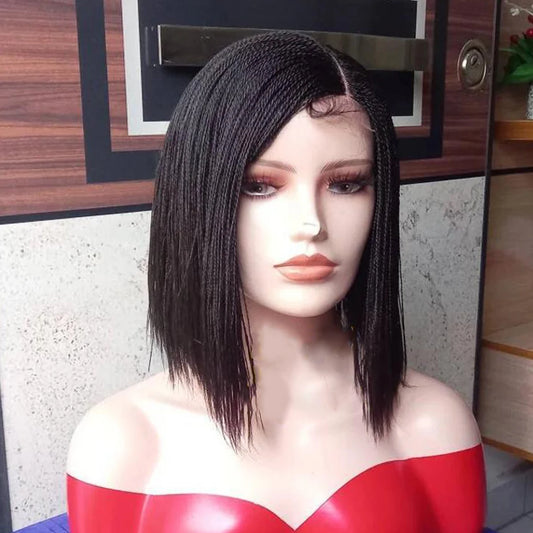
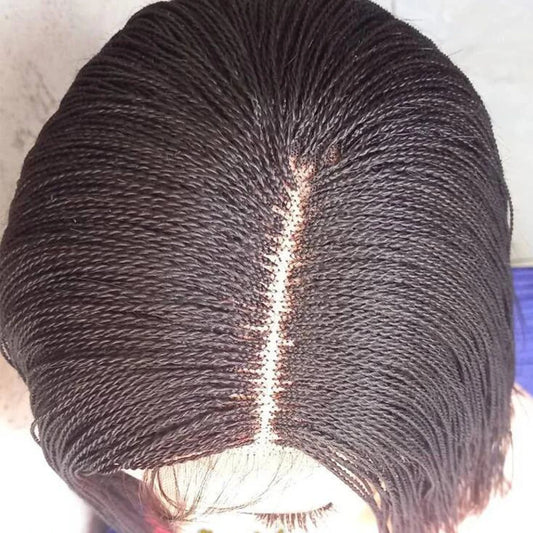
10 Inch Short Micro Twisted Wig - 2x4 Closure Braided Wig for Black Women - Micro Million Braid Wig - Synthetic Knotless Braids
Regular price $288.00 USDRegular price$0.00 USDSale price $288.00 USD -
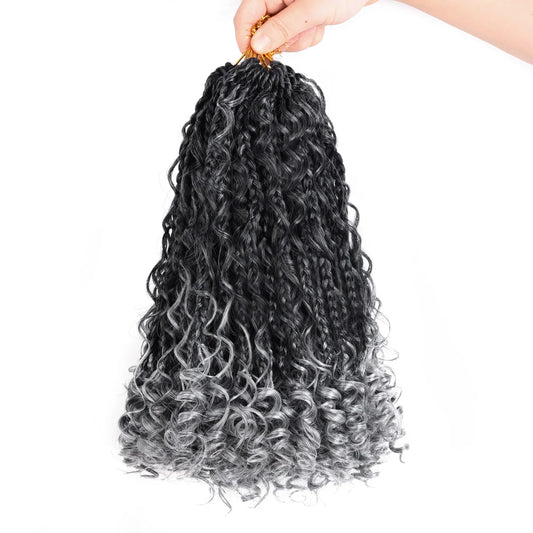
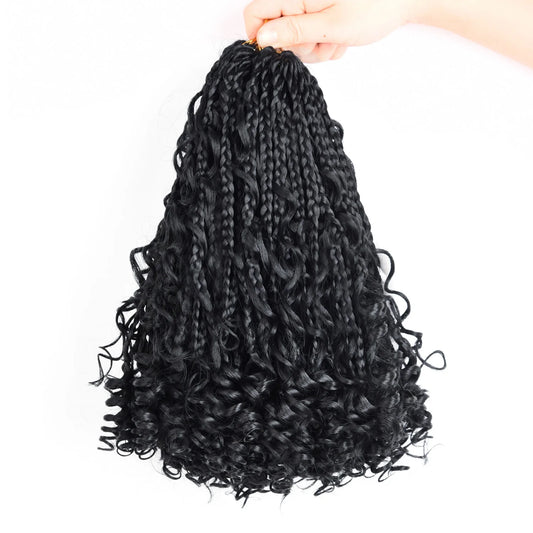
10" Bob Goddess Box Braids Crochet Hair | Boho Braids with Curls
Regular price $16.00 USDRegular price$24.00 USDSale price $16.00 USDSale



A Simple Secure Styling Routine
Start with your natural hair arranged as flat as possible. Braids, twists, or pinned sections should feel even, with no raised areas that will show through the wig.
Next, decide whether you need a cap, a grip, or both. If you use a cap, pull it on evenly and smooth the edges. If you use a grip, place it without twisting and keep it below the visible lace area.
Put the wig on from front to back, then check the alignment at the forehead, ears, and nape. Adjust the straps or drawstring before styling the hair. A glueless body wave wig with 13x6 HD transparent lace may offer several lace and construction choices, but the finished fit still depends on correct placement.
Finally, move your head gently from side to side. Check whether the wig shifts, pinches, or exposes the cap. Make one adjustment at a time so you know which change improved or reduced comfort.
Key Takeaways
- A wig cap mainly organizes natural hair and creates a smooth foundation.
- A wig grip mainly supports wig placement around the head.
- Neither accessory fixes a poorly sized or badly adjusted wig.
- Built-in straps, drawstrings, lace dimensions, length, and density all affect security.
- Wearing both accessories can work when the wig has enough interior space.
- Sensitive scalps need less pressure, lighter layers, and regular breaks.
- Test the complete setup before wearing it for a full day or special event.
The best choice is the one that keeps the wig comfortable, aligned, and natural-looking without creating unnecessary pressure.
FAQ: Wig Grip vs Wig Cap
Is a wig grip better than a wig cap?
Neither is better for everyone. A wig grip may suit someone focused on placement, while a cap may suit someone who needs to contain natural hair. Your wig size and internal construction are just as important as the accessory.
Can you wear a wig cap and wig grip together?
Yes, you can try both if the wig has enough room. Keep each layer smooth and check for pressure around the temples, ears, and nape. If the wig becomes too tight, use one accessory instead.
Do you need a wig cap under a lace-front wig?
Not always. Some people prefer a cap for hair control, while others find that a cap changes the fit or shows through the lace. Test the wig with and without a cap before choosing your regular routine.
How do you stop a wig from feeling loose?
First, confirm that you selected the correct cap size. Then adjust the straps or drawstring evenly. A grip may provide another option, but it shouldn't replace accurate sizing or create uncomfortable tension.
Conclusion
The wig grip vs wig cap decision becomes easier when you separate hair preparation from wig placement. A cap can create a smoother foundation, while a grip may help the wig stay positioned. Fit, adjustment, construction, and comfort determine how well either option works.
Choose the lightest setup that supports your style and feels comfortable for the time you plan to wear it. A secure wig starts with the right size, then the accessory can refine the result.