

How to Prevent Tangling at the Nape of a Long Wig
The nape is where long wig fibers often rub against collars, shoulders, and each other. That repeated movement can leave the underside knotted even when the rest of the style looks smooth. A few gentle habits can reduce wig tangling and make knots easier to manage before they tighten.
The best routine depends on the wig's fiber and texture. Start with careful detangling, then reduce rubbing during wear and store the wig so its lengths stay orderly.
Why wig tangling gathers at the nape
Long fibers move with your head and shoulders. At the nape, they can catch on clothing, scarves, or chair backs, then twist together as you move. Wavy and curly lengths may interlock more readily than straight ones, while dry or rough-feeling fibers can snag more easily.
These are practical causes to watch for, not a wig-maker-approved diagnosis. The right care also depends on the construction and fiber. A lace-front cap, a dense style, or a layered cut may behave differently from a simple straight wig.

Check the underside of the wig after wearing it. If small knots keep appearing in the same spot, note what the hair was rubbing against and adjust your routine. Catching a few loose snags early is easier than working through a compacted mat.
Detangle the nape without pulling
A gentle, low-tension technique helps protect the fibers and the wig cap. Work in small sections, and avoid dragging a brush through a knot from the roots.
Start at the ends and work upward
Place the wig on a stable stand, or hold a small section securely above the tangle. Separate the hair with your fingers first. Then loosen the ends and work upward in short strokes, moving closer to the knot only as the lower part clears.
For the nape, take narrow sections and support the hair above each snag. This keeps brushing force from traveling to the cap. The Wig USA care instructions also recommend detangling from the ends toward the roots.
Match the tool to the texture
Use a wide-tooth comb or a wig brush designed for the fiber. A wide-tooth comb can help separate curls without pulling them into a fluffy shape. For straight styles, use gentle strokes with a suitable brush, checking the manufacturer's recommendations first.

Avoid using a fine-tooth comb on a dense tangle. If the tool stops, don't force it through. Pause, separate the section again, and loosen the knot with your fingers.
Reduce friction while wearing the wig
Notice what touches the nape throughout the day. High collars, rough scarf edges, backpack straps, and repeated contact with a chair can all create friction. Adjusting a collar or moving a strap away from the hair may help reduce rubbing.
If the style allows, sweep the lengths forward over one shoulder for a while, or loosely gather them with a soft tie. Keep any tie away from the nape and avoid pulling the hair tight. A loose braid may help contain long lengths, but it can change the shape of curls or waves, so use it only when it suits the style.
A smooth layer between the wig and rough clothing may reduce direct contact, but it won't guarantee a tangle-free day. Check the nape during breaks, especially after a commute or a period spent leaning against a seat.
Build a simple daily care routine
Short, regular checks can stop loose strands from turning into larger knots. Keep the routine gentle and adjust it to the wig's style.
Before wearing it
Check the nape and lower lengths before putting the wig on. If you find a snag, separate it into a small section and detangle from the tips upward. Smooth the lengths with your fingers afterward, then put on the wig without pulling the strands against the cap.
After taking it off
Inspect the underside before storing the wig. Remove loose tangles with the same end-to-root technique, then return the wig to a stand or storage form. Avoid leaving long hair piled on a counter, where it can twist around itself or catch on nearby items.
If you wear the wig for several hours, a quick nape check during the day can be useful. Addressing a small knot while the hair is still separated usually takes less effort than untangling it later.
Adjust care for synthetic and human-hair wigs
Fiber type changes how a wig responds to heat, products, and washing. Read the care label or product instructions before using a styling tool or spray. If the wig blends fibers, follow the more restrictive guidance unless the maker says otherwise.
Synthetic wigs need fiber-specific care
Synthetic fibers don't all respond the same way. Don't assume a wig can tolerate heat because another synthetic style can. Use heat only when the manufacturer identifies the wig as heat-resistant and provides safe styling directions.
For washing, the CancerCare synthetic wig care guide recommends gentle handling. Follow the wig maker's directions for water temperature, shampoo, drying, and brushing. Don't rub or wring the lengths, and wait until the wig is fully dry before combing if its instructions call for that.
Human-hair wigs need gentle handling too
Human-hair wigs can usually be styled more like natural hair, but heat and heavy-handed brushing can still damage the fibers. Detangle before washing, use products approved for your unit, and check the care instructions before applying heat or color treatments.
Luxegan's listings for a kinky-straight human-hair wig and a long wavy synthetic wig show why fiber and texture matter when choosing a care approach. They aren't a substitute for the care instructions for your own wig.
Shop Best Sellers
-
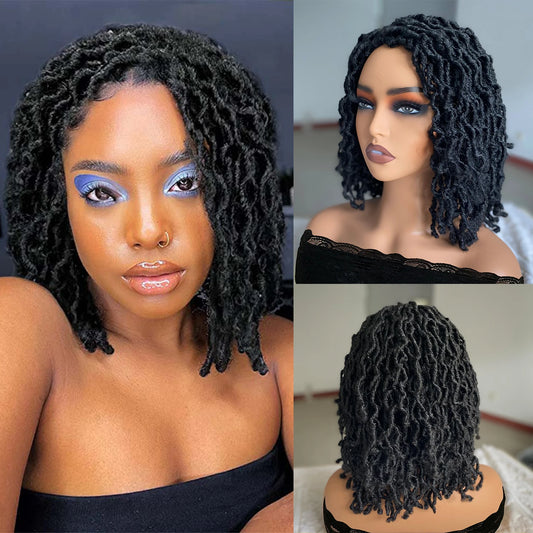
Short Goddess Faux Locs Wig | Brown Highlight Crochet Dreadlock Wig
Regular price From $158.00 USDRegular price$190.00 USDSale price From $158.00 USDSale -
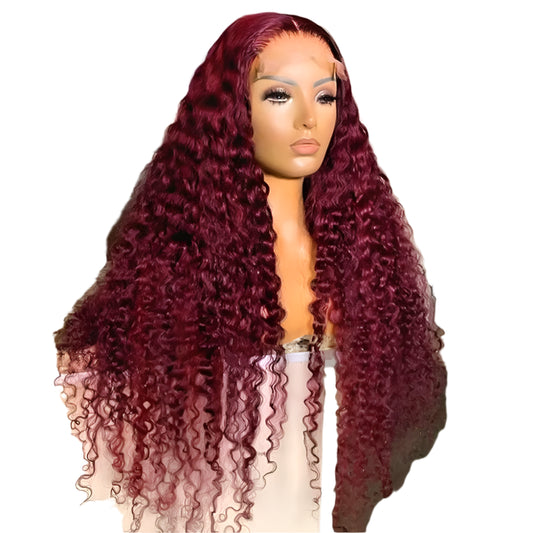
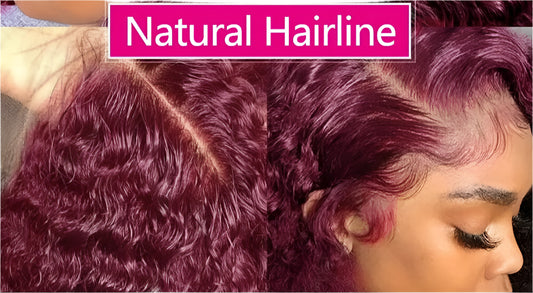
30 Inch Burgundy 99J Curly Human Hair Wig | 13x6 Lace Frontal | 200% Density
Regular price From $257.00 USDRegular price$0.00 USDSale price From $257.00 USD -
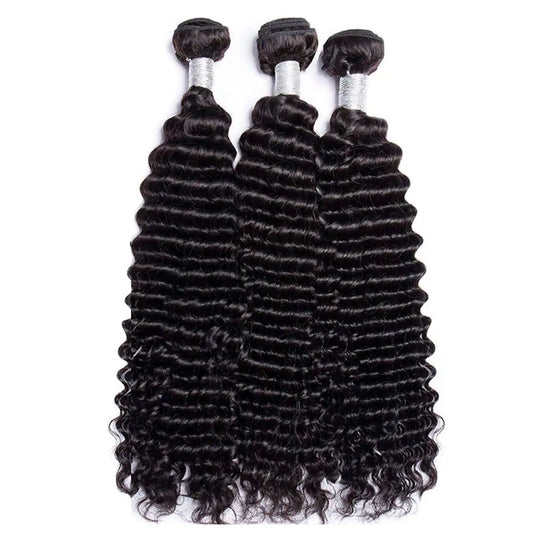
12A Deep Wave Remy Human Hair Bundles | 30 to 32 Inch Weft Extensions
Regular price $364.00 USDRegular price$0.00 USDSale price $364.00 USD -
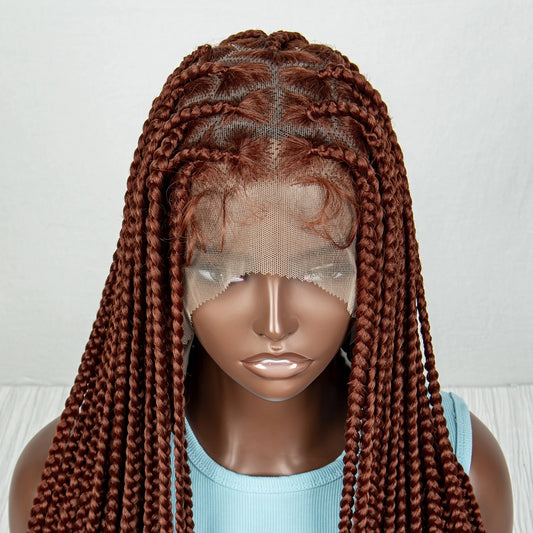
#350 Knotless Box Braids Wig | Short Lace Frontal Bob | Dark Ombre Ginger
Regular price $262.50 USDRegular price$0.00 USDSale price $262.50 USD -
Short Afro Faux Dreads Wig | Synthetic Braided Wig for Men and Women
Regular price $90.00 USDRegular price$120.00 USDSale price $90.00 USDSale -
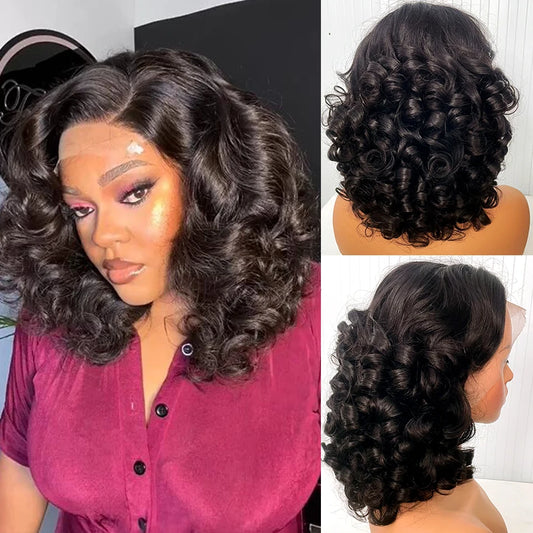
12A Raw Vietnamese Bouncy Wave Wig | 13x4 Lace Frontal | 250% Density
Regular price From $242.00 USDRegular price$0.00 USDSale price From $242.00 USD -
Men's Wingtip Derby Shoes | Genuine Leather Colour Block Lace-Ups
Regular price $263.00 USDRegular price$301.00 USDSale price $263.00 USDSale -
Brazilian Human Hair 13x4 Lace Front Wig | Glueless, Pre-Plucked with Baby Hair
Regular price From $99.00 USDRegular price$132.00 USDSale price From $99.00 USDSale








Store and wash the wig carefully
When you take the wig off, make sure the lengths aren't twisted around the cap. Place it on a wig stand for short-term storage, or use the storage method recommended by the maker. Keep it away from direct sunlight, excess heat, moisture, and dust.
For a long style, arrange the lengths so they hang freely or lie in a loose, orderly shape. Don't fold the hair into a tight bundle or compress it under other items. If you travel with the wig, use a clean container that protects the cap and prevents the fibers from catching on zippers or rough surfaces.
Follow the maker's washing schedule
Wigs don't share one universal washing schedule. Wear time, activity, product use, and the maker's directions all matter. Washing too often can add unnecessary handling, while waiting too long can leave buildup that makes the fibers harder to manage.
Before washing, gently detangle the wig. Follow the specified products and water temperature, and avoid scrubbing the nape. Afterward, blot excess water with a towel rather than twisting the lengths. Let the wig dry as directed before detangling or storing it.
Loosen tangles that have already formed
Don't pull a brush through a tight knot. Put the wig on a stand and separate the tangled area from the rest of the hair. Hold the section above the knot so the cap doesn't take the tension.
Use your fingers to tease apart the outside strands, then work through the tips with a wide-tooth comb or the tool recommended for that wig. Move upward a little at a time. If the fibers resist, stop and separate the section further rather than increasing force.
When the tangle is close to the cap
Work with very small sections and keep the hair supported. If the knot is tightly matted against the cap, repeated pulling can stretch the construction or remove fibers. Pause rather than forcing the comb through. For an expensive or delicate wig, ask the maker or a wig-care professional about repair options.
Once the tangle loosens, check the surrounding lengths for smaller snags. Detangle those gently, then consider whether a collar, strap, or storage habit may have contributed to the knot.
Key takeaways
- Check the nape before and after wearing a long wig.
- Detangle in small sections, starting at the ends and moving upward.
- Choose a tool and products suited to the wig's fiber and texture.
- Reduce repeated rubbing from clothing and straps where practical.
- Store the wig with its lengths arranged loosely, and follow its care instructions.
Conclusion
Nape tangles often build through repeated rubbing and movement, so small checks can prevent a minor snag from becoming a difficult knot. Use gentle, end-to-root detangling and choose care steps that match the wig's fiber.
When you spot a tangle, slow down and support the hair above it. Less pulling protects both the lengths and the wig's construction.
FAQ
Should I brush a wig every day?
Check it daily, but brush only as needed and only with a suitable tool. Curly styles may need finger separation or a pick to preserve their shape. Follow the maker's instructions, especially for synthetic fibers.
Can I use regular detangler on a wig?
Don't assume a regular hair product is suitable. Check the wig maker's guidance, since formulas can affect different fibers in different ways. If the maker approves a product, test it on a small, hidden area first.
Does a wig stand prevent nape tangling?
A stand can help keep the wig's shape during short-term storage, but it can't guarantee that the lengths won't tangle. Arrange the hair loosely and keep it away from rough or crowded surfaces.