

13x4 vs 13x6 Lace Front Wigs Explained
Choosing between a 13x4 lace front wig and a 13x6 lace front wig can feel confusing when both options cover the front hairline. The main difference is simple: both lace areas measure 13 inches across, but a 13x6 extends 6 inches back while a 13x4 extends 4 inches back. That extra depth affects parting and styling, but it doesn't automatically make one wig better.
Understanding 13x4 vs 13x6 wigs becomes easier when you look beyond the lace measurement. Density, cap construction, lace color, hair quality, and fit often affect your experience just as much. Start with the measurements, then match the wig to the styles you wear most.
What Do 13x4 and 13x6 Mean?
The numbers describe the approximate size of the lace section at the front of the wig. The first number refers to the width across the hairline, while the second number refers to how far the lace extends toward the crown.
The 13-inch width
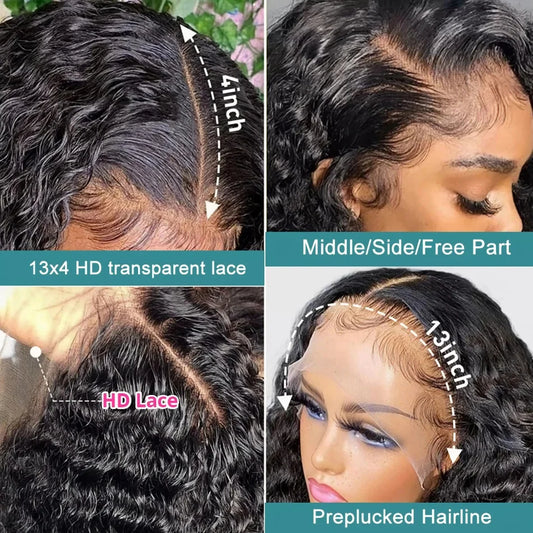
A 13x4 and a 13x6 lace front wig both have lace that measures about 13 inches across. That width usually runs from ear to ear, covering the visible front hairline. A 13x4 lace frontal can therefore provide full front coverage despite having less depth.
The exact fit can vary by brand. Some wigs may have slightly different ear tabs, cap proportions, or lace placement, so the measurement isn't the only detail to review. Check the product's cap size information before ordering, especially if you have a smaller or larger head circumference.
The 4-inch versus 6-inch depth
The second number is where the main difference appears. A 13x4 gives you approximately 4 inches of lace depth, while a 13x6 gives you approximately 6 inches. That two-inch increase creates more lace-covered space behind the hairline.
The extra room can make middle parts, side parts, and pulled-back styles easier to create. Kes Wigs describes the 13x6 design as providing 50% more parting space, although that figure refers to its comparison and shouldn't be treated as a guarantee for every wig.
For a basic explanation of the measurements, see this lace size comparison.

13x4 Lace Front Wigs Explained
A 13x4 lace front wig offers lace across the front hairline with a moderate amount of parting depth. It works well for shoppers who want a natural-looking hairline without needing extensive styling flexibility.
Where a 13x4 works well
The 13x4 layout supports common looks such as a middle part, a soft side part, loose waves, straight hair, and layered styles. It can also work well when you usually wear your hair down or keep the front relatively simple.
Because the lace doesn't extend as far back, the wig may have a smaller lace area to blend and secure. Some wearers prefer this for everyday use because there is less material to position. A well-made 13x4 can look natural when the hairline is properly placed and the lace matches your complexion.
Luxegan's 13x4 HD lace frontal lists a pre-plucked hairline, free-part design, and 130% density. Those features belong to that particular product, so don't assume every 13x4 includes them.
What the shorter depth may limit
With only about 4 inches of lace behind the hairline, a 13x4 may show more of the wig's cap if you try to create a very deep part. High ponytails, half-up styles, and dramatic swept-back looks can require more careful placement.
This doesn't mean you can't wear those styles. You may need to position the part farther forward, use styling products, or leave some hair around the face. Your result also depends on the wig's density and how the hair is ventilated.
A 13x4 is often a sensible choice when your priority is a familiar everyday style rather than maximum parting freedom.
13x6 Lace Front Wigs Explained
A 13x6 lace front wig has the same approximate 13-inch ear-to-ear width as a 13x4, but its lace extends about 2 inches farther back. That added area gives you more room to part and redirect the hair.
More space for parting and styling
The deeper lace can make a middle part look more natural because the visible scalp effect continues farther behind the hairline. It can also give you more flexibility with a deep side part or a style pulled away from the face.
A 13x6 can be useful for half-up looks, sleek ponytail-inspired styles, and hairstyles that expose more of the top-front area. However, the lace depth alone doesn't create a natural finish. The hairline, density, knot visibility, lace color, and installation still matter.
For example, a 13x6 with overly dense hair or poorly matched lace may look less natural than a carefully made 13x4.
Product features still vary
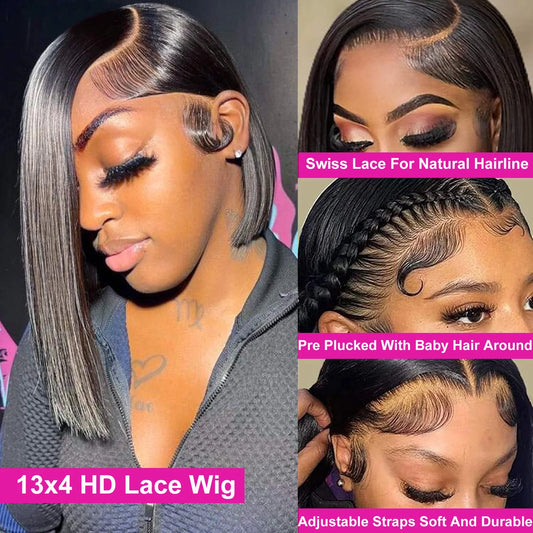
Some 13x6 wigs include HD lace, pre-plucked hairlines, adjustable straps, average-size caps, or glueless construction. Others may use standard lace, require customization, or have a different cap layout.
Luxegan's 13x6 HD lace frontal wig is described as using transparent Swiss lace, a pre-plucked hairline, an average-size cap, and adjustable straps. Those specifications show what to look for in a listing, but they aren't universal features of every 13x6 wig.
The deeper lace is most useful when your styling habits take advantage of it. If you usually wear a simple side part, you may not notice a major daily difference.
13x4 vs 13x6 Wigs: Key Differences
The easiest way to compare the two options is to separate the fixed measurement difference from the features that change by brand.
| Feature | 13x4 lace front wig | 13x6 lace front wig |
|---|---|---|
| Lace width | About 13 inches | About 13 inches |
| Lace depth | About 4 inches | About 6 inches |
| Front coverage | Usually ear to ear | Usually ear to ear |
| Parting space | Moderate | Deeper |
| Pulled-back styles | May need more careful placement | Usually offers more room |
| Product quality | Varies by brand | Varies by brand |
The 13x6 doesn't have a wider front than the 13x4. Its advantage is the extra depth. That distinction matters when product descriptions use phrases such as "larger frontal" or "more coverage."
Both options can be made with human hair or synthetic hair. Both can have different densities, lace shades, cap sizes, and construction methods. A low-density 13x6 may suit you better than a heavy 13x4 for one style, while a well-constructed 13x4 may be more comfortable for regular wear.
Some listings also provide multiple layouts. One Luxegan option offers 13x6 and 13x4 frontal choices, along with a 6x4 closure option. Comparing those configurations helps you see how lace size affects styling rather than treating the size as a quality rating.
Shop Peluca de encaje 13x4
-
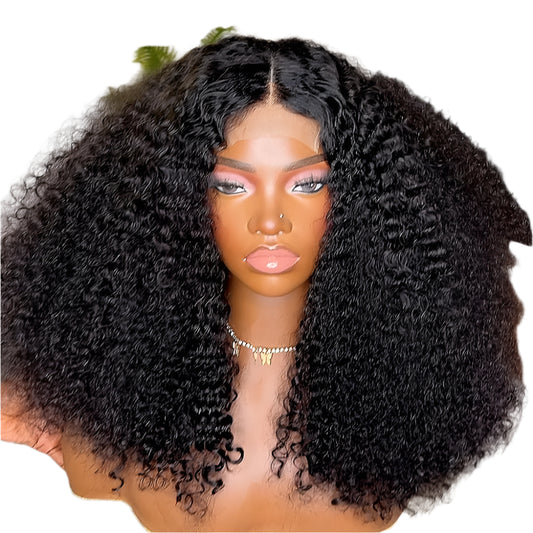
Peluca frontal de encaje HD rizada Kinky de doble estiramiento | Cabello humano de alta densidad
Precio habitual A partir de $176.00 USDPrecio habitual$0.00 USDPrecio de oferta A partir de $176.00 USD -
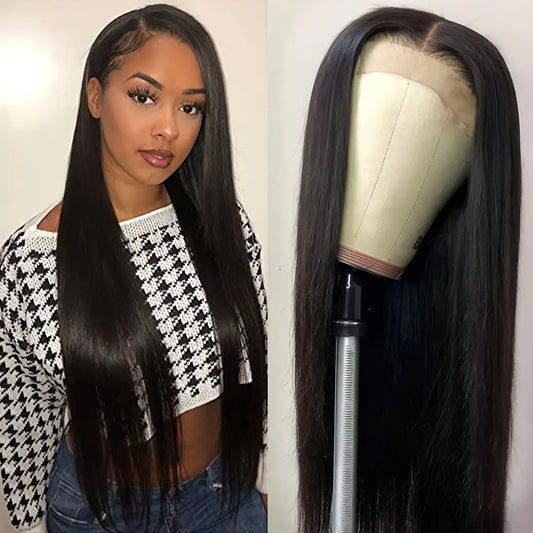
13x4 Transparent Lace Front Human Hair Wig – Straight & Body Wave | Brazilian Remy | 150% & 180% Density | 8–30 Inch
Precio habitual A partir de $221.00 USDPrecio habitual$0.00 USDPrecio de oferta A partir de $221.00 USD -
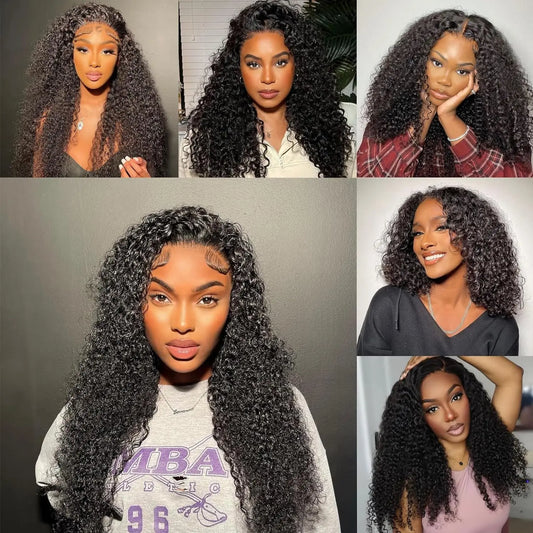
Curly Bob Human Hair Wig | 13x4 Lace Front | 250% Density | 8 Inches
Precio habitual A partir de $170.00 USDPrecio habitual$204.00 USDPrecio de oferta A partir de $170.00 USDOferta -
Ready-to-Wear Straight Glueless 6x4 Lace Closure Wig | 180% Density Pre-Cut & Pre-Plucked Swiss Lace Wig | 100% Brazilian Remy Human Hair Wear-and-Go Straight Wig for Women
Precio habitual A partir de $248.00 USDPrecio habitual$0.00 USDPrecio de oferta A partir de $248.00 USD -
Bone Straight HD Lace Frontal Wig - 13x6 Transparent Swiss Lace Front Wig - Pre-Plucked Glueless Brazilian Remy Human Hair Wig for Women (30-40 Inch On Sale)
Precio habitual A partir de $152.00 USDPrecio habitual$0.00 USDPrecio de oferta A partir de $152.00 USD -
Deep Wave 200% Density Glueless Lace Wig - 13x6 / 13x4 Transparent Lace Frontal & 6x4 Wear-and-Go Human Hair Wig - 100% Brazilian Remy Water Curly Long Wig for Women (32-34 Inch)
Precio habitual A partir de $227.00 USDPrecio habitual$0.00 USDPrecio de oferta A partir de $227.00 USD -
Deep Curly Short Bob Human Hair Wig - 13x4 Transparent Lace Frontal & Deep Wave Part Wig - 100% Brazilian Remy Human Hair Glueless Natural Black Curly Bob Wig for Women
Precio habitual A partir de $143.00 USDPrecio habitual$163.00 USDPrecio de oferta A partir de $143.00 USDOferta -
Bone Straight Short Bob Human Hair Wig | 150% Density Full Machine-Made Swiss Lace Wig | 100% Brazilian Remy Human Hair Glueless Straight Bob Wig for Women (8-16 Inches)
Precio habitual A partir de $141.00 USDPrecio habitual$161.00 USDPrecio de oferta A partir de $141.00 USDOferta







How to Choose Between a 13x4 and 13x6
The right choice depends on how you style your wig, how often you wear it, and which construction details matter most.
Choose based on your usual hairstyles
A 13x4 may be enough if you normally wear your hair down, use a straightforward middle part, or prefer a quick everyday installation. It can also suit beginners who don't need a large area to customize.
A 13x6 may be more useful if you often change your part, wear deep side parts, or want more freedom with half-up styles. The extra lace gives you more working space, but it may also require more attention during installation.
Think about your actual routine instead of choosing the larger number automatically. A deeper frontal offers options only when you use those options.
Check the construction before the lace size
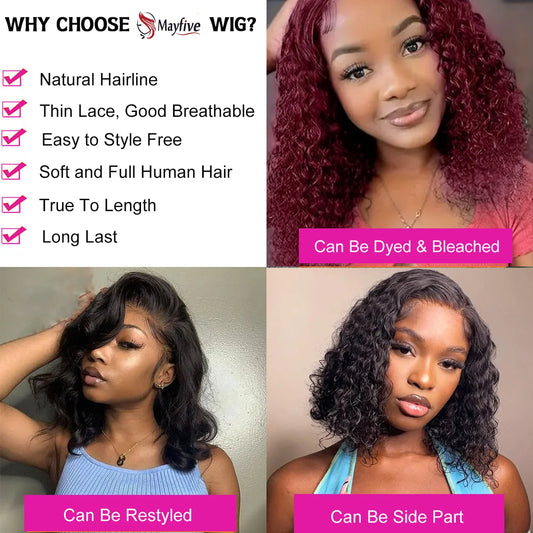
Read the listing for cap measurements, adjustable straps, combs, glueless features, and the type of lace. The cap needs to fit securely without excessive tension, and the lace color should blend with your skin tone or work with your preferred tinting method.
Density deserves equal attention. A 13x6 with 250% density will behave differently from a lighter 13x6, especially in curly textures. Luxegan's 250 density deep wave lace wig illustrates why texture and density belong in the decision. A deep wave style may need more volume, while a straight style may look more natural with moderate density.
Also check whether the hairline is pre-plucked, whether the knots are bleached, and whether the wig is ready to wear. These details can affect the final appearance more than two inches of lace.
Fit, Lace Color, and Density Matter More Than You Think
Lace size is easy to compare because it appears in the product title. The less visible details often determine whether a wig looks natural and feels comfortable.
A wig with lace that is too light, too dark, or poorly blended may remain noticeable at the hairline. HD or transparent lace can be helpful, but those terms don't guarantee a perfect match for every complexion. Product photos, customer reviews, and lace color descriptions can help you make a better choice.
Cap construction also affects comfort. Look for the stated cap size and adjustable features. A wig can have excellent lace and still feel unstable if the cap doesn't fit your head properly.
Density changes the appearance of the part. Very thick hair can make the lace look less scalp-like, while very light density may not provide the fullness you want. Curly and wavy hair can also appear fuller than straight hair at the same listed density.

Before buying, compare these details:
- Confirm the lace width and depth, then check the actual cap measurements.
- Look for the listed lace color instead of assuming every "transparent" lace is identical.
- Review density, texture, length, and whether the hairline is pre-plucked.
- Decide whether you want glueless wear, adhesive installation, or a wig that allows both.
- Read return and exchange terms before customizing or cutting the lace.
Frequently Asked Questions
Is a 13x6 wig better than a 13x4 wig?
Neither option is universally better. A 13x6 offers two additional inches of lace depth and usually provides more parting flexibility. A 13x4 may be a better fit for simple everyday styling, a preferred cap design, or a shopper who doesn't need deep parts.
Can you wear a middle part with a 13x4 wig?
Yes. A 13x4 lace front wig can support a middle part, especially when the part stays within its available lace area. The exact result depends on the hairline, density, ventilation, and installation. A 13x6 gives you more depth behind the part, but it isn't required for every middle-part style.
Which option is easier for beginners?
Many beginners find a 13x4 easier to manage because it has less lace to position and customize. However, a glueless 13x6 with adjustable straps and a pre-plucked hairline may also be beginner-friendly. The construction matters more than the size alone.
Does a 13x6 wig look more natural?
The extra lace can support a deeper-looking part, but natural appearance depends on several factors. Lace color, hairline design, knot size, density, cap fit, and installation all affect the result. A high-quality 13x4 can look more natural than a poorly constructed 13x6.
Conclusion
The main difference in 13x4 vs 13x6 wigs is depth, not width. Both usually measure about 13 inches across the front, while the 13x6 extends approximately 6 inches back compared with 4 inches for the 13x4.
Choose a 13x4 lace front wig for practical everyday styling and moderate parting space. Choose a 13x6 lace front wig when deeper parts and more flexible pulled-back styles matter to you. Whichever size you select, prioritize fit, lace color, density, cap construction, and hair quality because those details shape the final result.