

How to Choose Clip-In Extensions for Fine Hair
Fine hair can look fuller with extensions, but heavy wefts or bulky clips may show through or pull at delicate strands. The best clip-in extensions for fine hair add only the length or volume you want, blend with your natural texture, and feel comfortable while worn.
A polished result depends on more than color. Weigh the set, inspect the clips, and test the fit before wearing it for an event or a full day.
Key Takeaways
- Choose the lightest set that gives you the look you want, and consider a shorter length to limit added weight.
- Look for slim, secure clips and narrow wefts that lie flat beneath your own hair.
- Match color and texture in natural light, then compare the blend at the ends as well as near the roots.
- Place clips on sturdy sections, away from fragile edges, and remove them if they cause pulling or pain.
- Fine hair, active hair loss, and scalp sensitivity are different concerns. If you notice new shedding or irritation, pause use and ask a qualified professional for advice.
Choose a realistic length and amount
Extensions can add length, fullness, or both. For fine hair, decide which result matters most before buying. If you mainly want fuller ends, a shorter set may blend more naturally than a long, heavy one. For length, choose a modest increase that your own hair can cover without needing excessive wefts.
Weight and length both matter because added hair pulls on the attachment points. The British Association of Dermatologists notes that excessively long hair can contribute to traction alopecia because of its weight. That makes a lighter, shorter option a sensible place to start, though no universal weight is medically safe for everyone.
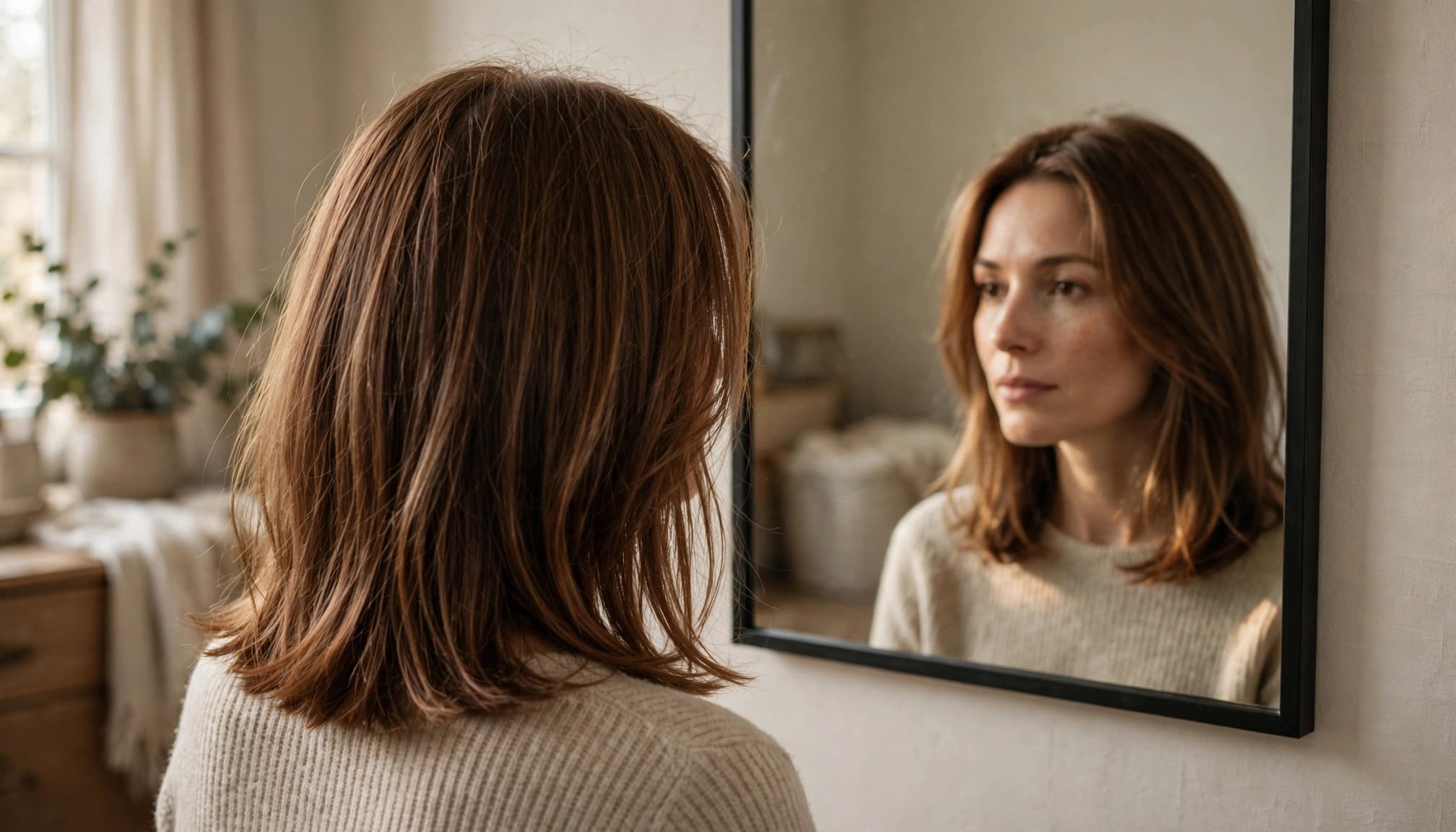
Treat product weights as examples
Product listings may show grams, but that number alone doesn't tell you whether a set will feel comfortable. Remy Clips, for example, lists 160 g, 220 g, and 280 g options at 20 inches. Those are product choices, not medical thresholds or recommendations for fine hair.
Ask the seller for the total set weight and how many wefts it includes. Then consider your own hair's density, strength, and length. When in doubt, choose less hair first. You can add a small piece where needed, but a heavy set can be difficult to conceal or wear comfortably.
Keep the length believable
A dramatic length change may require more hair to cover the transition between your natural ends and the extensions. That can make a set feel heavier and look less natural. A smaller increase often creates a smoother blend and less contrast in density.
Check the clips and wefts before buying
Clip construction affects comfort and how visible the extensions are. Fine strands can struggle to conceal wide, bulky wefts, especially near the temples or crown. Look for compact wefts that sit flat, with clips that close firmly without sharp edges or excessive bulk.
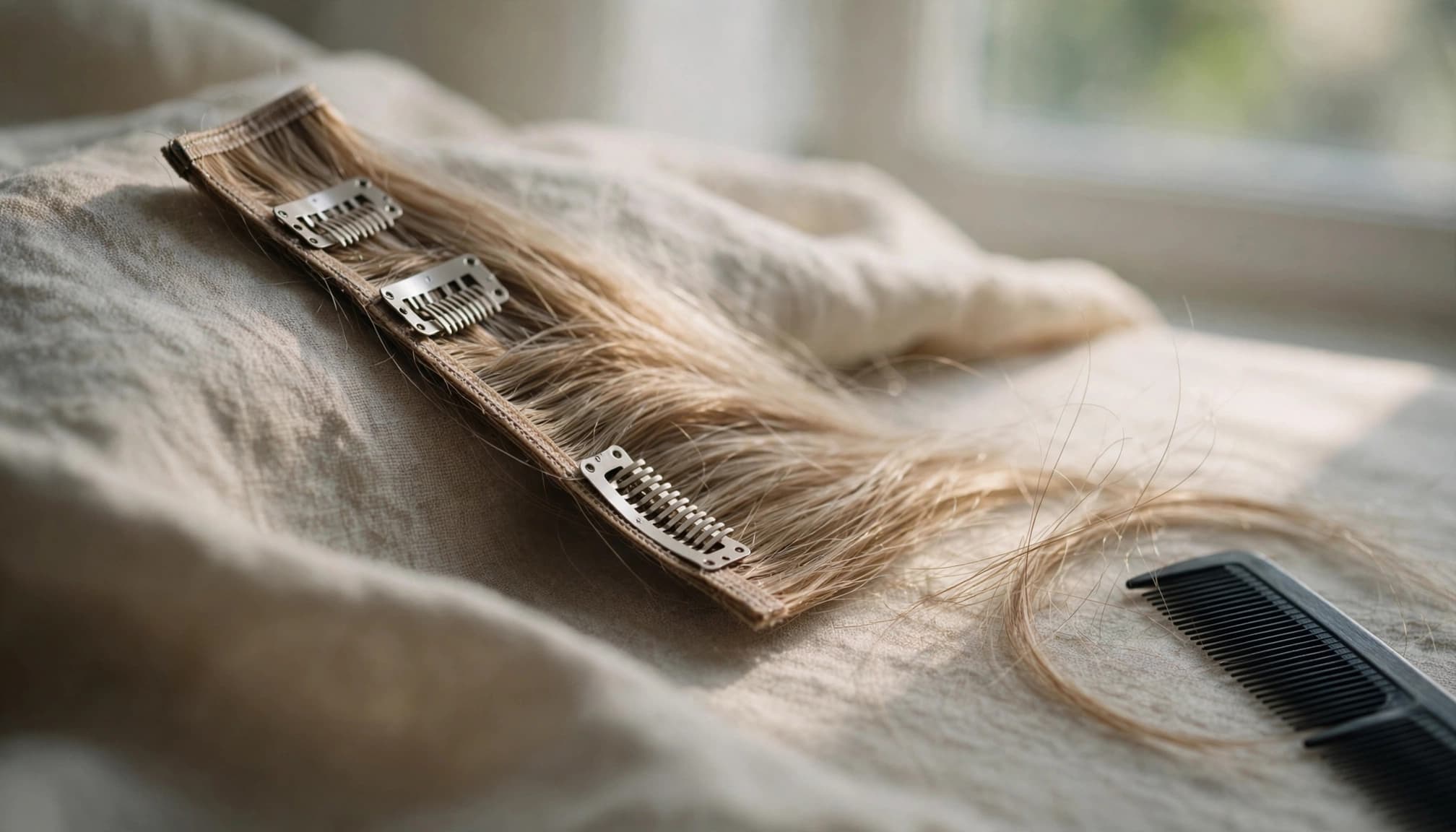
Check the clip finish and spacing
Product photos should show the clips clearly. Check that the teeth are smooth, the hinges move easily, and the closure doesn't look oversized for your hair. Clips need enough grip to stay in place, but a strong grip shouldn't require painful pressure or a tight section of hair.
Avoid choosing by clip count alone. More clips don't automatically mean a better fit, and the number doesn't establish a safe amount of tension. If a product page doesn't show the clips or explain the weft layout, ask for details before ordering.
Choose wefts that suit your hairstyle
A set with several smaller pieces can make it easier to place hair where you need it. However, adding every piece isn't necessary. For a half-up style, clips may be visible, so use fewer pieces or choose a hairstyle that covers the attachment points.
Match color and texture for a natural blend
A close color match helps extensions disappear into your own hair. Compare the shade with your mid-lengths and ends, since those areas usually sit next to the added hair. Check in daylight if possible. Indoor lighting can make warm browns look cooler or blondes look more golden than they are.
If your hair has highlights, lowlights, or naturally varied color, a single flat shade may look too uniform. A blended shade or subtle highlight can soften the transition. When the color is between two options, ask the seller for photos in natural light or a color-matching service, if available.
Match the texture you'll actually wear
Straight extensions can look separate from naturally wavy or curly hair unless you style the textures together. Choose a texture close to your usual finish, or plan to curl or wave both your hair and the extensions. For coily hair, compare curl pattern and density, not just the product's texture name.
Luxegan lists kinky curly human hair clip-in extensions and Jerry curl human hair clip-in extensions as different curl options. These are examples of textures to compare, not fine-hair-specific recommendations. Check the product details and consider whether the added volume will blend with your own hair.
Compare the ends as well as the roots
Extensions that match at the roots may still look obvious where the hair falls together. Before wearing them out, style your own hair and the extensions in the same way, then check the blend from the side and back. If the ends look too thick beside your natural hair, use fewer pieces or trim the extensions with a stylist's help.
Fit and secure clips without pulling
Clip-ins should rest close to the scalp without pinching it. Start with clean, dry, detangled hair so the clips don't slide over product buildup or knots. Make a horizontal part, then select a section wide enough to support the weft. Avoid attaching a heavy piece to a few fragile strands.
Open the clips and position the weft below the part, leaving enough natural hair above it to cover the seam. Close each clip gently. If you feel tugging as you move your head, open it and reposition the piece rather than pulling the hair tighter.
Place clips away from delicate edges
The hair around the temples, hairline, and part may be finer or more exposed. Avoid placing clips where they pull on these areas. Use the stronger hair at the back and sides of the head, while keeping wefts small enough for your natural hair to conceal.
The AAD warns that repeated pulling from hairstyles and extensions can cause traction alopecia. Its guidance on hairstyles that pull includes signs such as broken hairs and a receding hairline. Clips should never need backcombing or a tight grip to stay in place.
Do a comfort check before a long wear
Wear the set briefly at home before relying on it for a full day. Turn your head, sit, and move as usual. Check that the clips don't slide, poke, or make the scalp feel sore. Also inspect the result from different angles to see whether the wefts show when you move.
If one area feels heavier than the rest, remove a piece or adjust its position. Don't try to get used to pain. A comfortable fit is a basic requirement, not something to work toward through repeated wear.
Shop Los más vendidos
-
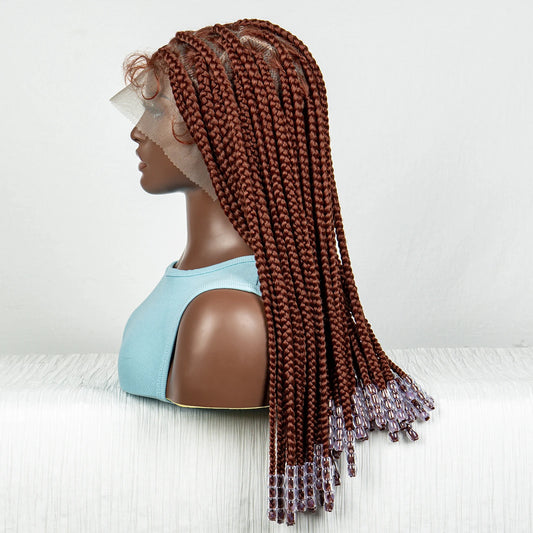
Peluca corta de locs falsos de diosa | Peluca de rastas con reflejos marrones | Peluca de crochet trenzada afro | Cabello sintético
Precio habitual A partir de $158.00 USDPrecio habitual$190.00 USDPrecio de oferta A partir de $158.00 USDOferta -
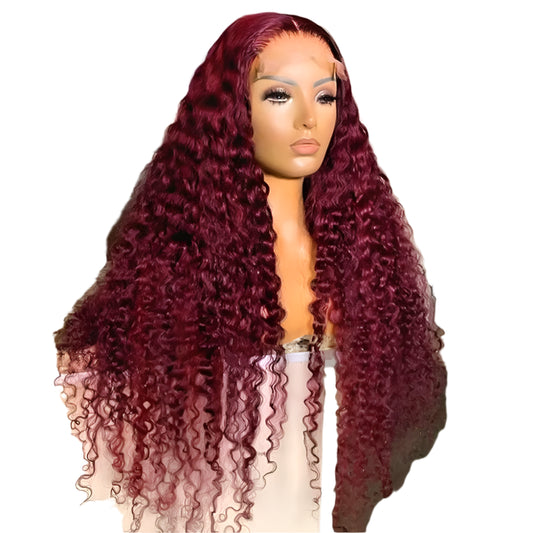
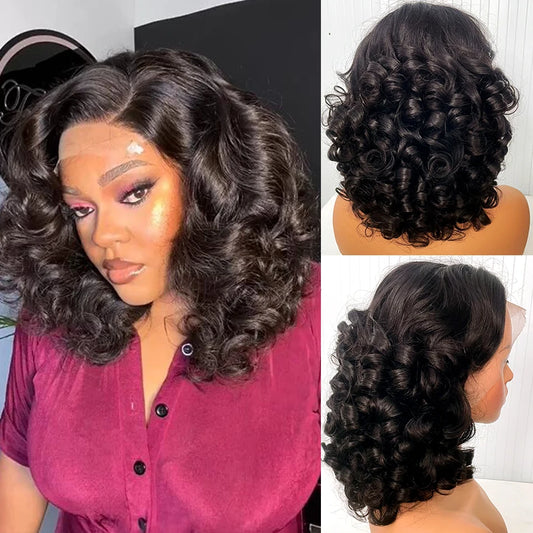
Peluca frontal de encaje HD de 13x6, rizada, de 30", color borgoña y chocolate, | Peluca de cabello humano de color 99J para mujeres | Onda profunda
Precio habitual A partir de $257.00 USDPrecio habitual$0.00 USDPrecio de oferta A partir de $257.00 USD -
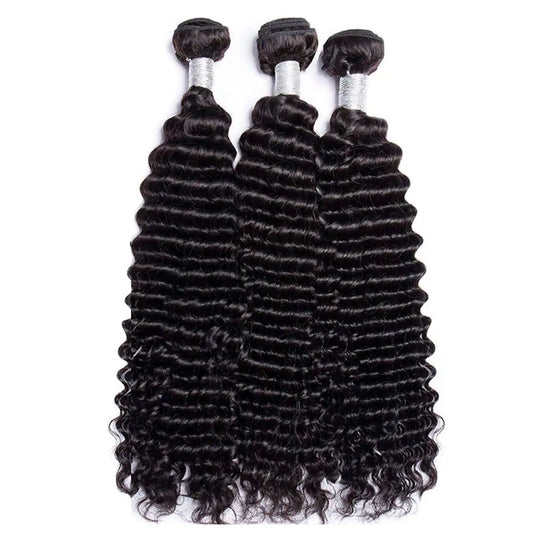
Paquetes de Cabello Humano Malayo Ondulado Profundo 12A | Extensiones de Tejido "Rizo Profundo" Sofisticadas | Opciones Elegantes de Paquetes Individuales/Múltiples de 30-32 Pulgadas | Trama de Cabello Remy "Digna" para un Estilo Radiante y Versátil
Precio habitual $364.00 USDPrecio habitual$0.00 USDPrecio de oferta $364.00 USD -
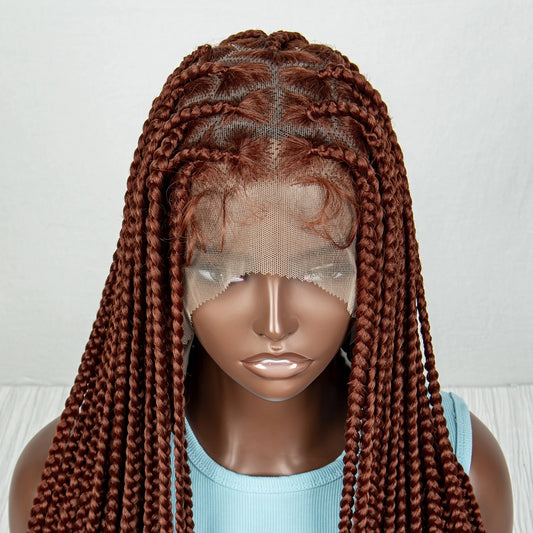
#350 Knotless Box Braids Wig | Short Lace Frontal Bob | Dark Ombre Ginger
Precio habitual $262.50 USDPrecio habitual$0.00 USDPrecio de oferta $262.50 USD -
Peluca corta de rastas falsas afro | Trenzas sintéticas resistentes al calor | Peluca unisex para mujeres y hombres negros
Precio habitual $90.00 USDPrecio habitual$120.00 USDPrecio de oferta $90.00 USDOferta -
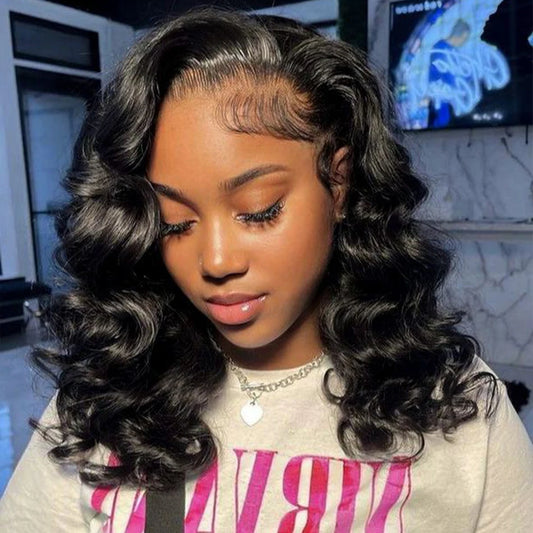
Peluca frontal de encaje HD 13x4 con cabello virgen vietnamita de donante 12A | Densidad del 250% | Doble capa | Ondas voluminosas | Sin pegamento
Precio habitual A partir de $242.00 USDPrecio habitual$0.00 USDPrecio de oferta A partir de $242.00 USD -
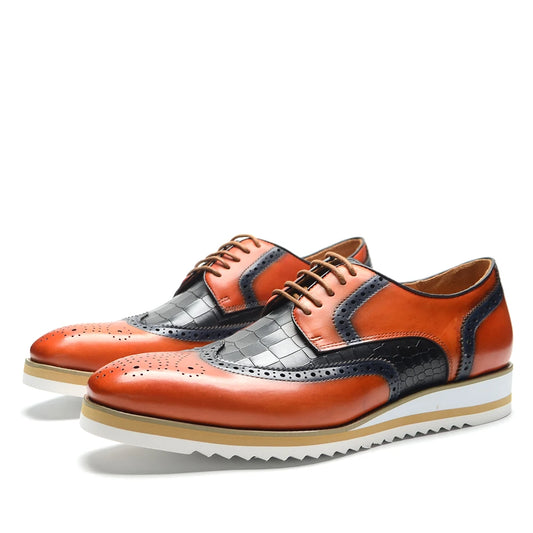
Zapatos Derby Wingtip para hombre de Italia | Oxfords clásicos modernos de bloques de color (aumento de altura, piel auténtica)
Precio habitual $263.00 USDPrecio habitual$301.00 USDPrecio de oferta $263.00 USDOferta -
Brazilian Human Hair 13x4 Lace Front Wig | Glueless, Pre-Plucked with Baby Hair
Precio habitual A partir de $99.00 USDPrecio habitual$132.00 USDPrecio de oferta A partir de $99.00 USDOferta





Care for extensions and remove them gently
Follow the care instructions that come with the set, since products differ in fiber, finish, and styling limits. For human-hair extensions, detangle gently from the ends upward and avoid pulling at knots near the clips. If you use heat, follow the seller's temperature guidance and apply heat protectant as directed.
Before removing a weft, support the hair near the clip with one hand and open the clip fully with the other. Don't yank the piece down while it's still attached. Remove clips one at a time, then detangle your natural hair carefully. Store the extensions dry and protected from tangles, using the product's recommended storage method.
Remove clip-ins before sleeping rather than leaving them attached overnight. Sleeping can add friction and tugging, especially if the hair knots around the clips. Also take them out if they become uncomfortable during the day. Regular breaks give you a chance to check your scalp and hair.
Know when fine hair needs a different approach
Fine hair describes the diameter of individual strands. It can be naturally fine, while still being dense and healthy. Thin hair usually describes lower overall density. Hair loss refers to shedding or reduced coverage, which can have many causes and deserves separate attention.
A sensitive scalp is another issue. Tenderness, itching, irritation, or a scalp condition can make clip placement uncomfortable even when the hair itself is strong. If you have ongoing scalp symptoms, recent shedding, or fragile areas, ask a dermatologist or hair-care professional whether clip-ins are suitable before wearing them.
Stop if you notice warning signs
Remove the extensions if you feel pain, stinging, persistent tenderness, or a pulling sensation. Also pause use if you notice broken hairs around the clips, a receding hairline, or thinning patches where the extensions sit. The British Association of Dermatologists' information on traction alopecia explains that repeated tension can damage follicles, and advanced hair loss may be permanent.
If irritation or unusual shedding continues after removing the clips, consult a dermatologist. Don't cover a sore or thinning area with additional extensions. A professional can help distinguish a styling problem from a scalp or hair-loss concern.
FAQ
Are clip-in extensions safe for fine hair?
They aren't risk-free for everyone. A light set, careful placement, and prompt removal when discomfort begins may reduce pulling, but no specific weight or wearing schedule is guaranteed safe. Avoid using them on hair or scalp that is already irritated or under strain.
How many clip-in wefts should I use?
There isn't a universal number. Start with fewer pieces and add only what your hair can conceal comfortably. If a weft feels heavy, strains a small section, or shows through, remove it rather than forcing the fit.
Can I wear clip-ins every day?
Daily use may repeatedly stress the same sections. Remove them before sleeping, take breaks, and check your hair and scalp regularly. If you notice soreness, breakage, or thinning, stop wearing them and seek professional advice.
Choose comfort over dramatic volume
The best clip-in extensions for fine hair are the ones that blend without asking fragile strands to carry too much. Start with a modest length and amount, inspect the clips, and check the fit at home before wearing the set for longer.
A natural-looking result should feel comfortable as well as look polished. If the clips pull, irritate your scalp, or coincide with breakage or thinning, remove them and get advice before trying another set.