

How to Care for a Colored Human Hair Wig
Your freshly colored wig can lose its softness long before you're ready to change the shade. Caring for a colored human hair wig means limiting friction, choosing suitable products, and treating heat as an occasional styling tool.
Because wig hair doesn't receive a replenishing supply of natural scalp oils, its lengths need careful conditioning. Gentle handling helps preserve both the color and the hair you already have.
Start with the wig maker's instructions, then adjust your routine to its texture, construction, and coloring history.
Why a Colored Human Hair Wig Needs Different Care
Coloring can leave hair more vulnerable to dryness and breakage, especially when the process includes bleaching. However, the condition before coloring also matters. Previously processed hair may tolerate another chemical service poorly.
Wig hair doesn't replenish itself
Unlike growing hair, a wig can't replace damaged lengths with new growth. Its ends remain the same ends through repeated washing and styling.
Wig hair also lacks the ongoing supply of scalp oils that helps lubricate attached hair. Although sweat and skin products can collect inside the cap, they don't provide reliable conditioning for the lengths.
For that reason, washing more often won't necessarily make a dry wig feel better. The routine needs cleansing when necessary and conditioning that reduces friction.
Softness doesn't mean damage has disappeared
Conditioners can improve slip and make rough hair feel smoother. They don't return chemically damaged strands to their original condition.
Even when a treatment improves the texture, keep handling the wig gently. Repeated bleaching, aggressive brushing, and excessive heat can cause damage that ordinary hair products can't reverse.
Jon Renau's human hair care guidance addresses common problems such as tangling and shedding. Your own wig's care instructions should remain the starting point.
Plan Your First Wash After Coloring
Before washing, keep the dye packaging or ask your colorist which coloring system they used. Permanent dye, bleach followed by toner, and direct-deposit colors don't have identical aftercare needs.
Follow the colorist's timing
There isn't one waiting period that suits every colored wig. Follow the colorist's advice alongside the wig maker's instructions, including any required final rinse or conditioning step.
Don't leave dye or bleach residue in the hair to avoid washing. Completing the coloring process correctly takes priority over delaying shampoo.
Afterward, wash according to wear and buildup rather than a rigid calendar. Kim Kimble Hair's care recommendations suggest washing and conditioning every 6 to 8 wears, using products for color-treated hair. Treat that as a starting point, not a rule for every wig.
Choose products for the hair and construction
Look for shampoo and conditioner intended for color-treated human hair and accepted by the wig manufacturer. A synthetic-wig product isn't automatically suitable.
Keep strong clarifying shampoos, color removers, and toning products out of your routine unless the maker or colorist recommends them. Purple shampoo can alter blonde or highlighted sections, so it shouldn't become an automatic wash-day step.
If adhesive residue needs removal, use the recommended lace-cleaning method. Scrubbing the lengths harder won't solve residue on the cap.
Wash Without Rubbing or Twisting the Hair
Set out your shampoo, conditioner, towel, and detangling tool before starting. Remove the wig and clean it separately, unless its attachment system requires professional maintenance.
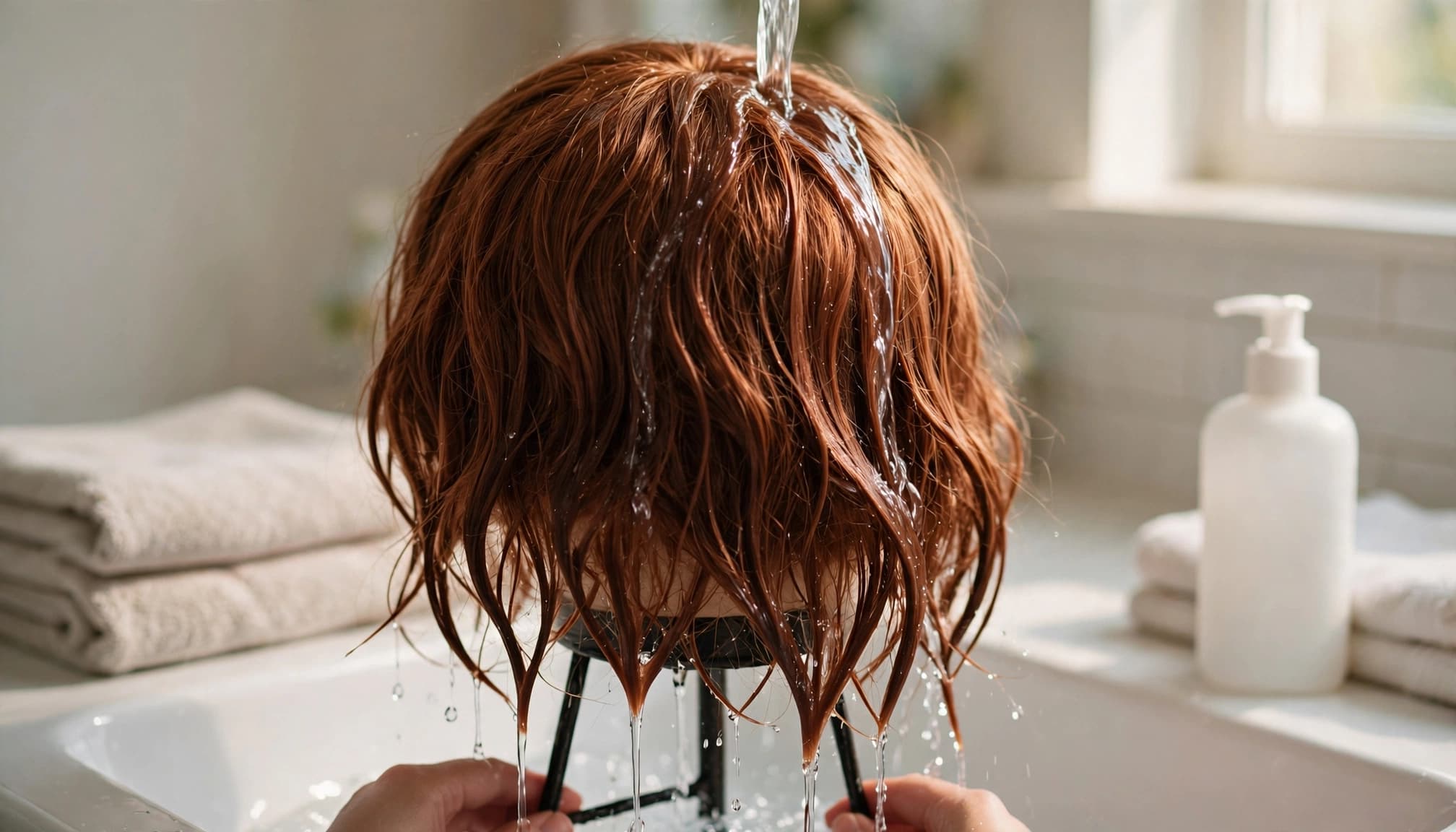
Jon Renau's care and styling guide recommends gently removing tangles before washing. Use the tool appropriate for your wig's texture, supporting each section so you don't pull against the cap.
- Detangle in small sections, beginning at the ends and working upward. For curly hair, follow the maker's detangling instructions rather than brushing out the pattern.
- Wet the hair using the manufacturer's recommended water temperature. Keep the strands aligned instead of bunching them into a ball.
- Apply the recommended amount of shampoo. Smooth it through gently, without scrubbing, circular rubbing, or vigorous agitation.
- Clean the cap carefully where sweat or product has collected. Avoid dragging your nails across lace or pulling at attachment points.
- Rinse thoroughly while keeping the hair aligned. Don't twist or wring the wig to remove water.
Water-temperature recommendations differ between wig makers. Follow the instructions for your piece rather than assuming every human-hair wig needs the same temperature.
If your colored human hair wig tangles during washing, stop rubbing. Support the hair and separate it gently using a method approved for that texture. Pulling through resistance can turn a manageable knot into breakage or shedding.
Condition the Lengths Without Coating the Cap
Conditioning belongs in a color-care routine because it improves manageability and reduces friction during detangling. However, applying more product doesn't automatically produce better results.
Keep conditioner where it's needed
Apply rinse-out conditioner mainly to the mid-lengths and ends, following the product and wig instructions. Avoid coating lace, hand-tied knots, adhesive areas, or the cap unless the maker permits it.
Leave the product on for its directed time, then rinse thoroughly. Residue can weigh down the hair and encourage another wash sooner than necessary.
If the ends still feel rough, ask whether a compatible conditioning treatment would help. Don't repeatedly layer masks, oils, and protein products in an attempt to restore chemically damaged fibers.
A smoother finish after conditioning doesn't mean the hair can safely tolerate another bleaching session.
Match finishing products to the texture
Use a small amount of an approved leave-in conditioner or styling product, concentrating on the lengths. Start lightly because excess product can flatten the style or create buildup.
For a curly style such as Luxegan's chocolate brown wet-and-wavy bob, preserve the curl pattern while applying product rather than repeatedly brushing it apart.
Judge results after the wig dries. If it feels coated, sticky, or unusually limp, reduce the amount next time instead of adding another product.
Dry Your Wig According to Its Care Instructions
First, gently blot excess water with a soft towel. Press the towel against the hair rather than rubbing it back and forth. Keep the lengths supported so their wet weight doesn't strain the cap.
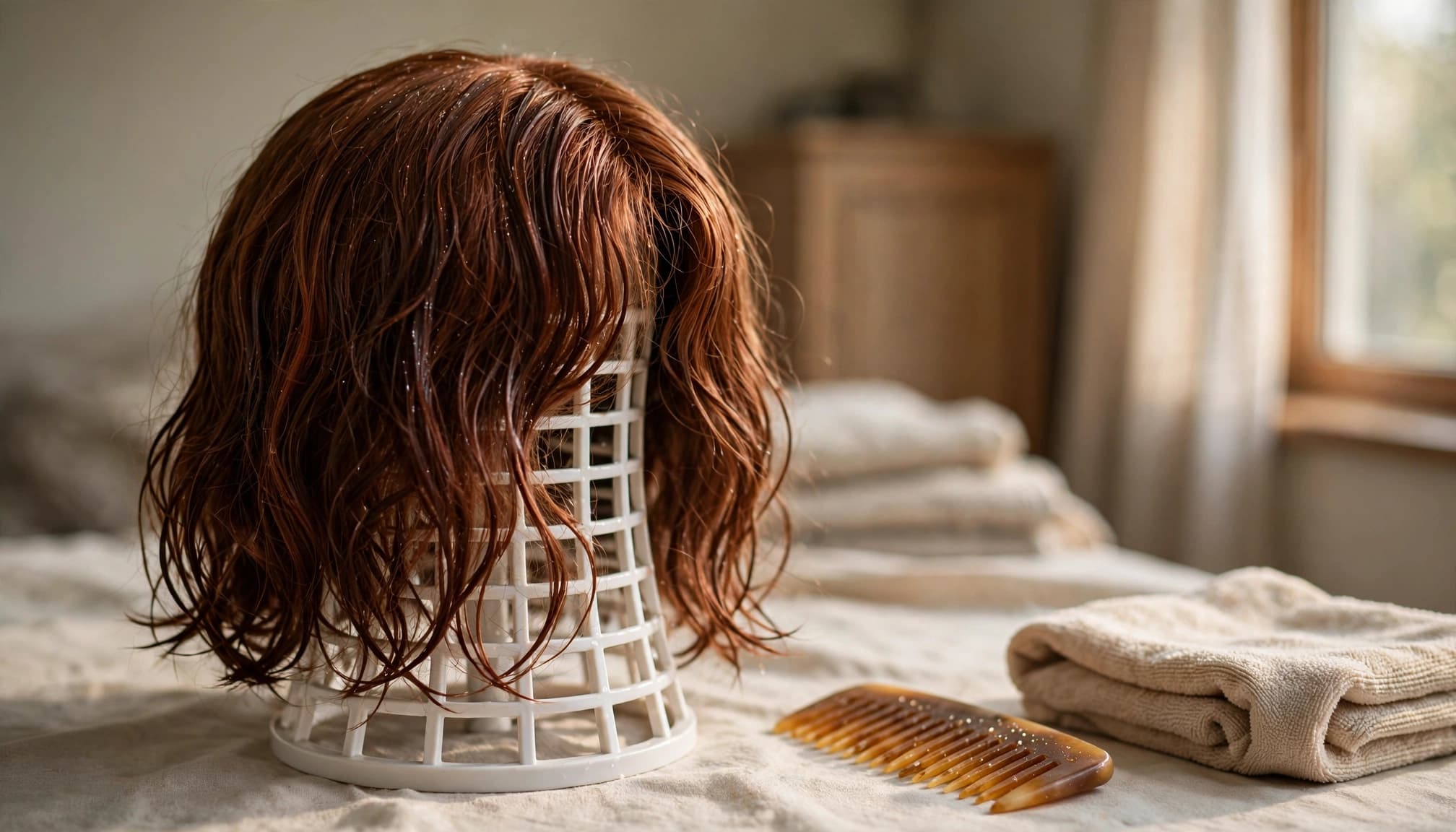
Air-drying is one option, but it isn't the required method for every human-hair wig. Some manufacturers recommend blow-drying to achieve the intended finish. Follow the method suited to your wig, its texture, and its current condition.
When air-drying is appropriate, use a suitable ventilated stand in a shaded, well-aired space. Avoid radiators, heated vents, and direct sunlight. Position the hair gently instead of stretching wet strands into place.
If blow-drying is recommended, use the manufacturer's settings and compatible styling products. Keep the dryer moving and avoid concentrating heat on lace or one section of hair.
Allow the cap and lengths to dry completely before enclosed storage. Putting away a damp wig traps moisture and can leave it smelling stale.
Shop Pelucas rubias
-
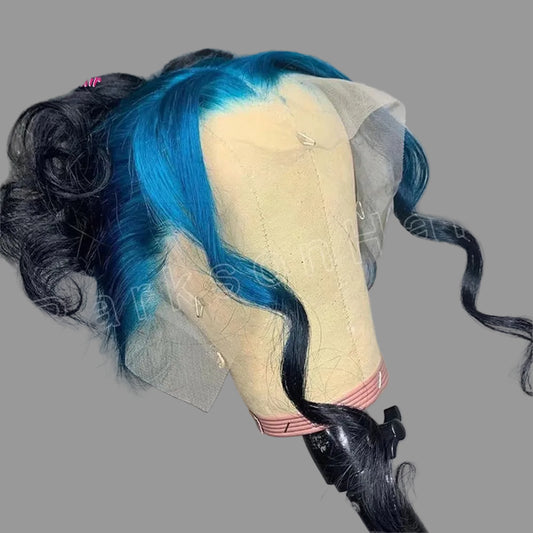
#4/613 Ombre Blonde Lace Front Wig | High-Impact Black with Blue Custom Tone Option | 13x4 HD Transparent Swiss Lace Frontal Body Wave Human Hair Wig for Women
Precio habitual $502.00 USDPrecio habitual$0.00 USDPrecio de oferta $502.00 USD -
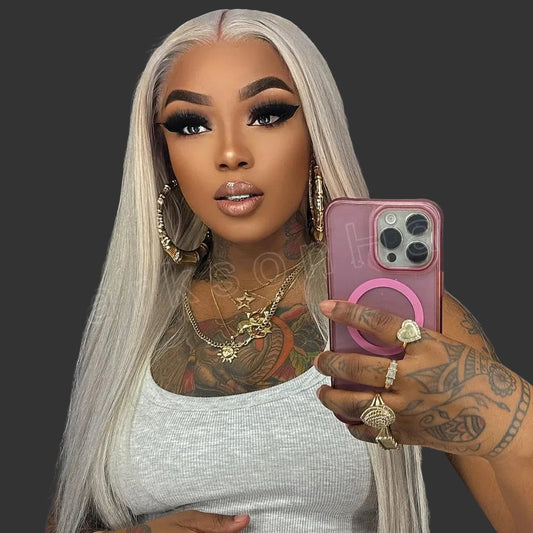
#60 613 Platinum Blonde Wear-and-Go Glueless Wig | 13x4 HD Transparent Lace Frontal Wig | 100% Brazilian Remy Human Hair Body Wave Long 26+ Inch Wig for Women
Precio habitual A partir de $249.00 USDPrecio habitual$0.00 USDPrecio de oferta A partir de $249.00 USD -
#60 Platinum Ash Blonde Lace Front Wig | 100% Brazilian Human Hair Glueless Wig | 13x4 & 13x6 HD Transparent Swiss Lace Frontal Body Wave Gown for Women
Precio habitual A partir de $249.00 USDPrecio habitual$0.00 USDPrecio de oferta A partir de $249.00 USD -
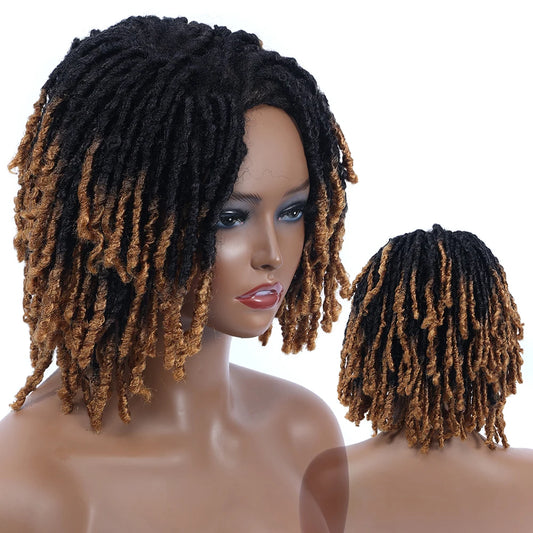
Peluca Bob Trenzado Corto de 10" | Locs Sintéticos y Rizos Entrelazados | Negro, Rubio, Rojo | Cabello Sintético
Precio habitual $153.00 USDPrecio habitual$184.00 USDPrecio de oferta $153.00 USDOferta -
Peluca frontal de encaje de jengibre ondulado 13x4 | Pelo sintético resistente al calor | Cosplay | Peluca larga ondulada | Rubia
Precio habitual A partir de $133.00 USDPrecio habitual$159.00 USDPrecio de oferta A partir de $133.00 USDOferta -
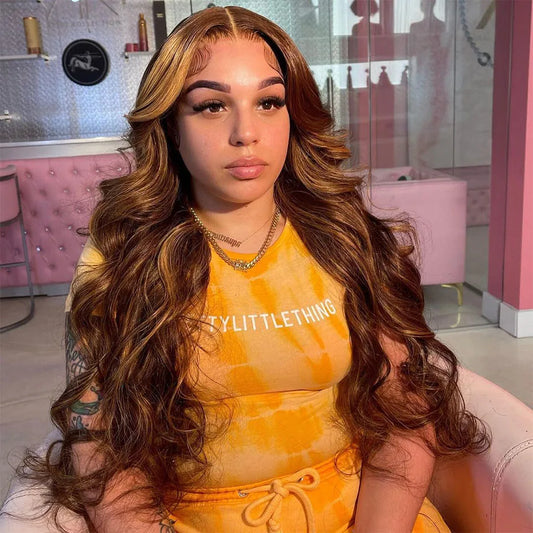
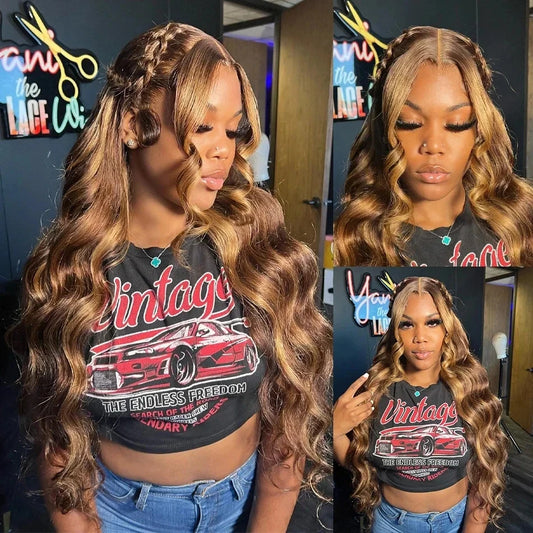
Peluca frontal de encaje transparente HD de 13x6 con ondas corporales | Rubio con mechas 4/27 | Cabello Remy brasileño | Pre arrancada | Largo
Precio habitual A partir de $106.00 USDPrecio habitual$176.00 USDPrecio de oferta A partir de $106.00 USDOferta -
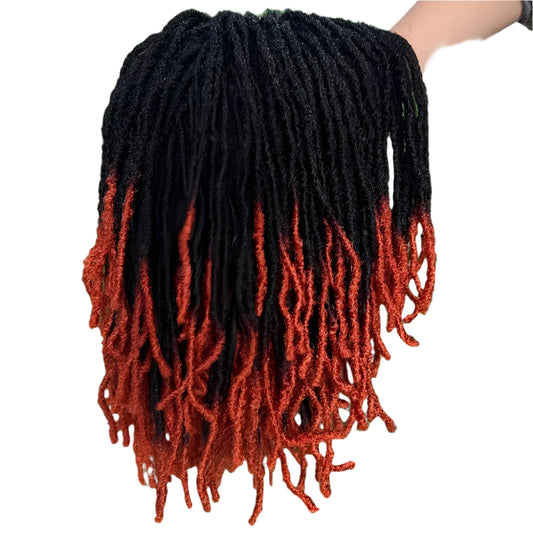
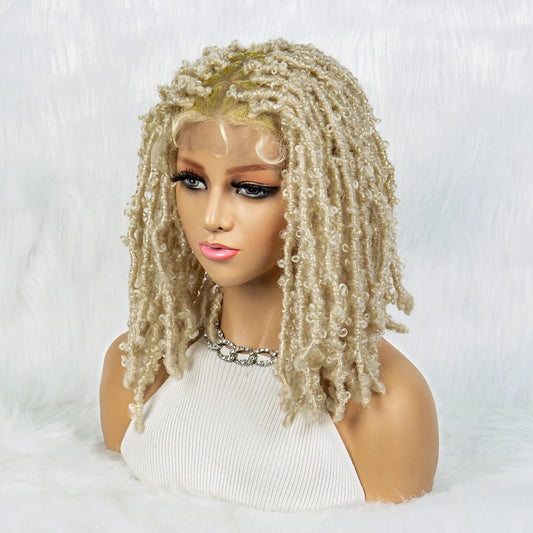
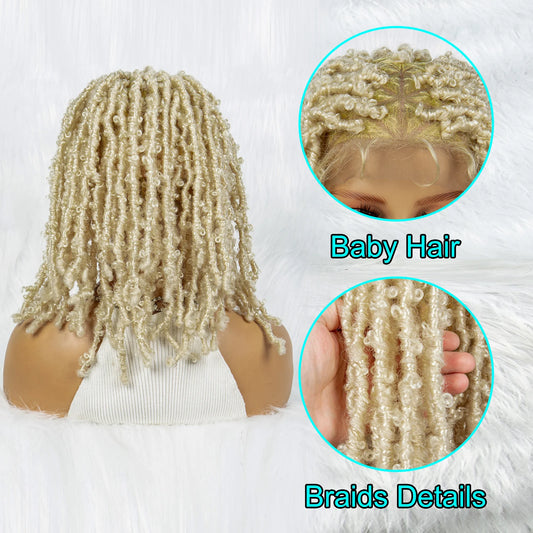
Peluca trenzada de 14" con rastas rubias | Pelo rizado afro de encaje completo
Precio habitual $172.00 USDPrecio habitual$197.00 USDPrecio de oferta $172.00 USDOferta -
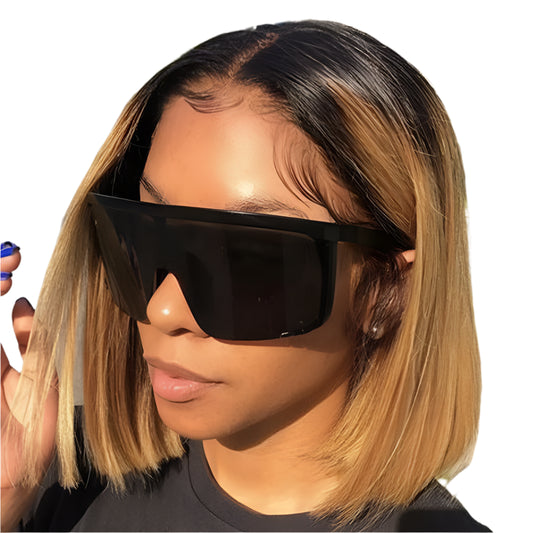
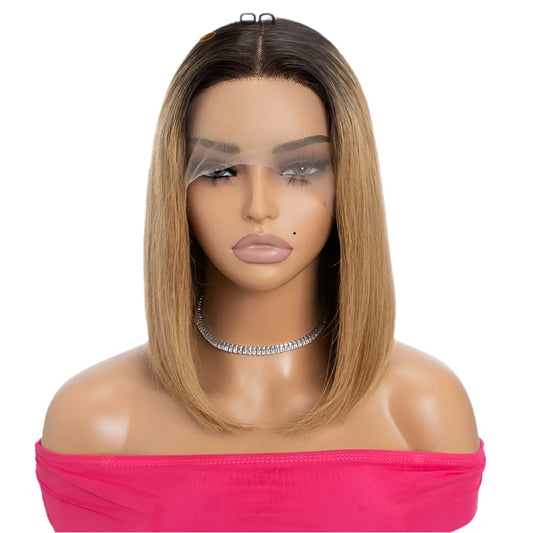
Peluca rubia miel bob de 180% de densidad | Cabello humano liso brasileño con encaje frontal en T
Precio habitual A partir de $121.00 USDPrecio habitual$145.00 USDPrecio de oferta A partir de $121.00 USDOferta






Keep Heat Styling Infrequent and Controlled
Colored human hair can accept heat styling when the manufacturer permits it. However, previous bleaching or visible breakage calls for extra caution.
Use a compatible heat protectant as directed, then choose the lowest effective setting within the maker's limits. A protectant doesn't make unlimited heat safe. Also, remember that a heat tool's maximum temperature isn't a recommended setting.
For flat irons and curling irons, work only on fully dry hair. Test a small, concealed section first and stop if you notice an unusual smell, brittleness, or a change in texture.
The American Academy of Dermatology's advice on hair habits that cause damage supports limiting heat and rough handling. These precautions also matter for processed wig hair.
Between styling sessions, preserve the existing finish whenever possible. Gently arrange curls with your fingers or use a maker-approved non-heat method. Repeated passes over the same ends add exposure without necessarily improving the style.
Keep hot tools away from the lace and cap. Those components need protection even when the hair itself tolerates heat.
Reduce Daily Friction and Store It Fully Dry
Daily wear can create tangles where the wig rubs against collars, scarves, and jacket seams. Check the nape and ends after wearing it, then separate small tangles before they tighten.
Support the hair near the cap while detangling. For straight styles, work upward from the ends with the recommended brush or comb. Curly wigs may need finger-detangling or a different routine, so keep the texture instructions handy.
Remove the wig before sleeping whenever its attachment allows. Pillow friction can disturb the style and increase tangling. If you wear a professionally bonded system, ask your installer about overnight protection and maintenance.
For short-term storage, place a completely dry wig on an appropriately sized stand that won't stretch its cap. Keep it away from sunny windows, bathrooms with persistent humidity, and direct heat.
For travel or longer storage, follow the maker's packaging instructions. Keep the hair loosely arranged and protected from heavy objects rather than packing it under toiletries.
Before swimming, ask about the wig's suitability. Chlorine, salt water, and the extra detangling afterward can complicate care, particularly for already processed hair.
Seek Professional Help Before Damage Gets Worse
Contact a stylist experienced with human-hair wigs when the hair develops persistent matting, increased shedding, or breakage despite gentle care. Lace tears, loose attachment points, and thinning areas also need assessment.
After coloring, hair that feels gummy when wet or snaps during careful detangling needs professional attention. Pause chemical services and heat styling rather than testing another home treatment.
Bring the wig's product information and coloring history to the appointment. Include the dye or bleach used, any toner, and the treatments you've applied since. That helps the stylist assess what the hair has already undergone.
Uneven color, unwanted warmth, and stubborn fading also deserve a consultation before correction. A stylist may recommend a controlled color adjustment, trimming damaged ends, or leaving the hair alone.
Conditioning has limits. It can improve handling, but it can't replace missing hair, mend torn lace, or reverse severe chemical damage. Sometimes a professional can improve the appearance without further coloring. In other cases, replacement is the more practical choice.
Preserve the Color With Consistent, Gentle Care
A colored human hair wig needs a routine that respects both its processed strands and its construction. Follow its care instructions, condition the lengths, and keep friction and heat exposure low.
The strongest habit is responding early when the texture changes. Gentle maintenance can preserve softness and manageability, while professional assessment helps you avoid adding damage that ordinary treatments can't undo.