

Crochet Braid Care Between Wash Days: A Gentle Routine
Crochet braids can keep your natural hair tucked away, but a protective style still needs a clean, comfortable scalp. Good crochet braid care means tending to your roots without piling on products or pulling at the installation.
A few small habits can help your style stay neat between washes. Check the scalp, use moisture sparingly, and pay attention to any discomfort. Start with a simple routine you can adjust to your hair and extensions.
Key Takeaways
- Check your scalp and the hairline regularly, using your fingertips rather than your nails.
- Apply lightweight products in small amounts, and stop if they leave buildup or irritation.
- Wash when your scalp and hair need it. There isn't one schedule that suits everyone.
- If your scalp gets damp, dry it thoroughly before covering your hair or going to bed.
- Tightness, persistent itching, soreness, or irritation are reasons to reassess the style.
Check Your Scalp Without Disturbing the Style
A quick scalp check helps you notice discomfort or buildup before it becomes harder to manage. You don't need to loosen every crochet loop. Gently part the extensions in a few accessible spots and look at the scalp and roots.
Look for changes at the roots
Use clean hands and soft fingertips to check along the part lines, around the ears, and at the hairline. Notice whether the scalp feels comfortable and looks free of visible buildup. Avoid scratching or tugging at the cornrows, since repeated friction can irritate the scalp and stress the hairline.
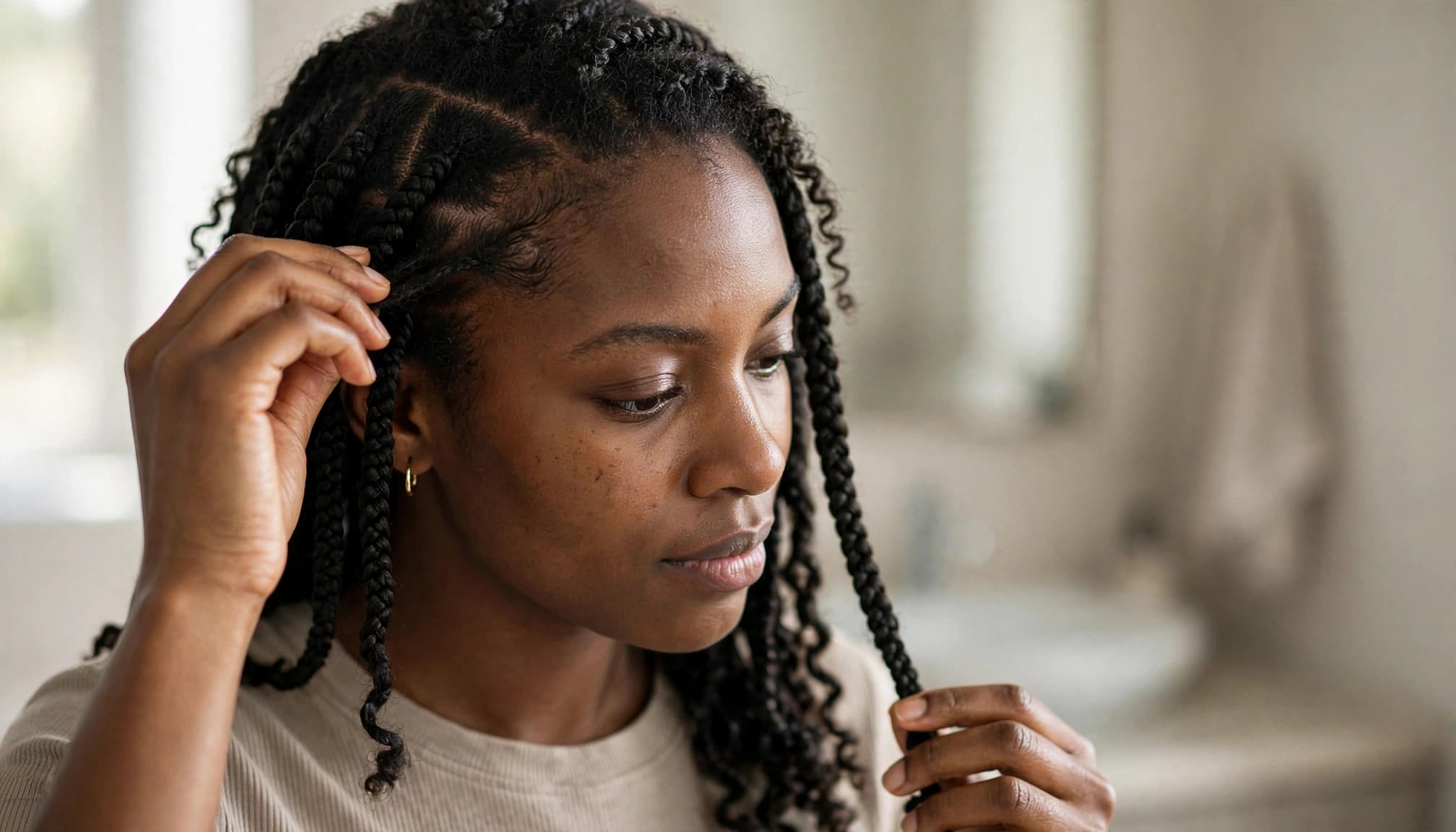
If you can't see part of your scalp easily, don't force the extensions apart. Check the areas you can reach and ask your stylist how to inspect or cleanse the rest without disturbing the install.
Pay attention to how the style feels
A style can look tidy and still feel too tight. Notice pressure at the roots, soreness when you move the hair, or changes around your edges. A comfortable protective style shouldn't require you to ignore pain or ongoing irritation.
Add Moisture and Product With a Light Touch
Between wash days, use products only when your scalp or natural hair needs them. More oil or cream doesn't necessarily mean more moisture, and heavy layers can collect dust and residue around the base.
Choose products for your scalp and extensions
Product compatibility depends on both the extension material and the way the style was installed. Synthetic fibers and human hair may have different care requirements, so check the product instructions and ask your stylist before applying heat, oils, or rich leave-in products.
For instance, Luxegan's Afro curly deep wavy crochet hair listing advises avoiding excessive heat and air-drying the hair completely if it's shampooed. Treat that as guidance for the specific extension, not a rule for every crochet style.
Apply a small amount, then reassess
If your scalp feels dry, try a light mist or a small amount of a compatible product along the exposed parts. Apply it to the scalp rather than coating the extension hair, and spread it gently with your fingertips. Avoid pouring oil over the whole style or layering several products at once.
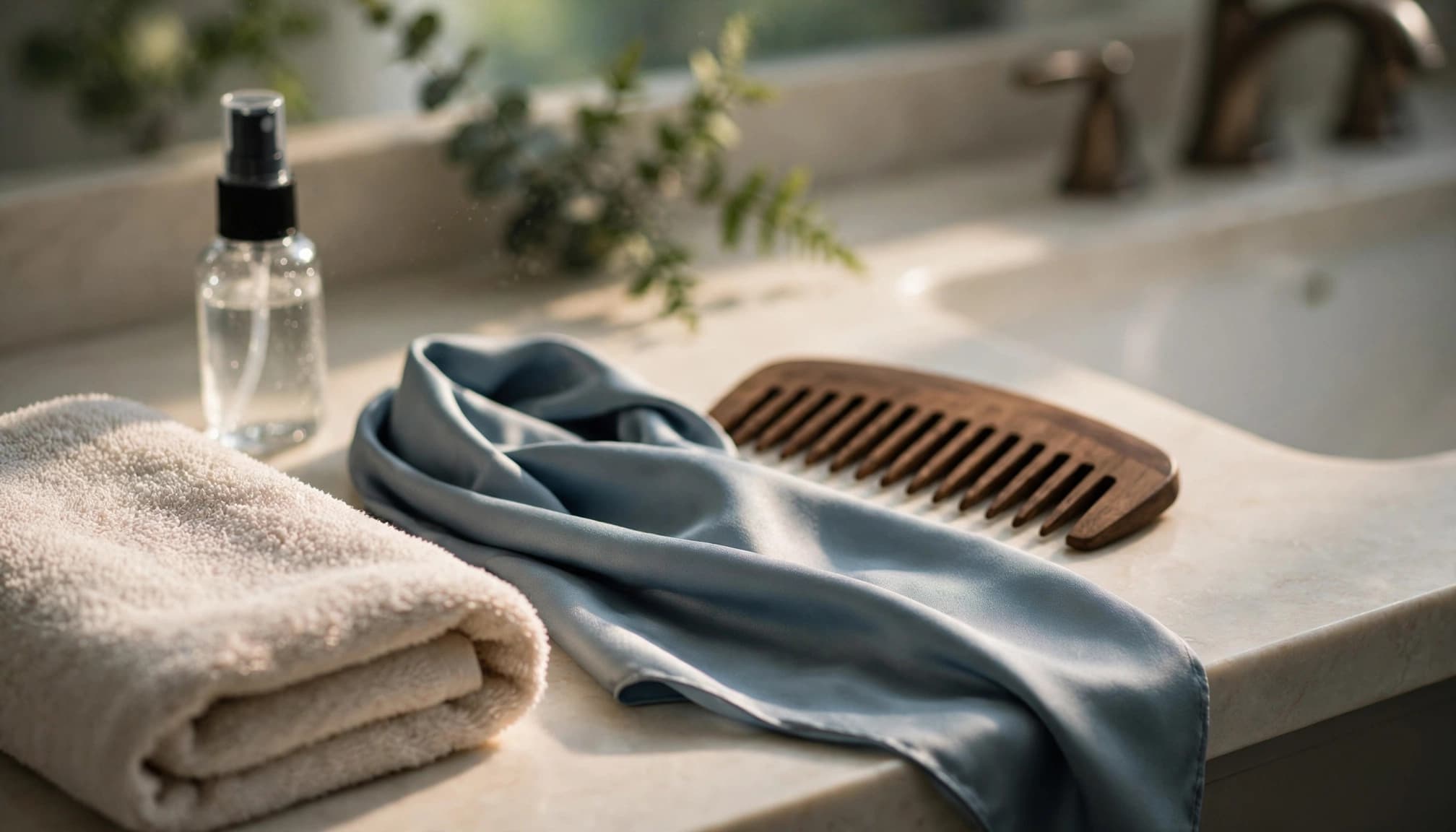
After applying anything, check how your scalp feels. If the product causes itching, stinging, or buildup, stop using it and cleanse the area when you can do so safely.
Cleanse and Dry Your Scalp Carefully
A protective style doesn't remove the need for scalp hygiene. Sweat, natural oils, and product residue can build up between the cornrows, so use a washing routine that suits your needs and the installation.
Let your scalp guide wash timing
There's no single wash-day interval that fits every person or crochet style. The American Academy of Dermatology advises washing extensions or weaves as often as needed for your hair type, using gentle, moisturizing shampoo and conditioner. If your scalp feels sweaty or coated, consider washing sooner rather than waiting for a fixed date.
When the installation allows, direct diluted shampoo or a gentle cleanser along the parts and massage with your fingertips. Avoid aggressive scrubbing, twisting the braids, or dragging the lengths around. Rinse carefully so cleanser doesn't remain trapped near the roots. If you're unsure how to wash without loosening the style, ask your stylist.
Dry the scalp completely if it gets damp
After washing, press a soft towel against the extensions to absorb excess water. Don't rub or wring the hair. Then allow air to circulate around the roots and lift sections gently where you can, so moisture doesn't stay trapped beneath the style.
If you use a dryer, follow the care instructions for your extension material and avoid excessive heat. Synthetic hair in particular may not tolerate the same heat as human hair. Before tying a scarf or lying down, check that the scalp and cornrows feel dry, not cool or damp.
Keep the Extensions Neat With Gentle Handling
Crochet styles vary widely, so the best way to maintain the visible hair depends on its texture and fiber. A soft, light touch helps preserve the shape without putting extra tension on your natural hair.
Refresh curls or twists selectively
If curls look compressed, separate a few strands gently with your fingers rather than combing through the full style. For twists or braids, smooth flyaways lightly with a compatible product only if needed. Avoid pulling at knots or repeatedly fluffing the same area, which can create frizz and strain the base.
If the extension hair tangles, work slowly from the ends and follow the manufacturer's care instructions. Don't use a brush or hot tool just because it works on your natural hair. The material may respond differently, and some synthetic fibers can be damaged by heat.
Reduce friction during daily styling
When putting the style up, gather it loosely rather than pulling tightly at the roots. Try a position that doesn't tug on your edges, and use a soft hair tie that won't snag the extensions. If a style feels tight or uncomfortable, take it down and wear the braids loose while you reassess.
Small adjustments can also reduce rubbing against clothing, bag straps, or headrests. If a particular area keeps catching, reposition the hair instead of repeatedly tugging it free.
Shop Los más vendidos
-
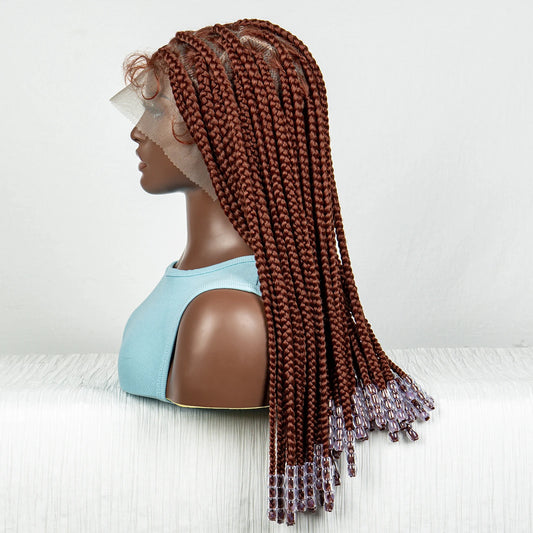
Peluca corta de locs falsos de diosa | Peluca de rastas con reflejos marrones | Peluca de crochet trenzada afro | Cabello sintético
Precio habitual A partir de $158.00 USDPrecio habitual$190.00 USDPrecio de oferta A partir de $158.00 USDOferta -
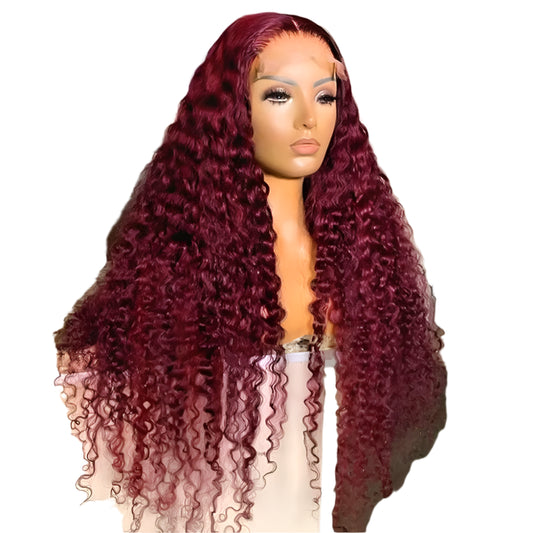
Peluca frontal de encaje HD de 13x6, rizada, de 30", color borgoña y chocolate, | Peluca de cabello humano de color 99J para mujeres | Onda profunda
Precio habitual A partir de $257.00 USDPrecio habitual$0.00 USDPrecio de oferta A partir de $257.00 USD -
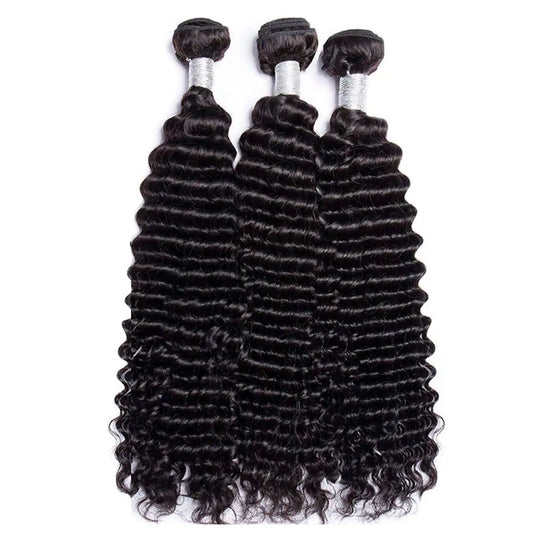
Paquetes de Cabello Humano Malayo Ondulado Profundo 12A | Extensiones de Tejido "Rizo Profundo" Sofisticadas | Opciones Elegantes de Paquetes Individuales/Múltiples de 30-32 Pulgadas | Trama de Cabello Remy "Digna" para un Estilo Radiante y Versátil
Precio habitual $364.00 USDPrecio habitual$0.00 USDPrecio de oferta $364.00 USD -
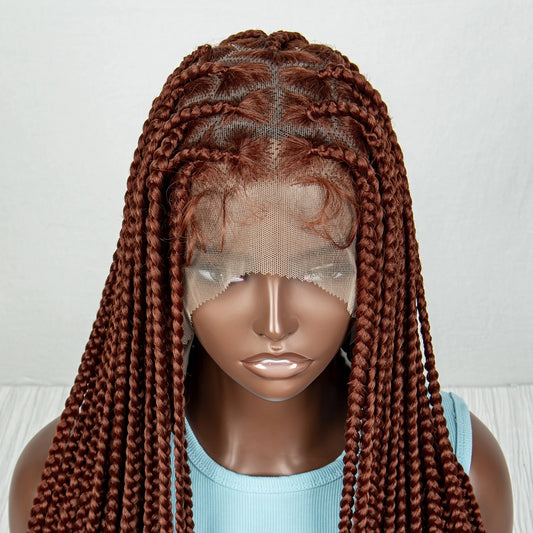
#350 Knotless Box Braids Wig | Short Lace Frontal Bob | Dark Ombre Ginger
Precio habitual $262.50 USDPrecio habitual$0.00 USDPrecio de oferta $262.50 USD -
Peluca corta de rastas falsas afro | Trenzas sintéticas resistentes al calor | Peluca unisex para mujeres y hombres negros
Precio habitual $90.00 USDPrecio habitual$120.00 USDPrecio de oferta $90.00 USDOferta -
Peluca frontal de encaje HD 13x4 con cabello virgen vietnamita de donante 12A | Densidad del 250% | Doble capa | Ondas voluminosas | Sin pegamento
Precio habitual A partir de $242.00 USDPrecio habitual$0.00 USDPrecio de oferta A partir de $242.00 USD -
Zapatos Derby Wingtip para hombre de Italia | Oxfords clásicos modernos de bloques de color (aumento de altura, piel auténtica)
Precio habitual $263.00 USDPrecio habitual$301.00 USDPrecio de oferta $263.00 USDOferta -
Brazilian Human Hair 13x4 Lace Front Wig | Glueless, Pre-Plucked with Baby Hair
Precio habitual A partir de $99.00 USDPrecio habitual$132.00 USDPrecio de oferta A partir de $99.00 USDOferta





Protect the Style Overnight
Nighttime friction can rough up curls and twists, while a tight wrap can pull on the hairline. Keep the routine simple and comfortable.
Use a satin or silk covering
A satin or silk scarf, bonnet, or pillowcase can reduce friction while you sleep. The British Association of Dermatologists includes a satin or silk covering in its general guidance for afro-textured hair. Keep the covering loose enough that it doesn't press on your edges or make the scalp feel sore.
If the style is long, gather it gently before covering it. Avoid folding or tying it so tightly that the roots bear the weight of the extensions.
Don't cover damp roots
If sweat, mist, or washing has left the scalp damp, let it dry before putting on a bonnet or scarf. Covering damp roots can hold moisture against the scalp and make the style uncomfortable. Give the sections time to air-dry, or use a suitable drying method recommended for your extension material.
Watch for Tension, Irritation, and Hair Changes
Comfort is a useful guide to whether a style is working for you. Check the roots and hairline regularly, especially if the installation felt tight at first or the extensions are heavy.
Loosen or remove a style that causes symptoms
The American Academy of Dermatology advises loosening braids, especially around the hairline, when a style pulls. Its guidance also identifies pain, stinging, crusts, or skin that appears raised and stretched as reasons to change the hairstyle. If you have tightness, persistent itching, soreness, or irritation, arrange to have the style loosened or removed and seek professional advice if symptoms continue.
The AAD also warns that repeated tension from hairstyles can contribute to hair loss. Its guidance on hairstyles that pull recommends avoiding styles that cause pain or discomfort. Don't wait for visible thinning before taking persistent tension seriously.
Consider the installation, not only the scalp
Discomfort can come from the braid base, the weight of the extensions, or how tightly the hair was installed. A stylist can help assess whether loosening a few areas is enough or whether the whole style should come out. If you notice broken hairs, a receding hairline, or patches of hair loss, seek advice from a dermatologist.
The AAD's tips for managing hair loss also recommend avoiding hairstyles that pull on the hair. A protective style should fit your scalp and hair, not require you to tolerate ongoing soreness.
How Long Should You Keep Crochet Braids In?
Wear time depends on the installation, your scalp, your natural hair, and the extension material. The AAD's general braid guidance recommends wearing braids for no longer than six to eight weeks. That's useful context, but it isn't a crochet-specific maximum or a guarantee that every installation will stay comfortable for that long.
Check the base as the style wears. If the braids loosen, roots mat, the scalp becomes difficult to cleanse, or discomfort develops, plan to remove the style rather than stretching the wear time. Your stylist can help set a suitable schedule based on the installation and your hair's condition.
After removal, handle your natural hair gently. Carefully undo the cornrows, work through shed hair with patience, and cleanse and condition the scalp and hair before installing another style. If you're unsure how to remove the extensions without pulling, ask a professional for help.
Crochet Braid Care FAQ
Can I oil my scalp every day?
Daily oiling isn't necessary for everyone. Start with a small amount of a product compatible with your scalp and extensions, then see how your skin responds. If it leaves residue or makes itching worse, stop and wash the scalp when appropriate.
Should I wash crochet braids on a fixed schedule?
There's no universal interval. Consider your scalp, activity level, hair needs, and installation instructions. Wash when your scalp needs cleansing, and ask your stylist for a method that reaches the roots without disturbing the base.
What if my scalp gets wet but I'm not washing?
Let it dry thoroughly. Separate accessible sections gently to improve airflow, and avoid covering the scalp or going to bed while it's damp. Follow the extension maker's care instructions if you use a dryer.
Is itching normal with crochet braids?
Mild, brief itching can have different causes, but persistent itching, soreness, tightness, or irritation shouldn't be ignored. Check for product buildup, stop any product that seems to irritate your scalp, and ask a stylist or health professional for advice. Loosen or remove the style if it keeps pulling or causing discomfort.
Keep Your Scalp Comfortable Between Wash Days
A fresh-looking style starts with a scalp that feels comfortable. Check the roots, keep products light, cleanse when needed, and dry damp areas fully.
Crochet braids should protect your hair without making you tolerate pain or irritation. When the style stops feeling comfortable, changing or removing it is part of good care.