

How to Choose Earrings for Every Wig Length
The right pair of earrings can add polish to a wig style, but hair length changes what you see and how jewelry moves. When choosing earrings for wigs, consider visibility, the shape of the hair, comfort, and where you plan to wear them. These are flexible styling ideas, not rules. Your favorite pair is the one that feels comfortable and works with your whole look.
How to choose earrings for wigs of different lengths
Wig length affects how much of an earring shows and whether it sits against hair. Use these suggestions as a starting point, then try your preferred pieces with the wig on.
Short wigs: use the ear as an accent
Pixie cuts and chin-length bobs leave more of the ear visible, so small hoops, huggies, studs, and compact drops can all work. A slim hoop can echo a curved bob, while a bright stud adds a point of color without competing with a bold cut.

If your wig has bangs, volume, or a strong silhouette, try a simple earring first. A statement piece can still work, especially when the hair is tucked back or the outfit is minimal. A short wet-and-wavy style, for example, can pair with either neat hoops or a single standout shape.
Medium-length wigs: balance hair and movement
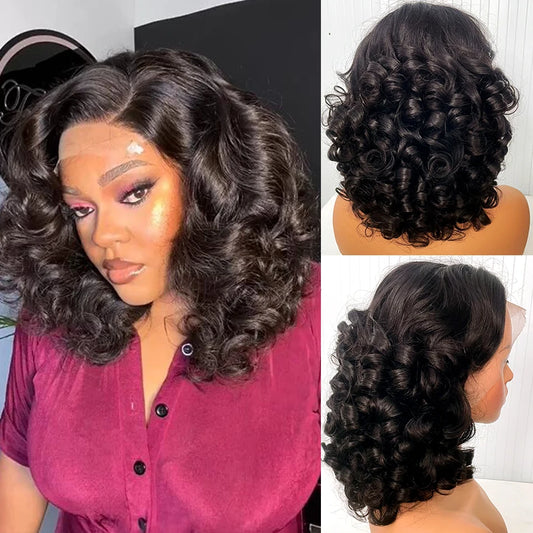
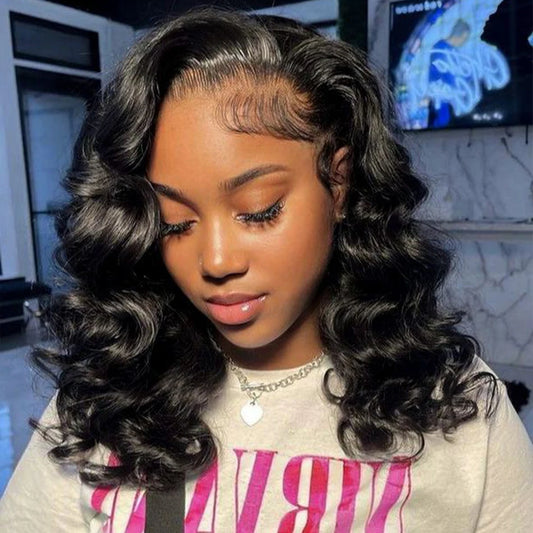
Shoulder-length hair often covers part of the ear, particularly with curls or layers. Small-to-medium drops and smooth hoops can stay visible while adding movement below the hairline. If curls are dense, choose a clear shape that won't disappear into the texture.

A side part or one side tucked behind the ear can reveal an earring without changing the whole style. With straight, shoulder-length hair, you might prefer a larger hoop or brighter finish because the smoother hair creates a simpler backdrop.
Long wigs: keep the shape smooth and visible
Long hair can cover earrings or brush against them as you move. Studs, small hoops, and sleek drops are easy options because they have fewer edges or loops to catch in the fibers. If you want a longer statement earring, sweep or tuck hair behind one ear so the shape stays visible.

Check visibility and overall balance
An earring can be beautiful yet barely show beneath a wig. Before leaving home, look at the full style from the front and side, not only in a close-up mirror. Notice whether hair covers the earring, pushes it forward, or makes it swing against the fibers.
Match the earring to the hair's volume
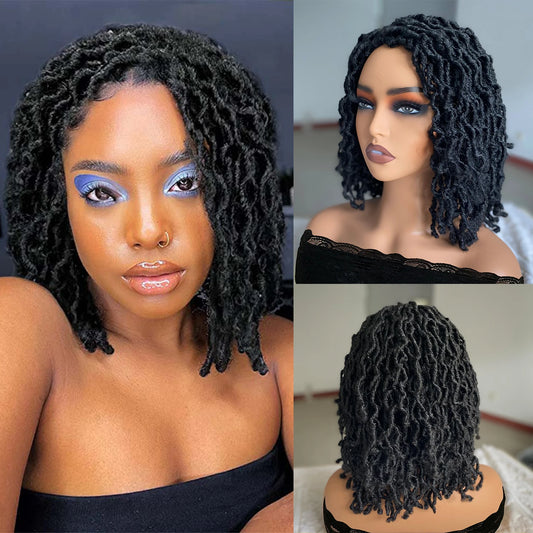
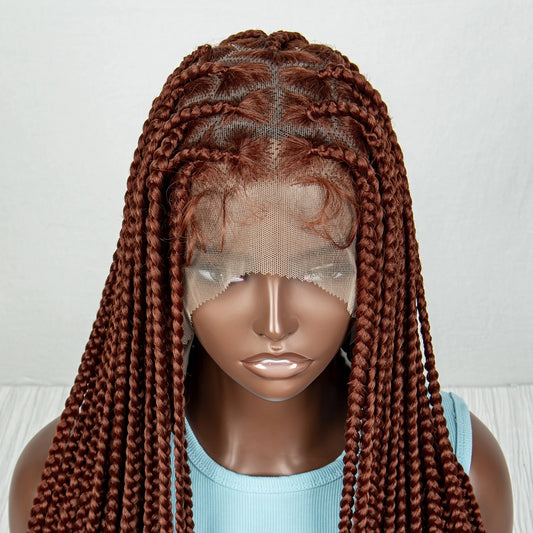
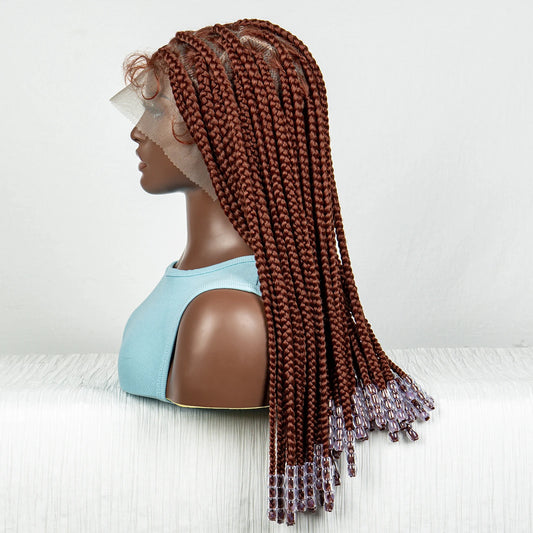
Dense curls, braids, and locs create a textured frame around the face. A clean outline, such as a smooth hoop or a simple drop, can stand apart without looking fussy. If you wear a braided wig, braid size, length, and placement change which pieces feel balanced, and our guide to jewelry for braided wigs covers those pairings in more detail. If your wig is sleek or closely cropped, you can use more detail, color, or shine to bring interest near the face.
Hair color matters too. Gold, silver, and colored stones may stand out differently against black, blonde, auburn, or vivid-colored fibers. Try the earrings with the actual wig and outfit rather than assuming a metal tone will contrast.
Consider length and movement together
A long earring doesn't always create more impact if hair hides it. A shorter piece may be easier to see when the wig falls over the ears. Meanwhile, a statement drop can be effective with hair pinned back or swept to one side.
Take a few steps and turn your head while wearing the pair. If the jewelry disappears, feels busy, or keeps catching the hair, choose a different shape or adjust the part.
Let face shape guide you, not dictate your choice
Face shape can help you notice proportions, but it shouldn't limit your options. Earring size, hair volume, and the wig's part all affect the result. Try more than one style and choose the version that feels like you.
Think about the outline near your cheeks
If the wig adds width at cheek level, a narrow drop can draw the eye downward. For a sleek wig that sits close to the face, a round hoop or a wider stud can add a contrasting shape. With a longer face-framing layer, a compact earring may feel more balanced than a piece that ends at the same point as the hair.
These are visual experiments rather than face-shape rules. A round face can look great with round earrings, and a long face can wear long drops. The wig's silhouette may matter more than any category assigned to your face.
Compare proportions in a mirror
Hold a few earrings near the ear while wearing the wig. Look at how each one relates to your jawline, bangs, and neckline. If you like the pair but it gets lost, tuck one side of the hair back or try a brighter finish.
Match earrings to your outfit and occasion
For everyday wear, lightweight studs, small hoops, and close-fitting drops are easy to pair with casual clothes. They add detail without demanding a lot of attention. If your wig is already colorful or highly textured, a simple earring can keep the look composed.
For work or an event, choose a piece that suits the neckline and the amount of detail in your outfit. A drop earring can show beside an updo or a side part, while a neat stud works well with a statement necklace or embellished collar. When the outfit is minimal, a larger earring can become the focal point.
Occasion matters, but comfort still counts. A pair that looks right in a photo may feel too heavy after several hours. Wear the earrings around the house for a short time before an important event, especially if you haven't worn that style before.
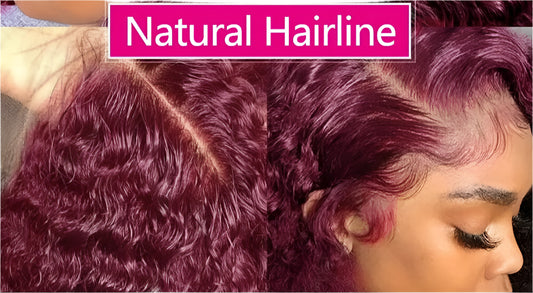
If you are choosing a new wig as well, Luxegan's wear-and-go wigs with natural-looking hairlines offer styles that can be paired with different jewelry and outfits.
Keep comfort and wig care in mind
Earrings should feel secure without pulling on your earlobes or disturbing the wig. Hair can brush against a clasp, hook, or textured edge, especially with longer styles. Small adjustments can make a pair easier to wear.
Prevent snags and tugging
Before putting on earrings, settle the wig and decide whether you want hair in front of or behind the ears. Then add the jewelry and check that no fibers are caught around the post, clasp, or hook. Smooth surfaces and simpler shapes are often practical when hair repeatedly passes over the ear.
When removing earrings, move the hair away first rather than pulling the jewelry through it. If a pair shifts the wig or keeps catching fibers, take it off and try a smaller or smoother option. Don't force an earring into a position that tugs at your ear or wig.
Wig-care instructions vary by fiber and construction. Jon Renau's human-hair care guide recommends detangling before washing and avoiding rubbing. Its alternative-hair care guide gives different guidance for synthetic fibers, including using a wide-tooth comb for its HD fiber. Follow the instructions for your specific wig, and browse Luxegan's wig care and styling products if you need care supplies.
Test the fit before a full day out
Wear the wig and earrings together for several minutes at home. Turn your head, tuck the hair behind your ears, and put on any scarf or jacket you'll wear. Check that the earrings remain comfortable and that the wig stays in place.
For a new pair, start with a short wear rather than an all-day event. That gives you time to notice pressure, movement, or irritation before you're away from home.
Shop Los más vendidos
-
Peluca corta de locs falsos de diosa | Peluca de rastas con reflejos marrones | Peluca de crochet trenzada afro | Cabello sintético
Precio habitual A partir de $158.00 USDPrecio habitual$190.00 USDPrecio de oferta A partir de $158.00 USDOferta -
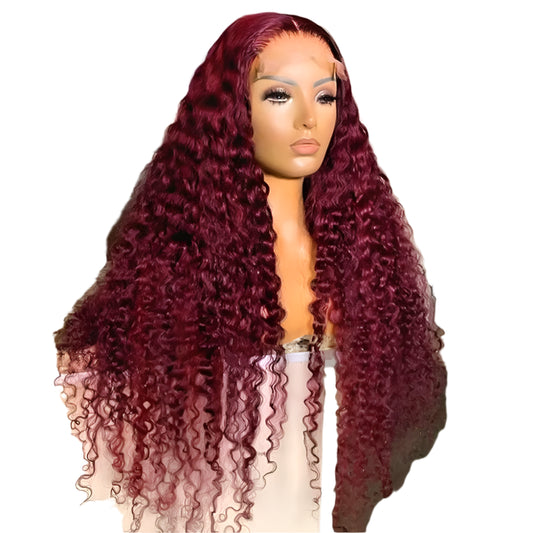
Peluca frontal de encaje HD de 13x6, rizada, de 30", color borgoña y chocolate, | Peluca de cabello humano de color 99J para mujeres | Onda profunda
Precio habitual A partir de $257.00 USDPrecio habitual$0.00 USDPrecio de oferta A partir de $257.00 USD -
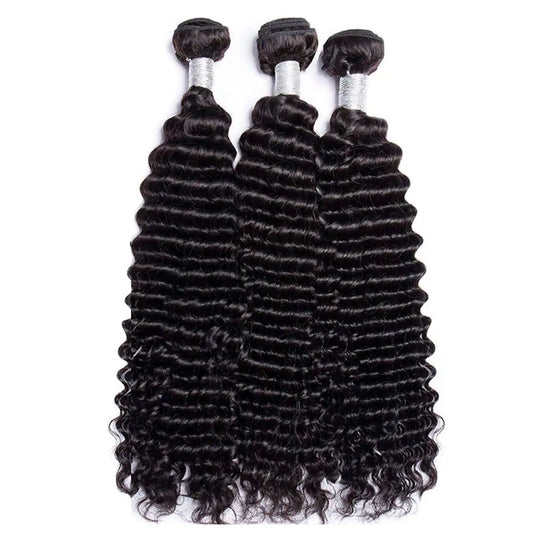
Paquetes de Cabello Humano Malayo Ondulado Profundo 12A | Extensiones de Tejido "Rizo Profundo" Sofisticadas | Opciones Elegantes de Paquetes Individuales/Múltiples de 30-32 Pulgadas | Trama de Cabello Remy "Digna" para un Estilo Radiante y Versátil
Precio habitual $364.00 USDPrecio habitual$0.00 USDPrecio de oferta $364.00 USD -
#350 Knotless Box Braids Wig | Short Lace Frontal Bob | Dark Ombre Ginger
Precio habitual $262.50 USDPrecio habitual$0.00 USDPrecio de oferta $262.50 USD -
Peluca corta de rastas falsas afro | Trenzas sintéticas resistentes al calor | Peluca unisex para mujeres y hombres negros
Precio habitual $90.00 USDPrecio habitual$120.00 USDPrecio de oferta $90.00 USDOferta -
Peluca frontal de encaje HD 13x4 con cabello virgen vietnamita de donante 12A | Densidad del 250% | Doble capa | Ondas voluminosas | Sin pegamento
Precio habitual A partir de $242.00 USDPrecio habitual$0.00 USDPrecio de oferta A partir de $242.00 USD -
Zapatos Derby Wingtip para hombre de Italia | Oxfords clásicos modernos de bloques de color (aumento de altura, piel auténtica)
Precio habitual $263.00 USDPrecio habitual$301.00 USDPrecio de oferta $263.00 USDOferta -
Brazilian Human Hair 13x4 Lace Front Wig | Glueless, Pre-Plucked with Baby Hair
Precio habitual A partir de $99.00 USDPrecio habitual$132.00 USDPrecio de oferta A partir de $99.00 USDOferta






Choose metals with sensitive ears in mind
If earrings make your ears itchy or irritated, material matters. The American Academy of Dermatology suggests jewelry labeled nickel-free or hypoallergenic, and lists surgical-grade stainless steel, 18-, 22-, or 24-karat yellow gold, pure sterling silver, and platinum as options for people with nickel allergy. The AAD also cautions that "hypoallergenic" doesn't guarantee a reaction-free experience for everyone. See its nickel allergy jewelry guidance when comparing materials.
A review in the Journal of Clinical and Aesthetic Dermatology discusses nickel release from jewelry used for professional piercing. Its details concern piercing standards, not a promise that a particular pair will suit every wearer. If a metal causes ongoing irritation, stop wearing it and ask a healthcare professional for guidance.
Key takeaways for pairing earrings with wigs
- Short wigs leave the ear visible, so studs, hoops, and small drops are easy starting points.
- Medium-length hair can cover part of an earring. Tucking one side back helps show its shape.
- Long wigs pair easily with smooth, compact earrings, though statement pieces can work when hair is swept aside.
- Check how earrings look with the complete outfit, and test comfort before wearing them for hours.
- If your ears are sensitive, pay attention to metal content and stop wearing jewelry that irritates your skin.
Frequently asked questions
Can I wear long earrings with a long wig?
Yes. Choose them if you like the look, and style the hair so the earrings remain visible. Check that the earring doesn't catch in the fibers or pull as you turn your head. A smooth drop may be easier to wear than a textured or looped design, but your wig and comfort should guide the choice.
What earrings work best with a bob wig?
Small hoops, huggies, studs, and compact drops are all practical choices. A sleek bob can support a bolder earring, while a curly or voluminous bob may already create a strong frame around the face. Try the pair with your actual wig and neckline to see which proportions you prefer.
How can I keep earrings from catching in wig hair?
Settle the wig first, then put on earrings with smooth edges and secure closures. Check that no fibers sit around the clasp or hook. When taking the earrings off, move the hair clear rather than pulling the jewelry through it.
Choose the pair that feels like you
Wig length changes how earrings show and move, but it doesn't set a fixed dress code. Use visibility, comfort, face shape, outfit, and occasion as guides, then trust what you like in the mirror. The best pairing is one that feels comfortable and personal throughout the day.