

Glueless Wigs vs Closure Wigs: A First-Buyer Guide
Your first wig purchase can become confusing when two attractive styles use different terms for their construction and installation. When you compare glueless wigs vs closure wigs, remember that these labels describe different features, so they aren't always direct opposites.
A glueless wig focuses on how the unit stays in place. A closure wig focuses on the lace piece that covers the top or parting area. Once you understand that difference, you can compare comfort, styling, maintenance, cost, and appearance with more confidence.
What the Two Wig Terms Actually Mean
How glueless wigs work
A glueless wig is designed to stay secure without adhesive. Most include adjustable straps, combs, an elastic band, or a combination of these features. You place the wig over your prepared hair, adjust the fit, and remove it when you finish wearing it.
Some glueless wigs also have lace at the front. Others use a machine-made cap with a simpler hairline. The word "glueless" doesn't automatically tell you whether the wig has a lace front, a full lace cap, human hair, or synthetic fibers.
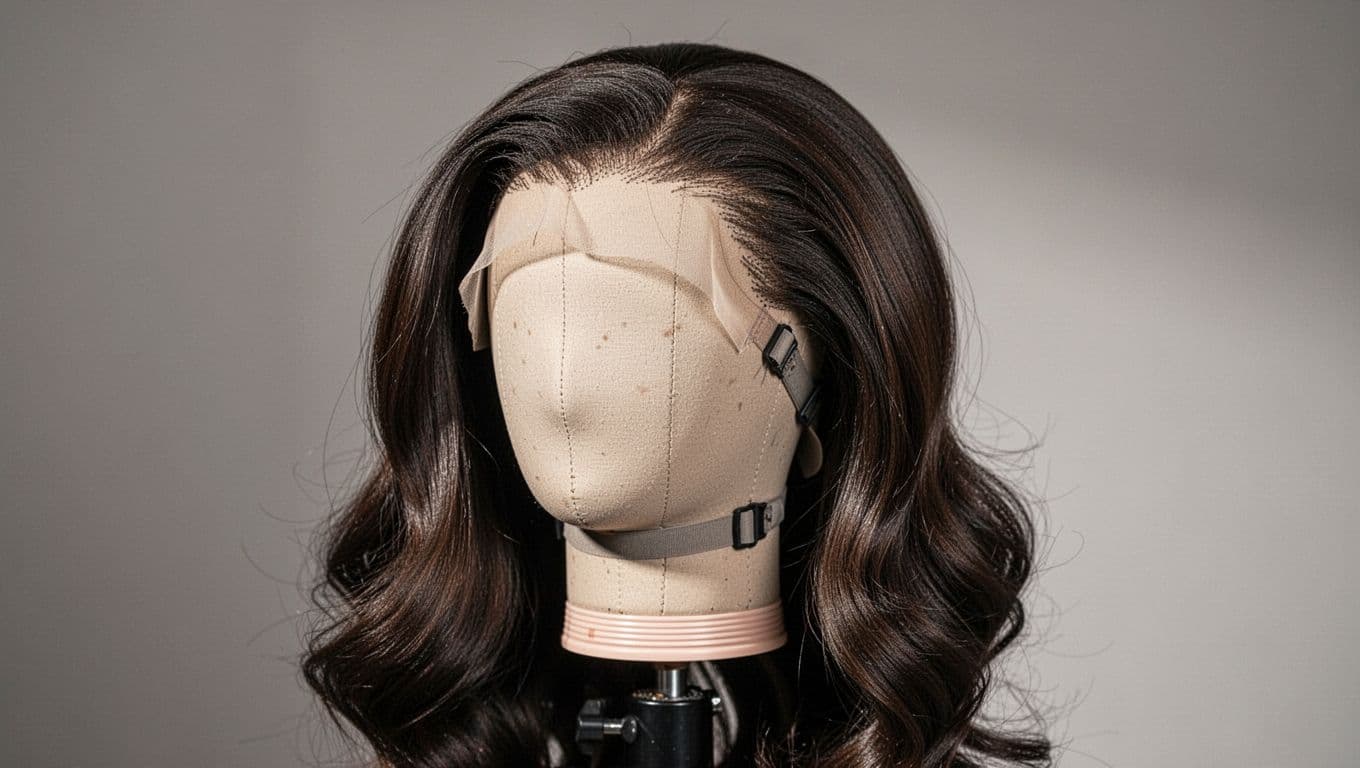
For first-time buyers, the main appeal is convenience. You can take the wig off before bed and put it on again without removing adhesive. That makes this option useful for work, travel, short outings, and people who don't want a long installation.
Still, a glueless wig needs the right fit. A loose cap may shift, while tight straps or combs can cause discomfort. A wig grip can provide extra hold, but it shouldn't feel restrictive around your head.
What makes a closure wig different
A closure wig uses a lace closure, usually positioned over the crown or parting area. Common closure sizes include 4x4, 5x5, and 6x6 inches, although construction varies by seller. The lace allows hair to appear as though it grows from the covered area.
A closure doesn't usually provide the wide, ear-to-ear hairline of a lace-front wig. Instead, it gives you a defined part and covers the top of the wig. Many closure wigs are sewn onto a cap and can also include adjustable straps or combs.
That means a closure wig can be glueless. You might also install one with an elastic band or adhesive, depending on the cap and the look you want. The closure describes the lace structure, while glueless describes the attachment method.
Comparing glueless wigs vs closure wigs
The right choice depends on how you plan to wear and maintain the wig. This comparison shows where each option usually fits best.
| Feature | Glueless wig | Closure wig |
|---|---|---|
| Main definition | A wig designed to stay on without glue | A wig with lace covering the top or part |
| Installation | Usually adjust, place, and style | May be glueless, banded, or adhesive-installed |
| Parting | Depends on the cap and lace area | Usually limited to the closure section |
| Removal | Fast and simple for regular removal | Easy if glueless, slower if professionally installed |
| Hairline | Depends on whether it has a lace front | Depends on the surrounding cap and front construction |
| Beginner appeal | Strong choice for quick, temporary wear | Useful for a controlled, natural-looking part |
| Main concern | Slipping or visible edges if the fit is poor | Limited parting and delicate lace care |
A glueless unit is often the easier starting point because you can remove it without a solvent or salon appointment. A closure wig may give you a cleaner-looking part with less lace to blend, but it can feel less flexible when you want a different style.
Which wig looks more natural?
Neither construction guarantees a realistic result. Fit, cap construction, hair density, lace quality, and installation affect the final appearance more than the label alone.
A well-fitting glueless lace-front wig can look natural around the hairline when the lace matches your skin tone and the density isn't too heavy. However, the front may lift or shift if the cap is too large or the straps don't sit correctly.
Closure wigs can look natural across the part because the lace covers a smaller area. They also require less lace customization than some lace-front styles. The tradeoff is a more limited parting space. You may be able to part the hair in the middle, slightly to one side, or within the closure area, but you won't get the same styling freedom as a larger lace front.
Details to check before buying
Look closely at these features before choosing:
- Cap size: Measure your head according to the seller's guide. A standard cap won't fit every head comfortably.
- Construction: Check whether the cap includes adjustable straps, combs, an elastic band, or stretch panels.
- Density: Very thick hair can look less realistic and feel heavier. Lower or medium density often appears closer to natural hair.
- Lace quality: Thin, flexible lace can blend well, but it may need more careful handling. A thicker lace may last longer but look more noticeable.
- Hairline design: A pre-plucked hairline can reduce styling work, though it still may need small adjustments.
- Texture and color: Straight, wavy, curly, and colored styles each create a different level of visible movement and blending.
For example, someone who wants a side part should confirm the closure allows that part before ordering. A centered closure may not give enough room for the desired placement.
A natural part cannot compensate for a cap that pulls, slides, or leaves visible gaps around the sides.
Shop Pelucas sin pegamento
-
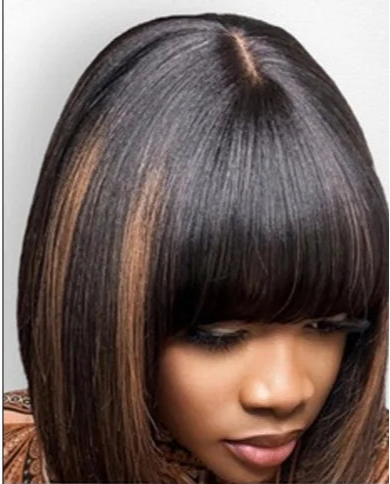
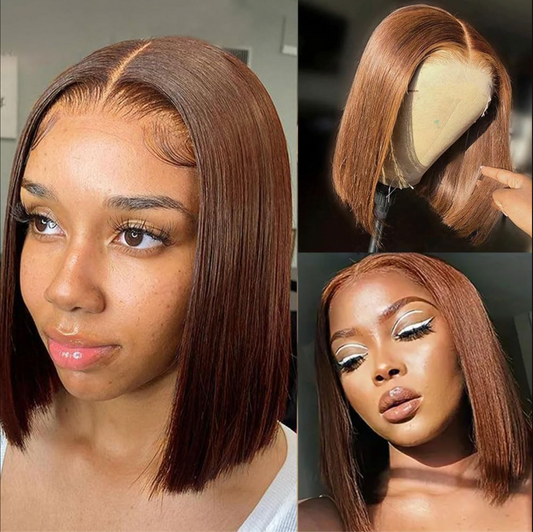
Peluca Bob Recto "Poner y Listo" | Cabello Humano Fácil de Poner con Flequillo y Cuero Cabelludo Realista
Precio habitual A partir de $111.00 USDPrecio habitual$133.00 USDPrecio de oferta A partir de $111.00 USDOferta -
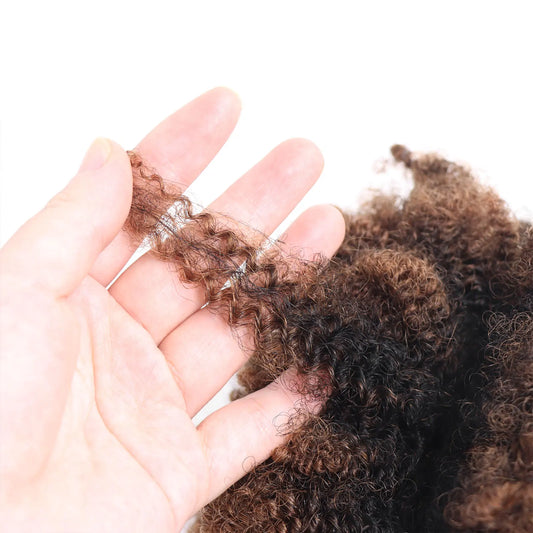
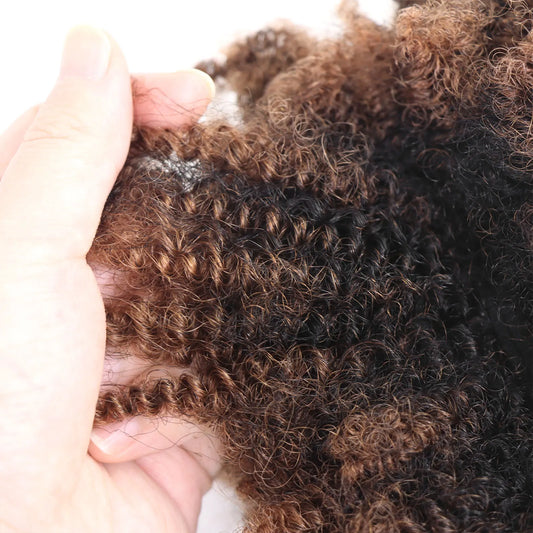
#30-#1-#30 Pelo Humano Rizado Afro Kinky Marrón Ombre a Granel | Extensiones de Cabello para Trenzas de Ganchillo Brasileñas de 50g (Sin Trama)
Precio habitual A partir de $118.00 USDPrecio habitual$0.00 USDPrecio de oferta A partir de $118.00 USD -
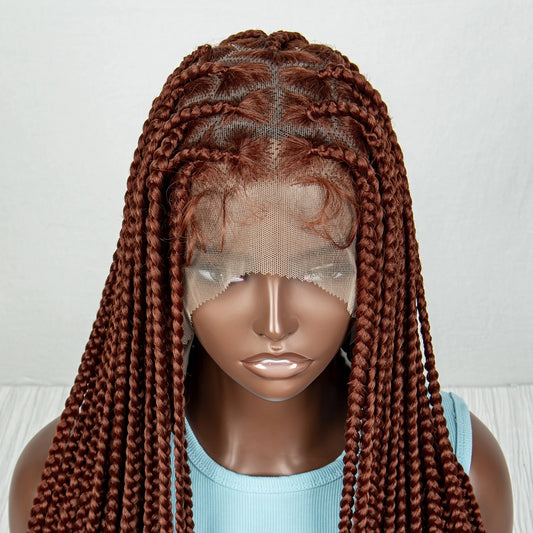
#350 Knotless Box Braids Wig | Short Lace Frontal Bob | Dark Ombre Ginger
Precio habitual $262.50 USDPrecio habitual$0.00 USDPrecio de oferta $262.50 USD -


#4 Peluca Pixie Marrón Corta con Flequillo | Cabello Humano Liso Hecho Completamente a Máquina
Precio habitual $105.00 USDPrecio habitual$126.00 USDPrecio de oferta $105.00 USDOferta -
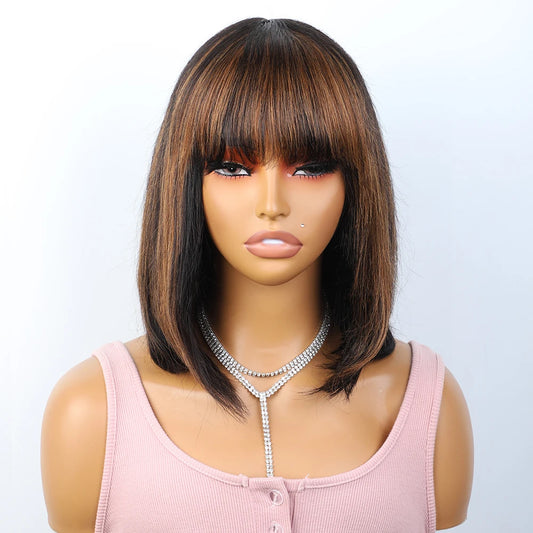
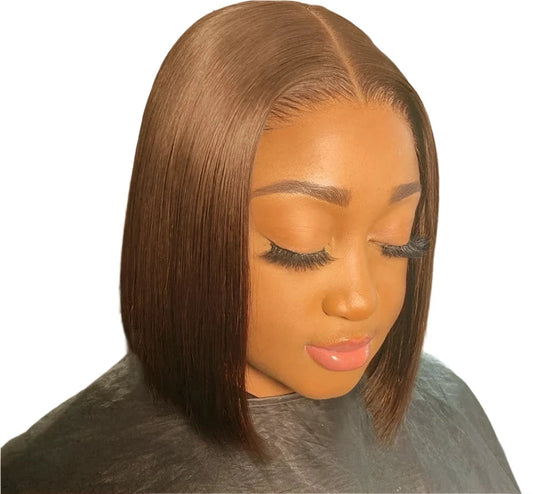
#4 Peluca Bob Marrón Chocolate | Sin pegamento | Lista para usar | Pelo brasileño | Pelo humano | Liso | Invisible | Pelucas con cierre para mujer
Precio habitual A partir de $151.00 USDPrecio habitual$172.00 USDPrecio de oferta A partir de $151.00 USDOferta -
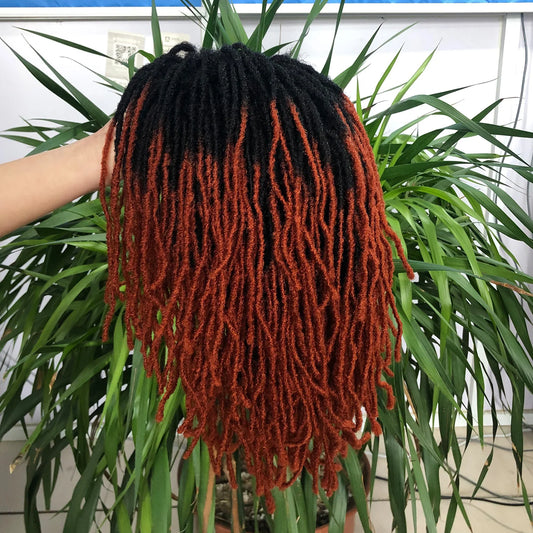
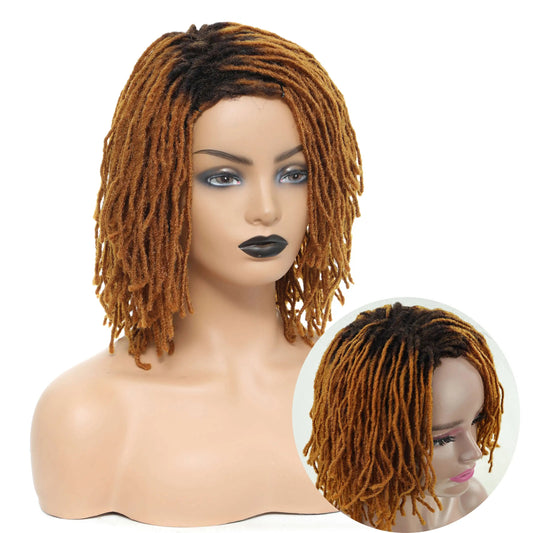
Peluca trenzada de 10" | Peluca Afro de rastas | Puntas rizadas | Peluca de ganchillo sintética | Cosplay
Precio habitual A partir de $96.00 USDPrecio habitual$122.00 USDPrecio de oferta A partir de $96.00 USDOferta -
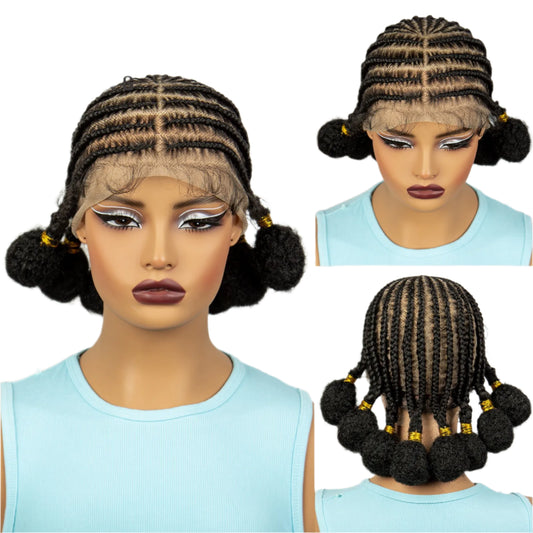
Peluca con trenzas pegadas de 10 pulgadas de maíz natural | Pelo trenzado sintético transparente con pelo de bebé
Precio habitual $235.00 USDPrecio habitual$268.00 USDPrecio de oferta $235.00 USDOferta -
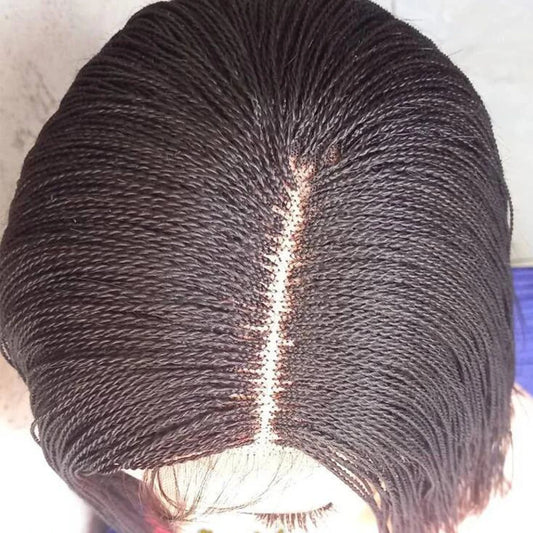
10 Inch Short Micro Twisted Wig - 2x4 Closure Braided Wig for Black Women - Micro Million Braid Wig - Synthetic Knotless Braids
Precio habitual $288.00 USDPrecio habitual$0.00 USDPrecio de oferta $288.00 USD


Cost, maintenance, and long-term use
Price depends on fiber type, length, density, lace size, cap construction, and customization. Synthetic wigs usually cost less at the entry level and hold a set style well. Human-hair wigs usually cost more, but you can often restyle them with heat and care for them like natural hair.
A closure may add construction costs, but it also covers a smaller lace area. That can make lace care more manageable. With either option, compare the complete purchase rather than the wig price alone. Your total budget may include a wig cap, wig grip, styling products, a stand, a professional installation, or replacement straps.

Caring for either wig type
Remove the wig before sleeping unless the manufacturer specifically approves overnight wear. Friction against a pillow can tangle the hair, stress the lace, and shorten the unit's useful life.
When the wig needs cleaning, follow the care instructions for its fiber. Use products made for wigs or mild hair products recommended for human-hair units. Avoid hot water on synthetic fibers, and don't apply heat to a synthetic wig unless the label says it's heat-friendly.
For daily handling, start at the ends and work upward with a wide-tooth comb or a suitable wig brush. Hold the base while detangling so you don't pull on the lace or wefts. Let a washed wig dry fully before storing it.
Keep the unit on a wig stand or in a clean, breathable storage bag. Store it away from direct sunlight, humidity, pets, and anything that can snag the hair. Curly and wavy styles need extra care because brushing can disturb their pattern.
Safe installation matters
Adjustable straps should hold the wig without creating pressure. If clips dig into your scalp, reposition them or remove them. Persistent headaches, tenderness, redness, itching, or broken skin are signs that you should stop wearing the wig and address the source of irritation.
Adhesive is optional for many units, but it can irritate skin or pull at the hairline. Don't apply it to inflamed skin, and follow the product's removal instructions. Never use household glue on your skin or hair. If you have a sensitive scalp, test a small area first and consider a glueless fit with a comfortable wig grip.
Which option fits your lifestyle?
Choose a glueless wig if you want to:
- Put on and remove your wig often.
- Avoid adhesive and lengthy installation.
- Change hairstyles without committing to one installation.
- Wear a wig for occasional events, work, or travel.
- Handle basic maintenance at home.
A closure wig may suit you better if you prefer a defined part and don't need many parting options. It can also work well when you want the top of the wig covered without customizing a larger lace-front area.
For frequent wear, check the cap carefully. A glueless closure wig may offer both easy removal and a realistic part. This combination can be practical for a beginner who wants less installation work but still prefers lace at the crown.
If you exercise, travel often, or spend time outdoors, stability matters. A glueless cap may shift during vigorous movement, especially when the fit is loose. An adhesive installation can add hold, but it requires careful skin preparation and removal. Neither option should cause pain or scalp tension.
Your preferred styling also matters. A closure limits the part, while a lace-front glueless unit may support more hairline styling. However, extra styling freedom often requires more lace care and adjustment.
Final Thoughts
When choosing between glueless wigs vs closure wigs, start with your routine instead of the trendiest construction. Glueless designs favor easy removal and flexible wear, while closure wigs offer a defined lace part and can also work without glue.
The best first wig is the one that fits your head, matches your preferred density and texture, and feels comfortable after several hours. Check the cap details, lace quality, and care requirements before you buy. A secure, comfortable fit will make more difference than choosing one label over the other.