

Half Wigs vs Full Wigs: Coverage, Fit, and Styling
A wig can add length and volume, cover hair loss, or make a new style easier to wear. The choice between half wigs vs full wigs comes down first to how much of your own hair you want to show.
A half wig leaves part of your natural hair visible for blending, while a full wig covers the head. Your texture, preferred hairline, and everyday styling habits can all affect which feels like the better fit. Start with the coverage difference, then consider how each option works with your routine.
Half wigs vs full wigs at a glance
Both styles add hair, but they differ in how much natural hair stays exposed and how you create a natural-looking finish. Designs vary, so check each wig's construction before buying.
| Feature | Half wig | Full wig |
|---|---|---|
| Coverage | Usually covers the crown and back, leaving some front hair out | Covers the head, including the natural hairline |
| Attachment | May use combs, clips, a band, or a combination | May use combs, adjustable straps, a grip, lace, or other construction |
| Blending | Your own hair is styled over or alongside the wig hair | The wig's hairline, part, and color create the visible finish |
| Styling | Works with styles that incorporate your own front section | Styling options depend on cap and lace design |
| Main consideration | Matching and managing the hair left out | Finding the fit and construction that provide the coverage you want |
These are common design differences, not rules for every product. A half wig's attachment system and a full wig's parting space both vary by model.
What a half wig covers
A half wig, sometimes called a partial or half-head wig, adds hair over part of the head while leaving a section of the wearer's own hair exposed. Many designs cover the crown and back, with the front section pulled forward to blend over the edge.
How it attaches
Depending on the design, the wig may secure with small combs, clips, an elastic band, or more than one of these. The attachment points sit beneath the hair, so follow the maker's instructions and check that the piece feels stable without pulling.
The amount of hair left out isn't identical across all half wigs. Look at product photos and construction details to understand where the piece begins and how much of your hairline remains visible.
What stays visible
You'll generally use your own hair at the front to hide the transition between your hair and the wig. That can create a blended look, but it means the exposed section needs to work with the wig's color, texture, and shape.
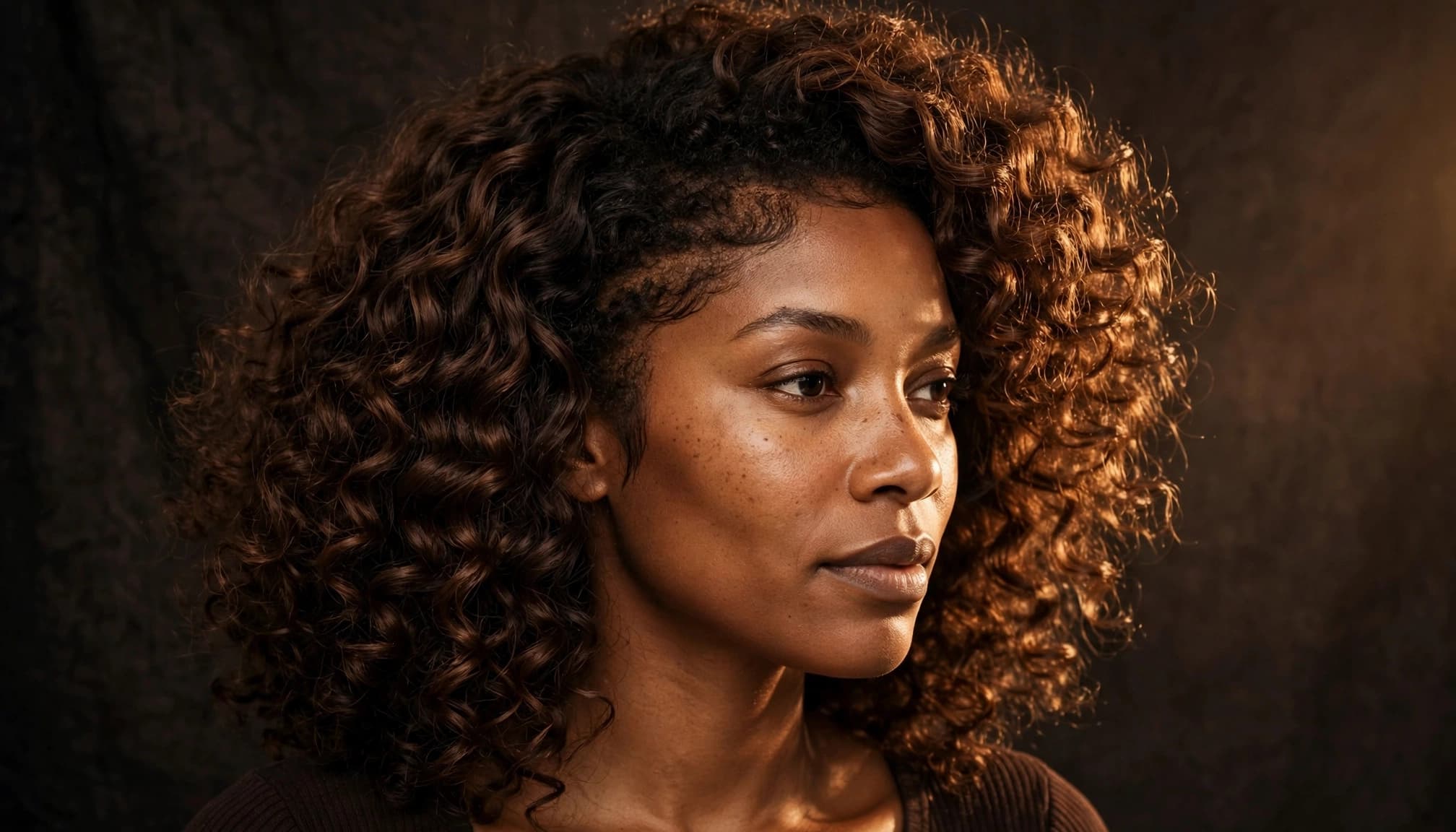
If your hair is tightly coiled and the wig is straight, for example, you'll need a plan for blending the front naturally. You may choose a texture close to your own, style both sections together, or wear a headband or other accessory that suits the look.
What a full wig covers
A full wig covers the natural hair across the head, including the front hairline. It can provide more complete coverage than a half wig, though the exact look and feel depend on the cap, lace, and attachment method.
How it fits and stays in place
Full wigs can include combs, adjustable straps, elastic bands, wig grips, or lace designed for adhesive or glueless wear. Some pieces combine several features. A snug fit matters, but the correct adjustment depends on the wig and your head, so avoid overtightening straps or clips.
A full wig can suit someone who prefers not to leave natural hair out. If you're choosing a wig for hair loss or a sensitive scalp, the American Cancer Society's guide to choosing and wearing a wig offers further selection and wear guidance.
Hairline and parting options
A full wig doesn't automatically have lace across the entire perimeter. Some designs use a lace front, a lace closure, or another cap construction, and each affects the visible hairline and parting options.
For example, Luxegan's 13x6 bone straight HD lace frontal wig is described as supporting middle, side, or half-up styles. That's a product-specific feature, not a promise that every full wig offers the same parting space.

How coverage changes blending and styling
With a half wig, the front of your natural hair helps create the final style. With a full wig, the wig itself supplies the visible hairline and part. That difference can influence what styles you can wear and how much attention you give to blending.
Matching a half wig to your own hair
Start by comparing the texture of the wig with the section you'll leave out. Straight, wavy, curly, and coily textures can look different under the same lighting, so examine the texture in product photos and, where available, customer images.
Color matters too, particularly where your hair meets the wig. If the shades don't match closely, a part or front section can make the contrast noticeable. A half wig is often easiest to style when you're comfortable working with your own hair at the front.
Choosing a full wig for parting and updos
A full wig shifts the blending work to the hairline and cap. Lace placement, parting space, and fit determine how naturally the wig sits and which styles it supports. A lace-front piece may provide a visible front hairline, while a 360-lace design can offer a different perimeter for styling.
Luxegan lists a 30-inch bone straight 360 lace wig with high ponytails, top knots, and updos among its styling possibilities. Check the specific construction and instructions before expecting the same flexibility from another wig.
Upkeep, comfort, and everyday wear
Neither type is automatically easier or more comfortable for everyone. The amount of hair you leave out, how the wig attaches, and how often you wear it can change the routine.
Managing the hair left out
A half wig requires care for both the wig and the natural hair used to blend it. If you heat-style that section, follow the tool and hair-care guidance appropriate for your own hair. Repeated styling can affect the exposed hair, so consider whether your preferred routine is manageable.
Full wigs cover the natural hair, so they don't require a front section to blend. However, you still need to care for the wig and follow directions for washing, drying, and storage. For additional selection and care guidance, see Dana-Farber's guide to choosing a wig.
Checking the fit during wear
Attachment points should feel secure without causing discomfort. With a half wig, check whether clips or combs sit comfortably where they meet your hair. With a full wig, pay attention to cap size, adjustable features, and any lace or adhesive requirements.
If a wig will be worn during medical treatment or while the scalp is sensitive, fit and comfort deserve special attention. The Mayo Clinic's wig guide and National Breast Cancer's wig selection information provide additional context for people choosing wigs during treatment.
Shop Pelucas negras
-
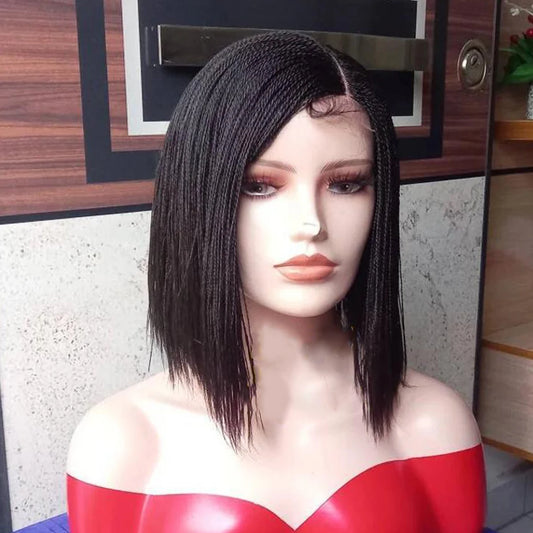
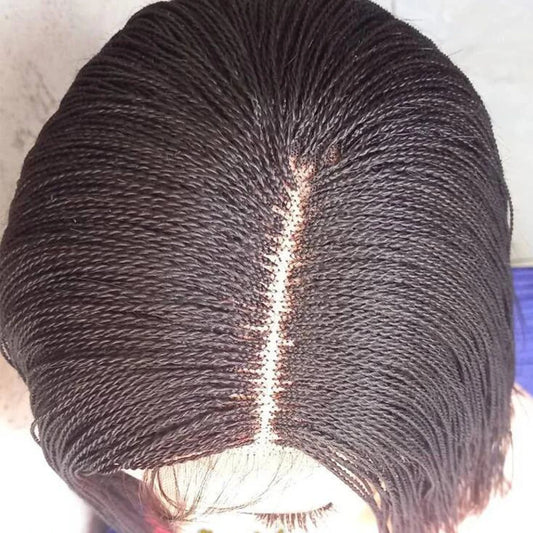
10 Inch Short Micro Twisted Wig - 2x4 Closure Braided Wig for Black Women - Micro Million Braid Wig - Synthetic Knotless Braids
Precio habitual $288.00 USDPrecio habitual$0.00 USDPrecio de oferta $288.00 USD -
Peluca trenzada de 10" con moños | Trenzas africanas | Encaje completo | Cola de caballo | Peluca sintética para mujeres negras
Precio habitual $200.00 USDPrecio habitual$229.00 USDPrecio de oferta $200.00 USDOferta -
12" Twist Braided Headband Wig | Short Crochet Box Braids | Synthetic Wig for Black Women
Precio habitual $136.00 USDPrecio habitual$163.00 USDPrecio de oferta $136.00 USDOferta -
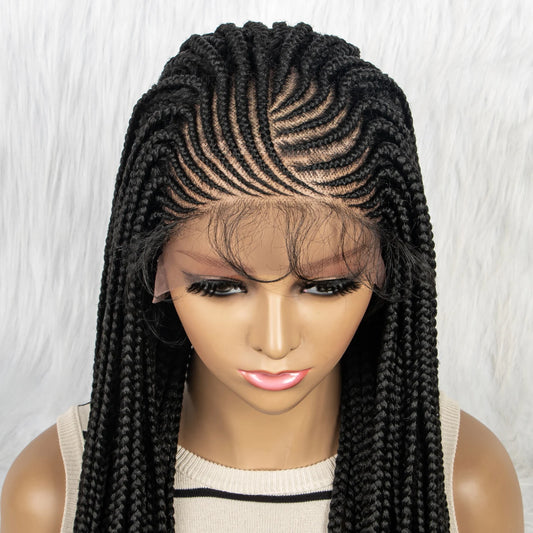
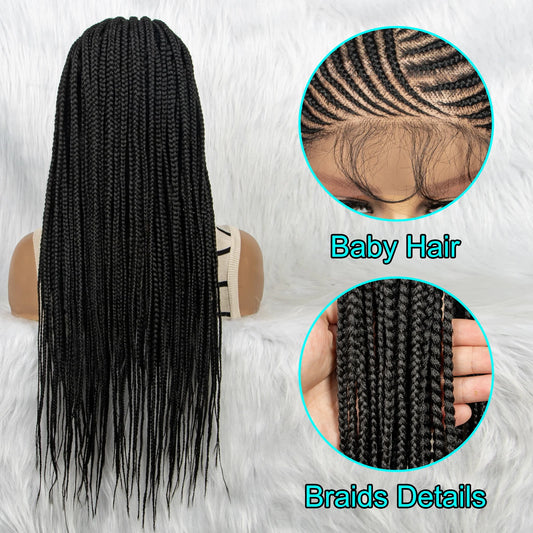
Peluca trenzada con encaje frontal de alta definición 13x4 con cabello de bebé | Pelucas trenzadas sintéticas para mujeres afroamericanas
Precio habitual $287.00 USDPrecio habitual$329.00 USDPrecio de oferta $287.00 USDOferta -
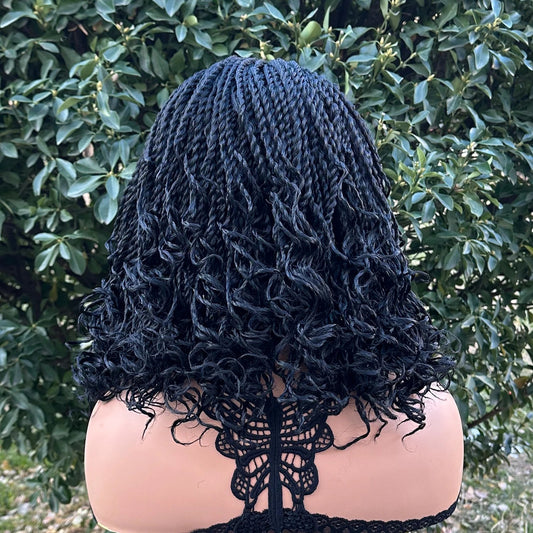
Peluca trenzada frontal de encaje 13x4 | Puntas rizadas kinky | Peluca sintética africana con pelo de bebé para mujeres negras
Precio habitual $144.00 USDPrecio habitual$165.00 USDPrecio de oferta $144.00 USDOferta -
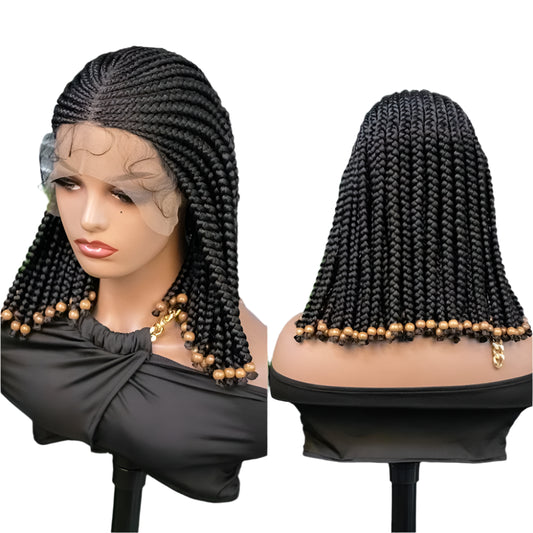
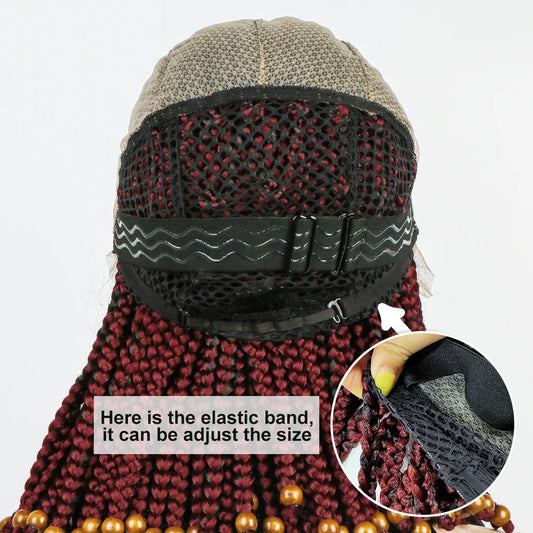
Peluca Bob Trenzado Corto de 14" | Encaje Frontal | Resistente al Calor | Para Mujeres Negras
Precio habitual $265.00 USDPrecio habitual$303.00 USDPrecio de oferta $265.00 USDOferta -
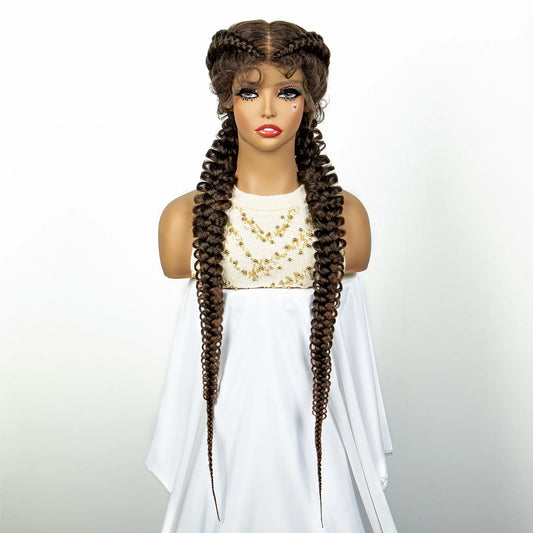
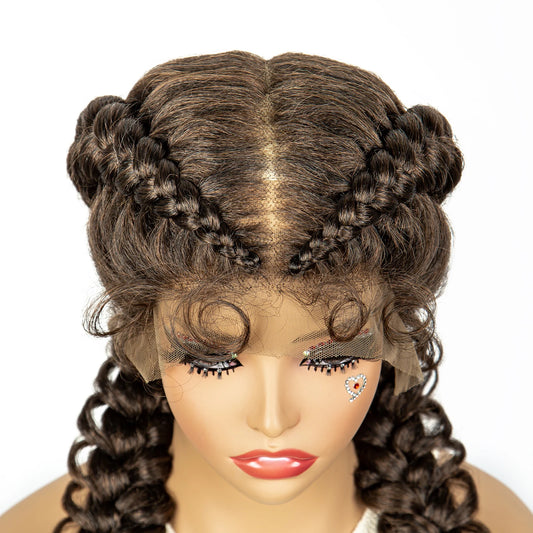
Peluca trenzada holandesa en caja, 1B/30, marrón oscuro | Encaje frontal sintético | Trenzas cola de pescado | Con cabello de bebé | Para mujeres negras
Precio habitual A partir de $149.25 USDPrecio habitual$199.00 USDPrecio de oferta A partir de $149.25 USDOferta -
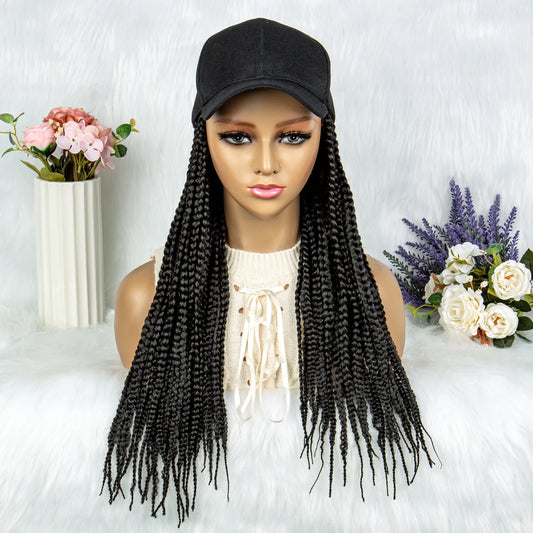
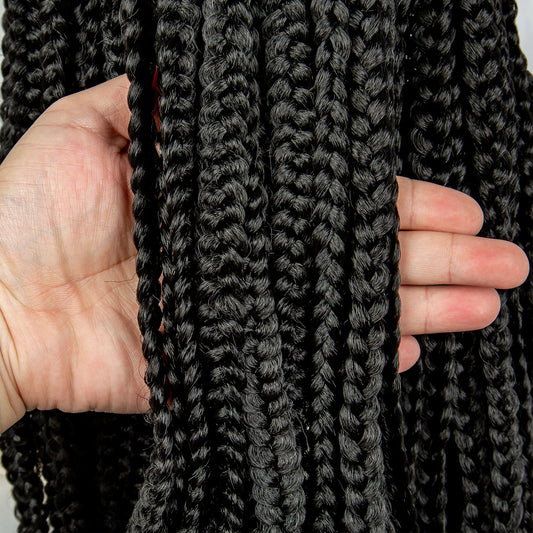
Peluca gorra de béisbol con trenzas de 20" | Mujeres afroamericanas | Peluca de sombrero ajustable
Precio habitual $102.00 USDPrecio habitual$123.00 USDPrecio de oferta $102.00 USDOferta




Choosing the right coverage for your routine
Before choosing, decide how much of your natural hair you want to show and what kinds of styles you expect to wear. Then compare the wig's construction with those preferences.
A half wig may suit you if
You want to keep some of your own hair visible and can blend it with the wig's texture and color. It can be a practical option when you're comfortable styling the front section and don't need the wig to cover the entire hairline.
Check the placement of its clips or combs, the amount of coverage, and the instructions for blending. If you prefer to leave little or no natural hair out, a half wig may not match your coverage needs. If a partial-coverage design still appeals, our guide to U-part and V-part wigs compares how much leave-out and blending effort each cap style requires.
A full wig may suit you if
You prefer coverage across the head or want the wig to supply the hairline and part. Compare cap construction, lace placement, fit, and attachment method rather than relying on the label "full wig" alone.
Product details can differ even within one category. For instance, a 180% density body wave lace front wig is listed with a pre-plucked hairline and glueless design. Those features describe that specific option, not all full wigs.
Key takeaways
- A half wig covers part of the head and leaves some natural hair visible for blending.
- A full wig covers the head, but its hairline, part, and attachment features depend on its construction.
- Texture and color matching matter most when you'll leave your own hair out.
- Check fit, attachment points, lace placement, and care instructions before choosing either style.
FAQs
Can a half wig cover the whole hairline?
Usually, a half wig leaves some of the front hairline exposed so your own hair can blend with it. Coverage varies by design, so check where the piece begins before buying.
Can you wear a full wig without glue?
Some full wigs are designed for glueless wear, while others may have lace or attachment features that require a different method. Check the product instructions and construction rather than assuming every full wig attaches the same way.
Which wig is better for natural-looking results?
Either can look natural when its construction suits your needs. A half wig depends on a convincing blend between your hair and the wig. A full wig depends on a suitable fit and a hairline or part that works for your chosen style.
Choose coverage that fits your habits
The main difference between half wigs vs full wigs is how much of your own hair remains visible. Choose a half wig when you want to blend your hair at the front, or a full wig when you prefer coverage across the head.
Before ordering, check the attachment method, hairline design, texture, and care details. The right match is the one that gives you the coverage and styling options you'll use comfortably.