

Can You Dye a Human Hair Wig at Home? A Safer Approach
A human hair wig dye can refresh a familiar style, but color results depend on the wig's condition and history. Some units have already been colored or chemically processed, which can affect how they respond.
You can dye many human hair wigs at home, but the process can dry or damage the strands. Before opening a dye kit, check the wig's care guidance, test a hidden section, and decide whether your color goal is realistic.
Can You Dye a Human Hair Wig at Home?
Often, yes, if the wig is made from human hair and its manufacturer allows coloring. Human hair can generally be colored with hair dye, but it may not react like untreated hair growing from your scalp. Prior coloring, bleaching, heat styling, and other processing can change the results.
Synthetic wigs are different. Standard hair dye generally won't color synthetic fibers properly and may damage them. Check the product details before you start, especially if the wig's fiber content isn't clear.
Also consider the color already on the wig. Going darker is usually less demanding than trying to lift a dark shade. For example, Luxegan describes its chocolate brown wet-and-wavy bob wig as suitable for dyeing darker shades. That product-specific guidance shouldn't be applied to every wig.
Choosing Human Hair Wig Dye: What to Check
Review the wig's history and care guidance
Before coloring, look for the manufacturer's care instructions and any limits on chemical treatments. If you know the wig has been dyed, bleached, or treated, factor that into your decision. The strands may take color unevenly or become dry and brittle.
Construction matters, too. Dye can stain lace, knots, elastic, and the cap, so don't assume the hair is the only part at risk. If the manufacturer doesn't address coloring, contact the seller before proceeding. Product claims vary: one wig may be recommended for darker shades, while another listing may describe broader coloring options.
Test the hair and your skin separately
A strand test checks how the wig hair responds to color. Choose a small, hidden section near the nape, apply the product according to its directions, then assess the color and condition before treating the full wig. A human-hair wig color guide also recommends testing a discreet section first.
A strand test doesn't replace a skin patch test. The FDA's hair-dye safety guidance says to follow label directions, wear gloves, and test the dye on your skin every time. Keep both tests in mind before coloring.

A Safer At-Home Dyeing Process
Set up your work area before mixing anything. Place the wig on a stable wig stand, cover the counter and floor with a protective barrier, and keep towels nearby. Wear gloves and work in a well-ventilated room. Keep dye away from the lace and cap, since stains can be difficult to remove.
Follow the dye manufacturer's directions, including its application and timing instructions. Don't guess at a formula or processing time, and don't assume that the results will match a reference photo. The wig's starting shade and past processing can affect the final color.
Work carefully through the hair in manageable sections, taking care not to soak the cap. If the hair tangles easily, detangle it gently before starting. When the dye process is complete, rinse and condition the wig as directed by the product and wig-care instructions. Let it dry fully on a stand before judging the result.
For additional skin-safety steps, the FDA's hair-dye patch-test Q&A explains how to test a small area of skin. Stop if you experience irritation, and follow the product label rather than improvising.
Shop Pelucas de Cabello Natural
-
Peluca Bob Recto "Poner y Listo" | Cabello Humano Fácil de Poner con Flequillo y Cuero Cabelludo Realista
Precio habitual A partir de $111.00 USDPrecio habitual$133.00 USDPrecio de oferta A partir de $111.00 USDOferta -


#4 Peluca Pixie Marrón Corta con Flequillo | Cabello Humano Liso Hecho Completamente a Máquina
Precio habitual $112.00 USDPrecio habitual$168.00 USDPrecio de oferta $112.00 USDOferta -
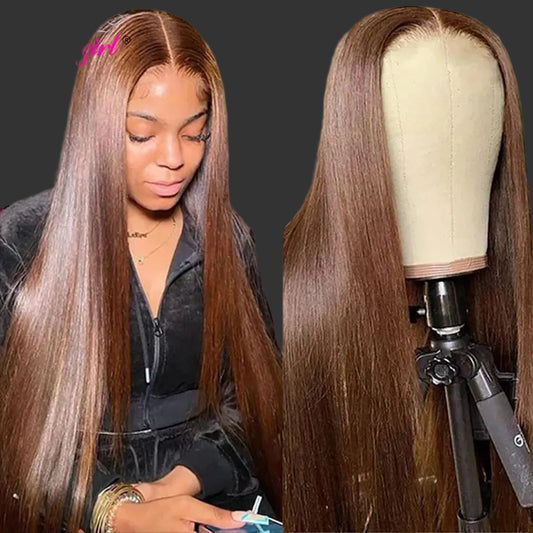
#4 Chestnut Brown Straight Lace Front Wig | 13x4 & 13x6 Transparent Swiss Lace Frontal Wig | 150% & 180% Density 100% Brazilian Remy Human Hair Long Closure Wig for Women (26+ Inch)
Precio habitual A partir de $364.00 USDPrecio habitual$0.00 USDPrecio de oferta A partir de $364.00 USD -
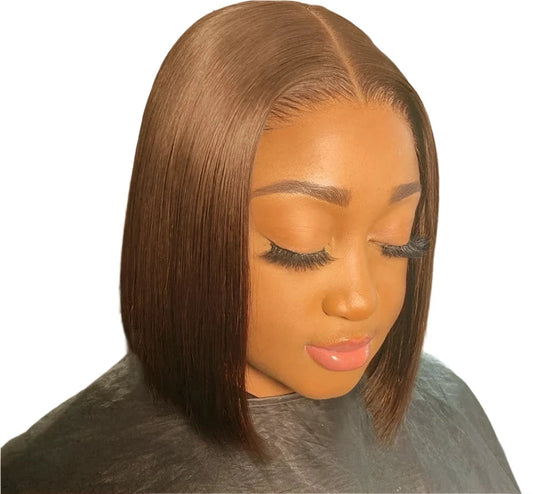
#4 Peluca Bob Marrón Chocolate | Sin pegamento | Lista para usar | Pelo brasileño | Pelo humano | Liso | Invisible | Pelucas con cierre para mujer
Precio habitual A partir de $151.00 USDPrecio habitual$172.00 USDPrecio de oferta A partir de $151.00 USDOferta -
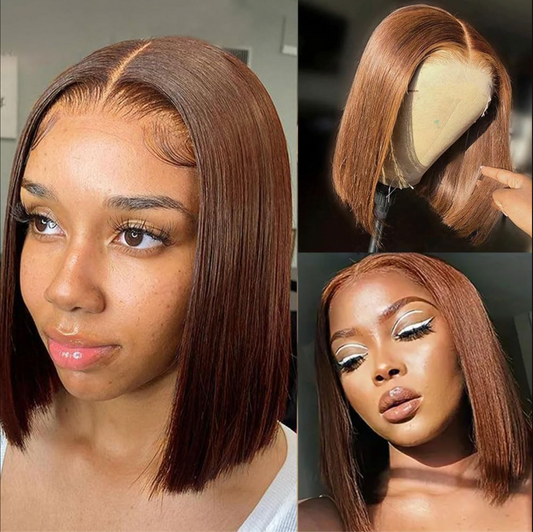
#4 Peluca Bob Recta Marrón Chocolate | Sofisticado frontal de encaje transparente HD con densidad del 200% | Elegante silueta "Bob Corto" | Cabello Humano Remy Brasileño "Digno" Pre-arrancado para un peinado radiante y versátil
Precio habitual $150.00 USDPrecio habitual$200.00 USDPrecio de oferta $150.00 USDOferta -
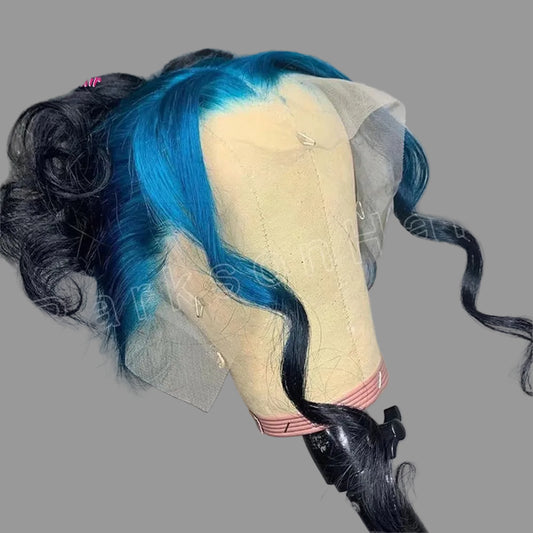
#4/613 Ombre Blonde Lace Front Wig | High-Impact Black with Blue Custom Tone Option | 13x4 HD Transparent Swiss Lace Frontal Body Wave Human Hair Wig for Women
Precio habitual $502.00 USDPrecio habitual$0.00 USDPrecio de oferta $502.00 USD -
#60 613 Platinum Blonde Wear-and-Go Glueless Wig | 13x4 HD Transparent Lace Frontal Wig | 100% Brazilian Remy Human Hair Body Wave Long 26+ Inch Wig for Women
Precio habitual A partir de $249.00 USDPrecio habitual$0.00 USDPrecio de oferta A partir de $249.00 USD -
#60 Platinum Ash Blonde Lace Front Wig | 100% Brazilian Human Hair Glueless Wig | 13x4 & 13x6 HD Transparent Swiss Lace Frontal Body Wave Gown for Women
Precio habitual A partir de $249.00 USDPrecio habitual$0.00 USDPrecio de oferta A partir de $249.00 USD








When a Professional Colorist Is the Better Choice
Choose a wig colorist for major changes, especially if you want to lighten a dark wig or create highlights. Lifting color usually involves bleach, which can weaken and dry the hair. It may also leave an uneven result if the wig has been processed before.
A professional can assess the wig's condition and help determine whether your target shade is possible without risking the unit. This is especially useful for expensive wigs or pieces with delicate lace. If you're unsure whether the fiber is human hair or don't know its color history, pause rather than testing a full application.
How to Care for a Colored Wig
Keep cleansing and styling gentle
Coloring can leave human hair drier, so use products suited to the wig and avoid rough handling. Detangle slowly, starting at the ends and moving upward. Reduce frequent heat styling, which can add stress to hair that has already been chemically treated.
Let the wig dry carefully
After washing, follow the care instructions and allow the wig to air-dry on a stand when appropriate. Don't rub it with a towel or pull at wet strands. Good care can help preserve the texture and appearance, but it can't reverse damage caused by an unsuitable color process.

Conclusion
You can dye a human hair wig at home when its care guidance allows it, but every unit has its own color history and limits. Confirm the fiber, test both the hair and your skin, and protect the cap and work area.
For a dramatic lift or an uncertain result, a professional colorist is the safer choice. A careful decision before coloring can help protect the wig you already love.