

How to Install Crochet Hair at Home: A Beginner's Guide
Crochet hair can change your look without sewing extensions onto your natural hair, but a comfortable foundation matters as much as the finished style. If you want to install crochet hair at home, take your time with the cornrows, use a latch hook gently, and stop if you feel pain or pulling.
With the right supplies and a simple loop-and-pull method, beginners can create an even style at home. Start by choosing hair that suits your texture and the look you want.
Gather the tools and supplies
Set up a clean, well-lit space before you begin. You'll need crochet hair, a latch hook, a wide-tooth comb, a rat-tail comb for parting, sectioning clips, and hair ties. Keep scissors nearby for trimming the extensions, but don't use them close to your scalp.
You may also want a spray bottle with water and a light leave-in conditioner for your natural hair. Avoid heavy oils or creams on the scalp before braiding, since buildup can make cleansing harder later.
Check the hair package for the length, fiber type, texture, and care directions. Pack size and coverage vary, so use the product's guidance rather than assuming one pack count works for every head. Have a mirror available to check the back and sides as you work.
Choose crochet hair that suits your style
The extension texture affects how the finished style looks and how much separating or styling it needs. Curly, wavy, straight, and pre-braided options can all work with a crochet base, but they don't all install or care for the same way.
Match texture and length to your desired finish
For loose movement, body wave human hair crochet extensions offer a wavy look. Curly textures create more volume, while straight or kinky-straight fibers give a different shape and finish. Pick a length you can manage comfortably, especially if you're new to installing extensions.
If you're choosing synthetic hair, check whether the product can be heat-set. For example, the hot-water-setting synthetic crochet hair is described as suitable for hot-water setting. That instruction is product-specific, not a general rule for all synthetic fibers.
Check the pack and care instructions
Read the label before you open the hair. Look for fiber details, length, pack weight, and whether the hair is pre-separated. Pre-separated pieces can make installation easier, while bulk hair may need more preparation.
Don't assume every fiber tolerates hot water or heat tools. Follow the product's directions, and test any styling method on a small section first if the label permits it.
Prepare your hair and make the cornrow base
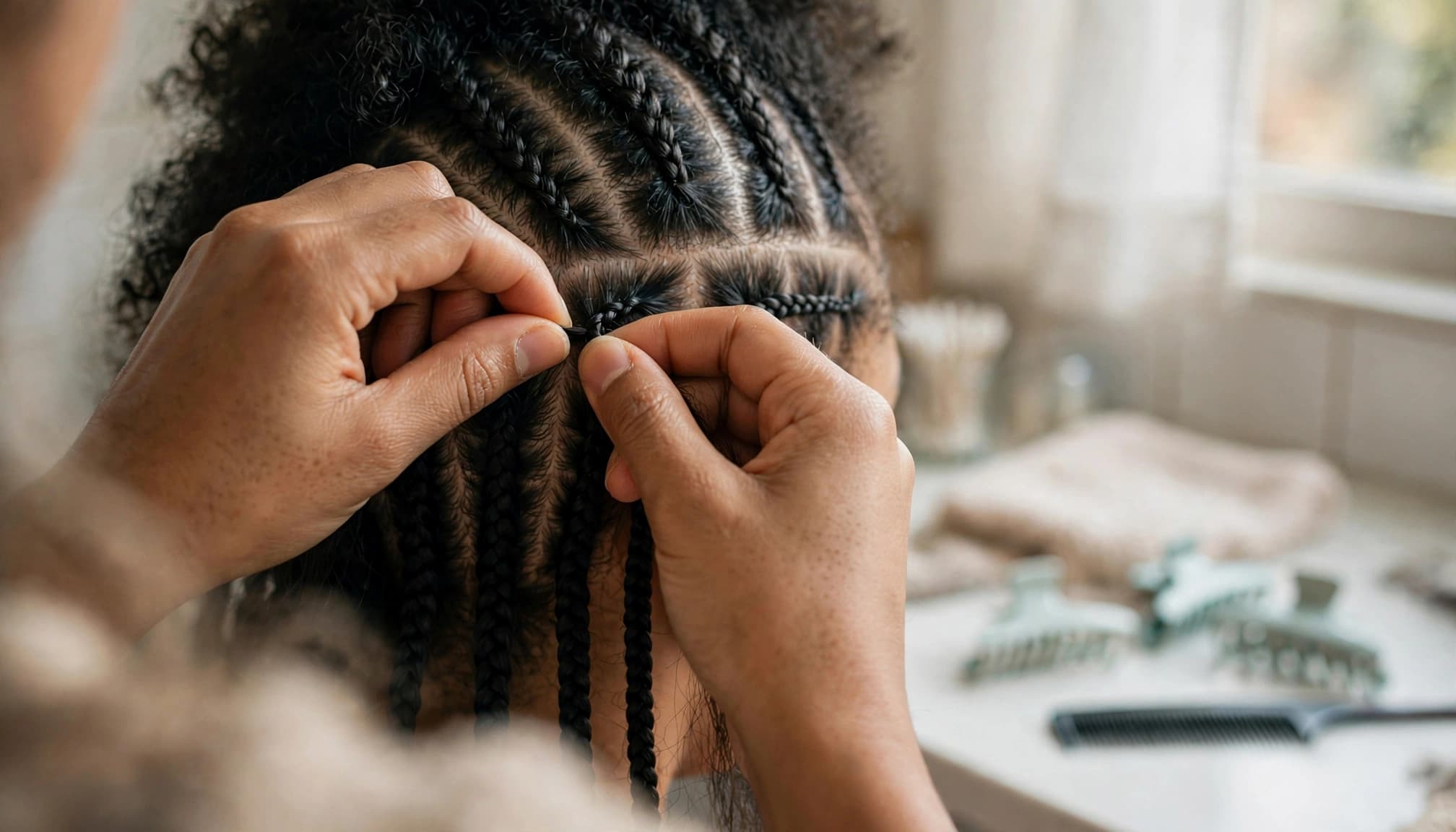
A neat base helps the extensions sit evenly. Work with clean, detangled hair and avoid braiding so tightly that your scalp feels sore.
Clean, condition, and detangle
Wash your hair and scalp to remove buildup, then condition and detangle gently. The American Academy of Dermatology recommends starting with clean hair and conditioning to help keep hair moisturized and strong.
Let your hair dry enough to braid comfortably. If your hair is prone to dryness, apply a modest amount of leave-in conditioner along the lengths. Keep products light so the base doesn't become coated.
Braid a secure but comfortable foundation
Use a rat-tail comb to create sections, then braid your hair into cornrows that lie flat without pulling hard at the roots. The pattern depends on your part and style. For a side part, angle the front rows to support it; for a center part, leave a clear parting space.
Braid the ends into the neighboring cornrow or secure them neatly against the base. Avoid tiny, tight rows around the hairline. If you notice stinging, bumps, or a strong pulling sensation while braiding, loosen the row before adding extensions.
Install crochet hair with the loop-and-pull method
Work row by row, starting at the back and moving toward the front. Smaller, evenly spaced sections usually make it easier to control coverage, but the exact spacing depends on the extension size and the fullness you want.
Attach each piece beneath a cornrow
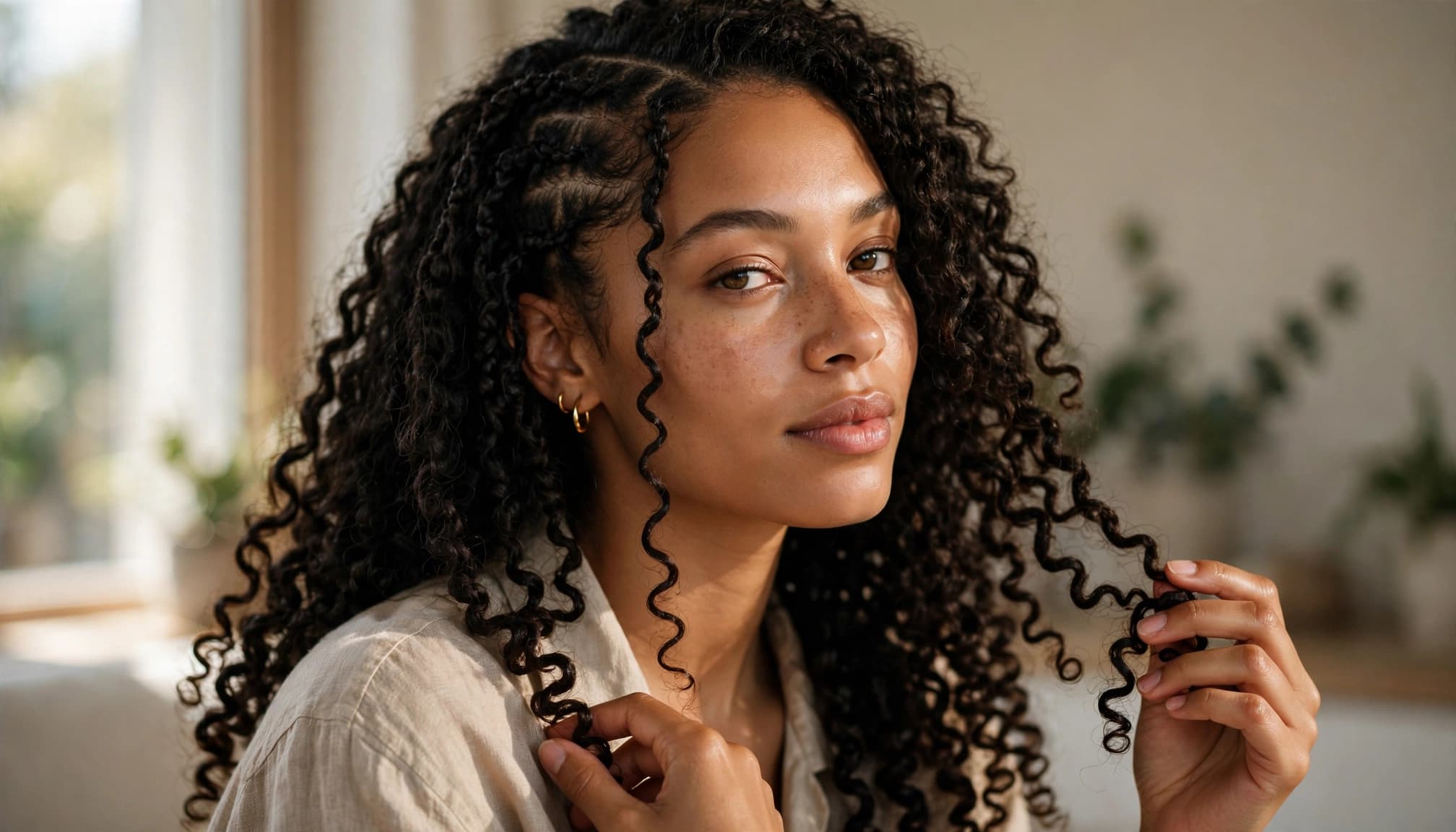
- Open the latch hook and slide it beneath a cornrow, close to the scalp but without scraping or pinching it.
- Fold one crochet-hair piece at its midpoint, then place the folded loop on the hook.
- Close the latch and pull the loop beneath the braid. Keep the hook moving smoothly rather than tugging.
- Remove the hair from the hook, pass the loose ends through the loop, and snug the attachment gently.
The finished knot should sit securely without pulling the cornrow tight. If the hair slips, check your loop technique or the braid's position instead of yanking the extension.
Work evenly and check comfort often
Continue along each row, spacing attachments so the cornrows don't show through. Don't pack hair tightly into every gap. Excess weight can make the base uncomfortable and can add stress to your natural hair.
Pause to check your progress in a mirror. Feel around the hairline and crown for tight spots, and adjust any attachment that pinches. You should be able to move your scalp comfortably; a headache or persistent soreness means the style needs attention.
Shape the style for a natural-looking result
Once the extensions are attached, separate curls or waves gently with your fingers. Pulling them apart aggressively can cause frizz or make the style look uneven. For straight or pre-stretched hair, arrange the pieces so the rows are covered without stacking too much hair in one area.
Check the style from the front, sides, and back. If a cornrow shows, redistribute nearby extensions rather than adding multiple pieces to one tight spot. Trim only the extension ends if needed, and cut small amounts at a time to avoid an uneven shape.
Leave some space around your natural part if you want it visible. For a softer hairline, use fewer pieces along the front and avoid attaching extensions right at the edge of delicate baby hairs.
Shop Los más vendidos
-
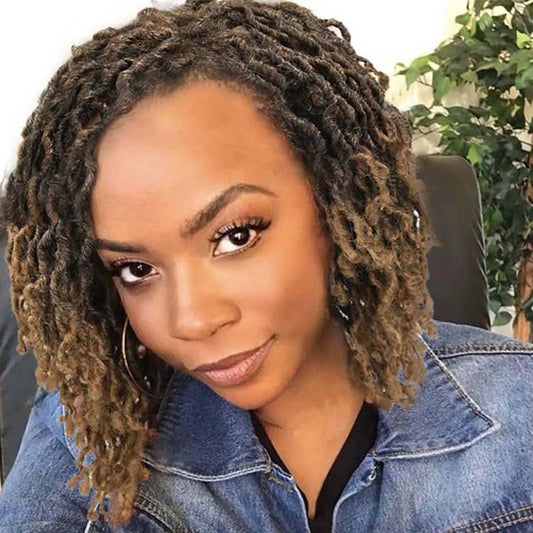
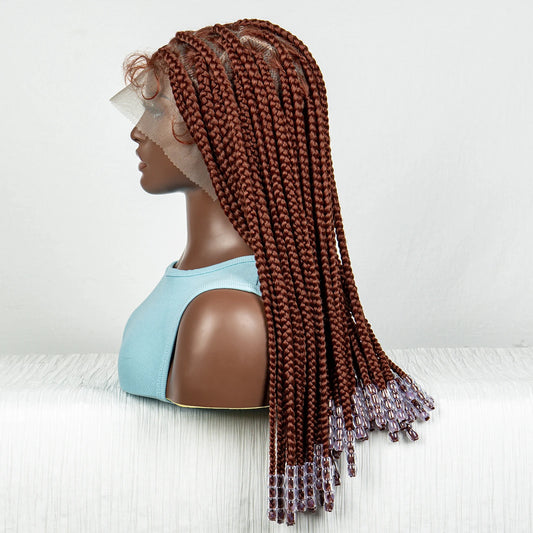
Peluca corta de locs falsos de diosa | Peluca de rastas con reflejos marrones | Peluca de crochet trenzada afro | Cabello sintético
Precio habitual A partir de $158.00 USDPrecio habitual$190.00 USDPrecio de oferta A partir de $158.00 USDOferta -
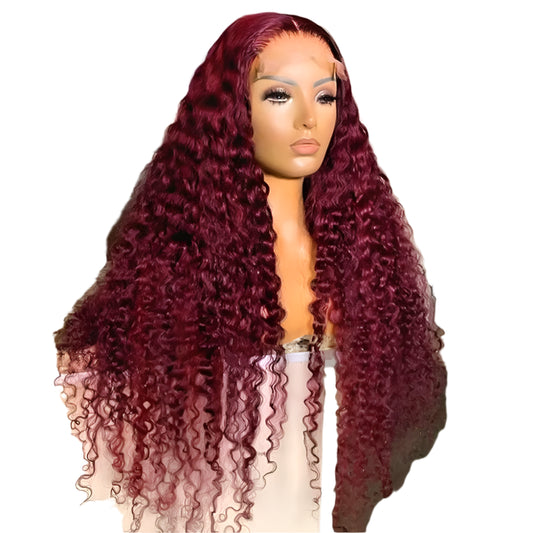
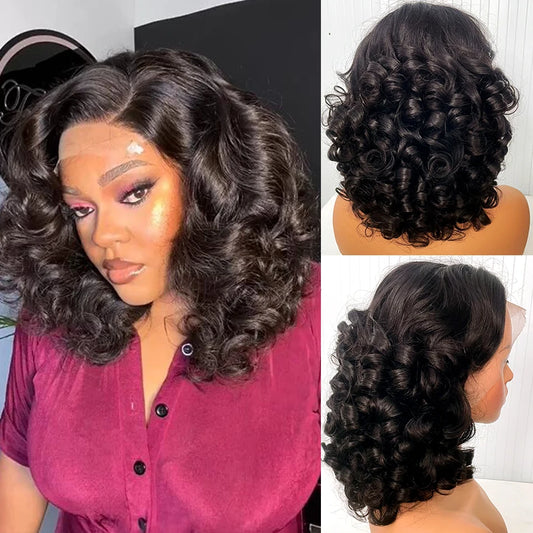
Peluca frontal de encaje HD de 13x6, rizada, de 30", color borgoña y chocolate, | Peluca de cabello humano de color 99J para mujeres | Onda profunda
Precio habitual A partir de $257.00 USDPrecio habitual$0.00 USDPrecio de oferta A partir de $257.00 USD -
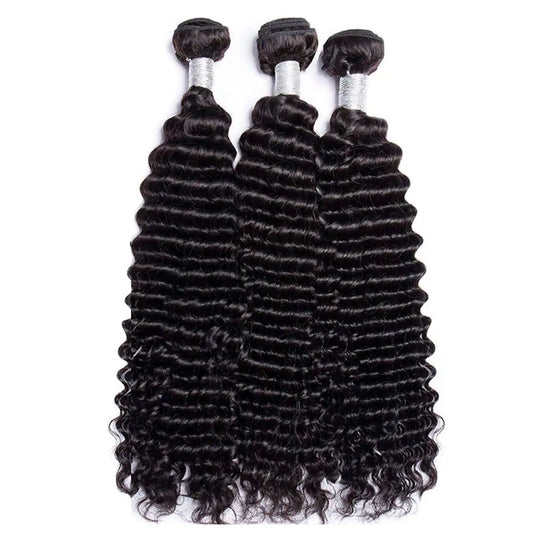
Paquetes de Cabello Humano Malayo Ondulado Profundo 12A | Extensiones de Tejido "Rizo Profundo" Sofisticadas | Opciones Elegantes de Paquetes Individuales/Múltiples de 30-32 Pulgadas | Trama de Cabello Remy "Digna" para un Estilo Radiante y Versátil
Precio habitual $364.00 USDPrecio habitual$0.00 USDPrecio de oferta $364.00 USD -
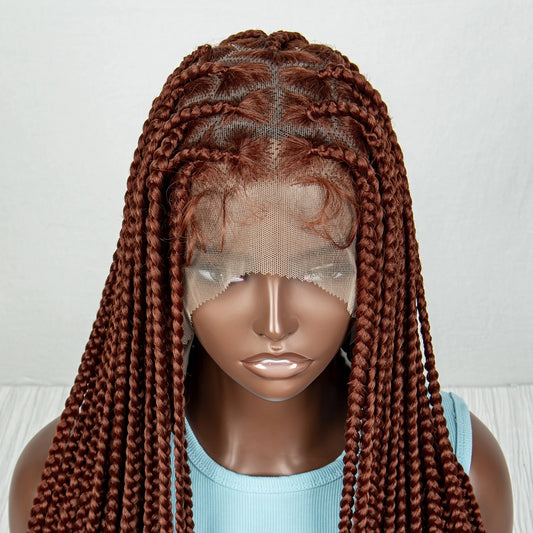
#350 Knotless Box Braids Wig | Short Lace Frontal Bob | Dark Ombre Ginger
Precio habitual $262.50 USDPrecio habitual$0.00 USDPrecio de oferta $262.50 USD -
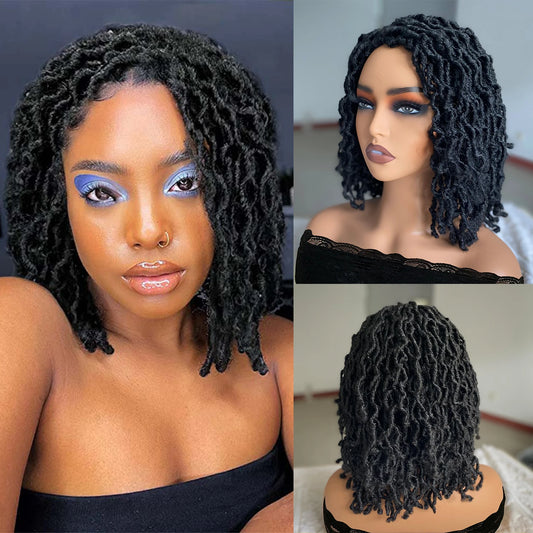
Peluca corta de rastas falsas afro | Trenzas sintéticas resistentes al calor | Peluca unisex para mujeres y hombres negros
Precio habitual $90.00 USDPrecio habitual$120.00 USDPrecio de oferta $90.00 USDOferta -
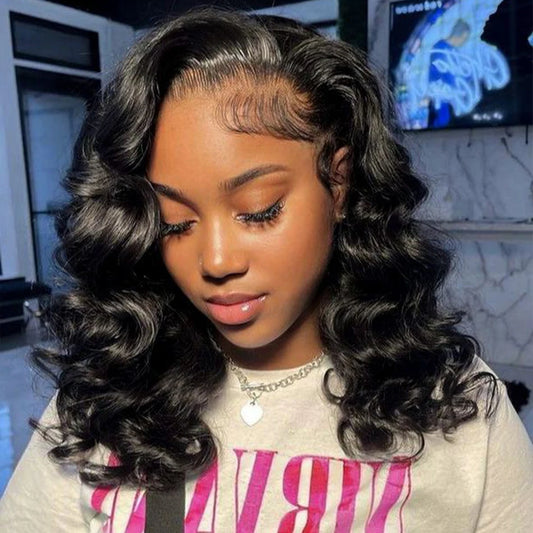
Peluca frontal de encaje HD 13x4 con cabello virgen vietnamita de donante 12A | Densidad del 250% | Doble capa | Ondas voluminosas | Sin pegamento
Precio habitual A partir de $242.00 USDPrecio habitual$0.00 USDPrecio de oferta A partir de $242.00 USD -
Zapatos Derby Wingtip para hombre de Italia | Oxfords clásicos modernos de bloques de color (aumento de altura, piel auténtica)
Precio habitual $263.00 USDPrecio habitual$301.00 USDPrecio de oferta $263.00 USDOferta -
Brazilian Human Hair 13x4 Lace Front Wig | Glueless, Pre-Plucked with Baby Hair
Precio habitual A partir de $99.00 USDPrecio habitual$132.00 USDPrecio de oferta A partir de $99.00 USDOferta





Maintain crochet hair without irritating your scalp
A protective style still needs gentle care. Keep the scalp clean and avoid scratching beneath the extensions with your nails. If you use a cleanser, apply it carefully to the scalp, rinse thoroughly, and let the base dry fully.
Reduce friction while sleeping
A satin or silk scarf, bonnet, or pillowcase can reduce friction while you sleep. Gather longer hair loosely rather than pulling it into a tight ponytail. In the morning, use your fingers to reshape the curls or arrange the extensions.
Avoid heavy buildup
Apply lightweight products sparingly, especially near the roots. Too much oil, gel, or styling cream can collect on the scalp and make cleansing difficult. If your scalp becomes itchy, first consider whether buildup, dryness, or tension might be contributing. Don't cover irritation with more product.
Know when to loosen or remove the style
Crochet hair should feel secure, not painful. The American Academy of Dermatology's guidance on hairstyles that pull warns that repeated tension from braids and extensions can contribute to traction alopecia. Pain, stinging, scalp crusts, or raised skin around a braid are signs to take seriously.
Respond to discomfort promptly
If you feel a headache, soreness, or ongoing pulling, loosen the offending section or remove the style. Don't wait for discomfort to pass, and don't try to solve tightness by adding more hair elsewhere. If symptoms continue after removal or you notice hair loss, speak with a dermatologist.
The AAD advises wearing braids for no longer than six to eight weeks. Treat that as an upper limit, not a target. Take the style down sooner if your scalp becomes uncomfortable, and allow your hair and scalp to rest before installing another tight style.
Remove extensions gently
Work in good light and take down one section at a time. If you need to cut away extension hair, hold the braid away from your scalp and cut only the extension ends, well clear of your natural hair. When possible, loosen the crochet loop by hand rather than cutting near the braid.
After removing the extensions, unravel the cornrows carefully from the ends upward. Detangle in sections with conditioner or detangling product, then cleanse and moisturize your hair. Avoid forceful combing, since shed hairs can catch in the braids and make detangling feel harder.
Key takeaways
- Begin with clean, conditioned hair and a base that feels comfortable.
- Use the latch hook to pull each loop beneath a cornrow, then pass the loose ends through it.
- Check the fit as you go, especially around your hairline and crown.
- Follow the hair's own care instructions, and remove the style if pain or irritation develops.
Frequently asked questions
How long does it take to install crochet hair?
Installation time varies with the size of your cornrows, the type of extension, and how quickly you work. Give yourself enough time to braid carefully and check each section. Rushing can lead to uneven spacing or a base that pulls.
Can I install crochet hair without cornrows?
The loop-and-pull method needs a secure base, commonly cornrows. Some crochet styles use another braided or twisted foundation, but the attachment still needs to hold without placing uncomfortable tension on your natural hair.
Can I wash crochet hair?
Follow the care instructions for your particular fiber. In general, focus on gently cleansing the scalp and rinsing product away rather than rubbing or tangling the extensions. Let the base dry fully, since damp braids can stay wet longer than loose hair.
What should I do if my scalp itches?
Check for tightness, dryness, or product buildup, and avoid scratching with your nails. If itching comes with pain, stinging, crusts, or irritation, loosen or remove the style. Persistent symptoms deserve advice from a dermatologist.
Keep comfort at the center
A polished crochet style starts with a clean base, even attachment, and manageable extension weight. Take your time with each step, follow the product's care directions, and don't ignore discomfort.
Crochet hair can be a convenient style choice when the foundation is gentle. If your scalp hurts or feels irritated, loosen or remove the style rather than trying to wear through it.