

Kinky Curly vs Coily Wigs: Texture, Volume, and Care
Two wigs can both look natural and full yet create very different silhouettes. When comparing kinky vs coily wigs, the labels can point you toward a general look, but they don't follow a universal standard across brands.
The most reliable choice comes from looking beyond the name. Compare the wig's photos, curl definition, density, length, construction, and care needs, then decide which combination suits your style and routine.
What "kinky curly" and "coily" mean on wig listings
Texture names help shoppers sort styles, but they aren't precise measurements. A brand's "kinky curly" may look close to another brand's "coily," so treat both as descriptions and inspect the wig itself.
Read labels as style cues
"Kinky curly" often describes a textured curl pattern with visible spring and a fuller, natural-looking silhouette. "Coily" is commonly used for compact, tight curls or coils. Those descriptions can help you narrow your search, but they don't set a consistent curl size or shape across sellers.
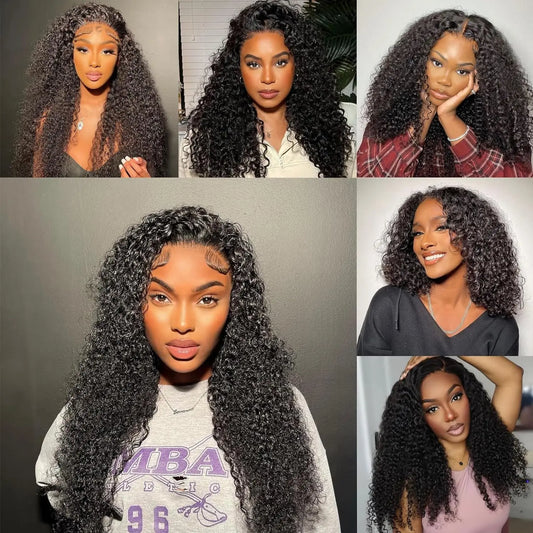
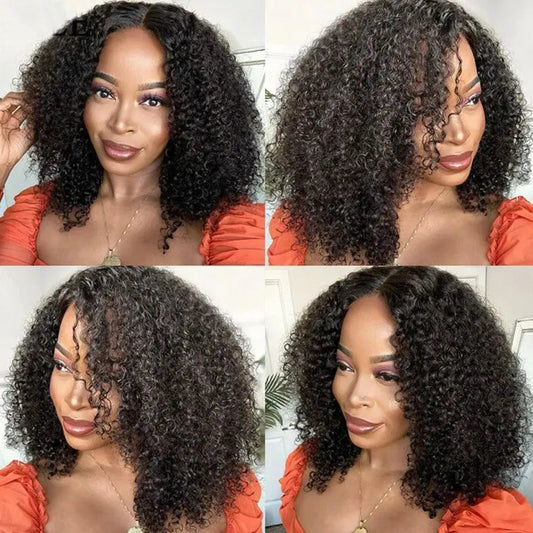
Photos matter because lighting, product styling, and image editing can change how defined or full a wig appears. Look for several views, ideally including close-ups and images of the hair at rest. If a listing shows only one polished angle, ask the seller for more detail before ordering.
Separate texture from construction
Texture describes the visible pattern of the hair. Construction describes how the wig is made, including its cap, lace, and parting options. A lace frontal can offer different styling possibilities than a machine-made cap, but the lace type doesn't tell you whether the curls are kinky curly or coily.
Also check whether the listing specifies human hair or synthetic fiber. That affects styling options and care, so don't assume two wigs with similar curl patterns will behave alike.
How the textures can look different when worn
The labels won't tell you everything, but the wig's shape and curl definition can guide your choice. Look at the overall silhouette, not just a close-up of a few curls.
Compare definition and shape
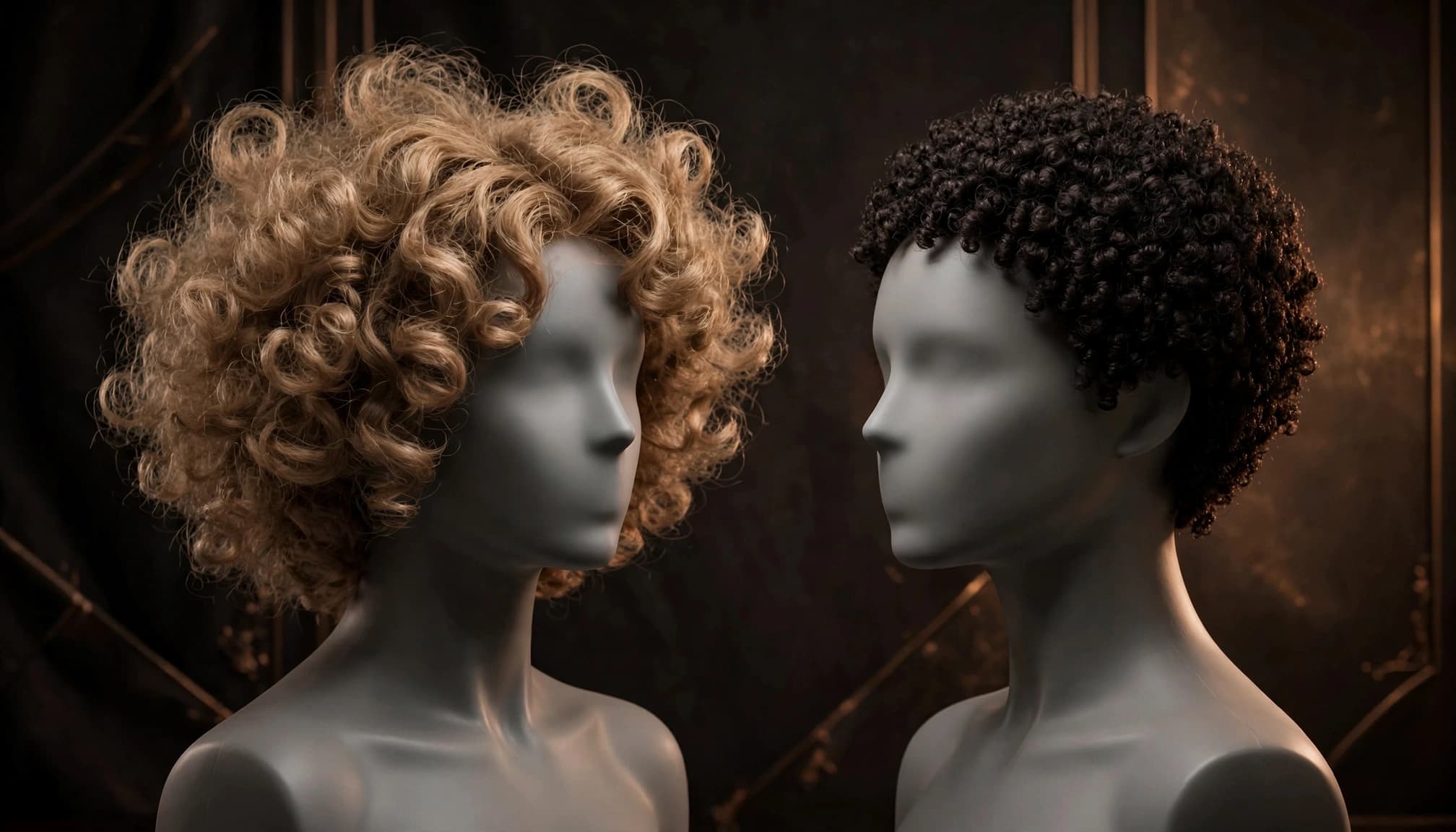
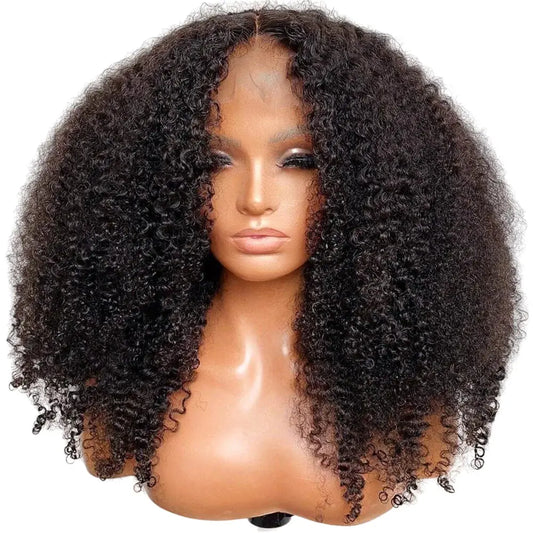
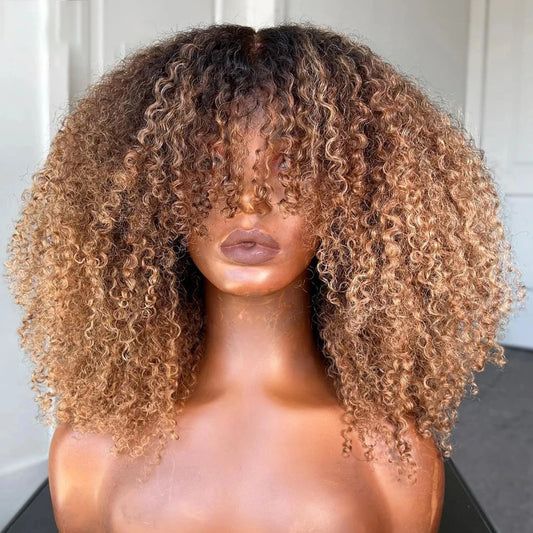
One kinky-curly style may have visibly separated curls and a loose, rounded outline. Another may look denser and less defined. A coily style might show compact spirals, a textured surface, or a closely packed shape. These are visual tendencies, not rules that apply to every product.
Consider how much definition you want. More separated curls can make individual strands easier to see, while a tighter, more compact look may create a dense overall shape. Product styling can change both appearances, so check images of the wig in more than one state when available.
Look at the full silhouette
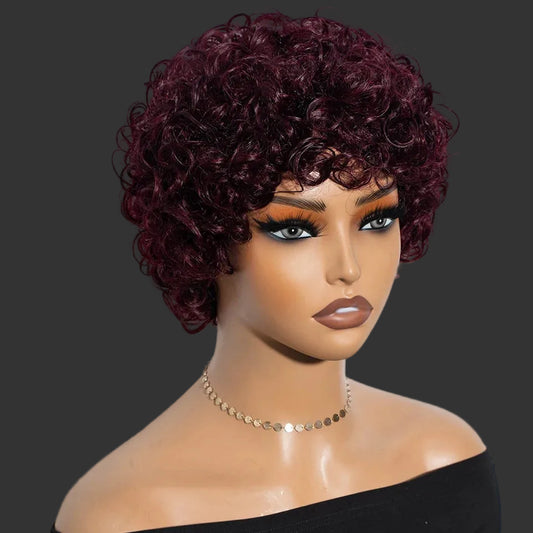
A cropped wig can appear rounded and compact, while a longer wig may hang lower and show more separation between curls. Length alone doesn't determine texture, but it affects how the pattern falls around your face and shoulders.
If you like a soft, broad outline, compare the wig's width at the sides and crown. For a more defined shape, check whether the curls retain visible separation from root to ends. These details are often more useful than the texture label by itself.
Volume depends on more than curl pattern
A common shopping mistake is to assume that "coily" always means fuller, or that "kinky curly" always means more volume. Neither label guarantees a particular amount of hair. Density, length, cut, and styling all influence the final look.
Understand density claims
Density describes how much hair a wig appears to contain, but product labels don't always offer a consistent basis for comparing units across brands. A listing may use a percentage to describe fullness. Treat that as the seller's description, then use photos and other specifications to judge the result.
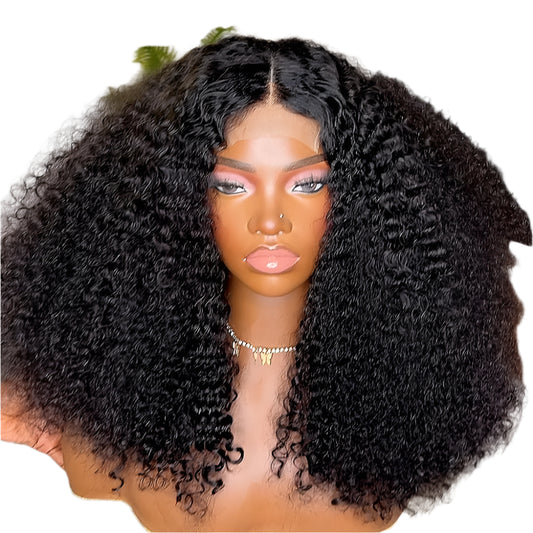
For example, Luxegan lists a 450% density Afro kinky curly wig and gives several density options on the product page. That tells you what the listing advertises, but it doesn't establish that its percentages match another retailer's measurement.
Account for length and shape
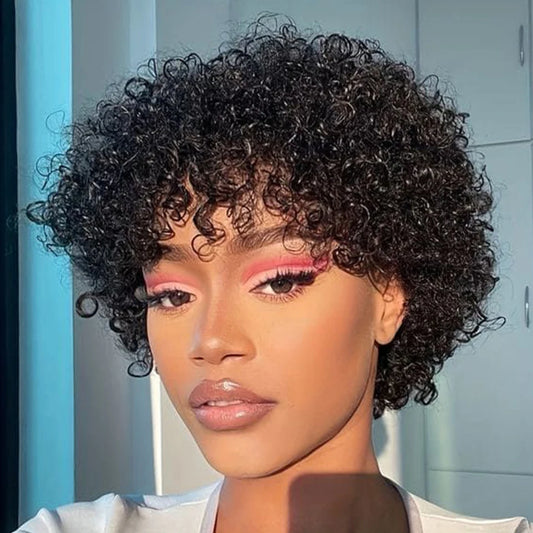
A short wig can look wide and rounded because the curls sit close to the head. Longer hair may stretch downward under its own weight, making the silhouette appear less broad. Layers and the way the wig is styled can also change the outline.
Think about the result you want from a normal day's wear. If a large silhouette appeals to you, look for product photos that show the full wig from the front and sides. For a more controlled shape, check for length and cut details, not just a high density label.
Choose a wig that suits your style and routine
Your preferred appearance is only one part of the decision. Consider how often you'll wear the wig, how much time you want to spend styling it, and how you plan to secure it.
Match the look to the occasion
A textured wig can make a strong everyday style or a more dramatic statement, depending on its length and fullness. If you want a low-key shape, look for moderate volume and a length that sits comfortably around your face. If you want a bold silhouette, compare longer or fuller listings while keeping the wig's weight and cap fit in mind.
Luxegan's double-drawn kinky curly HD lace wig is one example of a listing that specifies a 13x6 HD lace frontal and describes its texture and styling options. Use those details as a starting point, then review the product photos and full specifications.
Check fit and styling options
A glueless design, lace front, or full lace construction can affect how you wear and part a wig. These features don't determine whether the texture is right for you, but they do influence convenience and styling choices.
Before buying, check the cap size, adjustable features, lace dimensions, and return policy. If you plan to restyle human hair with heat or color, confirm the seller's instructions first. Product listings may limit color treatments or state that only certain styling changes are suitable.
What to check before placing an order
A thoughtful comparison can prevent surprises once the wig arrives. Review the specifications alongside the images, and make sure the listing answers the questions that matter for your intended use.
Confirm the hair type and listed features
Check whether the wig is human hair or synthetic, and read the description for length, density, lace type, and cap construction. If the listing uses broad wording such as "natural texture," look for a more specific description or contact the seller.
Also confirm the color and whether the displayed shade is the one you plan to order. Product photos may vary by screen and lighting, so don't rely on a single image to judge the exact color or curl definition.
Compare product photos with care
A styled photo can show the wig at its fullest, while a close-up may reveal the individual curl pattern. Read captions and specifications carefully, especially when a product name contains several texture terms. Those terms may describe a blended or specially styled pattern rather than a standard category.
If you see a density figure, treat it as one clue, not a promise that the wig will look identical to another wig with the same number. For a second example, Luxegan's 450% density kinky curly wig lists its construction and density as part of its product details. Compare those features with the photos and your preferred silhouette.
Shop Pelucas Kinky: atrevidas, hermosas y bohemias
-
Peluca frontal de encaje HD rizada Kinky de doble estiramiento | Cabello humano de alta densidad
Precio habitual A partir de $176.00 USDPrecio habitual$0.00 USDPrecio de oferta A partir de $176.00 USD -
Mongol | Rizado crespo | Cabello humano | Peluca Lace Front | Peluca Lace Closure
Precio habitual A partir de $180.00 USDPrecio habitual$0.00 USDPrecio de oferta A partir de $180.00 USD -
Jerry Curly Human Hair Wig – Short Pixie Afro Kinky Curly Wig with Bangs
Precio habitual $101.00 USDPrecio habitual$135.00 USDPrecio de oferta $101.00 USDOferta -
Short Pixie Afro Kinky Curly Wig for Black Women – Glueless Brazilian Remy Human Hair | Bob with Bangs
Precio habitual A partir de $95.00 USDPrecio habitual$126.00 USDPrecio de oferta A partir de $95.00 USDOferta -
Glueless Half Wig | Malaysian Remy Human Hair | Jerry Curly, Kinky Curly & Kinky Straight
Precio habitual A partir de $146.00 USDPrecio habitual$0.00 USDPrecio de oferta A partir de $146.00 USD -
4 Inch Kinky Curly Human Hair Wig | Short Wig with Bangs
Precio habitual A partir de $157.00 USDPrecio habitual$180.00 USDPrecio de oferta A partir de $157.00 USDOferta -
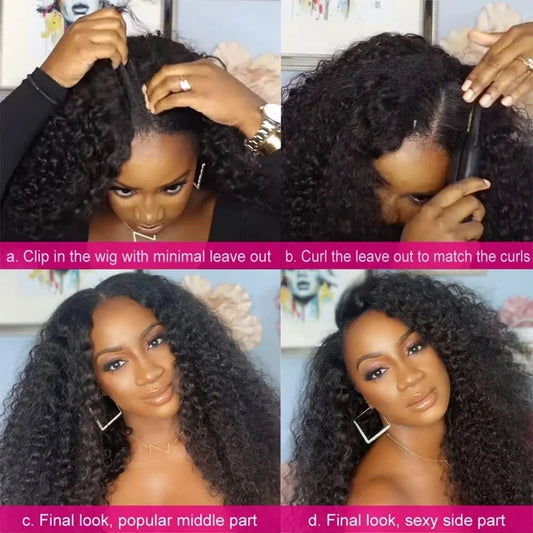
V-Part Afro Kinky Curly Wig | 12–32 Inch
Precio habitual A partir de $145.00 USDPrecio habitual$0.00 USDPrecio de oferta A partir de $145.00 USD -
Ombre Brown Blonde Jerry Curl Human Hair Wig with Bangs - Full Machine-Made Glueless Afro Kinky Curly Wig - 100% Brazilian Remy Human Hair Wear-and-Go Fringe Wig for Black Women
Precio habitual A partir de $149.00 USDPrecio habitual$0.00 USDPrecio de oferta A partir de $149.00 USD





Care for curls without creating extra frizz
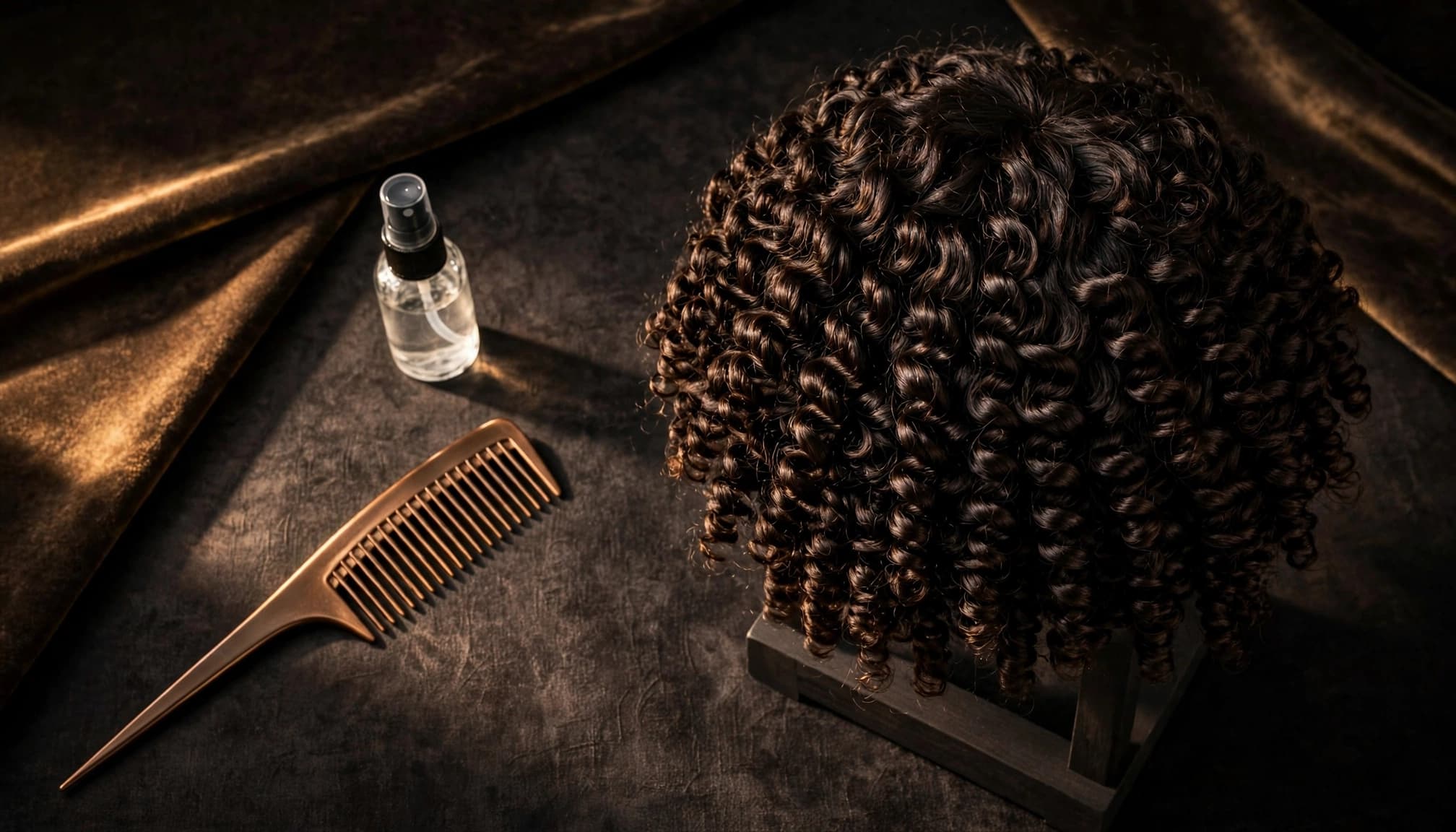
Textured wigs usually look their best when you handle them gently. The right routine depends on the hair fiber and the manufacturer's directions, so follow the care guidance supplied with your unit.
Detangle with care
The American Academy of Dermatology advises against brushing curly hair while dry because it can contribute to breakage and frizz. It recommends detangling while washing; for thick, curly hair, the AAD also says to comb in the shower before rinsing out conditioner. See its curly hair care tips from dermatologists and tips for healthy hair.
Those pages address hair care, not every type of wig. For a human-hair wig, use the seller's care instructions and handle the strands gently, working from the ends upward when detangling. Avoid forceful pulling, which can stress the hair and the cap.
Keep the routine suited to the wig
Use only products that the wig's manufacturer recommends. Human hair and synthetic fiber can respond differently to water, conditioner, and heat, so don't assume a routine for one will work for the other. When you're unsure, check the product details or ask the seller before washing or applying heat.
Between wears, store the wig in a way that protects its shape and prevents tangling. If you restyle it, remember that heavy manipulation can change the curl definition. A gentle routine helps you maintain the appearance you chose without treating every curl pattern the same way.
Key Takeaways
- "Kinky curly" and "coily" are useful style descriptions, but brands don't use them as standardized texture measurements.
- Compare the wig's photos, silhouette, density details, length, and construction rather than choosing by label alone.
- Density percentages are seller claims, so don't assume the same number means the same fullness across different brands.
- Follow the care instructions for the specific wig, and handle textured hair gently.
Frequently Asked Questions
Are kinky curly wigs and coily wigs the same?
They can look similar, but the names aren't used consistently across brands. Some listings use "kinky curly" for one textured appearance and "coily" for another. Compare the photos, product description, and curl definition to decide whether a particular wig matches your preference.
Which texture looks fuller?
Neither label guarantees more volume. The wig's density, length, cut, and styling affect its silhouette. Review photos from several angles and check the listing details instead of relying on "kinky curly" or "coily" alone.
Can you style both textures?
That depends on the wig's fiber and the seller's instructions. Human hair may allow more styling options than synthetic hair, but heat and chemical treatments can still damage it. Check the product page or contact the seller before making changes.
How should you detangle a textured wig?
Follow the wig maker's care directions first. In general, avoid rough brushing and pulling. The AAD advises detangling curly hair while washing rather than brushing it dry, but its guidance is for hair and may not cover every wig construction or fiber.
Choose by the wig, not just the label
Kinky curly and coily can point you toward different looks, but the words alone won't tell you how much volume a wig has or how it will sit. Compare the actual curl pattern, shape, density details, and cap features before deciding.
The best fit is the one that matches your preferred silhouette and care routine. Start with the photos and specifications, then choose the texture that feels right for you.