

Makeup for Copper and Auburn Wigs: Wearable Looks
Copper and auburn wigs can change the balance of your whole look, so makeup that felt familiar with another hair color may suddenly seem too warm, too cool, or too bold. The best makeup for copper hair is a palette you can adjust to your wig's exact shade, your skin's undertone, and how much definition you want.
You don't need to match every warm strand with orange makeup. Start with one or two colors that suit your complexion, then build an everyday or evening look around them.
Key takeaways
- Bright copper often pairs easily with bronze, soft brown, peach, and rose.
- Deep auburn can work with plum-brown, taupe, berry, and muted rose.
- Your undertone can guide color choices, but personal preference matters more than a fixed color rule.
- For a balanced look, choose one feature to emphasize and keep the rest softer.
- Test your makeup in daylight with your wig on, since the hair color changes the overall effect.
Start with the wig's copper or auburn tone
Copper and auburn cover a range of colors. A bright orange-copper wig reflects more warmth near your face, while a dark auburn shade may look brown, red, or even plum-toned depending on the light. Check the wig beside your face in natural light before choosing makeup.
Color theory can offer ideas, not strict rules. Jane Iredale's makeup color guide and Morphe's color-theory overview both discuss how colors relate to one another. Use those relationships as a starting point, then consider how each shade looks against your own skin.
Bright copper and golden copper
A vivid copper wig already brings warmth and color close to your face. Bronze, soft gold, caramel, and warm brown can echo that tone without requiring a full monochromatic look. If you prefer contrast, try taupe or a muted berry lip instead of adding more orange.
Auburn, cinnamon, and reddish brown
Auburn wigs tend to have more depth. Brown, plum-brown, soft charcoal, and muted mauve can define the eyes while keeping the face from competing with the hair. A warm auburn wig can still suit peach or terracotta blush, while a cooler, burgundy-leaning auburn may feel more balanced with rose or berry.
Everyday makeup for copper hair
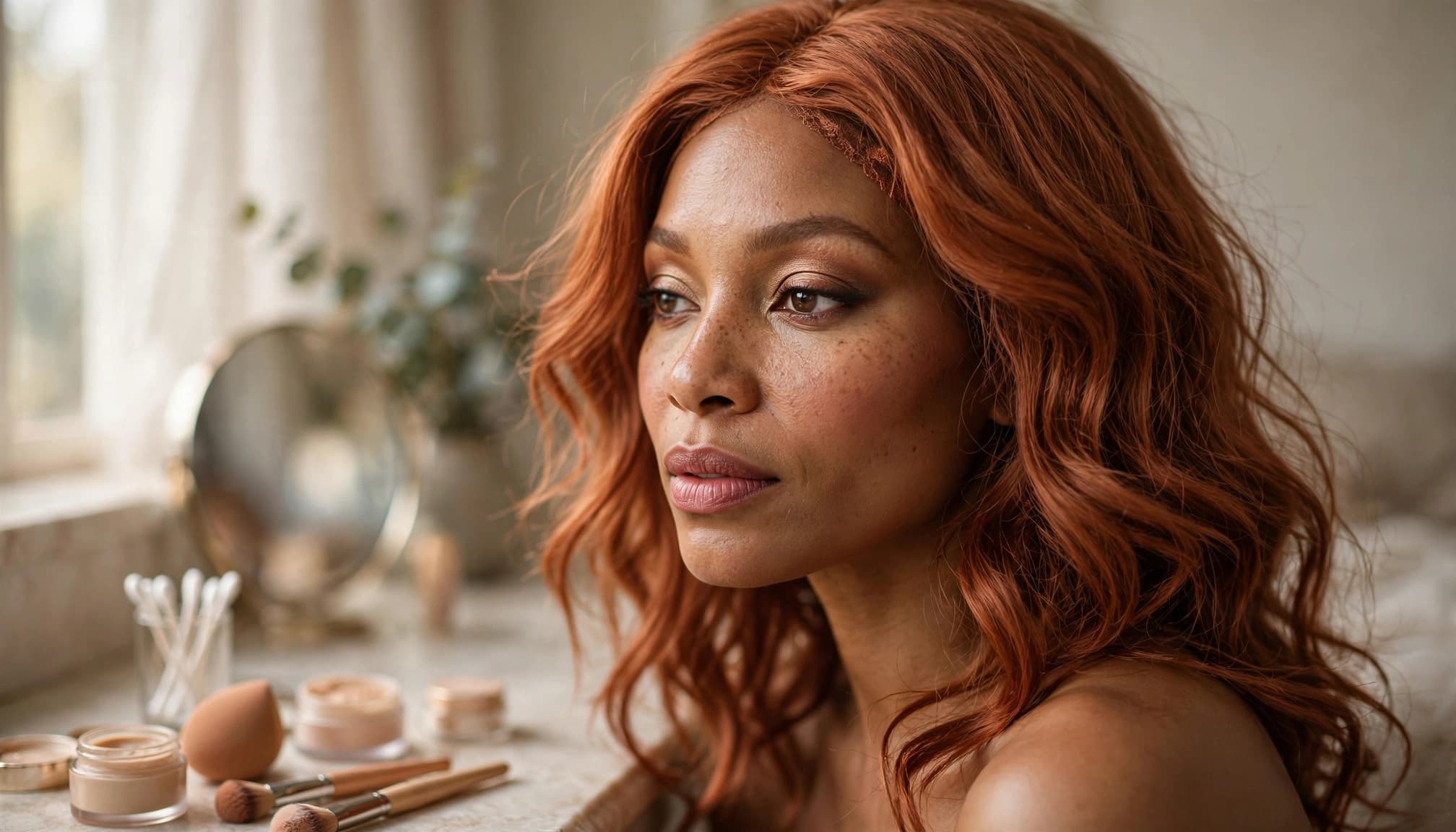
For daytime, let the copper shade remain the brightest element. A soft bronze eye, lightly defined lashes, a touch of blush, and a comfortable lip create polish without making every feature equally strong.
Build a soft bronze eye
Sweep a matte beige or caramel shade through the crease, then press bronze or soft copper shimmer onto the lid. Keep shimmer close to the lash line if you want a subtle finish. Blend the edges with a clean brush so the shadow looks softly diffused rather than like a sharp band.
For eyeliner, use espresso or brown pencil along the upper lashes. Smudge it slightly for a relaxed effect, or leave the line crisp for more definition. Black liner can work too, but a thin line may feel less stark in a low-key daytime look.
Add blush and a flexible lip
Choose blush by the effect you want. Peach or apricot can echo copper warmth; dusty rose adds a cooler note. Apply a small amount to the cheeks and blend toward the temples, checking that the color still looks natural beside the wig.
Finish with a tinted balm, muted rose lipstick, or a soft peachy nude. If a nude lip makes your complexion look washed out, try a slightly deeper rose or caramel-rose shade instead.
Give copper makeup more definition for evening
An evening look can handle deeper color and more contrast. Keep the same bronze or brown base, then add depth at the outer corner or along the lash line. This keeps the makeup connected to the wig without turning the whole lid orange.
Deepen the eyes without crowding them
Press a deep brown or bronze shade into the outer third of the lid, then blend it into the lighter crease color. Add a fine line of dark brown or black eyeliner and mascara. If you use metallic shadow, place it on the center of the lid rather than spreading it up to the brow.
For a bolder option, try plum or aubergine liner with a copper wig. The cooler accent adds contrast, so keep the lower lash line soft and avoid adding several competing colors at once.
Choose a lip with the right weight
A copper or terracotta lipstick can create a coordinated evening look, especially when the eye makeup stays simple. For contrast, choose berry, brick rose, or a deeper neutral. Blot once after applying lipstick to soften the finish and reduce transfer.
If you prefer a dramatic eye, wear a sheer lip color. When the lip is the focus, use a softer shadow and a neat line of eyeliner instead.
Make auburn makeup feel balanced
Auburn wigs often have a deeper, more subdued quality than bright copper. You can keep the makeup warm, or introduce softer cool tones like mauve and berry. The shade of auburn and your own coloring should guide the intensity.
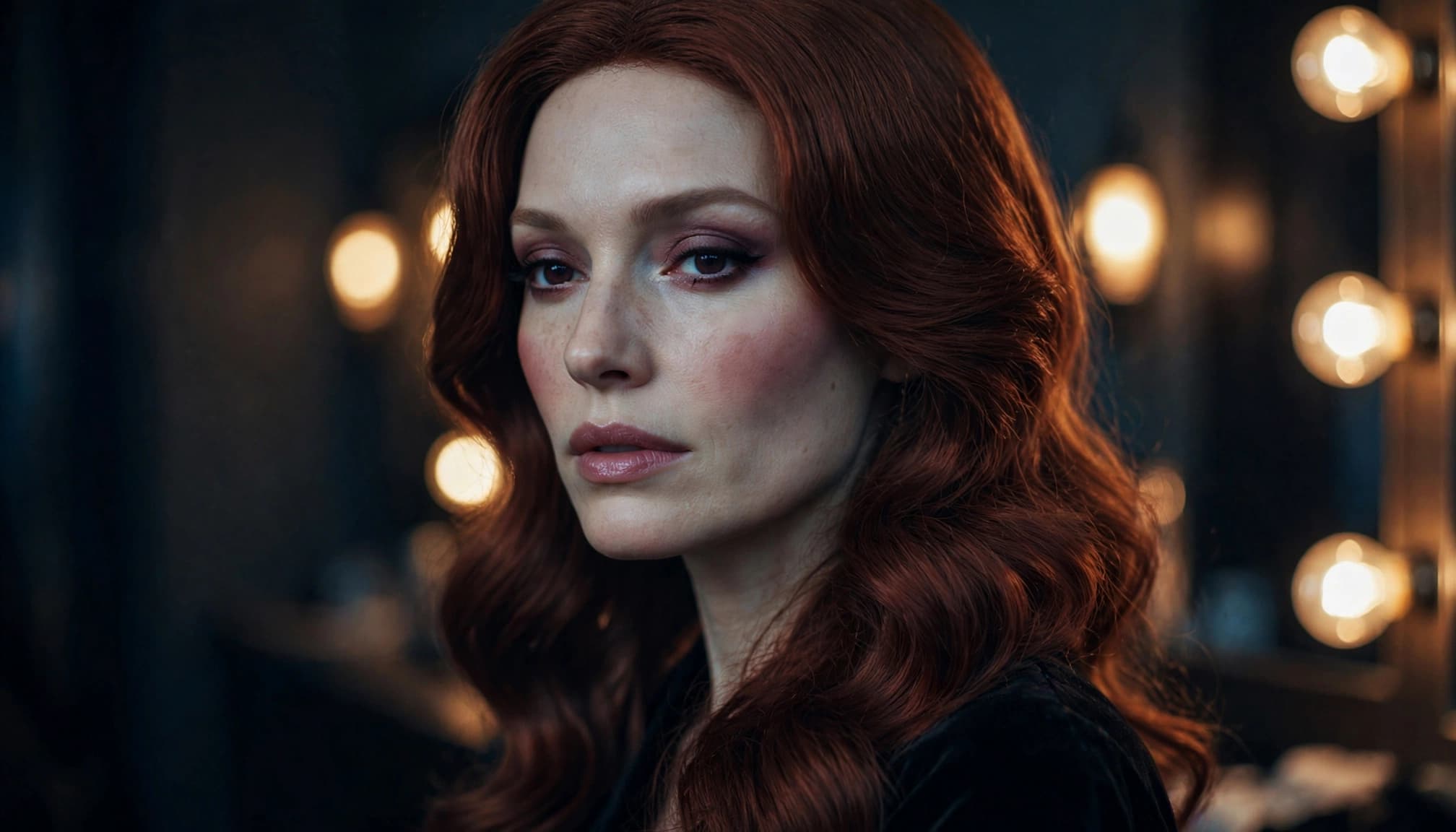
Try plum-brown and taupe on the eyes
Blend taupe or soft brown through the crease, then add plum-brown near the outer corner. This gives the eyes definition while avoiding a strong red-orange cast. A fine espresso or charcoal liner works well when you want more emphasis; brown pencil gives a softer edge.
For a warmer auburn wig, bronze and cinnamon shadow remain options. Keep the color concentrated on the lid, then use a neutral transition shade to connect it to your skin.
Pair berry blush with rose or mauve lips
Muted berry blush can add color without copying the red tones in the hair. If berry feels too cool, try rose or soft terracotta instead. On the lips, mauve-rose, berry stain, or a neutral pink can complement a deeper auburn shade.
For example, Luxegan's reddish-brown Brazilian hair bundle set has an auburn-copper hue. With a multi-tonal wig like this, test lip and blush shades against the overall color rather than matching one strand.
Shop Los más vendidos
-
Peluca corta de locs falsos de diosa | Peluca de rastas con reflejos marrones | Peluca de crochet trenzada afro | Cabello sintético
Precio habitual A partir de $158.00 USDPrecio habitual$190.00 USDPrecio de oferta A partir de $158.00 USDOferta -
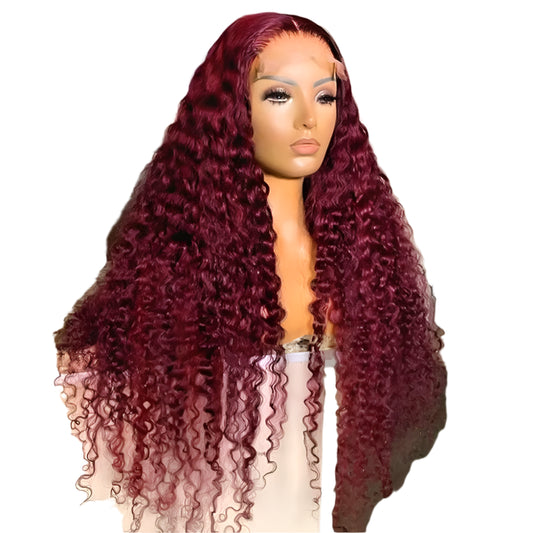
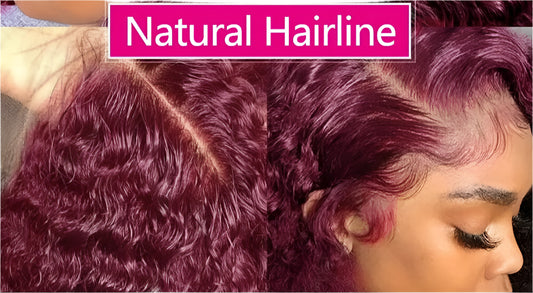
Peluca frontal de encaje HD de 13x6, rizada, de 30", color borgoña y chocolate, | Peluca de cabello humano de color 99J para mujeres | Onda profunda
Precio habitual A partir de $257.00 USDPrecio habitual$0.00 USDPrecio de oferta A partir de $257.00 USD -
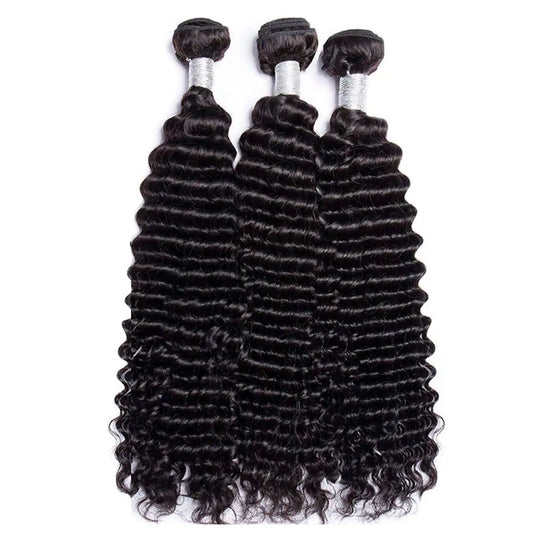
Paquetes de Cabello Humano Malayo Ondulado Profundo 12A | Extensiones de Tejido "Rizo Profundo" Sofisticadas | Opciones Elegantes de Paquetes Individuales/Múltiples de 30-32 Pulgadas | Trama de Cabello Remy "Digna" para un Estilo Radiante y Versátil
Precio habitual $364.00 USDPrecio habitual$0.00 USDPrecio de oferta $364.00 USD -
#350 Knotless Box Braids Wig | Short Lace Frontal Bob | Dark Ombre Ginger
Precio habitual $262.50 USDPrecio habitual$0.00 USDPrecio de oferta $262.50 USD -
Peluca corta de rastas falsas afro | Trenzas sintéticas resistentes al calor | Peluca unisex para mujeres y hombres negros
Precio habitual $90.00 USDPrecio habitual$120.00 USDPrecio de oferta $90.00 USDOferta -
Peluca frontal de encaje HD 13x4 con cabello virgen vietnamita de donante 12A | Densidad del 250% | Doble capa | Ondas voluminosas | Sin pegamento
Precio habitual A partir de $242.00 USDPrecio habitual$0.00 USDPrecio de oferta A partir de $242.00 USD -
Zapatos Derby Wingtip para hombre de Italia | Oxfords clásicos modernos de bloques de color (aumento de altura, piel auténtica)
Precio habitual $263.00 USDPrecio habitual$301.00 USDPrecio de oferta $263.00 USDOferta -
Brazilian Human Hair 13x4 Lace Front Wig | Glueless, Pre-Plucked with Baby Hair
Precio habitual A partir de $99.00 USDPrecio habitual$132.00 USDPrecio de oferta A partir de $99.00 USDOferta






Adjust the colors to your skin tone and undertone
Skin tone describes how light or deep your complexion appears. Undertone refers to the subtler warm, cool, or neutral cast beneath it. Neither category dictates which makeup you can wear; both can help you narrow down which shade or intensity to try first.
Work with warm, cool, or neutral undertones
If your skin reads warm, you may enjoy peach, caramel, bronze, or terracotta. For a copper wig, use these shades in small areas so the warmth stays balanced. If you have a cool undertone, try rose, mauve, taupe, or berry, then add a warm accent only where you like it.
Neutral undertones can move between warm and cool palettes. A neutral beige crease shade with either bronze or plum on the lid is an easy way to test a direction without committing to a full look. If your skin has an olive cast, muted shades such as taupe, soft brown, rose-brown, or subdued terracotta may feel more comfortable than very bright orange or pink.
Adjust depth, not just hue
On fair skin, sheer layers of bronze, peach, and rose can keep the look from becoming too intense. Medium skin can often take a little more pigment, though the best depth depends on your preference. On deep skin, rich bronze, copper, berry, and brown shades may offer visible color; choose products with enough pigment to show as intended.
These are starting points rather than rules. Test blush and lipstick in daylight, and look at them with the wig on. A shade that seems strong in the compact may blend beautifully, while a pale nude may disappear against your natural lip color.
Apply the look in a simple sequence
A short routine helps you see how the colors work together before adding more. Start with your usual complexion products, then check the result with the wig in place.
- Apply foundation or skin tint that matches your face and neck. Add concealer only where you want extra coverage.
- Use a transition shade close to your skin tone in the crease, then place bronze, brown, taupe, or plum on the lid.
- Add eyeliner close to the lashes. Keep it fine for daytime, or make the outer edge more defined for evening.
- Apply blush in a light layer and blend the edges. Add a second layer only if you want more color.
- Put on lipstick or tinted balm, then reassess the whole look in daylight.
Keep the wig and makeup in view
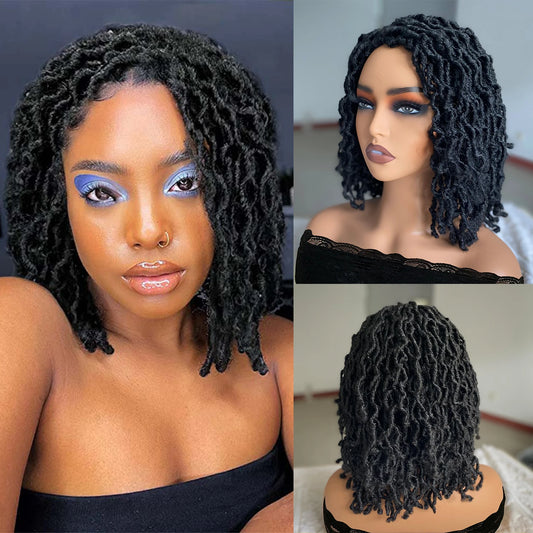
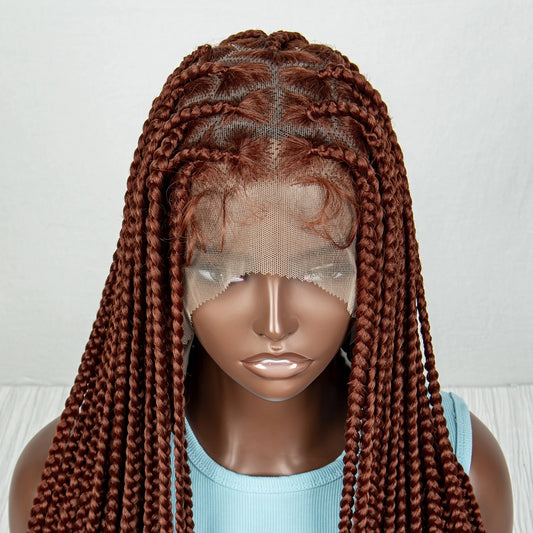
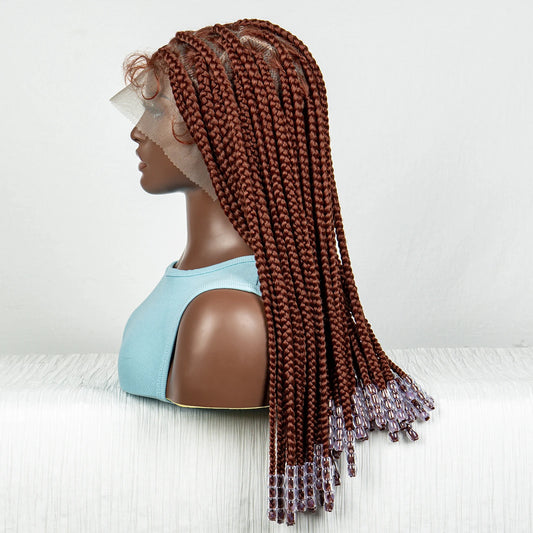
Put on the wig before making final decisions about blush and lip color. A copper-red style, such as Luxegan's short copper-red faux locs lace-front wig, may create a bolder frame around the face than a darker auburn style. Check the hairline and part, then blend complexion products carefully around them.
Scale the finish to the occasion
For work or daytime errands, use one shadow shade, brown liner, blush, and a balm or satin lipstick. For dinner or an event, add a deeper outer-corner shade, stronger liner, or a richer lip. Changing just one feature can shift the look without requiring a complete redo.
Frequently asked questions
What eyeshadow goes with a copper wig?
Bronze, caramel, soft brown, and champagne are useful starting points. Taupe or plum can add contrast. Choose one based on your skin tone and the copper shade, then keep the application sheer until you see how it looks with the wig.
Can I wear red lipstick with an auburn wig?
Yes. Try a red that suits your preferred intensity, such as brick, berry, or a muted rose-red. If the lipstick is vivid, keep the eyes simple. Testing the shade beside your wig can help you decide whether it blends or competes.
Should blush match the wig?
Blush doesn't need to match your hair. Peach and terracotta can echo warm copper, while rose and berry offer contrast with auburn. Choose a shade that looks good on your skin first, then adjust its intensity to balance the wig.
Let the wig set the mood, not the rules
Copper and auburn wigs give you a clear starting point, but they don't limit your palette. Try bronze and peach for a warm finish, or use taupe, mauve, and berry for a softer contrast.
The most reliable check is simple: wear the wig, apply makeup in light layers, and see how the colors look together in natural light. Keep the shades that make you feel like yourself.