

How to Moisturize Natural Hair Under a Wig
Your wig can look polished while the hair underneath feels dry and stiff. When you moisturize hair under wig caps, start by checking your strands and scalp rather than adding another layer of product.
A practical routine uses small amounts, keeps the underlying style accessible, and includes regular wig removal. Your hair texture, scalp condition, and styling products all affect what you need.
Start with a scalp check, then choose an application method that reaches your hair without soaking your braids.
Key Takeaways
- Remove your wig regularly so you can inspect your scalp and reach the underlying hair.
- Start with a small amount of a lightweight product, then assess how your strands feel.
- Treat persistent itching, soreness, or flaking as reasons to check your scalp, not automatically as signs of dryness.
Between-wash care should support your cleansing routine. It shouldn't replace washing or keep an uncomfortable protective style in place.
Check Your Hair and Scalp Before Adding Moisture
Hair can feel rough beneath a wig even when your scalp feels comfortable. Meanwhile, an itchy scalp can have several causes. Separate those concerns before deciding what to apply.
Assess the strands and ends
Remove the wig and cap, then gently feel an accessible section of hair. Check the ends as well as the roots. Notice whether the strands feel stiff, coated, sticky, or unusually rough.
Compare them with how your hair normally feels after conditioning. A coated surface may need cleansing rather than more leave-in.
The American Academy of Dermatology's everyday care tips for Black hair explain that Black hair tends to be fragile. Avoid tugging on braids or repeatedly rubbing the same section while checking it.
Inspect the skin beneath the style
Use a mirror and good light to look along your parts, hairline, and nape. Watch for redness, bumps, flakes, or areas that hurt when touched.
Also check where clips, combs, elastic bands, and adhesive contact your skin. Irritation concentrated at those points deserves attention before another application.
If you can't see enough of your scalp because the style is dense or tightly packed, plan time to remove it. Access matters when you need to clean, inspect, or treat the skin underneath.
Choose Lightweight Products Without Overloading the Style

A liquid leave-in or thin lotion is a practical starting point when you need access between braids. However, the word "lightweight" on a label doesn't tell you how a formula will behave on your hair.
Read the ingredients and directions
Check whether the product is intended for natural hair, the scalp, or the wig itself. These aren't interchangeable uses. Follow the directions, especially when a formula should be rinsed out.
The AAD's curly-hair conditioning guidance suggests ingredients such as glycerin, argan oil, and fatty alcohols like cetyl or stearyl alcohol. Those are general conditioning suggestions, not a tested under-wig formula.
Fatty alcohols aren't the same as ethanol or alcohol denat. Still, judge the complete product by your own experience rather than one ingredient.
Start with one product
You don't need to stack a spray, cream, butter, and oil at every touch-up. Begin with one product you already tolerate, and use the smallest amount that spreads over the accessible hair.
If you use oil, keep it optional. Oils don't add water, and shine alone doesn't tell you whether your strands need conditioning.
When browsing Luxegan's hair care and styling products, prioritize clear directions and formulas suited to your natural hair. Don't assume a product made for wig fibers belongs on your scalp.
How to Moisturize Hair Under Wig Caps
Removing the wig gives you the clearest view and the most control. Set it somewhere clean, take off the cap, and wash your hands before touching your scalp.

Use this sequence as a practical starting point, then adjust it to your hair and product directions:
- Check the style first. Look for irritation and feel for residue. If your hair already feels coated, pause before adding more.
- Work in accessible sections. Follow the spaces between cornrows or separate loose twists gently. Don't pull a braid away from the scalp to create room.
- Apply a little product to the hair. Use a fine mist or smooth a small amount between your fingertips. Aim for the strands rather than flooding the scalp.
- Reach the lengths and ends. Lightly press the product along the braid or twist. Pay attention to tucked ends, but don't unravel a secure style during every touch-up.
- Let damp areas dry before covering. Check inside thicker braids and at the nape. Put on a clean cap and wig only after the underlying hair has dried.
Stop before the style becomes saturated. Wet braids can take longer to dry than loose hair, especially where several sections overlap.
Also avoid aggressive scalp massage. Gentle handling is enough to distribute a small application. If product sits on the surface instead of spreading, reassess the amount or formula rather than adding another layer.
Reach Cornrows and Twists Without Disturbing Them
Your braid pattern affects access. A neat foundation should still allow you to check the scalp and care for the hair without constant pulling.
Follow the spaces between cornrows
With the wig removed, use the visible parts to guide your application. Keep a spray nozzle above the hair rather than pressing it against your scalp.
Then smooth a small amount along the exposed braid lengths. Product applied only to the parts may miss much of the hair.
Don't push pointed tools beneath tight cornrows. If the braids hurt or prevent basic care, loosen or redo the style instead of working around the tension.
Handle twists and tucked ends gently
Loose twists often make the lengths easier to reach. Support each twist while smoothing product downward, and avoid repeated twisting at the root.
For tucked ends, release the tuck only when needed. Repeated handling can defeat the purpose of a low-manipulation style.
If you need to moisturize hair under wig caps without fully restyling, work on accessible sections first. Save thorough detangling and conditioning for a session when you can safely undo the foundation.
Shop Pelucas negras
-
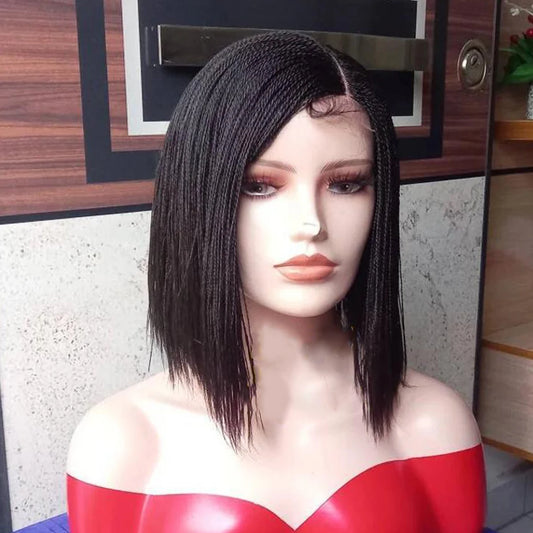
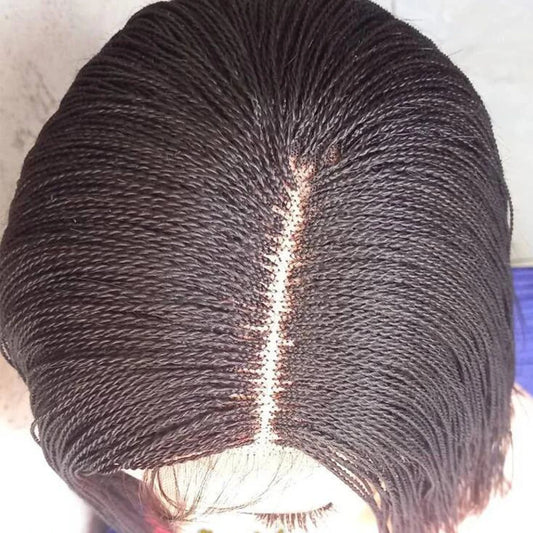
10 Inch Short Micro Twisted Wig - 2x4 Closure Braided Wig for Black Women - Micro Million Braid Wig - Synthetic Knotless Braids
Precio habitual $288.00 USDPrecio habitual$0.00 USDPrecio de oferta $288.00 USD -
Peluca trenzada de 10" con moños | Trenzas africanas | Encaje completo | Cola de caballo | Peluca sintética para mujeres negras
Precio habitual $200.00 USDPrecio habitual$229.00 USDPrecio de oferta $200.00 USDOferta -
12" Twist Braided Headband Wig | Short Crochet Box Braids | Synthetic Wig for Black Women
Precio habitual $136.00 USDPrecio habitual$163.00 USDPrecio de oferta $136.00 USDOferta -
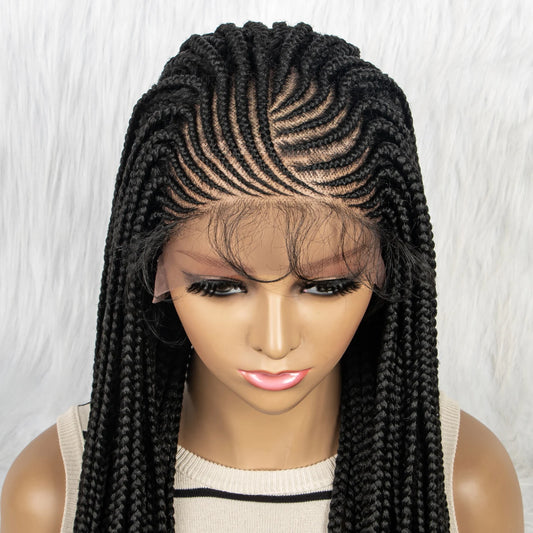
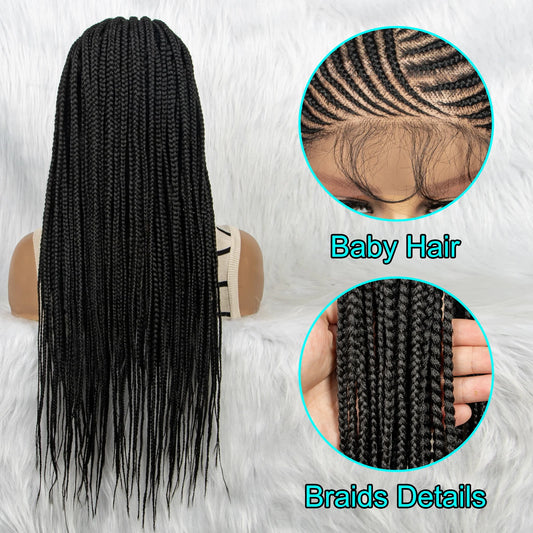
Peluca trenzada con encaje frontal de alta definición 13x4 con cabello de bebé | Pelucas trenzadas sintéticas para mujeres afroamericanas
Precio habitual $287.00 USDPrecio habitual$329.00 USDPrecio de oferta $287.00 USDOferta -
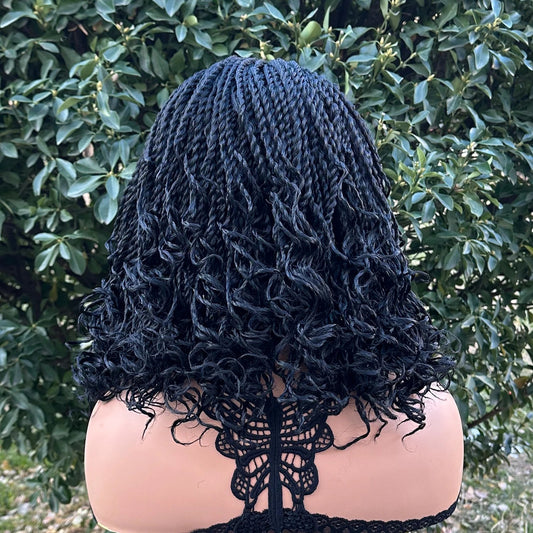
Peluca trenzada frontal de encaje 13x4 | Puntas rizadas kinky | Peluca sintética africana con pelo de bebé para mujeres negras
Precio habitual $144.00 USDPrecio habitual$165.00 USDPrecio de oferta $144.00 USDOferta -
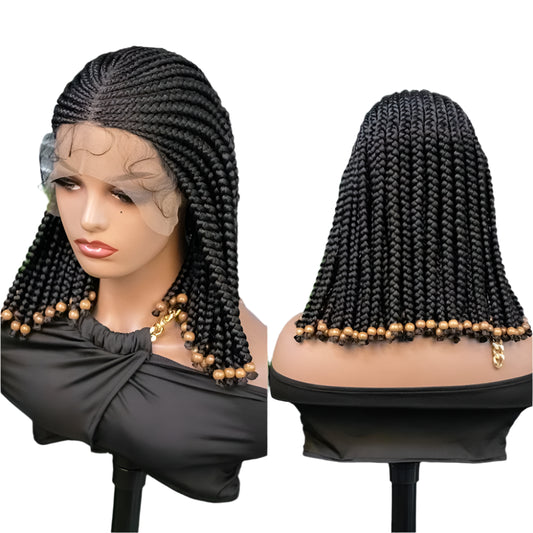
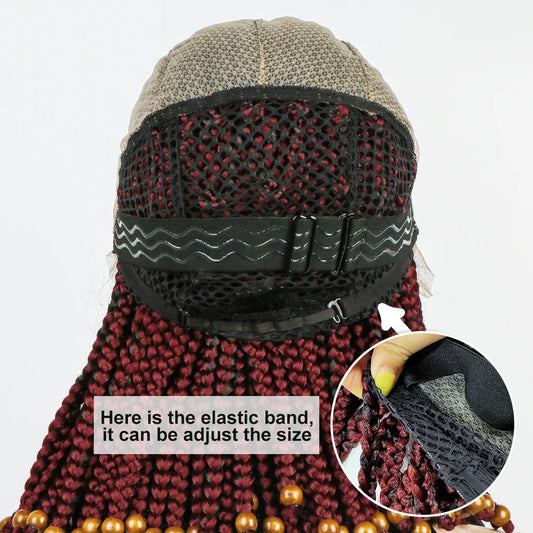
Peluca Bob Trenzado Corto de 14" | Encaje Frontal | Resistente al Calor | Para Mujeres Negras
Precio habitual $265.00 USDPrecio habitual$303.00 USDPrecio de oferta $265.00 USDOferta -
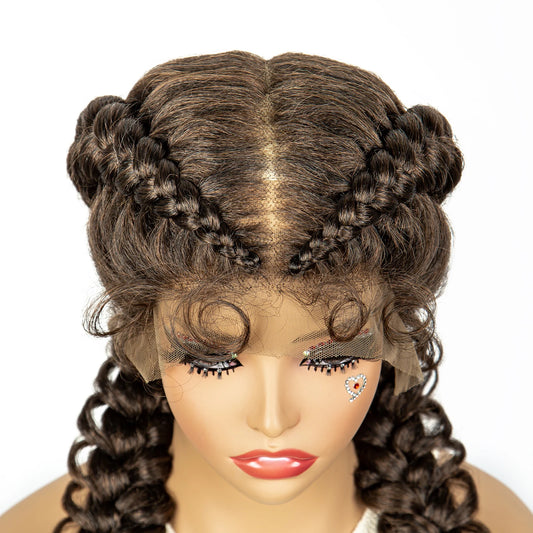
Peluca trenzada holandesa en caja, 1B/30, marrón oscuro | Encaje frontal sintético | Trenzas cola de pescado | Con cabello de bebé | Para mujeres negras
Precio habitual A partir de $149.25 USDPrecio habitual$199.00 USDPrecio de oferta A partir de $149.25 USDOferta -
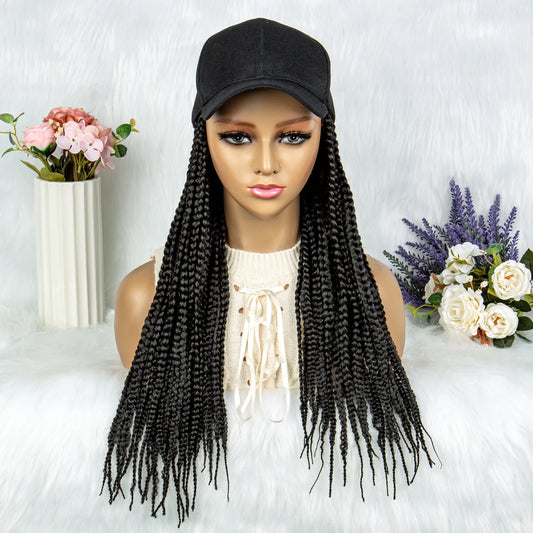
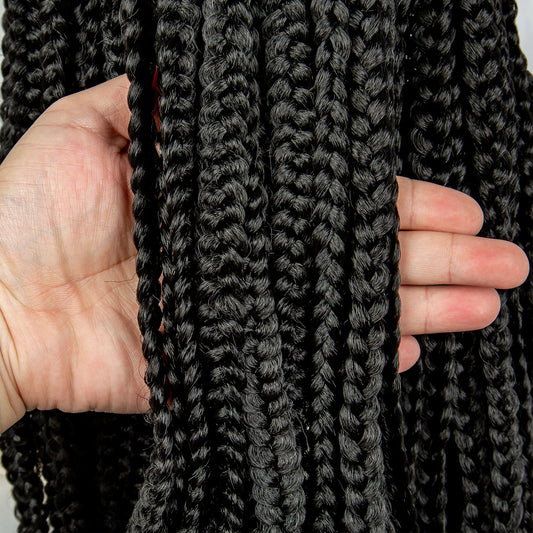
Peluca gorra de béisbol con trenzas de 20" | Mujeres afroamericanas | Peluca de sombrero ajustable
Precio habitual $102.00 USDPrecio habitual$123.00 USDPrecio de oferta $102.00 USDOferta





Adjust Touch-Ups to Your Hair, Not a Fixed Calendar
There's no single under-wig moisturizing schedule that suits everyone. Fine strands, dense coils, color-treated hair, and different scalp conditions can call for different routines.
Check your hair when you remove the wig. If it feels comfortable and flexible, you may not need another application. If the ends feel rough but the roots feel coated, focus your attention on the ends.
The AAD's healthy-hair care tips tie cleansing decisions to hair type and scalp oiliness. Wig wear doesn't remove those differences.
After exercise or a sweaty day, take off the wig and assess the scalp and cap. Adding a scented spray won't clean away sweat or residue.
Notice what happens after each touch-up. If your hair becomes sticky, reduce the amount next time. If discomfort returns repeatedly, reconsider the product, cap, or foundation style.
Keep wash day flexible, too. You don't need to reach a planned date before cleansing hair that feels dirty or addressing an irritated scalp.
Reduce Buildup and Respond to Scalp Irritation
Between-wash care works best when you can tell the difference between product residue and a scalp concern. Adding more product can make that distinction harder.
Keep cleansing in the routine
Avoid repeatedly layering products over the same coated sections. When washing, remove the wig and cleanse the underlying hair and scalp rather than washing the wig alone.
Follow with conditioner according to its directions. Rinse thoroughly, then let the hair dry before covering it again.
Clean reusable wig caps according to their care instructions, and replace worn or damaged ones. Also check the inside of the wig for transferred product around the hairline and nape.
A clean wig over a dirty cap doesn't address the residue touching your hair and skin.
Stop products that cause discomfort
If a product causes burning, redness, or itching, stop using it and rinse it out when you can safely do so. Fragrance and essential oils can irritate some people, so "natural" isn't a guarantee of tolerance.
Persistent itching needs a scalp check before another layer of product.
Don't scratch with a comb or pointed nozzle. That can injure the skin.
Seek medical advice for persistent flaking, sores, spreading redness, or new hair loss. A dermatologist can assess the cause and recommend treatment. Follow any prescribed scalp-care plan rather than substituting a cosmetic oil or leave-in.
Make Regular Wig Removal Part of Protective Styling
A wig should leave room for scalp care. Removable styles make inspection easier, although fit and the underlying hairstyle still matter.
For example, Luxegan's glueless body wave highlight wig uses an adjustable strap system rather than requiring adhesive. Check that straps and combs feel secure without pulling your hairline.
If your wig is bonded, follow the adhesive's removal instructions. Don't peel it off or force product underneath a sealed edge. Spraying through the wig also makes placement harder to judge and may wet the wig instead of your natural hair.
The AAD warns that hairstyles that pull can cause hair loss. Tight cornrows, repeated clip placement, and an overly tight foundation deserve attention.
Remove the wig regularly to inspect your scalp and care for the style beneath it. Pain is a reason to change the setup.
Keep the Hair Beneath Your Wig Accessible
Between wash days, prioritize access and observation. Remove the wig, check your scalp, and apply small amounts only where your hair needs attention.
Let damp hair dry before replacing the cap, and bring cleansing forward when residue or discomfort appears. Your routine should respond to your hair and scalp, not a fixed product schedule.
The finished wig style shouldn't come at the expense of comfortable, cared-for hair underneath.