

How to Prep Natural Hair Under a Wig for Comfort
A wig can feel secure without pulling at your edges or pressing uncomfortably on your scalp. The prep matters: your natural hair should be clean, fully dry, and arranged in a base that fits beneath the cap without creating pressure.
A tight braid pattern or damp roots can make an otherwise comfortable unit hard to wear. Start with the condition of your hair and scalp, then choose a foundation that suits your texture, length, and wig.
Key Takeaways
- Begin with a clean scalp and hair that's completely dry, including the roots and the nape.
- Choose flat twists, loose braids, or another low-tension style that lies comfortably beneath the wig.
- Check that the wig and cap fit without pinching, pulling, or adding bulky layers.
- Remove the wig if you feel persistent discomfort, itching, or irritation.
Start with a Clean, Fully Dry Scalp
Wash or cleanse your scalp based on your needs and usual routine. Remove product buildup gently, and rinse thoroughly. A clean scalp gives you a comfortable starting point, while avoiding heavy product layers can help prevent residue from collecting under the cap.
Dry your hair completely before covering it. Pay attention to dense areas, roots, and the nape, which can stay damp after the rest of the hair feels dry. If you're unsure, part your hair in a few places and check close to the scalp. Damp hair held under a cap may feel uncomfortable and can stay wet longer than hair left uncovered.

If you wash your hair on install day, leave enough time for it to air-dry or dry it with a method that works for your hair. Don't put on the wig simply because the outside feels dry. Check the roots first, then confirm the lengths are dry before making a base.
Detangle and Prepare Your Hair
Start detangling when your hair is in a condition that allows you to handle it gently. Work in sections and begin at the ends, moving toward the roots as knots loosen. This reduces the need to pull through tangles and helps you create a smoother foundation.
Use your usual moisturizing products sparingly, especially near the roots. Hair that feels comfortable and manageable is easier to braid or twist, but a heavy coating of cream or oil can leave residue on the scalp or inside a cap. If your hair tends to feel dry, apply a modest amount through the lengths and give it time to absorb before covering it.
Also check for shed hairs and knots before styling. Removing tangles now can make takedown easier later. If your hair is fragile or your scalp is tender, use less manipulation and choose a simple style that doesn't require repeated combing.
Choose a Low-Tension Foundation
The best base is the one that keeps your hair contained without straining your scalp. Hair length, density, curl pattern, and wig-cap shape all affect which style feels comfortable. Try the foundation before the wig goes on, then adjust if it feels bulky or tight.

Keep braids or twists loose and flat
Loose cornrows, flat twists, or simple plaits can hold natural hair close to the head. Choose a pattern that suits the wig's part and keeps the hair evenly distributed. If one style makes your scalp feel sore, try fewer sections, looser braids, or a different foundation.
Avoid making the base so small or tight that it pulls at your hairline. The American Academy of Dermatology recommends loosening braids, especially around the hairline, and notes that longer braids can weigh more. Its guidance on hairstyles that pull can help you spot styles that place too much strain on your hair.
Keep the base low and smooth
Tuck the ends in a way that doesn't create hard knots or thick lumps. Distribute the braids or twists across your head instead of stacking them in one spot. Then run your hand over the base to find ridges that might press beneath the wig.
A wig cap can help contain loose hairs, but it shouldn't compress your style. If the cap shifts or pinches, reposition it or try another size or style. A comfortable base should feel secure before the wig is added.
Protect Your Hairline and Avoid Pulling
A wig can add pressure when the foundation, cap, or attachment method pulls in the same direction. Check the front, temples, and nape before installation. If you feel tension at any point, loosen the base or adjust the fit rather than hoping the discomfort will fade.
The AAD explains that repeated pulling from tight hairstyles can cause traction alopecia, a form of hair loss that may become permanent. Its advice on preventing hair damage from weaves and extensions reinforces why comfort matters during protective styling.
Treat pain as a reason to adjust
Tenderness, stinging, a headache, or a pulling sensation means something needs attention. Remove the wig and check whether the cap is too tight, the braids are pulling, or an attachment is placing pressure on one area. Don't add a tighter band or extra pins to fix slipping if those changes increase discomfort.
Give sensitive areas less tension
Keep the hairline and temples especially relaxed. If you use clips or combs inside a wig, make sure they aren't catching the same section of hair repeatedly. You can also choose a style that doesn't depend on a tight grip at the front.
Shop Pelucas negras
-
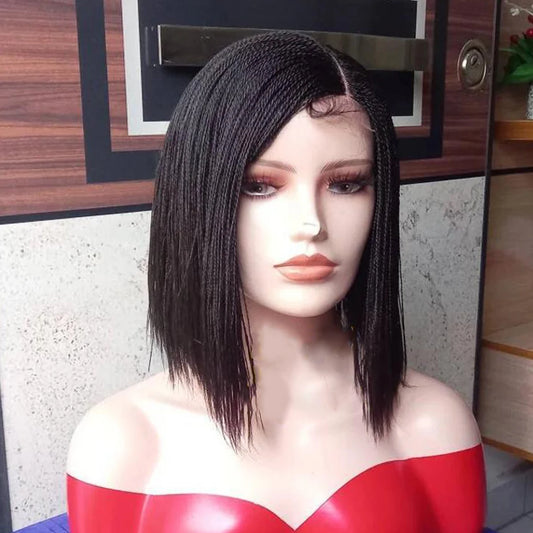
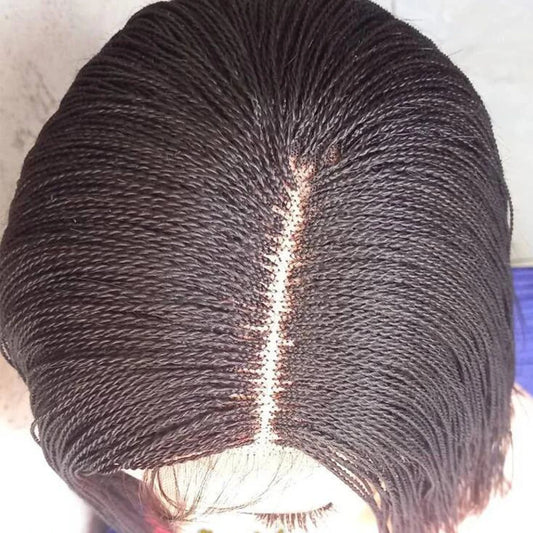
10 Inch Short Micro Twisted Wig - 2x4 Closure Braided Wig for Black Women - Micro Million Braid Wig - Synthetic Knotless Braids
Precio habitual $288.00 USDPrecio habitual$0.00 USDPrecio de oferta $288.00 USD -
Peluca trenzada de 10" con moños | Trenzas africanas | Encaje completo | Cola de caballo | Peluca sintética para mujeres negras
Precio habitual $200.00 USDPrecio habitual$229.00 USDPrecio de oferta $200.00 USDOferta -
12" Twist Braided Headband Wig | Short Crochet Box Braids | Synthetic Wig for Black Women
Precio habitual $136.00 USDPrecio habitual$163.00 USDPrecio de oferta $136.00 USDOferta -
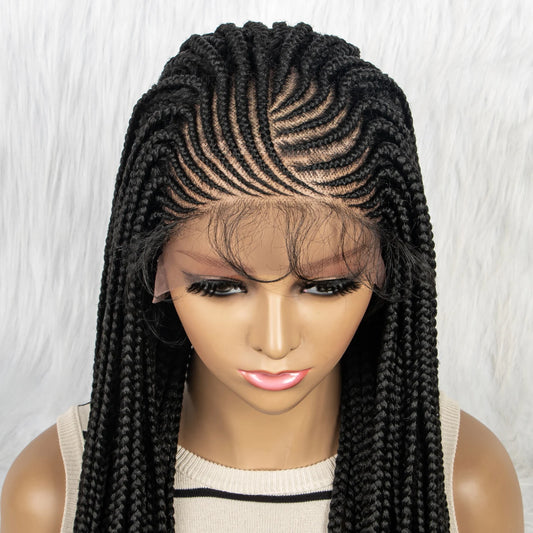
Peluca trenzada con encaje frontal de alta definición 13x4 con cabello de bebé | Pelucas trenzadas sintéticas para mujeres afroamericanas
Precio habitual $287.00 USDPrecio habitual$329.00 USDPrecio de oferta $287.00 USDOferta -
Peluca trenzada frontal de encaje 13x4 | Puntas rizadas kinky | Peluca sintética africana con pelo de bebé para mujeres negras
Precio habitual $144.00 USDPrecio habitual$165.00 USDPrecio de oferta $144.00 USDOferta -
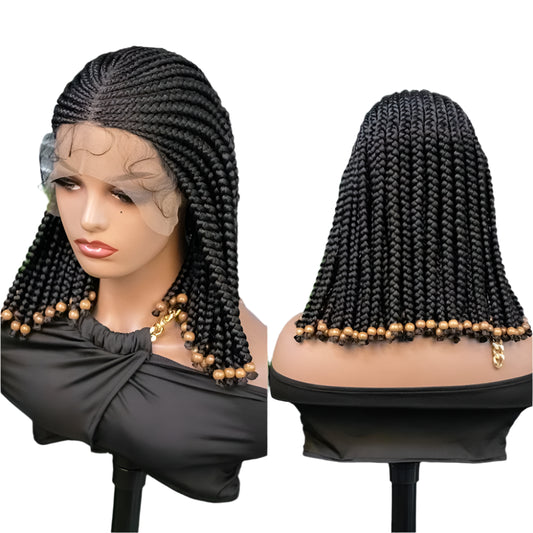
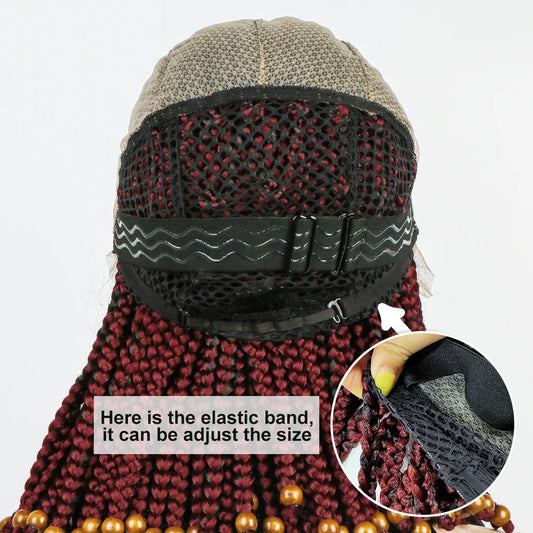
Peluca Bob Trenzado Corto de 14" | Encaje Frontal | Resistente al Calor | Para Mujeres Negras
Precio habitual $265.00 USDPrecio habitual$303.00 USDPrecio de oferta $265.00 USDOferta -
Peluca trenzada holandesa en caja, 1B/30, marrón oscuro | Encaje frontal sintético | Trenzas cola de pescado | Con cabello de bebé | Para mujeres negras
Precio habitual A partir de $149.25 USDPrecio habitual$199.00 USDPrecio de oferta A partir de $149.25 USDOferta -
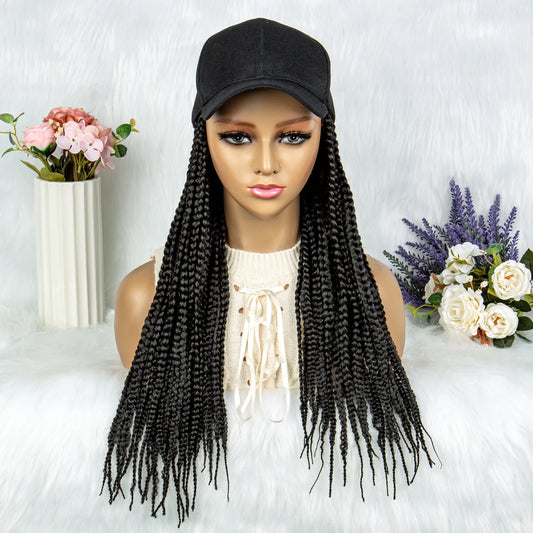
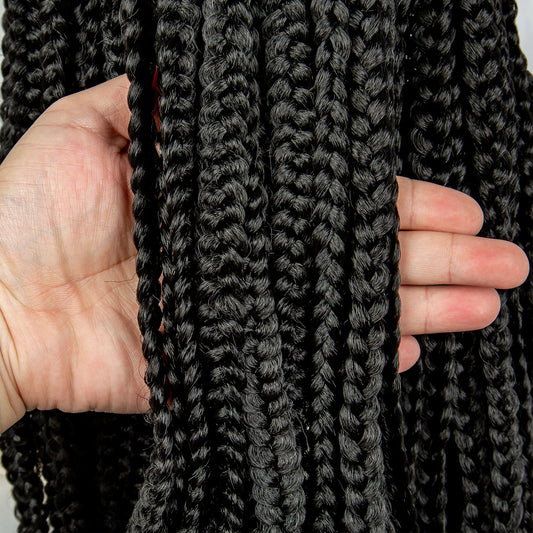
Peluca gorra de béisbol con trenzas de 20" | Mujeres afroamericanas | Peluca de sombrero ajustable
Precio habitual $102.00 USDPrecio habitual$123.00 USDPrecio de oferta $102.00 USDOferta





Check the Wig Cap and Fit
The wig should sit securely without squeezing your head or pushing the foundation into your scalp. Before wearing it for a full day, put it on and check the hairline, crown, sides, and nape. Move your head gently. If the cap slides, reassess the fit rather than tightening every adjustment point at once.
Avoid bulky or uncomfortable layers
A thick braid pattern, folded scarf, doubled cap, and wig can add up to a bulky base. If the wig feels raised or lumpy, remove it and flatten the foundation first. Extra layers can also trap heat or create friction, so use only what you need to hold your hair in place.
A cap should cover the base smoothly without digging into your forehead or leaving a tight mark. If a cap's seams or elastic press on a sensitive spot, try a different design. Keep the wig's internal combs, clips, and straps away from sore areas.
Choose a fit that doesn't depend on force
If you prefer a glueless unit, look for adjustable features that help it sit securely without adhesive. For example, Luxegan describes its Celine glueless 5x5 HD lace wig as lightweight and glueless. Features differ by wig, so check each unit's construction and sizing rather than assuming every cap will fit the same way.
Secure the Wig Without Adding Tension
Place the wig gently over the prepared base. Align the front where you want it, then settle the sides and back without dragging the unit across your edges. Fasten adjustable straps gradually, stopping as soon as the wig feels stable. A snug fit shouldn't cause pressure or leave you eager to take it off.
If you use adhesive, follow the product directions and keep it off irritated or broken skin. Avoid layering adhesive, gel, and tight elastic to compensate for a poor fit. If the lace or cap keeps shifting, reassess the unit's size and placement.
Once the wig is on, check for pressure at the temples and nape. Then move your head and talk as you normally would. If the wig shifts during gentle movement, make a small adjustment. Don't secure it so tightly that your edges or scalp hurt.
Make Comfort Checks Part of Wear
Check in with your scalp after installation and during wear. Heat, tightness, itching, or soreness can mean you need to loosen or remove the unit. If your scalp feels sweaty or uncomfortable, take the wig off when you can and let the area air out.
Keep the cap and wig clean according to their care instructions. Avoid adding oil or styling product directly to the scalp just before covering it, especially if you notice buildup or irritation. Your scalp should feel comfortable beneath the foundation, not coated or itchy.
At takedown, remove the wig carefully and undo braids or twists without yanking. If a clip, comb, or adhesive catches your hair, pause and release it gently. Give your hair and scalp a break between installs when they feel tender or stressed.
FAQ: Prepping Natural Hair for a Wig
Can I put a wig over damp natural hair?
Wait until your hair is completely dry, including the roots and nape. Check by parting the hair in several places rather than relying on the surface. If the roots still feel damp, leave the hair uncovered until it dries.
What's the best braid pattern under a wig?
There isn't one pattern that works for everyone. Choose a style that lies flat under your unit and doesn't pull, pinch, or create pressure. Loose braids or flat twists may work well for some people, while others may prefer a different low-tension arrangement.
What should I do if my scalp stays irritated?
Remove the wig and avoid repeating the style that caused discomfort. Check for tight braids, pressure from the cap, or irritation from products or adhesive. If symptoms persist, worsen, or include ongoing soreness or hair loss, seek advice from a dermatologist or another qualified professional.
Keep Comfort at the Center of Your Prep
A comfortable wig foundation starts with clean, completely dry hair and a low-tension style. A smooth base and well-fitting cap should hold your hair without painful pressure or bulky layers.
Pay attention to what your scalp tells you. If irritation or pulling persists, take the wig off and seek professional advice instead of tightening the install.