

How to Choose Passion Twist Hair
For passion twists, choose medium-wave, lightweight extensions that separate easily and hold a soft curl. Loose synthetic water-wave hair is a practical starting point for most beginners; compare options such as Freetress Water Wave before choosing.
Choose extension details for passion twists based on your installation method, preferred length, and how much fullness your natural hair can comfortably support. Texture comes first, because straight braiding hair and tightly coiled spring-twist hair produce different results.
Before you install, start with the curl pattern, then consider length, quantity, and care.
What Makes Passion Twists Different?
Passion twists are loose, boho style two-strand twists developed as a quicker alternative to the goddess-loc look. They're sometimes called spring twists, although spring-twist hair usually creates a smaller, tighter coil.
With a braid-and-twist installation, your natural hair forms a short braided base before the extension continues into a twist. This reduces daily handling and helps tuck your hair into the style.
People often choose this look as a protective style, but the braided foundation alone doesn't make an installation protective. Heavy extensions and tight roots can still cause hair damage. The American Academy of Dermatology explains that hairstyles that pull can cause traction alopecia.
A comfortable installation should let you move your head without pulling or scalp pain.
Choose Passion Twist Hair by Texture and Material
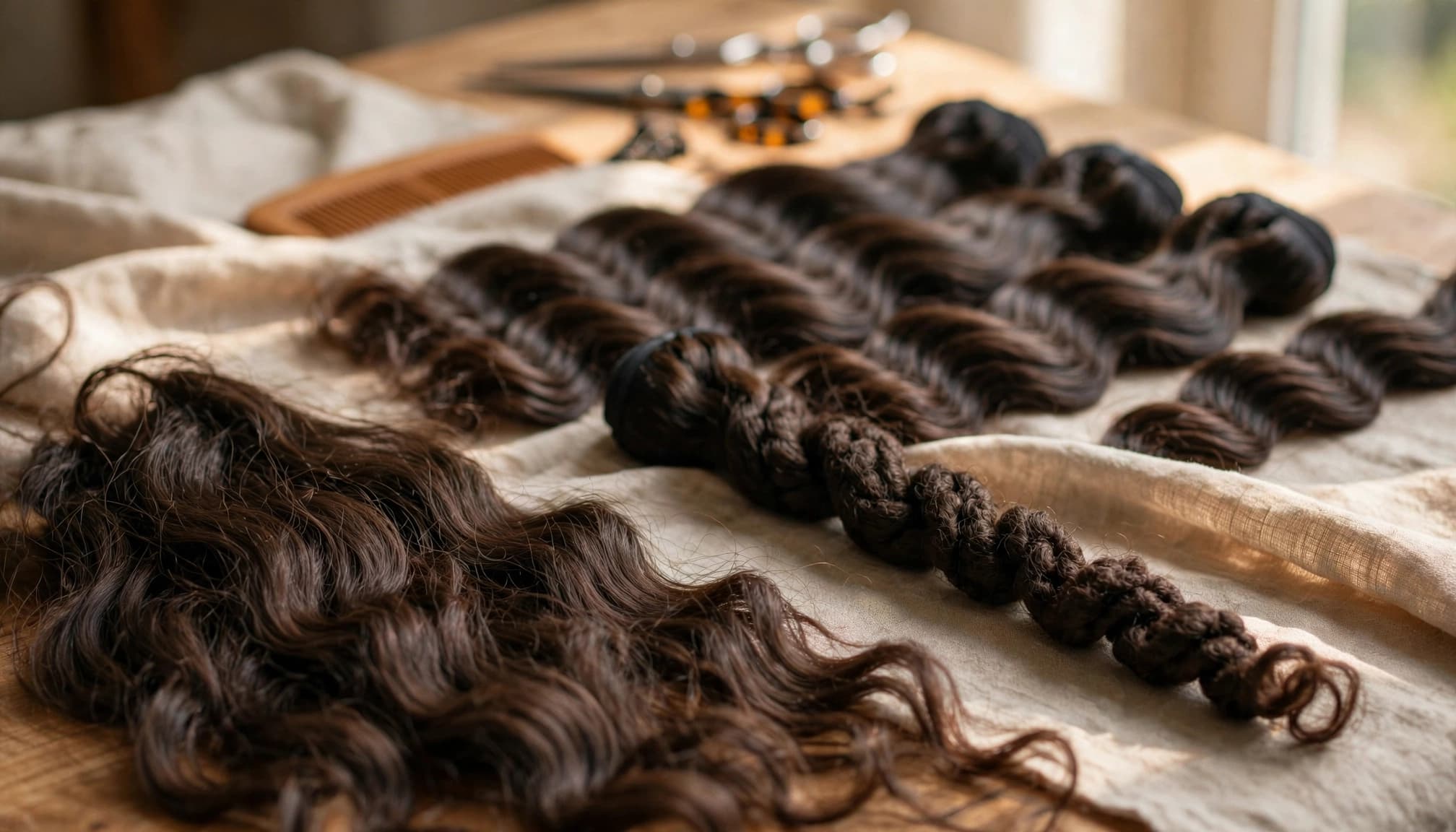
Water-wave versus spring-twist hair
Look for a medium-sized wave in water wave hair, rather than pin-straight or loosely rippled strands. The wavy hair should separate without dense knots and retain enough curl for passion twists with a soft boho finish.
Freetress Water Wave, from Shake-N-Go, is a common option. The wave pattern, fiber feel, and ease of separation matter more than the brand name.
Spring-twist hair has a tighter, bouncier coil and usually creates a more compact result. Water-wave hair suits an airy, slightly irregular finish.
Our pre-stretched synthetic braiding hair has a kinky-straight texture. It suits other braid finishes, not the same look as water-wave hair.
Synthetic versus human hair
Synthetic hair sold for curly hair styles usually costs less than human hair and comes with a preset wave. It's a practical choice when you want defined curly hair without styling the extensions first.
Human hair offers more styling options, but it isn't automatically better for this installation. Loose strands of human hair can slip or tangle, and results depend on processing and texture.
Also, "crochet" describes an installation method, not a fiber. Synthetic, human hair, and crochet-ready curly hair can all knot. Compare the material, wave pattern, and loose versus pre-twisted format before purchasing.
Match Length, Fullness, Color, and Weight
Choose the finished look, not just the package length
Freetress Water Wave commonly appears in 20- or 22-inch options. Some wearers choose 18-inch hair for a shorter finish.
However, package length isn't a promise of where your finished twists will fall. Folding the extension, twisting, and curl shrinkage all affect the result. Your height also changes whether the same length reaches your shoulders or chest.
Size names vary between stylists. Common sizing guides describe small twists as roughly 0.5 to 2 cm wide and jumbo twists as about 3 to 5 cm wide. These describe twist thickness, not scalp-section dimensions.
Smaller twists usually require more individual sections and installation time. Larger twists create a chunkier look, but each section carries more extension hair.
Balance color and fullness with comfortable weight
For passion twists, choose a root shade close to your natural hair. An ombre option adds lighter ends without creating a sharp color change at the scalp.
Compare color codes within the same product line, because shade names don't guarantee identical colors across brands.
Longer, fuller styles require more material. For fragile edges or fine hair, choose a shorter length and modest fullness rather than loading tiny sections with thick extensions. A clinical review of traction alopecia risk factors identifies pulling from extensions and tight hairstyles as a concern.
Buy the Right Format and Quantity
Loose hair versus pre-twisted crochet hair
For passion twists, loose water wave hair gives you control over twist thickness and part placement. Individual installations also make ponytails and updos more flexible.
Pre-twisted crochet hair can shorten installation time, especially over cornrows. However, cornrow-based twists don't move as independently, so the foundation can limit later styling.
These options suit different priorities:
| Hair format | Main advantage | Main trade-off |
|---|---|---|
| Loose water-wave hair | Flexible sizing and individual placement | More twisting time |
| Pre-twisted crochet hair over cornrows | Faster installation | Less freedom around the foundation |
Individual crochet installations also exist, so crochet doesn't always mean a cornrow base. Match the format to your stylist's preferred method before buying.
Estimate quantity using pack contents
For medium individual twists, six to eight standard single packs of loose water-wave hair is a rough starting estimate. Long, small, or very full styles may require more.
Pack counts alone can mislead. A multipack may contain several small bundles, while another product lists one larger bundle. Compare net weight, bundle count, and length rather than assuming every "pack" holds the same amount.
For pre-twisted crochet hair, count the included twists against your planned installation. Your stylist's usual section count and preferred hair format should guide the order.
Passion-twist installation commonly costs $150 to $250, depending on region and the style's complexity. Extensions may cost extra. Smaller sections, added length, and individual placement can increase the total.
Prepare the Base and Follow the Curl
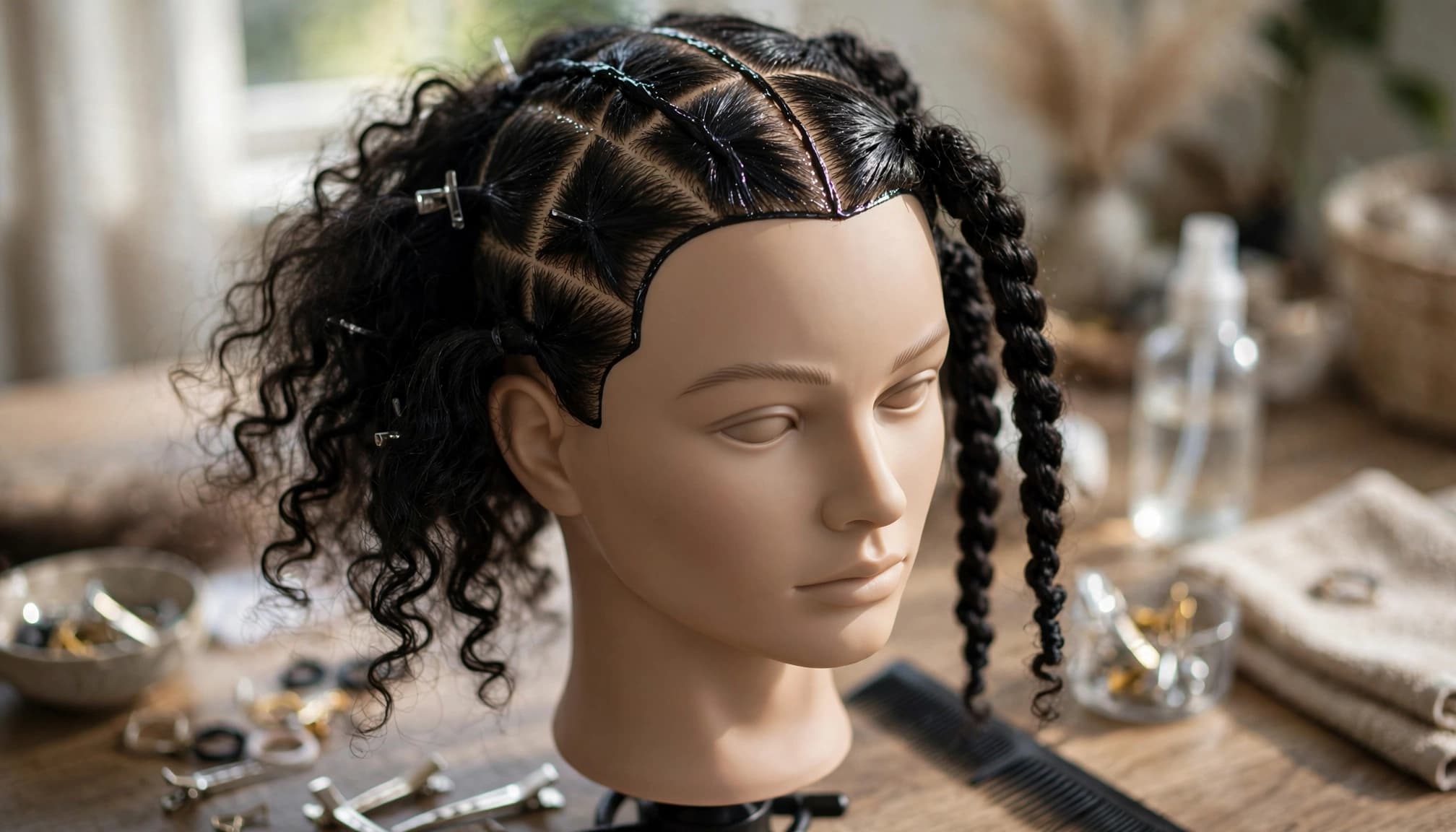
Before you install, start with clean, conditioned, fully dry natural hair. Gentle detangling matters because the installation shouldn't hide knots that become harder to remove later.
For scheduling, allow roughly three to six hours for individual twists. A cornrow-based crochet installation may take around one to three hours. Length, section size, preparation, and experience can extend either estimate.
A simple installation follows this order:
- Part your hair into manageable sections. Apply a small amount of braiding gel along each part, then retrace it with a comb for cleaner lines.
- Separate the extension hair gently along its existing waves. Prepare consistent portions so the finished twists have similar thickness.
- Secure each individual twist with a short braided base or the chosen attachment method. Keep the root snug without pulling the scalp.
- Twist in the direction the curl naturally follows. Adjust the two sections as needed to keep thickness even without tightening the root.
Twisting against the curl can stretch out the wave and create an uneven, stiff-looking finish. Test one twist first, then continue once the curl forms naturally.
Painful roots aren't a sign of a secure installation. Loosen the attachment before continuing.
Shop Los más vendidos
-
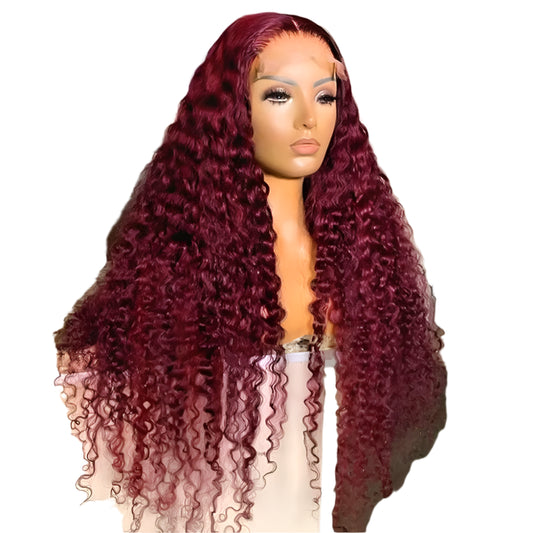
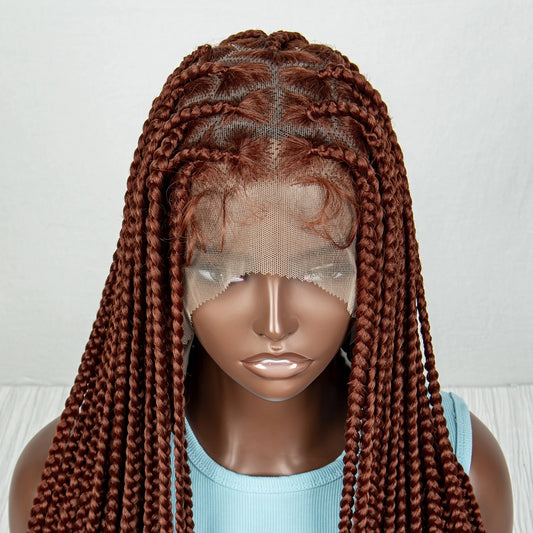
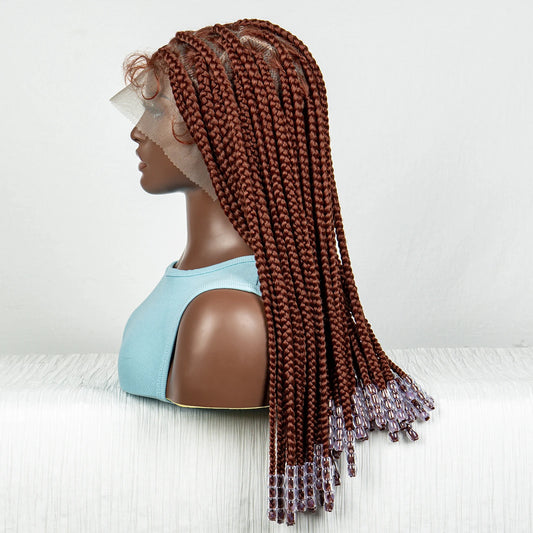
Peluca corta de locs falsos de diosa | Peluca de rastas con reflejos marrones | Peluca de crochet trenzada afro | Cabello sintético
Precio habitual A partir de $158.00 USDPrecio habitual$190.00 USDPrecio de oferta A partir de $158.00 USDOferta -
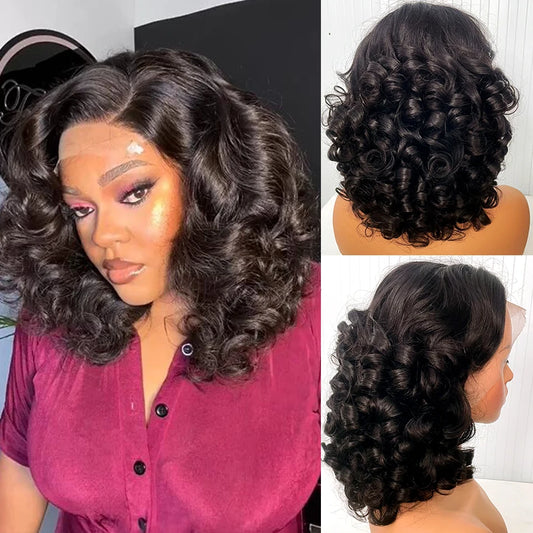
Peluca frontal de encaje HD de 13x6, rizada, de 30", color borgoña y chocolate, | Peluca de cabello humano de color 99J para mujeres | Onda profunda
Precio habitual A partir de $257.00 USDPrecio habitual$0.00 USDPrecio de oferta A partir de $257.00 USD -
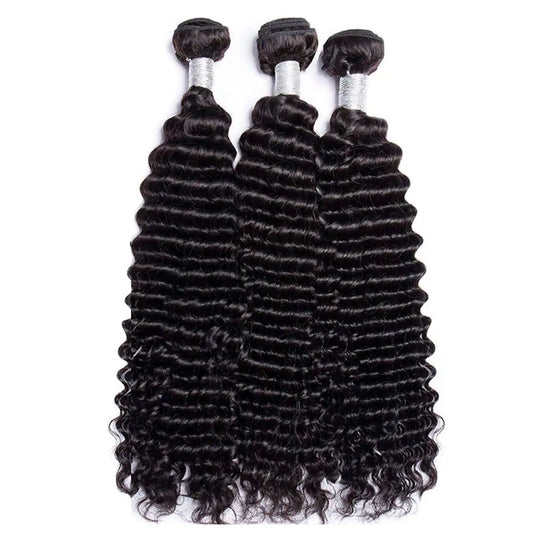
Paquetes de Cabello Humano Malayo Ondulado Profundo 12A | Extensiones de Tejido "Rizo Profundo" Sofisticadas | Opciones Elegantes de Paquetes Individuales/Múltiples de 30-32 Pulgadas | Trama de Cabello Remy "Digna" para un Estilo Radiante y Versátil
Precio habitual $364.00 USDPrecio habitual$0.00 USDPrecio de oferta $364.00 USD -
#350 Knotless Box Braids Wig | Short Lace Frontal Bob | Dark Ombre Ginger
Precio habitual $262.50 USDPrecio habitual$0.00 USDPrecio de oferta $262.50 USD -
Peluca corta de rastas falsas afro | Trenzas sintéticas resistentes al calor | Peluca unisex para mujeres y hombres negros
Precio habitual $90.00 USDPrecio habitual$120.00 USDPrecio de oferta $90.00 USDOferta -
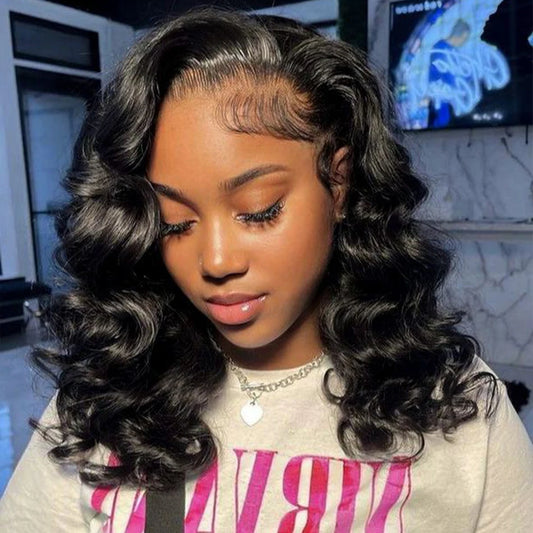
Peluca frontal de encaje HD 13x4 con cabello virgen vietnamita de donante 12A | Densidad del 250% | Doble capa | Ondas voluminosas | Sin pegamento
Precio habitual A partir de $242.00 USDPrecio habitual$0.00 USDPrecio de oferta A partir de $242.00 USD -
Zapatos Derby Wingtip para hombre de Italia | Oxfords clásicos modernos de bloques de color (aumento de altura, piel auténtica)
Precio habitual $263.00 USDPrecio habitual$301.00 USDPrecio de oferta $263.00 USDOferta -
Brazilian Human Hair 13x4 Lace Front Wig | Glueless, Pre-Plucked with Baby Hair
Precio habitual A partir de $99.00 USDPrecio habitual$132.00 USDPrecio de oferta A partir de $99.00 USDOferta
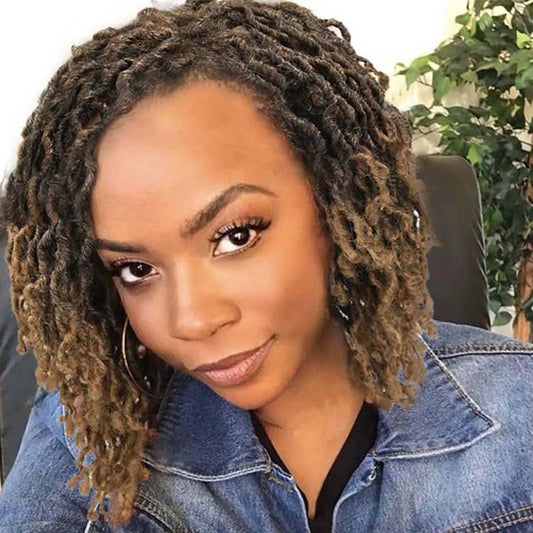
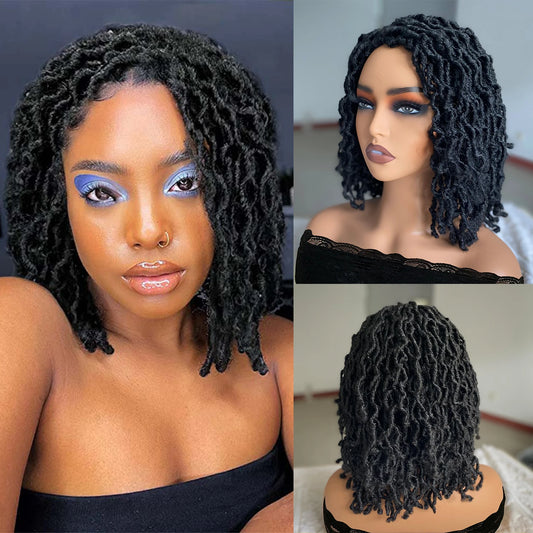





Wash and Maintain Without Adding Buildup
Clean the scalp and dry the foundation
Passion twists can get wet. A reasonable washing interval is about every seven to ten days, adjusted for sweat, scalp needs, and product buildup.
Use lukewarm water and gentle shampoo. Focus on the scalp, let the rinse run through the twists, and avoid vigorous rubbing. Then squeeze out water and dry the braided foundation thoroughly.
Synthetic hair doesn't automatically fail when wet, but fibers differ in how they handle friction, heat, and repeated washing. Human hair also needs careful drying and detangling.
For swimming, keep exposure limited, rinse afterward, and dry the roots fully. Water adds temporary weight, so avoid piling saturated twists into a tight bun.
Use light products and protect twists overnight
Apply setting mousse after installation, then use a small amount every few days to settle flyaways. Adding more product won't fix loose roots or tangled extensions.
Choose products intended for the installed fiber, and keep heavy oils away from areas that collect buildup. Ordinary synthetic hair can also deform under excessive heat, so don't use hot tools unless its instructions permit them.
At night, wear a satin-lined cap or bonnet, or sleep on a satin pillowcase. Gather long twists loosely to reduce friction without pulling your edges.
Gentle care keeps the style manageable, but persistent itching, soreness, or matting calls for attention rather than another layer of mousse.
Key Takeaways Before You Buy
- Choose medium-wave hair for a loose passion-twist finish; tighter spring-twist hair creates a different texture.
- Match the material, length, color, and pack contents to your installation method and stylist's preferences.
- Keep extension weight comfortable, follow the curl direction, and leave enough time for washing and thorough drying.
Frequently Asked Questions
Which brand is best for passion twist hair?
Freetress Water Wave is a familiar starting option, but no brand is best for every wearer. Choose a medium wave that separates easily, matches your desired finish, and suits the installation method.
Product photographs showing loose hair are useful because finished-style photos can hide differences in the original texture. Also compare fiber type, net weight, and bundle count rather than choosing on brand recognition alone.
How long can passion twists stay in?
Passion twists can last up to two months with proper care, but that isn't a guaranteed safe wear time. Root matting, heavy buildup, slipping attachments, or tenderness are reasons to remove them sooner.
Dermatologist Dina Strachan explains that tight protective styles can cause hair loss. If you notice thinning, bumps, or persistent pain, take the style down and seek medical advice.
During removal, detangle each section gently before washing. Rushing through accumulated shed hair can cause avoidable breakage.
Choose for the Finish You Can Maintain
The right extensions give you the wave pattern you want without excessive weight or difficult upkeep. Start with texture, then match length and quantity to your installation.
Prioritize comfortable roots throughout the style's wear. A slightly lighter, shorter installation is a better choice than fullness your natural hair can't comfortably support.