
U-Part vs V-Part Wigs: How Coverage Changes
Choosing between a U-part and a V-part wig often comes down to how much of your own hair you want visible. To compare U-part and V-part wigs, focus on the opening, how much of your hair you’ll need to leave out to blend it, and the styles you plan to wear.
Both designs require some natural hair to be left out and showing through the top of the wig. The difference is usually how wide that opening is, though cap designs vary by brand. Knowing how much coverage you want and what you're comfortable leaving out can make the choice much clearer.
How the openings differ
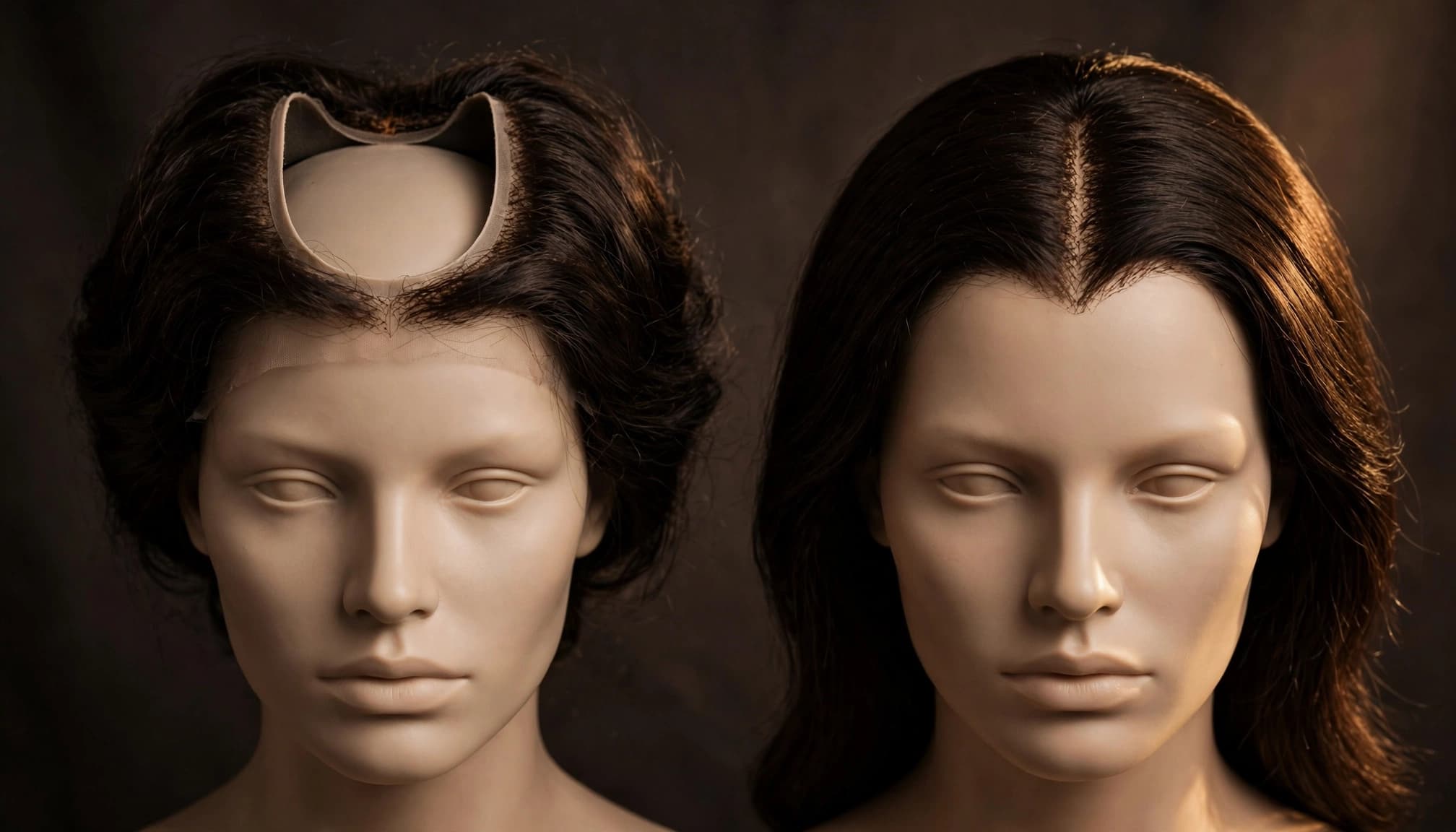
U-part and V-part wigs have an opening in the cap where your natural hair comes through. You blend that hair with the wig to create a part or a more continuous-looking style.
A wider opening is typical of a U-part
A U-part wig usually has a rounded, U-shaped opening at the crown. Its wider shape can expose more of your natural hair than a V-part, giving you more hair to blend across the top. That may suit you if you want a broad part or prefer to use more of your own hair to connect the wig to your scalp.
The opening's width and position differ between units. Check the product photos and cap details rather than assuming every U-part reveals the same area.
A narrower opening is typical of a V-part
A V-part wig usually has a narrow, tapered opening that forms a V at the top. It often calls for less leave-out than a U-part, which can appeal if you want to expose a smaller section of your hair.
That distinction is a general pattern, not a standard measurement. Wigihair also describes U-parts as allowing more natural-hair blending and V-parts as requiring less leave-out. The U-part and V-part overview offers another look at the basic difference.
What coverage looks like once worn
The cap opening gives you a starting point, but it doesn't tell the whole story. The final amount of visible natural hair depends on the unit's construction, where you position it, and how you arrange your own hair.
Coverage depends on cap construction
One U-part may leave a broad strip of hair exposed, while another may have a smaller opening. The same variation applies to V-parts. Some caps also include adjustable parts or clips that affect how the wig sits, so review the manufacturer's photos and instructions before buying.
Look for a clear view of the underside and the opening. If a listing doesn't show the cap, ask the retailer for a photo or a description of the leave-out area. This is more useful than relying on the style name alone.
Placement changes the visible area
A wig that sits farther back may expose more hair near the front. Positioning it closer to your hairline may make the opening feel different, but it must still sit securely and comfortably. Follow the product instructions, and don't force the cap into a position that pulls at your hair.
Keep your part in mind, too. A center part may use the opening differently from a side part, depending on its shape. Before purchasing, compare the cap opening with the part you want to wear most often.
Blending your leave-out
The exposed section needs to work with your own hair's texture, color, and condition. A smaller opening can reduce the amount you need to blend, but it doesn't remove the blending step.
Match the leave-out to your hair
Choose a texture that can blend with your natural hair without repeated heat styling. For example, a curly or coily wig may make blending simpler if your leave-out has a similar curl pattern. Straight textures can require more smoothing, particularly when your hair naturally has a different pattern.
Color matters as well. A close match between your leave-out and the wig helps the join look less noticeable. If you color your natural hair, consider whether the shade requires upkeep before choosing a unit.
Keep the leave-out manageable
You may need to section, flatten, or style your leave-out so it lies naturally beside the wig hair. How much work that takes depends on your own hair and the wig's texture. A U-part's larger opening can offer more hair to blend, while a V-part may expose less hair but leave you with a smaller area to shape around the part.

Styling flexibility and everyday wear
Think about your usual part and how often you change your style. Both types can create a natural-looking part when the hair and opening line up, but neither guarantees unlimited parting options.
The wig's opening can restrict where you part the hair. If you often switch between a center and deep side part, check whether the cap supports both. Also consider ponytails and updos: depending on the cap and hairline coverage, these styles may reveal the wig's edges or construction.
For daily wear, consider how easily you can install and remove the wig. Clips may help hold a unit in place, but their number and placement vary. Follow the maker's directions, and choose a fit that doesn't feel tight. A wig that is easy to wear for your routine is more practical than one that only works for a style you rarely use.
Choose by your coverage preference
Your comfort with leave-out is the simplest way to narrow the options. A wider opening may work if you're happy to blend a larger section. A narrower opening may suit you if your priority is showing less of your natural hair.
Consider the hair you're willing to expose
If you want more of your own hair to frame the part, start by looking at U-part designs. Check the opening dimensions and placement on the specific product, then decide whether that amount of exposure feels manageable.
If you'd rather leave out a smaller section, a V-part may be a better place to start. YWigs notes that V-parts are often slightly more affordable, partly because they can use a smaller opening, but prices vary by brand, hair type, and construction. Its leave-out and affordability comparison is a useful reference, not a guarantee about a specific product's cost.
Balance blending time with the finish you want
A smaller leave-out area doesn't always mean less styling. You may need to carefully blend a narrow section so it disappears into the wig. A wider area can take longer to prepare, yet give you more flexibility to connect your hair with the wig's texture.
Consider your routine honestly. If you prefer minimal heat and quick styling, choose a texture close to your own and an opening that doesn't require a lot of manipulation. If you enjoy styling, a larger leave-out area may offer more room to shape the blend.
Shop Pelucas negras
-
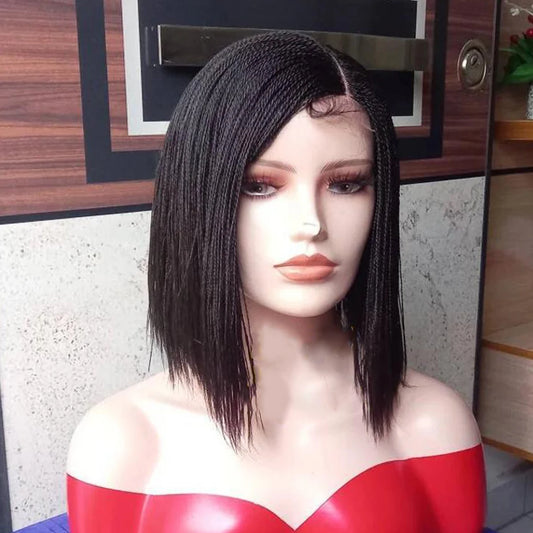
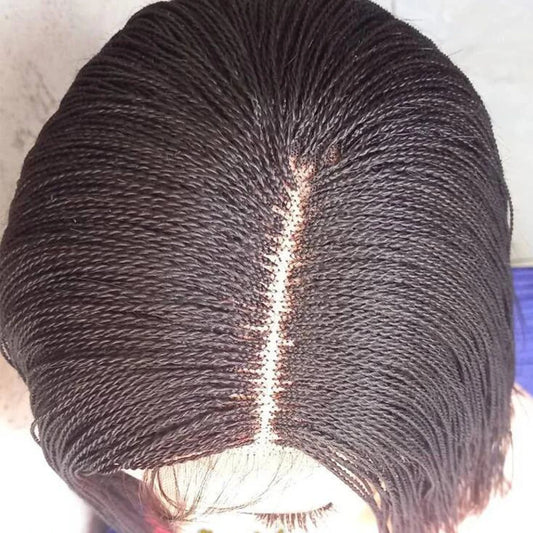
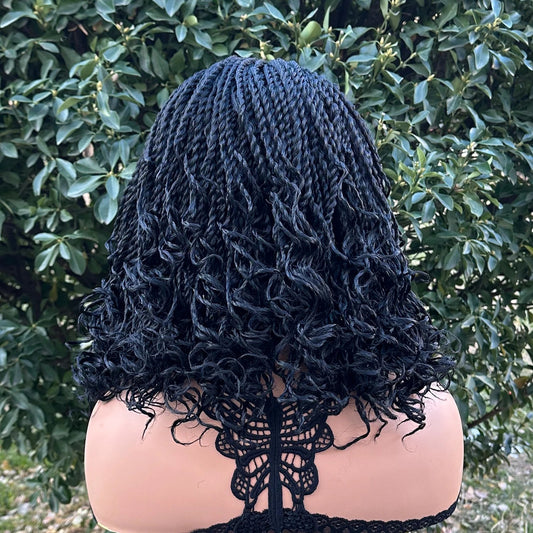
10 Inch Short Micro Twisted Wig - 2x4 Closure Braided Wig for Black Women - Micro Million Braid Wig - Synthetic Knotless Braids
Precio habitual $288.00 USDPrecio habitual$0.00 USDPrecio de oferta $288.00 USD -
Peluca trenzada de 10" con moños | Trenzas africanas | Encaje completo | Cola de caballo | Peluca sintética para mujeres negras
Precio habitual $200.00 USDPrecio habitual$229.00 USDPrecio de oferta $200.00 USDOferta -
12" Twist Braided Headband Wig | Short Crochet Box Braids | Synthetic Wig for Black Women
Precio habitual $136.00 USDPrecio habitual$163.00 USDPrecio de oferta $136.00 USDOferta -
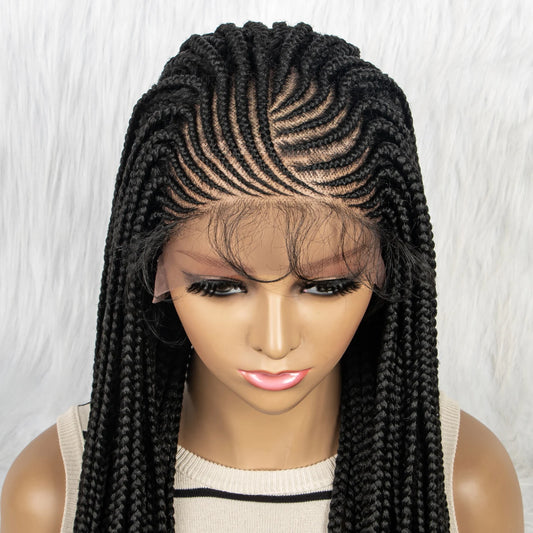
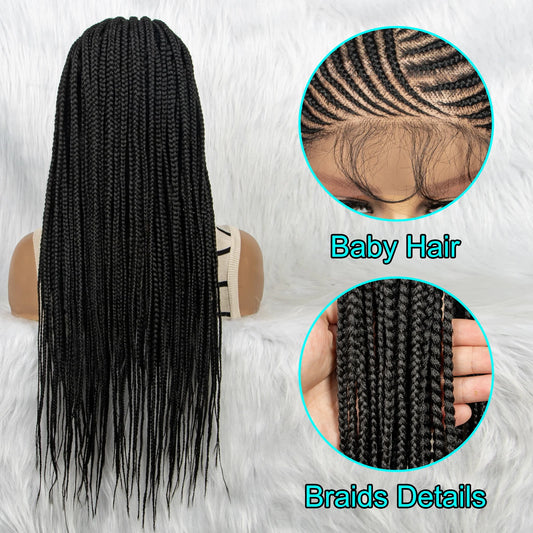
Peluca trenzada con encaje frontal de alta definición 13x4 con cabello de bebé | Pelucas trenzadas sintéticas para mujeres afroamericanas
Precio habitual $287.00 USDPrecio habitual$329.00 USDPrecio de oferta $287.00 USDOferta -
Peluca trenzada frontal de encaje 13x4 | Puntas rizadas kinky | Peluca sintética africana con pelo de bebé para mujeres negras
Precio habitual $144.00 USDPrecio habitual$165.00 USDPrecio de oferta $144.00 USDOferta -
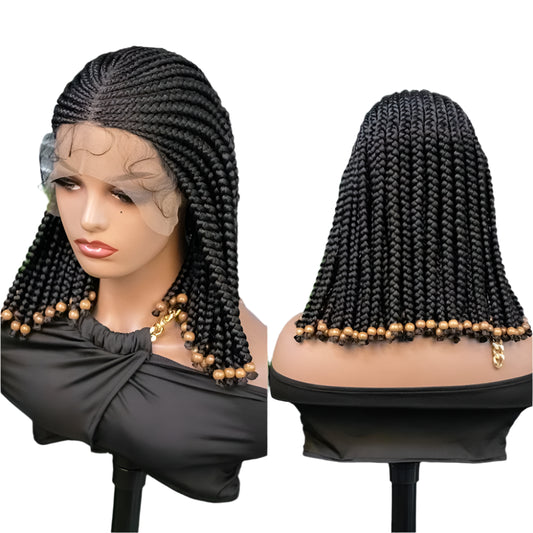
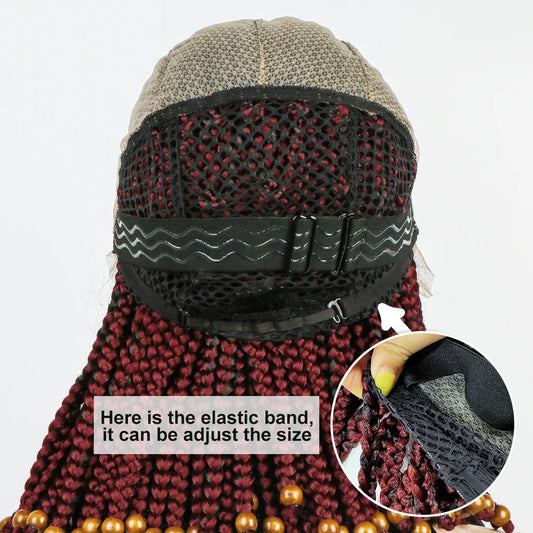
Peluca Bob Trenzado Corto de 14" | Encaje Frontal | Resistente al Calor | Para Mujeres Negras
Precio habitual $265.00 USDPrecio habitual$303.00 USDPrecio de oferta $265.00 USDOferta -
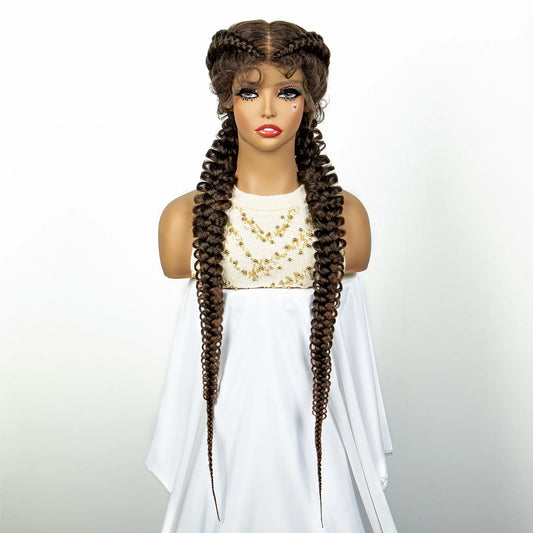
Peluca trenzada holandesa en caja, 1B/30, marrón oscuro | Encaje frontal sintético | Trenzas cola de pescado | Con cabello de bebé | Para mujeres negras
Precio habitual A partir de $149.25 USDPrecio habitual$199.00 USDPrecio de oferta A partir de $149.25 USDOferta -
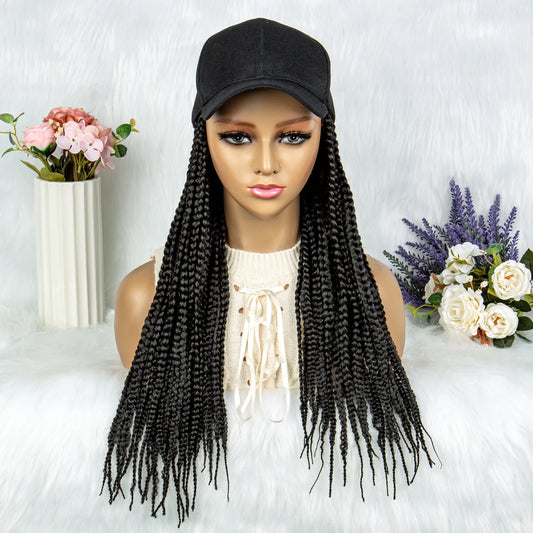
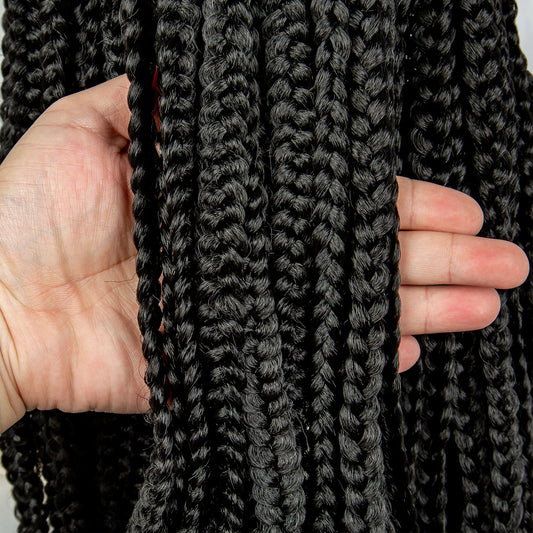
Peluca gorra de béisbol con trenzas de 20" | Mujeres afroamericanas | Peluca de sombrero ajustable
Precio habitual $102.00 USDPrecio habitual$123.00 USDPrecio de oferta $102.00 USDOferta




Comfort and scalp considerations
Neither style should feel painful or pull on your hair. A snug fit can help a wig stay in place, but tight clips, tight braids underneath, or repeated tension around the same area can cause problems.
The American Academy of Dermatology warns that hairstyles that pull can lead to traction alopecia. Its guidance on hairstyles that can cause hair loss includes tightly braided hair, buns, and ponytails. Choose a comfortable foundation, loosen anything that pulls, and take the wig off if you feel soreness or persistent tension.
Both styles require some natural hair to be left out, so they may not fit your preference if you want every strand fully covered. For scalp comfort, avoid tight styling underneath and give your hair breaks as needed. A 2021 review by TT Mayo also discusses loose styles and wigs with satin caps in its review of traction alopecia prevention. If you notice ongoing thinning or irritation, speak with a dermatologist.
Other wig constructions to consider
If you'd rather not leave your own hair exposed, look at other cap designs. Lace closures and lace-front wigs offer a different way to create a part or hairline, though they have their own fitting and styling considerations.
Luxegan's ready-to-wear straight glueless wig has a 6x4 lace closure, while its 13x6 body wave HD lace frontal wig offers a larger lace area for parting. These are examples of different constructions, not direct substitutes for every U-part or V-part.
A beginner's comparison of half wigs, closure wigs, and U-parts can help you weigh leave-out against other cap styles.
Key Takeaways
- U-part wigs generally expose a wider section of natural hair than V-part wigs, but designs vary by brand.
- Both styles need some leave-out for blending, so check the opening before you buy.
- Choose based on the amount of hair you're comfortable exposing, the time you want to spend blending, and how you like to style your hair.
- A comfortable fit matters more than a tight hold. Stop wearing a unit that causes pain or persistent pulling.
Frequently asked questions
Do V-part wigs require less leave-out than U-part wigs?
Often, yes. V-part openings are typically narrower, so they may expose less natural hair. However, cap design varies, and some units may not follow the usual pattern. Check the product's opening and instructions before choosing.
Can I wear a U-part or V-part wig without leaving hair out?
These styles are designed to let natural hair come through the opening and blend with the wig. If you don't want to expose any hair, consider a different construction, such as a closure or lace-front wig.
Which one is easier for beginners?
It depends on your hair texture and styling routine. A V-part may require less leave-out, while a U-part can offer a larger area to blend. Choose a texture close to your own and review installation instructions before buying.
Choose the coverage you'll enjoy wearing
The main difference is how much natural hair the opening may expose. A U-part often leaves a wider section available for blending, while a V-part often uses a narrower section.
Since cap designs vary, inspect the specific wig rather than choosing by name alone. The right option is the one that gives you the coverage you want without demanding more blending or tension than you're comfortable with.