

Water Wave Bob Wigs for Easy Summer Styling
Summer hair should look polished without demanding a long morning routine. Water wave bob wigs bring soft movement, a tidy shape, and enough versatility for errands, office days, dinners, and weekend plans.
The best choice depends on more than the wave pattern. Hair fiber, lace construction, density, length, and your local humidity all affect how easy the wig is to wear and maintain. Start with the right design, then use a light routine that protects the texture.
Why Water Wave Bob Wigs Work for Summer Styling
A bob has a built-in shape, so you don't need to manage long lengths or spend time creating an elaborate style. The water wave texture adds volume and movement while keeping the overall look neat. A shorter cut can also make refreshing the hair simpler because you can mist, detangle, and reshape smaller sections.

The texture works with several parting choices. A side part gives the bob a more dramatic shape, while a middle part creates a balanced, modern finish. You can also tuck one side behind your ear when you want the waves away from your face.
Still, a water wave bob isn't automatically humidity-proof or maintenance-free. High moisture may soften the definition, increase frizz, or change the way the hair falls. Your results will depend on the fiber, products, cap construction, and weather.
Choosing the Right Water Wave Bob Wig
Before buying, decide how much styling flexibility you want and how often you'll wear the wig. Product descriptions can vary, so read the specifications instead of relying on the name alone.
Compare the cap and lace construction
A lace frontal usually provides more parting space than a lace closure. For example, Luxegan's 13x4 glueless water wave bob wig lists transparent Swiss lace, pre-plucked edges, an average cap size, and a glueless design.
A closure covers a smaller section at the top and can simplify daily styling. The listed water wave short bob lace wig includes both 13x4 frontal and 4x4 closure options, with 150% and 180% density choices.
Glueless construction can make removal easier, but fit still matters. Check the cap measurements, adjustable straps, combs, and any adhesive instructions before choosing a unit.
Match length, density, and details to your routine
Shorter bobs can feel easier to shape, but they may offer less room for ponytails or updos. A 10-inch option gives a classic bob profile, while lengths between 12 and 16 inches create more movement around the shoulders.
Density changes the final appearance. Lower density often looks lighter, while a fuller unit creates more volume. Luxegan's 200% density short bob wig is listed with 4x6 lace closure construction and lengths from 4 to 16 inches.
Bangs can reduce daily parting decisions, although they may need light shaping around the forehead. Color also affects upkeep. A darker shade usually gives you more flexibility if you want to customize human hair later.
Human Hair or Synthetic Fiber?
The fiber determines how much control you have over styling and what kind of care the wig needs. Neither option suits every wearer, so compare the routine with your actual schedule.
Human hair offers more styling control
Human-hair water wave bob wigs can usually be washed, conditioned, and restyled with suitable products. You may be able to refresh the waves, create a smoother finish, or adjust the part. However, repeated heat and chemical processing can damage the hair, so versatility doesn't mean unlimited styling.
Luxegan's product listings include Brazilian Remy and Peruvian human-hair options. The short blonde water wave bob wig is listed as a 10-inch glueless style with four color options. Its listing contains both "100% Brazilian Remy human hair" and "at least 98% human hair content," so review the current product details before ordering.
Synthetic wigs need fiber-safe care
Standard synthetic fibers generally keep their manufactured shape, but they aren't automatically safe for flat irons, curling irons, or hot blow-dryers. Chiquel's synthetic wig care guidance recommends avoiding regular shampoo, washing after approximately six to eight wears, and keeping the wig on a stand.
Check the label before applying any heat. A product described as heat-friendly still has a specific temperature limit, while standard synthetic hair should stay away from heated tools. If you want to change the pattern often, human hair may give you more control.
A Simple Summer Styling Routine
A short routine helps you preserve the original wave pattern while keeping the bob presentable through warm days. Work with small sections and use less product than you think you need.
Start with a clean, secure base
Place the wig on a clean, dry head or wig stand. If you wear a wig cap, smooth your natural hair underneath so the cap doesn't create bumps at the sides or nape.
Adjust the straps before styling. The wig should feel secure without creating painful pressure. If the lace needs adhesive, use a product designed for wigs and follow its removal directions. Keep sweat and skincare products away from the lace as much as possible because buildup can affect the fit and appearance.
Choose your part while the hair is dry. Then use your fingers to separate the waves instead of brushing through the entire bob.
Refresh the waves without overloading them
Lightly mist the hair with water or a wig-safe refresher. Scrunch the ends upward with an open palm, then allow the wig to air-dry on a stand. Avoid rubbing the hair with a towel, which can disturb the wave pattern and create frizz.
For a smoother finish, apply a small amount of lightweight product to the ends. Human hair can often take a curl cream or leave-in conditioner, while synthetic hair requires products made for synthetic fibers. When in doubt, test a small hidden section first.
A side part, tucked side, or slim headband can change the look without adding heat. These details also help on days when humidity has softened the waves.
Caring for Waves in Humidity and Heat
Warm weather exposes a wig to sweat, moisture, sunscreen, and more frequent handling. Adjust your care routine based on the fiber and how often you wear the unit.
Detangle from the ends upward
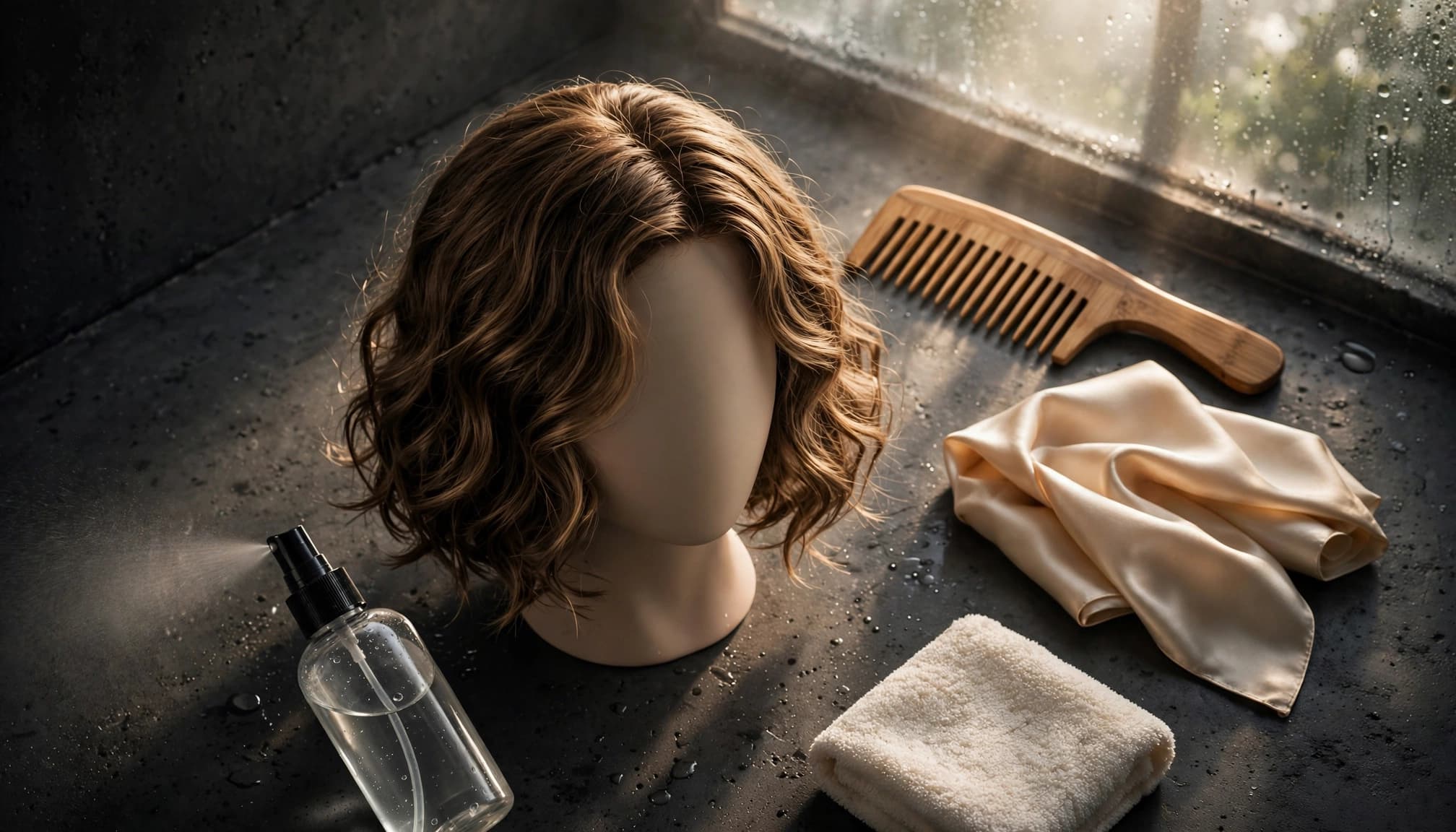
Use your fingers or a wide-tooth comb on wavy hair. Start at the ends and work upward in short sections. Hold the hair near the root while detangling so you don't pull against the lace or cap.
Don't brush a dry water wave bob aggressively. That can separate the texture and leave the ends looking puffy. If the wave pattern becomes tangled after a humid day, add a small amount of appropriate conditioner or wig refresher before working through it.
After washing, press out excess water with a towel. Let the wig dry fully before wearing or storing it, especially if the cap has been exposed to sweat.
Use heat carefully
Human hair can tolerate styling tools better than standard synthetic fiber, but repeated high heat can still weaken the strands. The American Academy of Dermatology recommends reducing blow-drying and using flat irons on dry hair at a low or medium setting. Its hair-styling guidance also supports limiting repeated heat exposure.
If the manufacturer's instructions allow heat, use a light protectant and let it dry before using a tool. Jon Renau's heat-protectant instructions advise misting dry hair lightly and allowing the product to dry completely first.
Humidity can make the hair react differently from one day to the next. Avoid repeatedly restyling the same sections in an attempt to force perfect definition. A soft, refreshed wave often looks better than overworked hair.
Shop Peluca frontal de encaje Bob
-
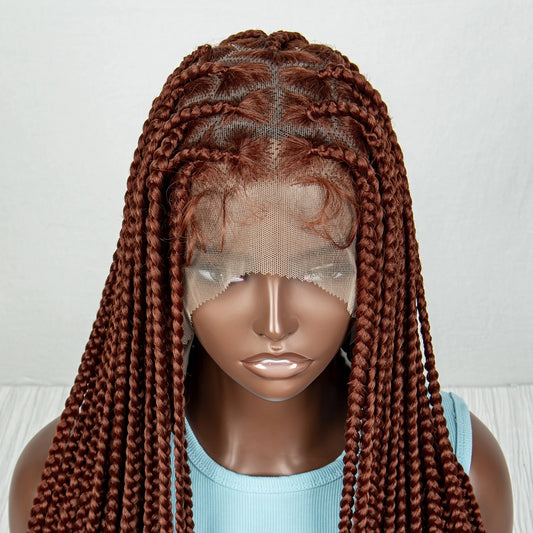
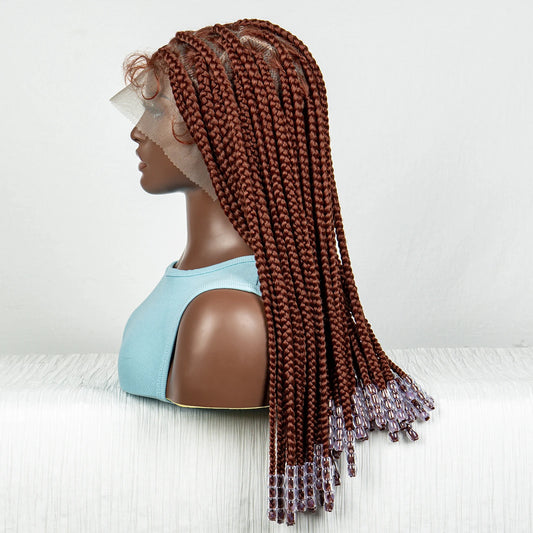
#350 Knotless Box Braids Wig | Short Lace Frontal Bob | Dark Ombre Ginger
Precio habitual $262.50 USDPrecio habitual$0.00 USDPrecio de oferta $262.50 USD -
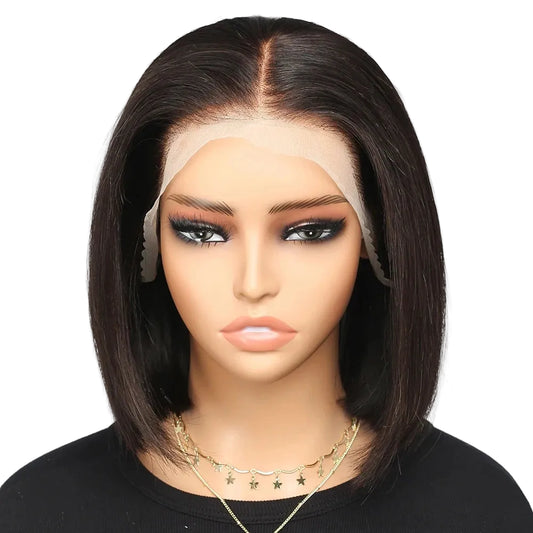
Ultra-Thick 200% Density Straight Short Bob Wig - 13x4 Transparent Lace Frontal Human Hair Wig - Pre-Plucked Free Part Glueless Brazilian Remy Hair Wig for Women (4-16 Inch)
Precio habitual A partir de $169.00 USDPrecio habitual$194.00 USDPrecio de oferta A partir de $169.00 USDOferta -
Vibrant Orange Pixie Cut Short Bob Wig - 13x4 Transparent Lace Frontal Human Hair Wig - French Curl Pre-Plucked Brazilian Remy Hair Wig for Women (6 Inch, Glueless)
Precio habitual A partir de $112.00 USDPrecio habitual$134.00 USDPrecio de oferta A partir de $112.00 USDOferta -
Straight Human Hair Short Bob Wig - 13x4 & 13x5x2 Transparent Lace Frontal Wig - Glueless Pre-Plucked Hairline with Baby Hair 100% Brazilian Remy Human Hair Wig for Women
Precio habitual A partir de $154.00 USDPrecio habitual$176.00 USDPrecio de oferta A partir de $154.00 USDOferta -
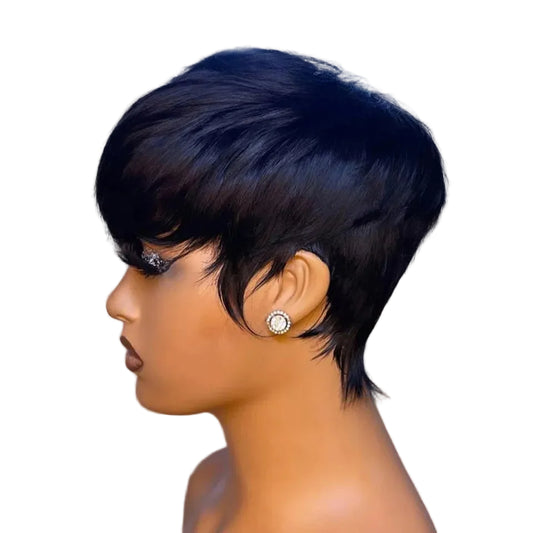
Short Straight Bob Pixie Cut Human Hair Wig with Bangs - 150% & 180% Density Glueless Non-Lace & 13x4 Transparent Lace Frontal Wig - 100% Brazilian Virgin Remy Hair Natural Black Fringe Wig for Women (Dyeable All Colors)
Precio habitual $112.00 USDPrecio habitual$134.00 USDPrecio de oferta $112.00 USDOferta -
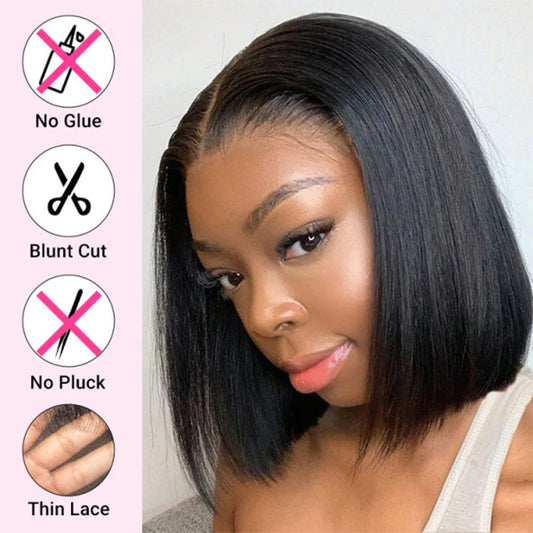
Wear And Go Glueless Bob Wigs 13x4 Bone Straight Lace Front Human Hair Wigs for Women Brazilian Transparent Lace Frontal Wigs
Precio habitual A partir de $132.00 USDPrecio habitual$158.00 USDPrecio de oferta A partir de $132.00 USDOferta -
Short Bob Wig Pixie Cut Wig Straight Human Hair Wig 13X4 Transparent Lace Frontal Wig For Women Highlight Straight Pixie Cut Wig
Precio habitual A partir de $109.00 USDPrecio habitual$131.00 USDPrecio de oferta A partir de $109.00 USDOferta -
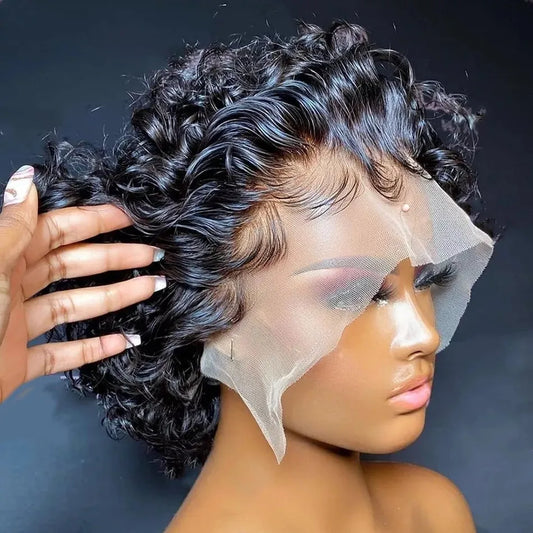
Short Pixie Cut Natural Wave Bob Wig | 13x4 HD Transparent Swiss Lace Frontal Wig | 180% Density 100% Brazilian Remy Human Hair Wig with Pre-Plucked Hairline (8-Inch)
Precio habitual A partir de $157.00 USDPrecio habitual$179.00 USDPrecio de oferta A partir de $157.00 USDOferta








Match the Wig to Your Summer Plans
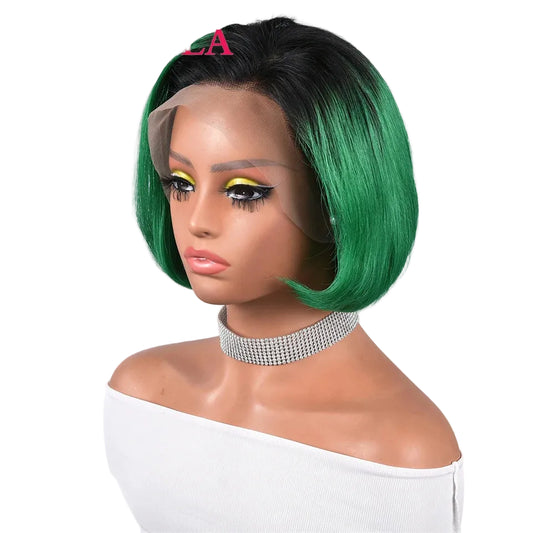
A water wave bob works best when its construction matches how you plan to wear it. For frequent removal, a glueless cap can be practical. For more styling options, a frontal may suit you better. If you prefer a fixed part and a quick setup, a closure can reduce daily decisions.
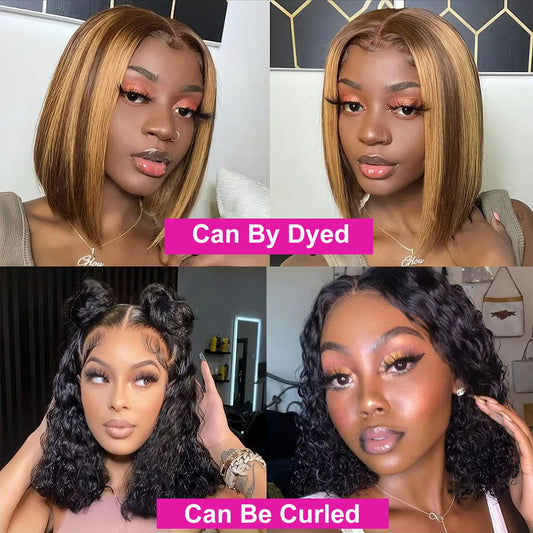
Consider your wardrobe, too. A natural black or brown wave can pair easily with bright summer clothing. Warm highlights or an ombre color can add interest without changing the cut. If you choose a colored unit, check whether the listing allows dyeing and whether customization is limited to darker shades.
Bangs create a defined face-framing effect, while a side part adds height at the crown. A 12-inch bob gives more swing than a very short cut, but it may require more detangling around the shoulders. The right length is the one you can maintain without changing your routine.
Water Wave Bob Wig Shopping Checklist
Review these details before placing an order:
- Confirm whether the wig is human hair, synthetic, or heat-friendly synthetic.
- Check the listed length, density, cap size, lace type, and closure or frontal dimensions.
- Look for adjustable straps if you want a glueless fit.
- Review the color options and whether the hair can be dyed.
- Check the care instructions before using shampoo, conditioner, or heat.
- Choose a part and bang style that fits your usual morning routine.
A wig with more features isn't automatically the easiest choice. A beginner may prefer a glueless closure bob with a defined shape, while someone who changes parts often may prefer a lace frontal.
Frequently Asked Questions
Can I wear a water wave bob wig in humid weather?
Yes, but humidity may alter the definition, volume, and frizz level. Use a wig-safe refresher, avoid heavy product buildup, and let the unit dry fully after washing. A wig cap and secure fit may also help you feel more confident, although they won't prevent every weather-related change.
Can I use a flat iron on a water wave bob?
Only use a flat iron when the wig's care instructions allow it. Standard synthetic fibers can melt or become permanently damaged from heat. Human hair still needs protection, dry styling, and a low or medium temperature whenever possible.
How often should I wash a bob wig?
The schedule depends on the fiber, wear frequency, sweat, and product buildup. Chiquel recommends washing standard synthetic wigs after about six to eight wears. Human-hair wigs may need a different schedule, so follow the product instructions and wash when the hair feels coated or loses freshness.
Are water wave bob wigs suitable for every face shape?
No single bob length or part flatters everyone in the same way. A side part can add asymmetry, bangs can frame the forehead, and a longer bob can create movement near the jaw or shoulders. Consider your preferred part, face-framing details, and comfort before choosing.
Conclusion
Water wave bob wigs offer a polished summer look without requiring a complicated styling routine. The most important choice is matching the fiber, cap construction, length, and density to how you actually wear and care for wigs.
Choose human hair when you want more styling control, or select synthetic hair when you prefer a set pattern and a simpler fiber-specific routine. With gentle detangling, careful drying, and limited heat, your bob can keep its shape while still looking relaxed and wearable through warm-weather days.