

How to Measure for the Right Wig Cap Size
A wig can look perfect in product photos and still feel wrong if the cap presses your temples, slips at the nape, or leaves your hairline exposed. The right wig cap size helps the style sit securely without creating uncomfortable pressure.
Finding your fit takes only a few minutes with a flexible measuring tape. You'll need to measure your head in the way you plan to wear your hair, then compare those numbers with the retailer's own chart.
Why Wig Cap Size Matters More Than a Label
Wig labels such as petite, average, and large aren't universal. One brand may call a 22-inch circumference average, while another may place the same measurement in a medium-large range. Cap construction also affects fit, especially when a wig has adjustable straps, stretch lace, combs, or a snug elastic band.
A cap that's too small may cause headaches, tenderness around the ears, or tension at the hairline. A cap that's too large can shift when you walk, create folds near the crown, or make lace and ear tabs difficult to position.
A wig cap size label is not a universal standard. The measurement chart for the exact wig you want is the guide that matters.
Your goal is a cap that stays in place while allowing comfortable movement. The correct measurement gives you a much better starting point than choosing by label alone.
How to Measure Your Head for the Right Wig Cap Size
Use a soft sewing tape measure. If you don't have one, wrap a piece of string around your head and measure the string against a ruler. Keep the tape flat and level, but don't pull it tight.

Take each measurement twice. Record your results in inches or centimeters, then use the same unit shown on the product page.
- Measure the circumference. Start at the center of your forehead hairline. Wrap the tape around your head, passing above your ears and across the widest part of the back of your head. Bring it back to the starting point without tightening it. This is usually the main measurement in a wig sizing chart.
- Measure from front to back. Place one end at the center of your front hairline. Run the tape over the crown to the center of your nape. Keep it close to your head rather than letting it arch above your hair.
- Measure ear to ear across the forehead. Start just above one ear at the hairline. Move the tape across your forehead and finish at the same point above the opposite ear.
- Measure ear to ear over the crown if the chart requests it. Begin above one ear, pass the tape over the highest point of your head, and end above the other ear. Some brands use this measurement to check how the cap covers the crown.
Some retailers also list temple-to-temple measurements around the back of the head. If the chart includes that measurement, follow its diagram closely because measuring points can differ between brands.
Measure the hair you'll wear under the wig
Measure over your natural hair after arranging it as flat as possible. Keep curls, coils, or loose hair from adding unnecessary bulk, but don't compress your head with a tight tape. The measurement should match the shape you'll create under the wig.
For braided hair, measure after styling the braids into the low, flat arrangement you'll use beneath the wig. Thick braids, extensions, and raised buns can increase the space you need inside the cap. A measurement taken over loose hair may lead to a smaller cap than your final style requires.
If you wear a wig cap underneath, put it on in the usual position before measuring. Include its thickness if it adds noticeable bulk. A thin nylon cap may make little difference, while layered or thicker caps can affect the fit.
Compare Every Measurement With the Retailer's Chart
Once you have your numbers, open the size guide for the specific wig. Don't rely on a chart from another brand, an older purchase, or a general internet guide. Wig cap size charts vary by brand, and even one retailer may use different cap measurements for different collections.
Look for the circumference range first. Then compare the front-to-back and ear-to-ear measurements if the listing provides them. If one measurement falls into a different category, read the product notes before ordering.
Cap features can help with small differences:
- Adjustable straps can tighten a slightly roomy cap.
- Stretch lace may accommodate minor variation in head shape.
- A glueless design often depends on elastic, straps, or a snug cap rather than adhesive.
- Built-in combs can improve stability, but they don't make an undersized cap comfortable.
If your measurements fall between two listed sizes, check whether the cap has stretch and adjustable straps. A rigid cap needs a more exact fit, while a flexible cap can handle a small difference. When the chart gives a direct recommendation, follow it rather than choosing based on the word average.
For example, if your circumference measures 22 inches, don't assume every 22-inch wig belongs to the same category. Confirm how that exact product classifies the measurement and whether its other dimensions match your head.
Shop Pelucas
-
Musicology, White Is Wight, Eau De Parfum, Unisex, 95 ml
Precio habitual $404.33 USDPrecio habitual -
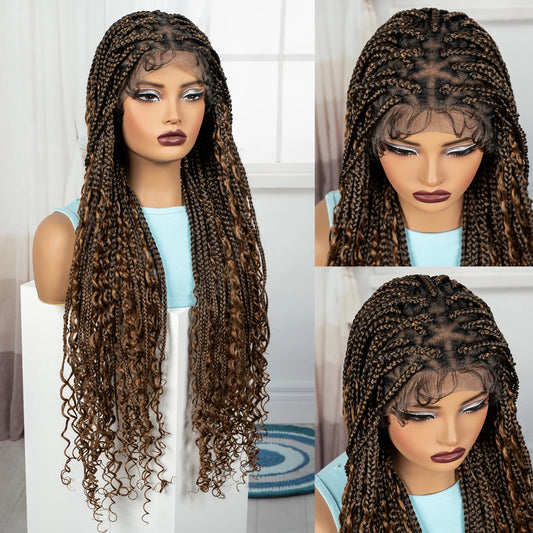
36 Inch Knotless Box Braided Wig with Curly Ends | Full Lace Boho Braided Wig | 5 Colors
Precio habitual $163.00 USDPrecio habitual$186.00 USDPrecio de oferta $163.00 USDOferta -
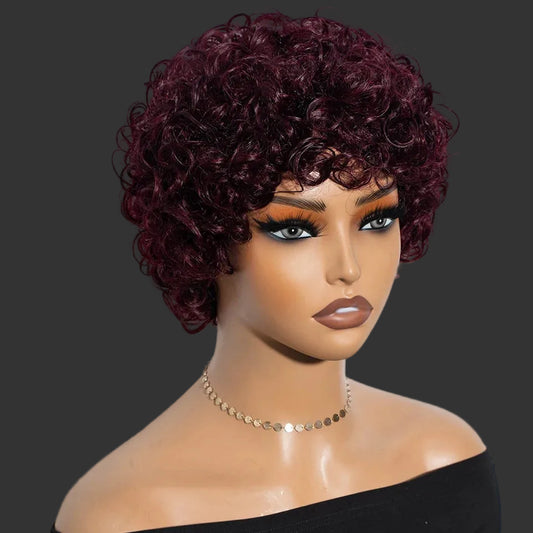
Jerry Curly Human Hair Wig – Short Pixie Afro Kinky Curly Wig with Bangs
Precio habitual $104.00 USDPrecio habitual$125.00 USDPrecio de oferta $104.00 USDOferta -
Wigundle Kanekalon Pre-Stretched Crochet Braiding Hair Extensions – Jumbo Braids for Women
Precio habitual A partir de $105.00 USDPrecio habitual$133.00 USDPrecio de oferta A partir de $105.00 USDOferta -
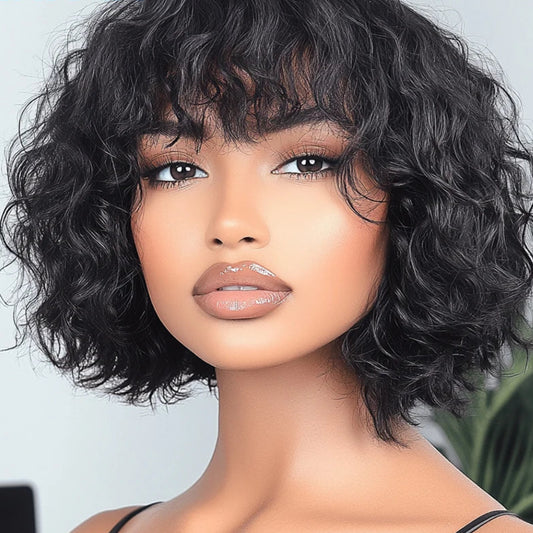
Short Water Wave Curly Bob Human Hair Wig 10in – Glueless Brazilian Remy Wig | Brown, Black, Red & Blonde
Precio habitual A partir de $114.00 USDPrecio habitual$136.00 USDPrecio de oferta A partir de $114.00 USDOferta -
Pixie Cut Wig for Black Women – Straight Remy Human Hair | Short 6in | Bangs | Machine Made
Precio habitual A partir de $103.00 USDPrecio habitual$123.00 USDPrecio de oferta A partir de $103.00 USDOferta -
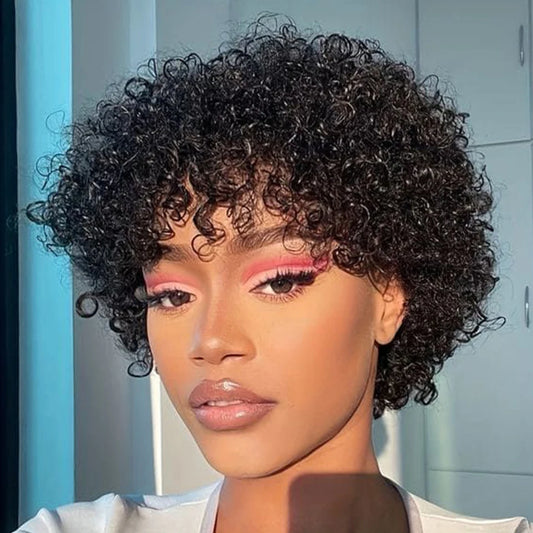
Short Pixie Afro Kinky Curly Wig for Black Women – Glueless Brazilian Remy Human Hair | Bob with Bangs
Precio habitual A partir de $95.00 USDPrecio habitual$126.00 USDPrecio de oferta A partir de $95.00 USDOferta -
Highlight P4/30/27 Brazilian Straight Human Hair Wig with Bangs – 100% Remy | Full Machine Made | 16–28 Inch
Precio habitual A partir de $162.00 USDPrecio habitual$185.00 USDPrecio de oferta A partir de $162.00 USDOferta











Check the Fit Before You Style the Wig
Try the wig on with the same hair preparation and wig cap you used for measuring. Position the front edge at your natural hairline, place the ear tabs evenly, and adjust the straps gradually.
A well-fitting cap should feel secure without sharp pressure. You should be able to move your head without the wig sliding, yet the cap shouldn't squeeze your temples or pull painfully at your ears. Watch for these signs:
- Pressure at the forehead or temples usually means the cap is too small or positioned too far forward.
- A loose nape or shifting crown can indicate a cap that's too large.
- Ear tabs that sit unevenly may point to incorrect positioning or mismatched cap dimensions.
- Folds at the crown can come from excess room, bulky hair underneath, or a cap that doesn't match your head shape.
Wear the wig for several minutes before cutting lace or changing the style. Adjust the straps first, then reassess the fit. If the cap still feels painful or unstable, sizing is likely the problem, not the styling.
Conclusion
Accurate measurements make choosing a wig far easier. Measure your circumference first, add the other dimensions requested by the listing, and repeat the process over the hair or wig cap you'll actually wear.
Most importantly, compare your numbers with the wig cap size chart for the exact brand and style. A comfortable fit comes from matching your measurements to that product's construction, not from trusting a universal label.