

How to Choose Wig Density for Natural-Looking Hair
Two wigs can have the same length and color yet look completely different because of their wig density. One may sit close to the head with a soft, realistic finish, while another feels heavy and overly full.
Choosing the right density depends on your natural hair texture, preferred hairstyle, scalp comfort, and the look you want at the hairline. The highest number isn't always the best choice. Start by understanding what density percentages mean, then match the wig to your everyday needs.
Understanding Wig Density Percentages
Wig density describes how much hair is attached to the cap. Sellers usually show it as a percentage, but these numbers aren't perfectly standardized across retailers. A 150% wig from one company may look slightly fuller or lighter than a 150% wig from another.
Use the following ranges as a general guide:
| Density range | General appearance | Best suited to |
|---|---|---|
| 100% to 120% | Light and close to the head | Very natural everyday styles |
| 130% to 150% | Medium fullness | Bobs, shoulder-length styles, and versatile wear |
| 180% to 200% | Full and noticeable | Long layers, curls, and glamorous styling |
| 220% and higher | Extra full and heavy | Dramatic volume or thick curls |
A 130% or 150% wig often gives the most balanced appearance for daily wear. It has enough hair for movement and styling without creating excessive weight around the crown.
Long wigs often need more density because the hair stretches downward. Without enough volume, a long style can look thin at the ends. However, adding density also adds weight, especially when the wig uses human hair.
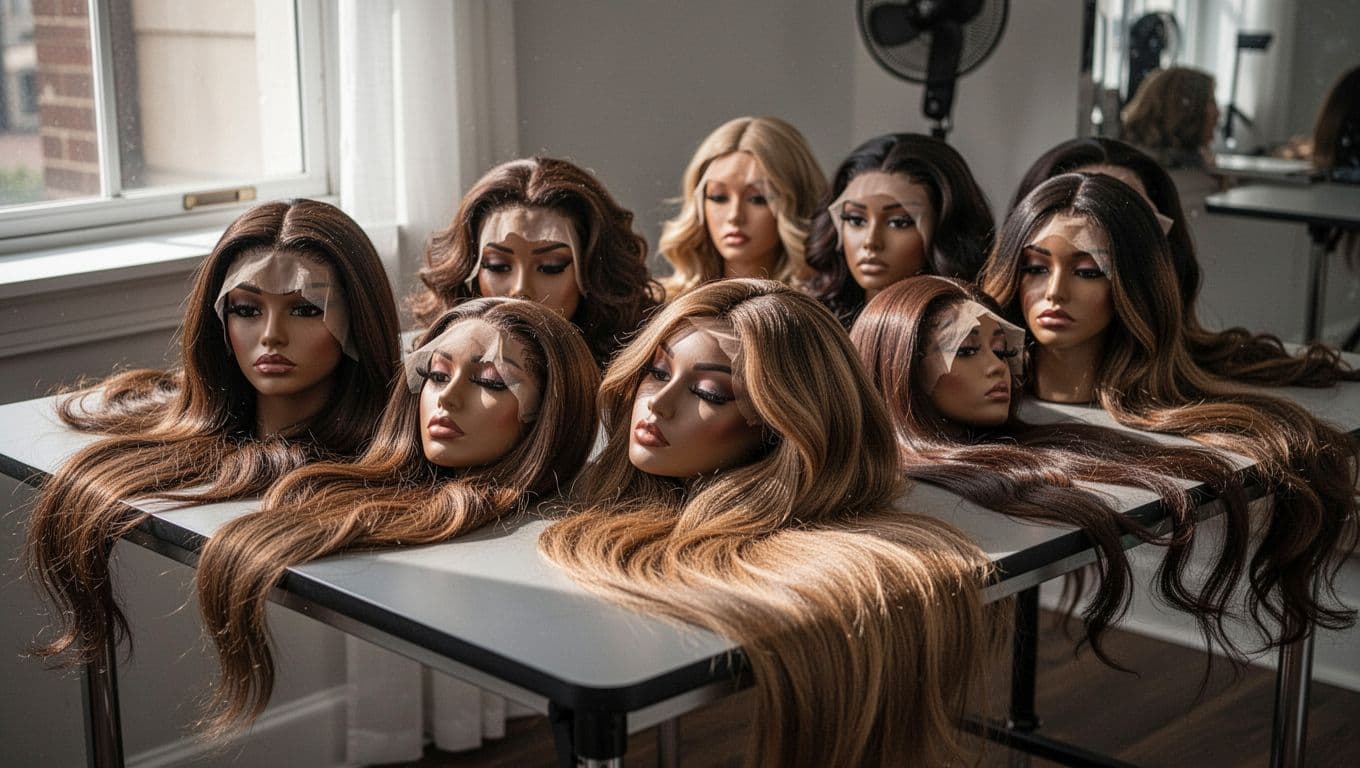
A density label doesn't tell you everything about the final look. Hair length, fiber type, curl pattern, layering, and the number of wefts can all affect fullness. Always check product photos, measurements, and customer reviews before ordering.
A 200% wig won't automatically look more realistic than a 150% wig. A natural hairline and suitable texture matter just as much as fullness.
Match Wig Density to Your Natural Hair Texture
Your natural texture helps determine how much volume will look believable around the part and hairline. The goal isn't to copy every strand of your own hair. Instead, choose a wig whose thickness works with your texture and the way you plan to wear it.
Straight hair usually looks polished at 130% to 150% density, particularly in shorter or medium-length cuts. Excessive density can make straight hair appear stiff or bulky at the sides. A lightly layered style often looks more natural than a thick, one-length wig.
Loose waves can handle medium or medium-high density because the wave pattern creates visual volume. A 150% wig may look soft and full, while 180% can work well for longer waves or layered beach-style hair.
Curly and coily textures can support more hair because curls compress toward the head. A 180% wig may look moderate once the curls separate, while a 200% option can create a fuller silhouette. Still, check whether the curl pattern is tightly defined or brushed out. A large, fluffy curl pattern takes up more space than compact coils.
Braided wigs and loc styles often require a different approach. Their density depends on the number and size of the braids or locs, not only on the hair attached to the cap. A style with many thick braids can feel heavy even when the listed percentage seems moderate.
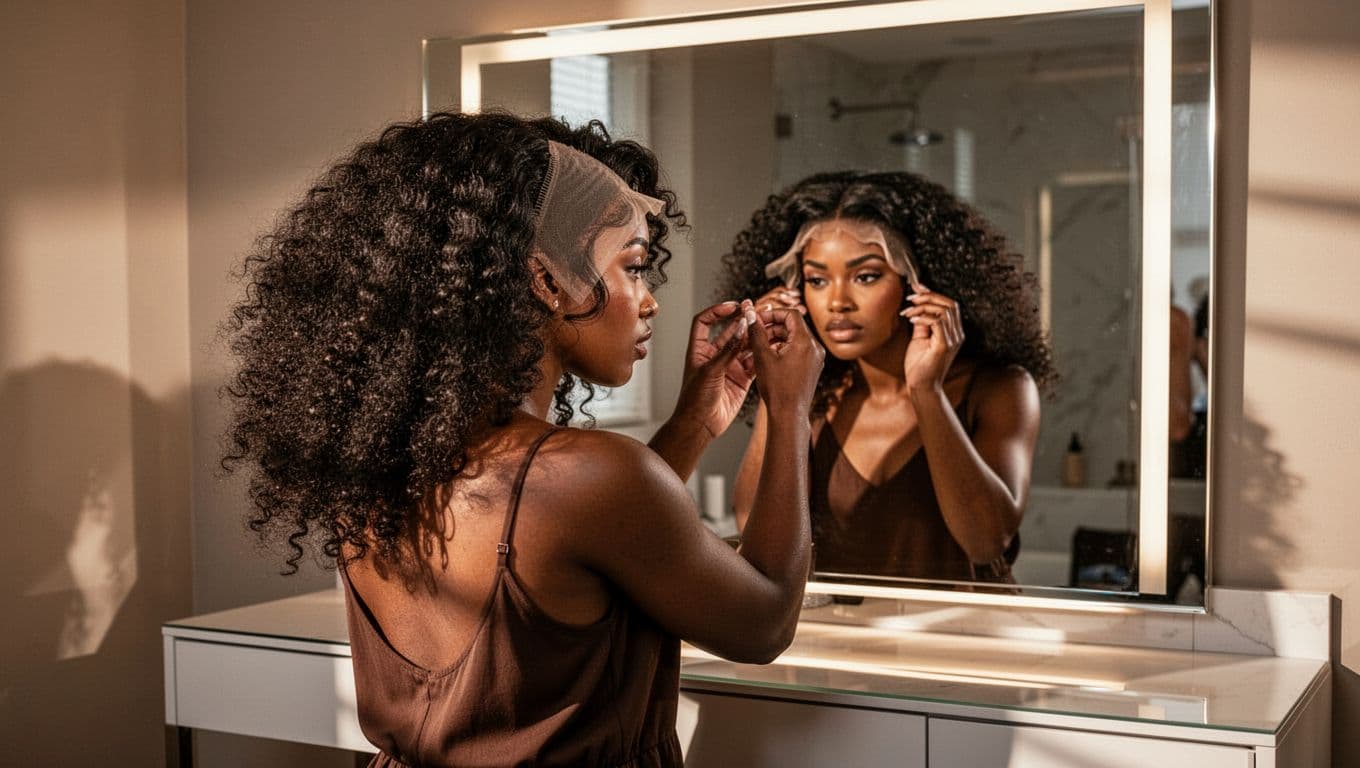
If you have thick natural hair underneath, remember that your braids or flat twists add some height. A lower-density wig may fit and blend better under the cap. People with fine hair or a closely cropped style may prefer a slightly fuller wig, provided the cap remains secure and comfortable.
Consider Length, Parting, and Styling Plans
Length is one of the clearest clues when choosing wig density. A short pixie or chin-length bob usually looks natural with light to medium fullness. A very full short wig can create a rounded shape that doesn't suit every face or hairstyle.
Shoulder-length wigs offer more flexibility. Medium density works for straight hair, waves, and relaxed curls. If you want a deep side part, high ponytail, or loose curls, a 150% to 180% option gives you more styling room.
Long wigs need careful consideration. Hair below the shoulders can appear sparse at the ends when the density is too low. Medium-high density helps preserve fullness through the length, but a long 200% wig may feel warm or heavy during extended wear. Layers can improve movement without requiring the highest available density.
The part and hairline also affect realism. A lace-front wig can expose more of the hairline, so excessive density near the front may look less natural. Some wigs use a lighter front density with fuller hair through the crown and lengths. That design often creates a better transition.
Your styling goals should guide the final choice:
- Choose light or medium density for a sleek bob, low ponytail, or simple middle part.
- Choose medium density for flexible everyday styling and occasional heat-free curls.
- Choose medium-high density for long layers, large waves, or styles that need volume.
- Choose extra-high density only when you want a deliberately dramatic result and can manage the added weight.
Human-hair wigs allow more styling changes, but heat, brushing, and repeated restyling can alter the appearance over time. Synthetic wigs usually hold their original pattern, so their listed density may look more consistent. In both cases, the wig's construction matters as much as the number.
Shop Pelucas de Cabello Natural
-
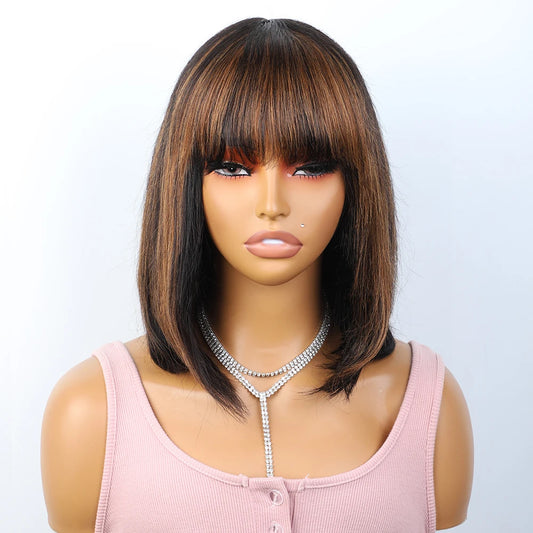
Peluca Bob Recto "Poner y Listo" | Cabello Humano Fácil de Poner con Flequillo y Cuero Cabelludo Realista
Precio habitual A partir de $111.00 USDPrecio habitual$133.00 USDPrecio de oferta A partir de $111.00 USDOferta -

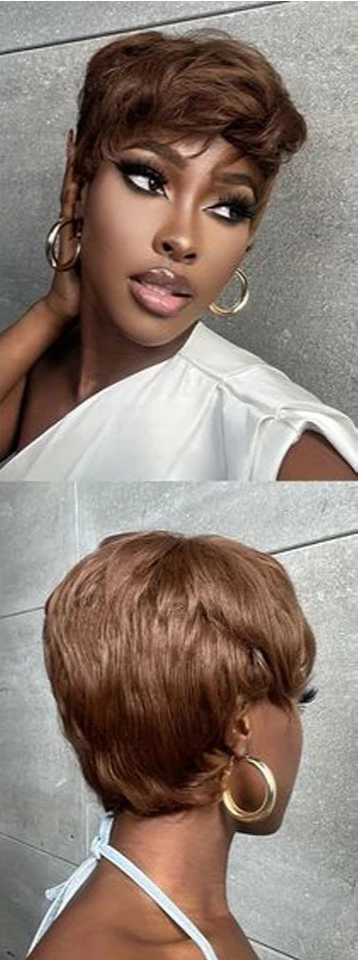
#4 Peluca Pixie Marrón Corta con Flequillo | Cabello Humano Liso Hecho Completamente a Máquina
Precio habitual $105.00 USDPrecio habitual$126.00 USDPrecio de oferta $105.00 USDOferta -
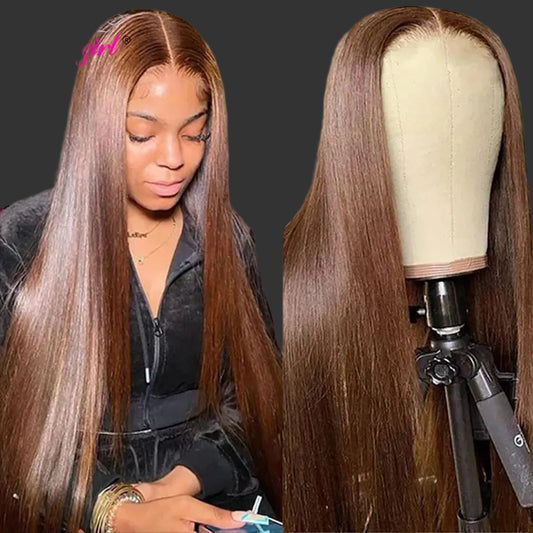
#4 Chestnut Brown Straight Lace Front Wig | 13x4 & 13x6 Transparent Swiss Lace Frontal Wig | 150% & 180% Density 100% Brazilian Remy Human Hair Long Closure Wig for Women (26+ Inch)
Precio habitual A partir de $364.00 USDPrecio habitual$0.00 USDPrecio de oferta A partir de $364.00 USD -
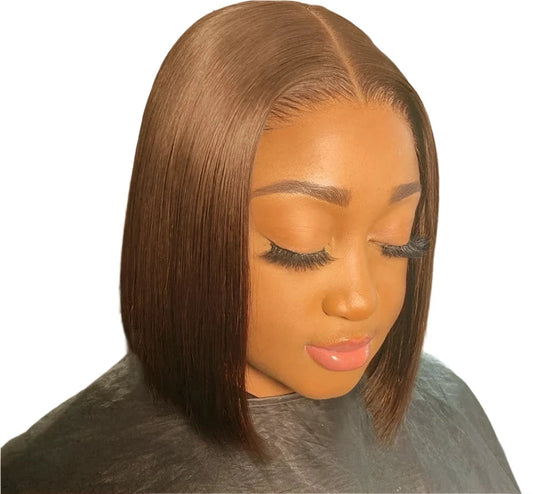
#4 Peluca Bob Marrón Chocolate | Sin pegamento | Lista para usar | Pelo brasileño | Pelo humano | Liso | Invisible | Pelucas con cierre para mujer
Precio habitual A partir de $151.00 USDPrecio habitual$172.00 USDPrecio de oferta A partir de $151.00 USDOferta -
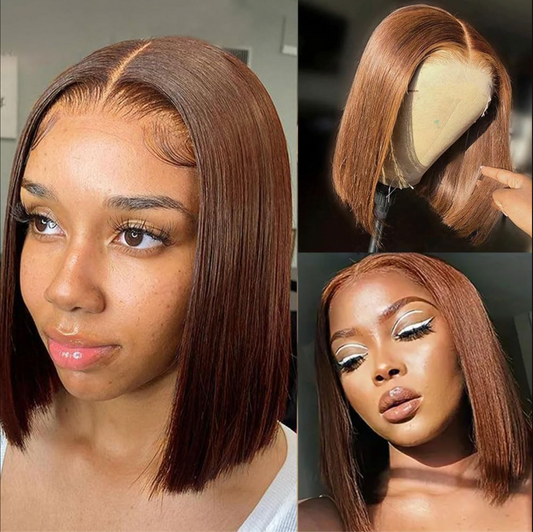
#4 Peluca Bob Recta Marrón Chocolate | Sofisticado frontal de encaje transparente HD con densidad del 200% | Elegante silueta "Bob Corto" | Cabello Humano Remy Brasileño "Digno" Pre-arrancado para un peinado radiante y versátil
Precio habitual $150.00 USDPrecio habitual$200.00 USDPrecio de oferta $150.00 USDOferta -
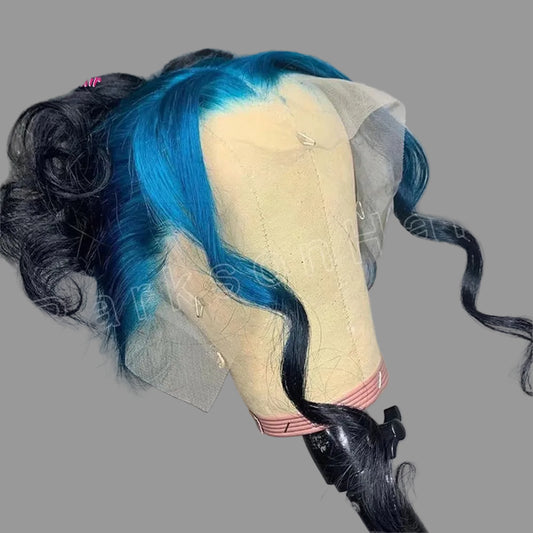
#4/613 Ombre Blonde Lace Front Wig | High-Impact Black with Blue Custom Tone Option | 13x4 HD Transparent Swiss Lace Frontal Body Wave Human Hair Wig for Women
Precio habitual $502.00 USDPrecio habitual$0.00 USDPrecio de oferta $502.00 USD -
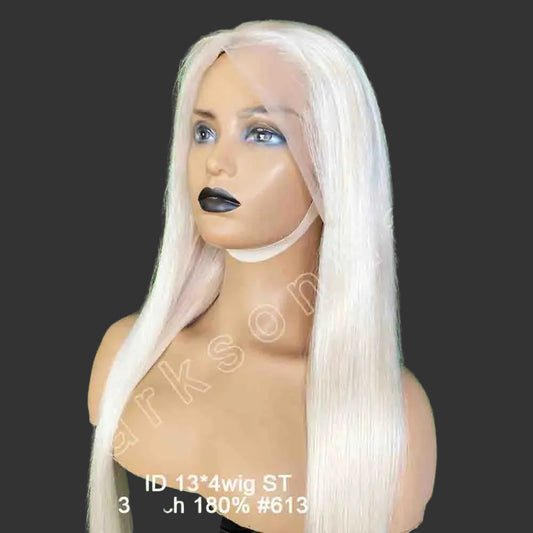
#60 613 Platinum Blonde Wear-and-Go Glueless Wig | 13x4 HD Transparent Lace Frontal Wig | 100% Brazilian Remy Human Hair Body Wave Long 26+ Inch Wig for Women
Precio habitual A partir de $249.00 USDPrecio habitual$0.00 USDPrecio de oferta A partir de $249.00 USD -
#60 Platinum Ash Blonde Lace Front Wig | 100% Brazilian Human Hair Glueless Wig | 13x4 & 13x6 HD Transparent Swiss Lace Frontal Body Wave Gown for Women
Precio habitual A partir de $249.00 USDPrecio habitual$0.00 USDPrecio de oferta A partir de $249.00 USD






Choose Comfort Carefully for Hair Loss and Sensitive Scalps
Wig density deserves extra attention when you have thinning hair, alopecia, a sensitive scalp, or little hair available for anchoring. A heavy wig can cause discomfort around the temples, crown, or nape. It may also feel warmer during long periods of wear.
Lower or medium density often provides a lighter fit. It can reduce bulk under the cap and make the wig easier to secure. However, very light density may reveal more of the cap or create a thin-looking result, especially in long styles.
When hair loss affects the hairline, focus on the front construction. A lace front, monofilament part, or full lace cap can create a more natural scalp effect. Adjustable straps and wig grips may improve stability without requiring tight clips. Avoid fastening a wig so firmly that it causes soreness or pressure.
The hairline should usually appear lighter than the crown. A wig with thick knots and dense hair directly along the lace can look artificial, even when the rest of the style has a suitable volume. Pre-plucked hairlines, natural-looking parting, and a lace color that matches your skin tone can make a greater difference than choosing a higher density.
If your scalp feels tender, itchy, or painful, remove the wig and check the fit. A breathable cap may help, but persistent irritation deserves medical advice. Your comfort should set the limit for how much density you wear.
For everyday use, the best density is the fullest option you can wear without pressure, heat, or a visibly heavy hairline.
Use a Simple Shopping Checklist
Before buying, read the product details instead of relying on the percentage alone. Look for the wig's length, cap type, fiber, parting design, and whether the front has graduated density.
Check customer photos whenever they're available. Product images often show a freshly styled wig with added curls or volume, while customer photos reveal how the hair falls during normal wear. Reviews may also mention shedding, cap comfort, tangling, or whether the wig feels heavier than expected.
Ask these questions before choosing:
- Does the listed density match the length and texture shown?
- Will your natural hair fit comfortably underneath the cap?
- Do you need a lightweight glueless style for daily wear?
- Does the front hairline look lighter than the crown?
- Can the wig support the part or hairstyle you want?
- Are you comfortable caring for the fiber or human hair?
If you are choosing between two options, start with the lower density unless your hairstyle clearly needs extra fullness. Adding gentle waves, layers, or a small amount of styling product can increase visual volume. Reducing an overly full wig may require thinning, which can be difficult to reverse.
Final Thoughts
The right wig density should match your texture, length, styling plans, and comfort needs. Medium densities, especially around 130% to 150%, often create a useful balance for everyday wear, while fuller options suit longer or more dramatic styles.
Pay close attention to the hairline, cap construction, and how the wig feels after several hours. Natural-looking fullness comes from the whole design, not the largest percentage on the product page.