

How to Create a Wig High Ponytail That Stays Polished
A high ponytail can make a wig look sleek, lifted, and completely refreshed. The challenge is securing the style without pulling the lace, stressing the cap, or creating tension along your natural hairline.
A polished wig high ponytail depends on more than gathering the hair upward. Your wig type, cap construction, hair length, and texture all affect the technique. Use the steps below as a beginner-friendly starting point, then adjust the method for your specific unit.
What You Need for a Wig High Ponytail
Gather your tools before putting the wig on. Working in stages helps you avoid tugging at the lace while searching for clips or elastics.
Prepare the right styling tools
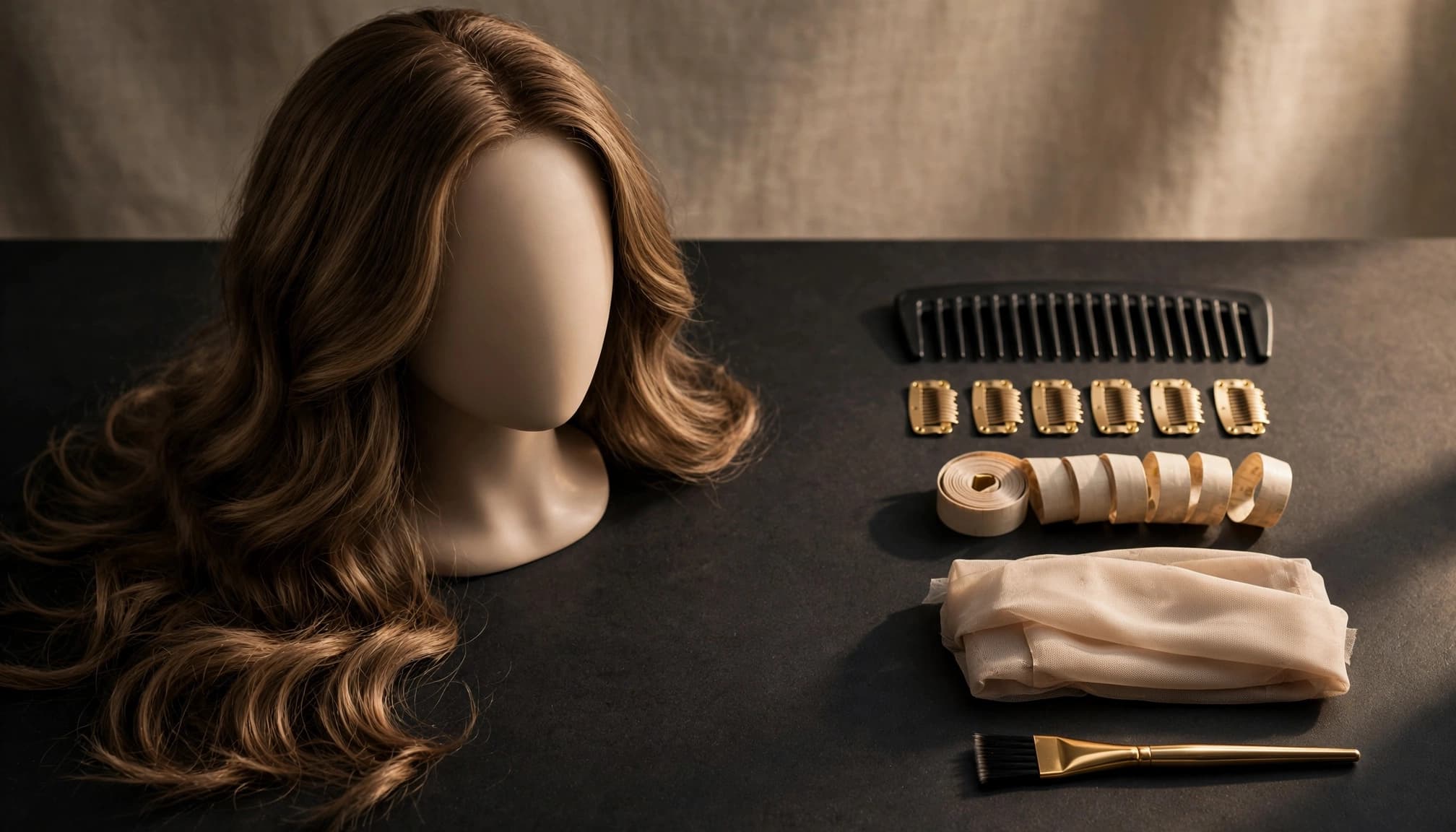
You'll need:
- A wig cap or stocking cap
- A wide-tooth comb or wig brush
- Sectioning clips
- A snag-free elastic or soft scrunchie
- A small edge brush
- Hairpins or bobby pins
- Light styling mousse or a small amount of gel
- A wig grip, adjustable straps, or another approved securing method
- Heat protectant, only if your wig is heat-safe
Use a wide-tooth comb on curly or deep-wave hair. A soft brush works better for straight textures, but always start at the ends and move upward. Pulling from the crown can loosen knots and disturb the wig's shape.
For a unit designed for lifted styles, consider a 32-inch yaki straight glueless wig. Its listed 360 lace and drawstring construction provide more styling flexibility than a basic closure unit.
Check the cap before styling
Look inside the wig before you begin. Identify the combs, adjustable straps, drawstring, lace sections, and any areas that may resist upward movement.
A full-lace or 360 lace construction usually offers more options for a high ponytail because hair is ventilated around more of the perimeter. A standard lace-front wig may work best with a lower high ponytail or a half-up style, especially when the back of the cap has limited coverage.
Prepare Your Natural Hair and Wig
Preparation creates a smoother base and reduces the amount of pulling needed later. The exact method depends on your hair density, length, and the fit of your wig.
Detangle and shape the wig first
Place the wig on a mannequin head or hold it carefully by the cap. Detangle the ends before moving toward the crown. If the hair has waves or curls, preserve the texture instead of brushing it straight.
Check the care instructions before applying mousse, gel, or heat. Human-hair wigs generally allow more styling options, but the cap and lace still need gentle handling. Synthetic fibers may react poorly to heat, so never assume a synthetic unit is heat-safe.
If you use a heated tool on a confirmed heat-safe wig, apply heat protectant and use the lowest effective setting. Keep the tool away from lace, knots, and adhesive areas.
Flatten your natural hair
Your natural hair should lie as flat as possible under the wig. Create two or more flat braids, wrap the hair around your head, or make a low, secure base depending on your hair length and thickness.
Avoid a bulky bun at the back of your head. It can push the wig upward and make the ponytail base look uneven. Keep the braids or wrap comfortable rather than tight. A flat base should support the wig, not create pressure at the temples.
Place the wig cap over your hair without rolling it tightly around the hairline. If the cap feels restrictive, adjust it before continuing.
Position the wig gently
Put the wig on from front to back, then align the lace with your natural hairline. Adjust the straps or drawstring until the cap feels secure but comfortable.
Do not pull the wig backward to force the lace into position. Instead, lift the cap slightly and reposition it. A wig grip can help reduce movement without requiring tight straps.
For textured styles, let the hair fall naturally before gathering it. A 30-inch deep wave HD lace wig will need a different approach from a straight unit because brushing the waves too aggressively can create frizz and uneven volume.
How to Create a Wig High Ponytail
Work slowly, especially around the lace and the front perimeter. The goal is a clean shape with even tension across the wig.
1. Decide where the ponytail will sit
Stand in front of a mirror and mark the highest comfortable point on your head. A ponytail placed near the crown looks lifted, while one positioned slightly lower may create less tension.
Use your fingers to trace the path from the hairline to the intended base. If the wig shifts when you gently lift the hair, secure the cap before gathering it.
2. Smooth the crown in sections
Divide the wig into front, side, and back sections. Hold each section loosely and guide it toward the ponytail base with a brush or comb.
Start with the sides, then smooth the back and finish with the front. This order helps prevent loose pieces from escaping. Use a small amount of mousse or gel on flyaways, but keep heavy products away from lace unless the product is suitable for it.
Leave a few strands around the face if you want a softer finish. A high ponytail does not need to be pulled completely flat to look polished.
3. Secure the gathered hair
Once the crown looks smooth, hold the gathered hair with one hand. Use a snag-free elastic or soft scrunchie around the ponytail base.
Keep the first wrap firm enough to hold the style, then stop. Repeatedly tightening the elastic can pull the wig upward and place pressure on the hairline.
If the wig has a drawstring, adjust it before tying the ponytail. The drawstring should help the cap fit, not replace gentle handling of the lace.
4. Check the shape from every angle
Turn your head slightly and inspect the front, sides, and back. Look for exposed tracks, uneven volume, lifted lace, or a cap edge that has moved.
For a sleek look, smooth the surface with a soft brush. For a curly or wavy wig, use your hands to arrange the texture instead of brushing through the entire ponytail.
Secure and Conceal the Ponytail Base
The base determines whether the style looks intentional. It also needs to support the ponytail without transferring all its weight to the lace.
Wrap the base with a small section
Take a narrow section from underneath the ponytail and wrap it around the elastic. Secure the end underneath with a bobby pin.
Slide the pin through the wrapped hair and into the ponytail base, not directly through the lace. If the pin catches the cap, loosen it and try again at a different angle.
For extra polish, use a small amount of styling product on the wrapped section. Avoid soaking the hair, since excess product can make the base stiff or difficult to remove later.
Add support when the hair is long or heavy
Long, dense hair can pull on the ponytail base. Instead of adding multiple tight elastics, use a few strategically placed pins or a soft support piece designed for wigs.
A 360 lace unit may offer more room around the perimeter, but its length and density still affect comfort. The listed 30-inch bone straight HD lace wig is described with several lace and frontal options, yet the best ponytail position still depends on how the individual unit fits.
Wear the style for a few minutes before adding extra height or volume. If the cap feels heavy, lower the ponytail slightly.
Finish the Style Without Excessive Tension
Small finishing details can make the ponytail look smoother without requiring more force.
Refine the hairline carefully
Use an edge brush to shape baby hairs or short strands. Keep the movement light, and avoid repeatedly brushing the same area.
If you use adhesive, follow the product directions and keep it away from irritated skin. Glueless methods, wig grips, adjustable straps, and careful pinning may provide enough security for some wearers.
The American Academy of Dermatology lists tight ponytails and updos among hairstyles that can contribute to traction alopecia. Read its guidance on hairstyles that pull, especially if you frequently wear lifted styles.
Perform a comfort check
Move your head from side to side, open and close your mouth, and gently touch the temples and hairline. The wig should feel stable without throbbing, pinching, itching, or pulling.
Pain is a signal to stop and adjust the style. Remove one layer of tension, loosen the straps, or lower the ponytail. A secure style should not depend on discomfort.
Shop Peluca frontal de encaje 360
-
12 Inch Boho Bob Knotless Box Braids Wig | 360 Full Lace
Precio habitual $193.00 USDPrecio habitual$221.00 USDPrecio de oferta $193.00 USDOferta -
36 Inch Goddess Knotless Box Braids Cornrow Wig | 360 Full Lace
Precio habitual A partir de $178.00 USDPrecio habitual$204.00 USDPrecio de oferta A partir de $178.00 USDOferta -
32-36 Inch Boho Box Braids Goddess Locs Wig | 360 Full Lace
Precio habitual A partir de $160.00 USDPrecio habitual$183.00 USDPrecio de oferta A partir de $160.00 USDOferta -
36 Inch Knotless Box Braids Cornrow Wig | 360 Full Lace | Square Parts
Precio habitual A partir de $177.00 USDPrecio habitual$202.00 USDPrecio de oferta A partir de $177.00 USDOferta -
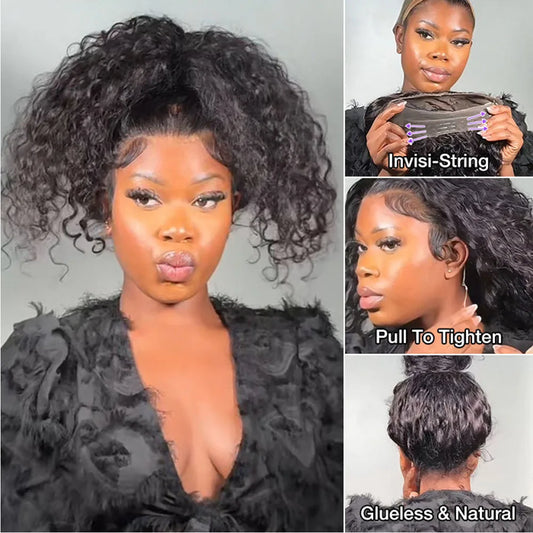
Premium 30-Inch HD Full Lace Deep Wave Human Hair Wig | 360 Invisible Drawstring Glueless Frontal Wig | 100% Brazilian Remy Water Wave Lace Front Wig for Women (Transparent Swiss Lace)
Precio habitual A partir de $221.00 USDPrecio habitual$0.00 USDPrecio de oferta A partir de $221.00 USD -
Peluca Frontal de Encaje Sin Pegamento Lacia Kinky de 450 Densidad Color P4/30 Cabello Humano Lista Para Usar Pelucas Frontales de Encaje HD 13x6/360 Para Mujeres
Precio habitual A partir de $170.00 USDPrecio habitual$0.00 USDPrecio de oferta A partir de $170.00 USD -
Peluca Ultra Alta Densidad 450 Castaña Lacia Tipo Bob con Encaje HD | Sofisticado Encaje Completo 360 y Frontal 13x6 | Elegante Silueta "Remy Brasileño" | Cabello Humano "Digno" Pre-Arrancado Listo para Usar para un Estilizado Radiante y Versátil
Precio habitual A partir de $157.00 USDPrecio habitual$0.00 USDPrecio de oferta A partir de $157.00 USD -
Peluca HD de encaje rizado afro de densidad ultra alta 400 | Encaje completo 360 y frontal 13x6 sofisticado | Elegante silueta "Brazilian Remy" | Cabello humano pre-depilado sin pegamento "Dignified" para un estilo radiante y versátil
Precio habitual A partir de $227.00 USDPrecio habitual$0.00 USDPrecio de oferta A partir de $227.00 USD





Common Mistakes to Avoid
A few habits can make the wig look less natural or shorten its useful life.
Pulling the entire wig upward
Gathering every strand with force can shift the lace and expose the cap. Work in sections and smooth the hair toward the base instead.
Using a tight elastic
A small, rigid elastic may grip well at first, but it can create pressure on the wig and your natural hair. Choose a soft, snag-free option and stop tightening once the ponytail holds.
Applying too much heat
Never use heat on a wig unless its care instructions confirm that the fiber or human hair can handle it. Keep heated tools away from lace and knots, and use heat protectant when appropriate.
Ignoring texture
Straight hair can usually be smoothed with a brush, while curly and wavy hair needs more finger arrangement. Brushing textured hair repeatedly can cause frizz and reduce definition.
Sleeping in the ponytail
Remove the wig before sleeping unless its manufacturer specifically provides different guidance. Store it on a mannequin head or wig stand, and loosen the ponytail before storage.
The AAD also advises avoiding frequently worn hairstyles that pull tightly on the hair. Its hair loss management tips are useful if you notice soreness, broken hairs, or thinning around the edges.
Key Takeaways
- Choose a wig with a cap construction that supports the height and direction you want.
- Flatten your natural hair without creating tight braids, bands, or buns.
- Smooth the wig in sections, then secure the ponytail with a soft elastic.
- Use pins for support instead of repeatedly tightening the base.
- Adjust the style for straight, wavy, curly, synthetic, or human-hair wigs.
- Stop if you feel pain, pressure, throbbing, or persistent pulling around the hairline.
- Use the lowest effective heat only when the wig is confirmed heat-safe.
FAQ
Can every wig be styled into a high ponytail?
No. The result depends on the cap construction, lace coverage, hair length, density, and how the wig fits. A full-lace or 360 lace wig may offer more flexibility, while a closure unit may work better in a lower position.
How do I stop a wig high ponytail from slipping?
Start with a properly fitted cap. Adjust the straps or drawstring, add a wig grip if suitable, and secure the ponytail with pins placed through the hair rather than the lace. Avoid relying on one tight elastic.
Can I make a high ponytail with a synthetic wig?
You can style some synthetic wigs, but the fibers may not tolerate heat or repeated brushing. Check the manufacturer's care instructions first. If heat is not approved, use finger styling, clips, and suitable wig products instead.
How can I protect my hairline?
Keep the ponytail at a comfortable height, avoid tight straps and rigid elastics, and do not repeatedly pull the lace backward. Give your scalp breaks between high-tension styles. If you notice pain, irritation, or thinning, remove the style and consult a qualified healthcare professional.
Conclusion
A polished wig high ponytail starts with the right cap fit and a flat, comfortable base. Smooth the hair in sections, secure it gently, and use pins or a wrap to support the ponytail without over-tightening.
The best result should look lifted while still feeling comfortable. When the style causes pulling or pain, lower the ponytail, loosen the cap, or choose a different arrangement that protects your hairline.