

How to Choose Wigs for Humid Weather That Stay Manageable
Humidity can turn a polished style into frizz, swelling, or unwanted movement within hours. The best wigs for humid weather balance comfort, texture, length, density, and security instead of relying on one "humidity-proof" feature.
Synthetic and human-hair wigs respond differently to moisture. Cap design matters just as much as the fibers, especially if you live in a tropical climate or sweat easily. Use the guide below to choose a wig that feels practical for your routine and remains easier to maintain.
Key Takeaways
- Choose a manageable length and moderate density for hot, humid days.
- Synthetic wigs often hold their preset shape, while human hair offers more styling flexibility but can react to moisture.
- Look for lace or monofilament features when you want a lighter, more natural-feeling cap.
- Measure your head before ordering, then use adjustable straps or a light wig grip for added security.
- Condition human-hair lengths only, and keep moisture away from the cap.
- No wig is completely humidity-proof, so select a style you can refresh easily.
What Humidity Does to Hair and Wigs
Moisture in the air affects natural hair and human-hair wigs because the fibers can absorb water. That absorption may make the hair swell, change shape, or look less smooth. Clinikally explains that humidity can allow moisture into the hair shaft, disrupting the alignment of the cuticle and increasing frizz. Their humidity and frizz guide gives more detail on this process.
Why texture changes matter
Straight human hair may lose some of its smooth finish in damp air. Wavy or curly hair can expand, separate, or become harder to shape. Existing dryness, friction, and heat styling can make those changes more noticeable.
Synthetic fibers generally keep the pattern created during manufacturing. That can make a synthetic bob or curl pattern easier to wear in changing weather. However, synthetic hair can still become tangled, matted, or limp when exposed to sweat, rain, friction, or poor storage.
Separate features from guarantees
A breathable framework, lace front, adjustable strap, or glueless design may improve comfort and fit. None of these features guarantees that a wig will remain perfect in heavy humidity.
Treat terms such as "wear-and-go" as descriptions of installation, not promises about weather performance. Your results will also depend on the wig's density, fiber quality, cap construction, head size, styling products, and daily activity.
How to Choose Wigs for Humid Weather
Start with the conditions you face most often. A wig for short commutes may need different features from one worn during outdoor events, long work shifts, or frequent travel.
Pick a length you can maintain
Shorter and medium-length styles usually require less detangling than very long wigs. They also place less weight around the neck and shoulders, which may feel more comfortable in hot weather. A bob, shoulder-length cut, or layered style can be easier to brush and reshape during the day.
Long hair can still work well, especially if you prefer updos or braids. However, extra length creates more opportunities for friction against clothing and more surface area to manage after exposure to moisture.
Check density and texture
Lower or moderate density often creates a lighter look and may reduce bulk. Very dense styles can look dramatic, but they may feel warmer and take longer to dry or detangle.
Texture affects maintenance, too. A soft wave can disguise small changes in shape, while a sleek straight style may show frizz more quickly. Defined curls can be practical when the pattern remains attractive as it expands, but they still need careful detangling.
Luxegan's 180% density straight glueless wig offers a useful reference point for shoppers comparing a moderate-density, ready-to-wear style.
Review the cap construction
Lace fronts can create a natural-looking hairline and may reduce the feeling of a heavy front edge. Monofilament sections can support a more flexible part and scalp-like appearance. Depending on the design, both features may help reduce bulk, but ventilation varies between wigs.
A glueless cap with adjustable straps can provide a lighter installation than one that requires repeated adhesive use. Still, a secure fit depends on accurate sizing and the shape of your head.
Synthetic or Human Hair for Humid Weather?
Neither fiber is automatically right for every climate. The better choice depends on whether you value predictable styling, heat flexibility, natural movement, or easier daily upkeep.
Synthetic wigs offer shape consistency
Synthetic fibers usually arrive with a set curl, wave, or straight pattern. That preset shape can save time when humidity affects your schedule. A synthetic wig may also need less styling before you leave home.
The trade-off is limited flexibility. You generally can't restyle standard synthetic fibers with heat, and rubbing or high heat can damage them. Always check whether a unit is heat-friendly before using hot tools. Even heat-friendly fibers require the temperature limits stated by the manufacturer.
Human hair offers more styling options
Human-hair wigs can be washed, shaped, and restyled more like natural hair. This makes them useful if you change your part, wear occasional updos, or want to refresh the style after a humid day.
They also respond to moisture more like natural hair. A straight human-hair wig may wave or frizz, while a body-wave pattern may expand. Human hair often needs more conditioning and careful drying, and styling products can build up around the cap if applied too heavily.
The glueless body wave human hair wig illustrates how texture, lace layout, and glueless construction should be considered together rather than judged by fiber type alone.
Focus on Breathability, Sizing, and Security
A comfortable wig can still feel unpleasant if the cap traps heat or shifts during movement. Check each part of the fit before you buy.
Look for a suitable cap
Lace, open wefts, and selected monofilament features can reduce the amount of solid material against your scalp. They don't make every wig equally cool, so inspect the product description and construction rather than assuming that all lace caps breathe the same way.
A 13x6 lace frontal provides broad parting space, while a 6x4 closure covers a smaller area and can require less lace adjustment. Luxegan's 13x6 HD lace frontal human-hair wig lists transparent Swiss lace, an average-size cap, and adjustable straps. These details help you compare construction, although they don't promise a cooler experience for every wearer.
Get the size right
Measure around your hairline, behind your ears, and across the nape. Compare those measurements with the seller's small, average, or large cap guide. An oversized wig can slide, while a tight wig may cause pressure and increase sweating.
Use adjustable straps for small fit changes instead of pulling them as tight as possible. A thin, breathable wig grip or a few lightweight combs can add stability. Avoid stacking several thick layers under the wig because they can increase heat and bulk.
A secure wig should stay in place because the cap fits correctly, not because heavy adhesive is doing all the work.
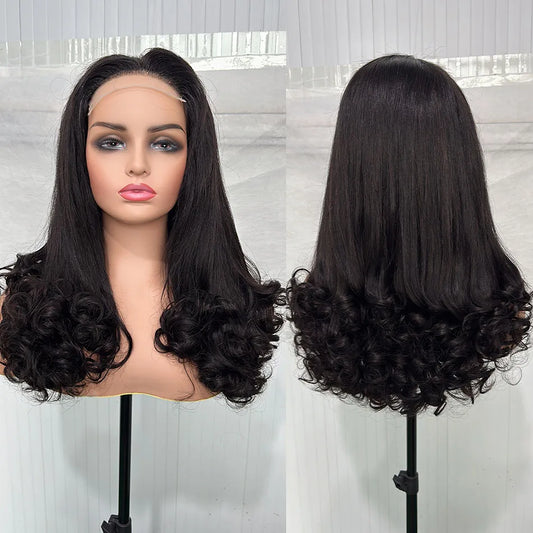
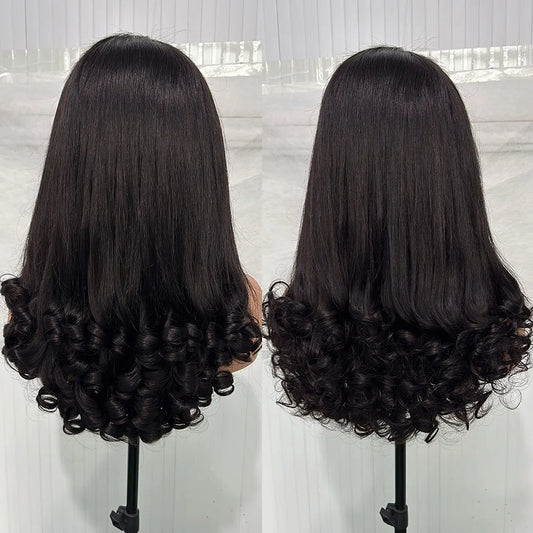
Shop Pelucas Rizas
-
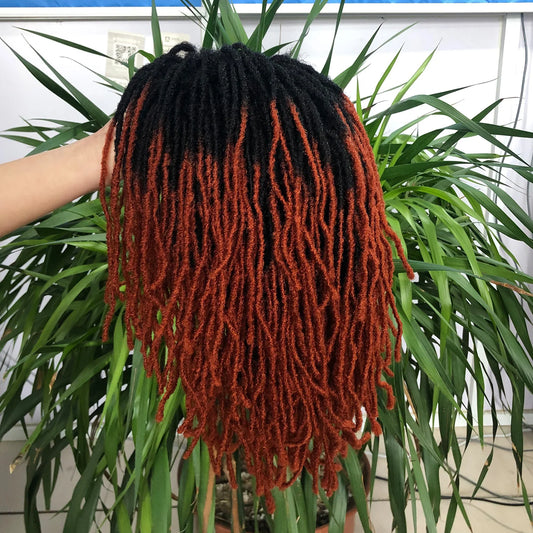
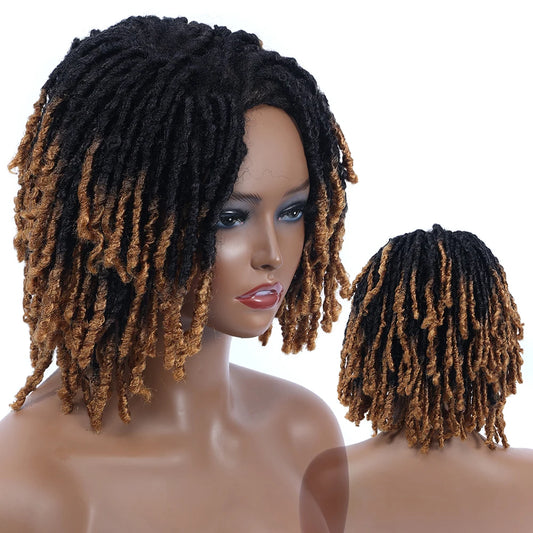
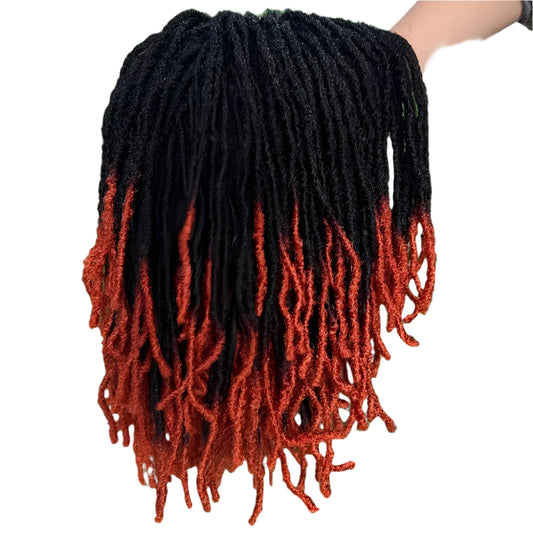
Peluca trenzada de 10" | Peluca Afro de rastas | Puntas rizadas | Peluca de ganchillo sintética | Cosplay
Precio habitual A partir de $96.00 USDPrecio habitual$122.00 USDPrecio de oferta A partir de $96.00 USDOferta -
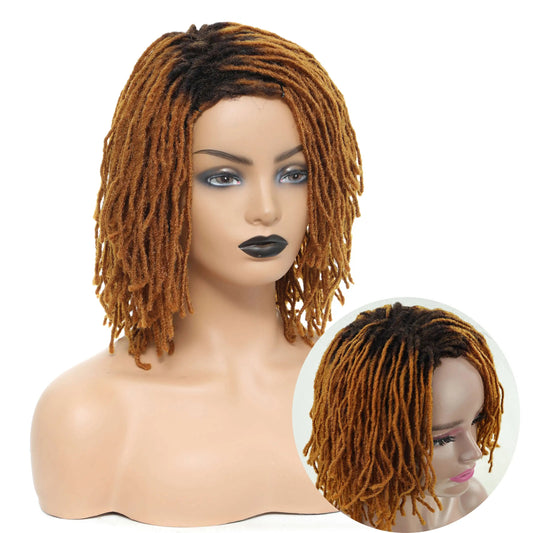
Peluca Bob Trenzado Corto de 10" | Locs Sintéticos y Rizos Entrelazados | Negro, Rubio, Rojo | Cabello Sintético
Precio habitual $153.00 USDPrecio habitual$184.00 USDPrecio de oferta $153.00 USDOferta -
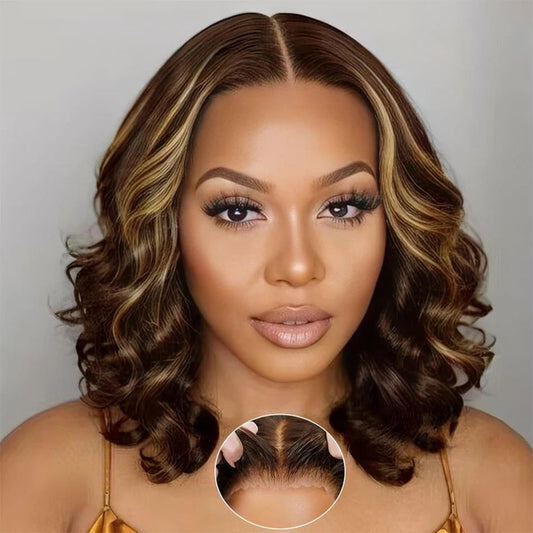
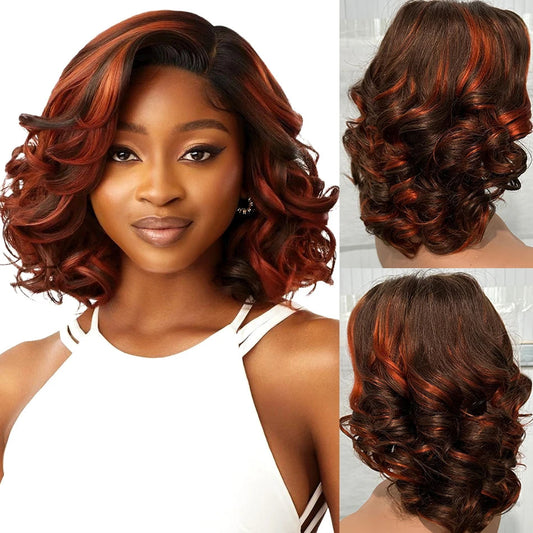
100% Human Hair Curly Bob Wigs | 5x5 HD Lace Closure, Glueless Ready to Wear
Precio habitual A partir de $261.00 USDPrecio habitual$298.00 USDPrecio de oferta A partir de $261.00 USDOferta -
12 Inch Curly Faux Locs Dreadlock Wig | Machine or Headband Cap
Precio habitual A partir de $133.00 USDPrecio habitual$160.00 USDPrecio de oferta A partir de $133.00 USDOferta -
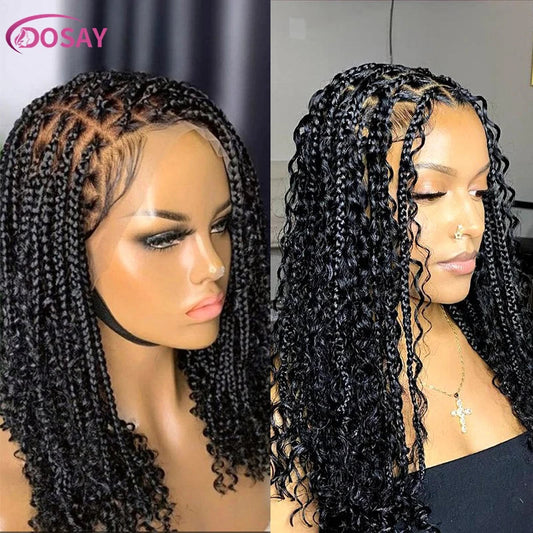
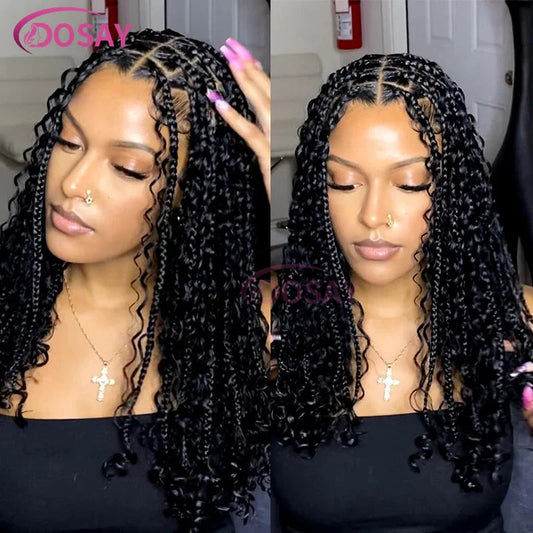
12" Curly Boho Braids Bob Wig | 360 Full Lace | Knotless Box Braids | Baby Hair
Precio habitual $157.00 USDPrecio habitual$179.00 USDPrecio de oferta $157.00 USDOferta -
Peluca rizada birmana 12A | Frontal completo HD transparente 13x6 sofisticado | Elegantes "rizos pixie en espiral" de cabello humano virgen 100% | Peluca Remy de alta densidad de 18 a 34 pulgadas "digna" para un estilo radiante y versátil
Precio habitual A partir de $328.00 USDPrecio habitual$0.00 USDPrecio de oferta A partir de $328.00 USD -
Peluca 12A rizada con huevo doble tirón | Encaje HD 5x5 | Sin pegamento | Poner y listo | 250% de densidad | Cabello virgen brasileño
Precio habitual A partir de $221.00 USDPrecio habitual$0.00 USDPrecio de oferta A partir de $221.00 USD -
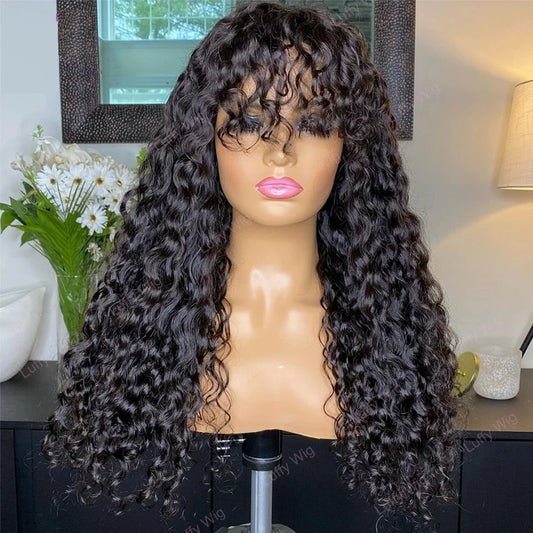
12A Grade Kinky Curly Human Hair Wig with Bangs | 100% Brazilian Virgin Human Hair Glueless Wig | Fully Machine-Made Water Wave & Jerry Curl Fringe Wig for Women
Precio habitual A partir de $154.00 USDPrecio habitual$0.00 USDPrecio de oferta A partir de $154.00 USD





Choose a Style That Works With Your Routine
The most practical choice is often the style you can maintain after a long, damp day. Consider how much time you want to spend brushing, drying, and reshaping the hair.

Shorter styles can simplify daily care
A bob or shoulder-length cut is easier to detangle and store than a very long unit. If you commute, exercise, or spend time outdoors, less hair can mean fewer knots caused by clothing and neck friction.
A short cut also makes small changes in texture less noticeable. Choose a length that suits your wardrobe and comfort preferences rather than selecting a style only because it looks good in a product photo.
Curly and wavy styles can disguise expansion
Humidity may alter a smooth finish more visibly than a textured one. A wave or curl pattern can remain attractive when it becomes slightly fuller. However, curly wigs still need gentle handling, and heavy brushing can separate the pattern.
High-density deep waves may require more time to refresh. One Luxegan option lists 200% density and lengths of 32 to 34 inches, with 13x6, 13x4, and 6x4 layouts. That kind of long, dense style can suit someone who wants volume, but it may demand more detangling and storage space than a lighter unit.
Wig Care Tips for Humid Weather
Good care won't stop every moisture-related change, but it can reduce dryness, tangling, and buildup. Follow the care instructions for your specific fiber and cap.
Condition the lengths, not the cap
For a human-hair wig, apply conditioner from the mid-lengths to the ends. Keep it away from the lace, knots, and cap because excess conditioner near the base may contribute to shedding or loosen the construction. The Wig Company's human-hair wig care guidance recommends this approach.
Use a small amount of lightweight leave-in product on the lengths when needed. Avoid layering oils, creams, and sprays before going outside, since product buildup can attract dust and make the hair feel heavy.
Detangle from the ends upward with a wide-tooth comb. Work in small sections and support the hair near the cap so you don't pull against the lace or knots.
Dry and store the wig properly
After washing, press out excess water with a towel instead of twisting the hair. Hair Replacement Australia recommends rinsing with cool water until it runs clear and avoiding conditioner on the cap because it can contribute to shedding. Follow their human-hair wig care tips when your unit's instructions allow.
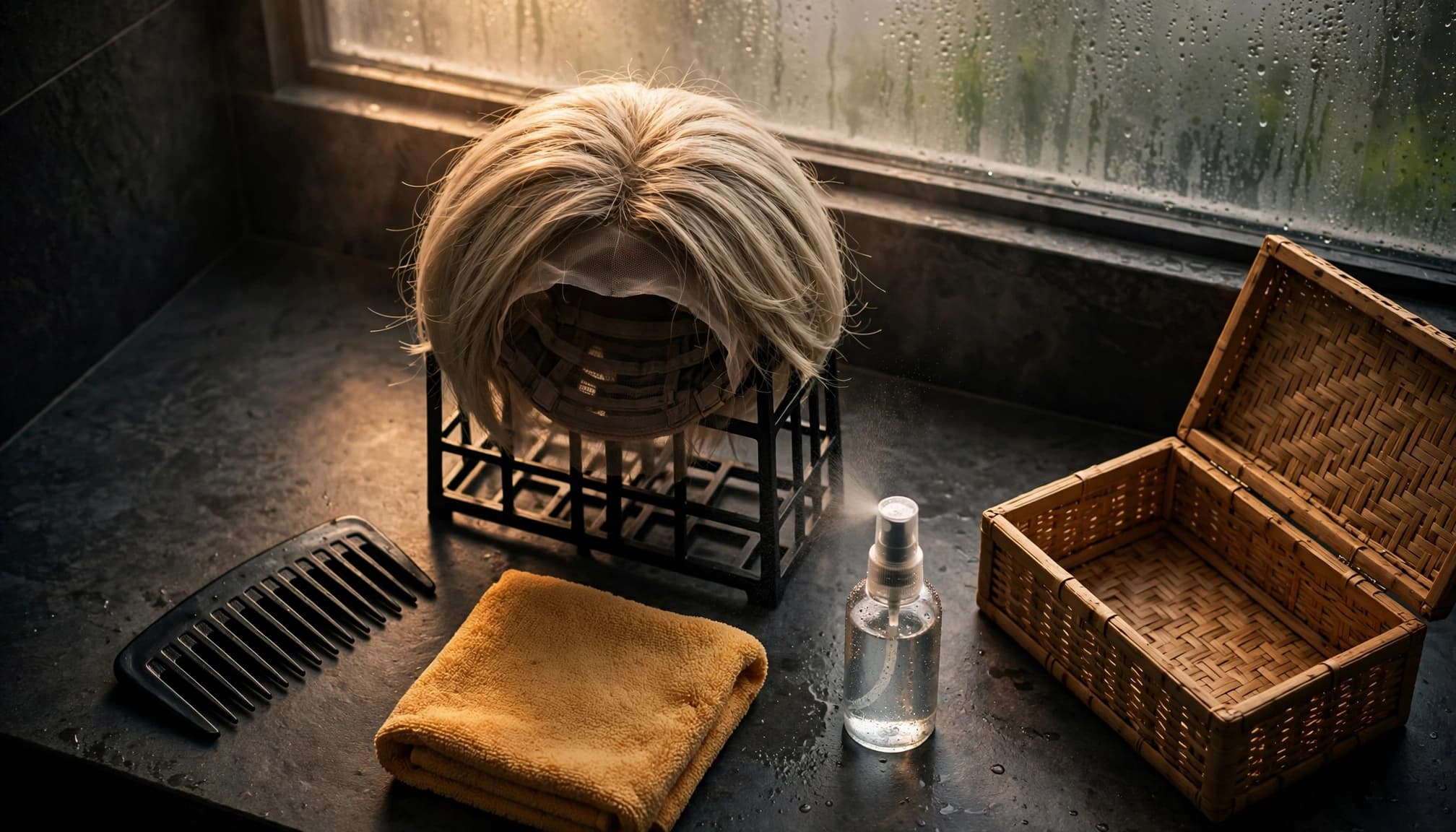
Let the wig dry fully on a suitable stand before storing it. Keep it away from direct heat, sealed plastic bags, and damp bathrooms. A clean satin or silk storage bag can reduce friction, while a wig stand helps preserve the shape.
A Quick Buying Checklist
Before ordering, review these points:
- Choose a length and density you can detangle without frustration.
- Compare synthetic shape retention with the styling flexibility of human hair.
- Look for lace, monofilament, or open-cap details when comfort matters.
- Confirm the cap measurements instead of relying only on "average size."
- Check for adjustable straps and consider a thin wig grip.
- Match the texture to the finish you can maintain in damp air.
- Read the washing, drying, and heat instructions before using products.
- Remember that no wig is completely humidity-proof.
FAQ: Choosing a Wig for Humid Weather
Are synthetic wigs better in humidity?
Synthetic wigs can be easier when you want a preset curl or straight pattern that needs little restyling. They aren't immune to tangling, frizz, sweat, or rain. Choose one when predictable shape matters more than extensive styling flexibility.
Is human hair a bad choice for tropical climates?
No. Human hair can work well if you accept that moisture may change its texture. It gives you more options for washing and styling, but it needs careful conditioning, drying, and storage.
Should I choose lace or a monofilament cap?
Choose based on the feature you value. Lace can create a natural-looking hairline and may reduce front-edge bulk. Monofilament construction can provide flexible parting and a scalp-like appearance. Check the full cap design because neither feature guarantees maximum airflow.
How do I stop a wig from slipping?
Start with the correct cap size and adjust the straps evenly. A thin wig grip or a few light combs can add stability. Heavy adhesive isn't always necessary, especially when a glueless cap already fits well.
Conclusion
The best wigs for humid weather are manageable, well-fitted, and suited to the way you spend your day. Compare fiber type, length, density, texture, lace or monofilament construction, and security before focusing on appearance alone.
A shorter or moderate-density style may simplify care, while human hair gives you more styling options at the cost of greater moisture sensitivity. With the right fit and a careful routine, you can keep your wig comfortable and polished even when the weather stays damp.