

Dreadlock Wigs for Low-Maintenance Statement Styles
A bold loc style can change your whole look, but growing and maintaining permanent locs takes time. Dreadlock wigs give you the texture, volume, and presence of loc-inspired hair without asking you to commit to one style.
The right wig can reduce daily styling while still looking polished. However, low-maintenance doesn't mean care-free. Weight, heat, scalp comfort, secure fit, and realistic construction all affect whether a loc wig feels easy to wear. Start by choosing the look and construction that suit your routine.
Why dreadlock wigs work for statement styles
Loc wigs make a strong visual impression with minimal preparation. Instead of sectioning, twisting, retightening, or spending hours arranging extensions, you can put on a finished style and adjust it to your face and outfit.
Synthetic options often hold their shape well, while human-hair designs offer more flexibility for styling. The best choice depends on how often you plan to wear the wig and whether you prefer convenience or customization.

Instant texture and volume
Faux locs create dimension that can make a simple outfit feel intentional. Chunky locs look bold and graphic, while slimmer locs tend to appear lighter and more versatile. Butterfly locs, goddess locs, and braided locs each bring a different texture to the face.
A shoulder-length bob can work for everyday wear, especially if you prefer less bulk around your neck. Longer styles create drama, but they may feel heavier and warmer during extended wear.
Length and color change the mood
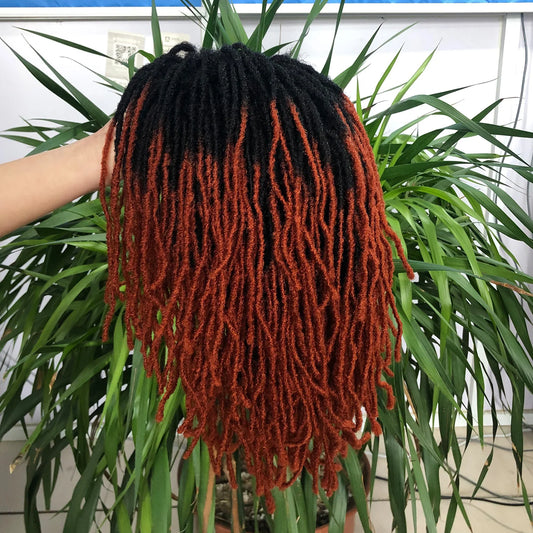
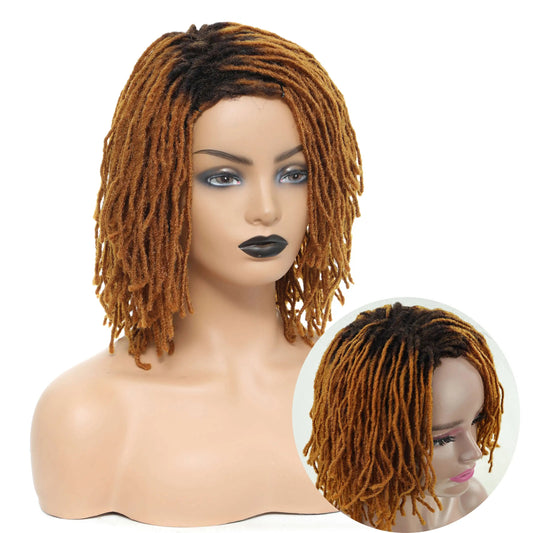
Natural black, dark brown, and subtle ombre shades are easy to coordinate with workwear and casual clothes. Caramel or auburn accents add movement without making the style difficult to wear.
For a more noticeable statement, Luxegan's blue butterfly locs full lace wig is listed as a 20-inch blue style made with high-temperature synthetic fiber. Bright color can be striking, but consider how often you'll wear it before choosing a statement shade.
Choosing the right loc pattern and silhouette
The loc pattern should match both your personal style and your daily schedule. A dramatic wig may look impressive in photos, yet a shorter or lighter design may feel more practical for commuting, errands, or warm weather.
Look at the shape from the front, sides, and back. The hair should frame your face instead of overwhelming it.
Match volume to your features
High-density wigs provide a fuller appearance, but extra hair can add weight. If you have a smaller frame or prefer a softer look, medium-density locs may be easier to balance.
A bob or mid-length style usually needs less arranging than very long locs. You can also choose a half-up style, side sweep, or low ponytail if the construction allows it. Avoid pulling tightly on the wig simply to force a style it wasn't designed to hold.
Consider the part and hairline
A visible part can make the style look more natural, especially when the locs fall away from the face. Lace-front designs may offer more flexibility along the hairline, while full-lace wigs can provide additional parting options.
For a shorter, polished look, Luxegan's 13x4 deep curl locs lace front wig is listed with 210 density, a 13x4 frontal, transparent HD lace, and lengths from 10 to 16 inches. Those details help you compare structure, volume, and length before ordering.
Fit and construction matter more than length
A beautiful wig becomes difficult to enjoy when it shifts, pinches, or leaves the hairline exposed. Check the cap measurements, adjustment system, lace type, and interior combs before buying.
The cap should sit securely without forcing you to tighten every strap as far as it goes. A snug fit is useful, but persistent pressure around the temples or edges is a warning sign.
Look for adjustable security
Adjustable straps can help you customize the fit. Combs may provide extra hold, although some wearers find them uncomfortable or irritating. Wig grips and thin caps can offer another option, but they should not create excessive pressure.
Glueless construction can be convenient when you want to put the wig on and remove it without adhesive. Lace-front wigs may look more natural at the front, but they still need careful placement and suitable lighting to blend well.
Check the weight before daily wear
Long, dense locs can weigh more than a straight or loose-wave wig. Ask whether the product description lists density, length, and fiber type. These details won't predict exact comfort for every person, but they help you make a more informed comparison.
Synthetic or human hair: which suits your routine?
Synthetic dreadlock wigs are often the easiest option for shoppers who want a set style with limited daily work. The American Cancer Society describes synthetic wigs as being made from artificial fibers such as polyester or acrylic, and notes that they generally cost less and require less maintenance than human-hair wigs. Read its guide to choosing and wearing wigs for broader wig-care considerations.
Human-hair loc wigs usually cost more, but they may allow greater styling flexibility. A human-hair option can make sense if you want to change the part, refresh the texture, or use the wig regularly over a longer period.
Synthetic fiber is practical when you want predictable shape and quick styling. Still, don't assume every synthetic wig can handle hot tools. Only use heat when the product specifically states that the fiber is heat-resistant, and follow the maker's temperature and care directions.
How to keep a loc wig low-maintenance
The easiest way to extend a wig's useful life is to handle it gently and store it correctly. Locs can tangle at the ends, around the nape, and where several pieces rub together.
Detangle with patience
Don't brush faux locs aggressively. Instead, separate individual locs with your fingers and work through small areas. If the manufacturer allows brushing, use a suitable wig brush and start at the ends.
Avoid applying heavy oils or dense styling products unless the care instructions recommend them. Product buildup can make synthetic fibers look dull and may attract dust.
Store the wig in its original shape
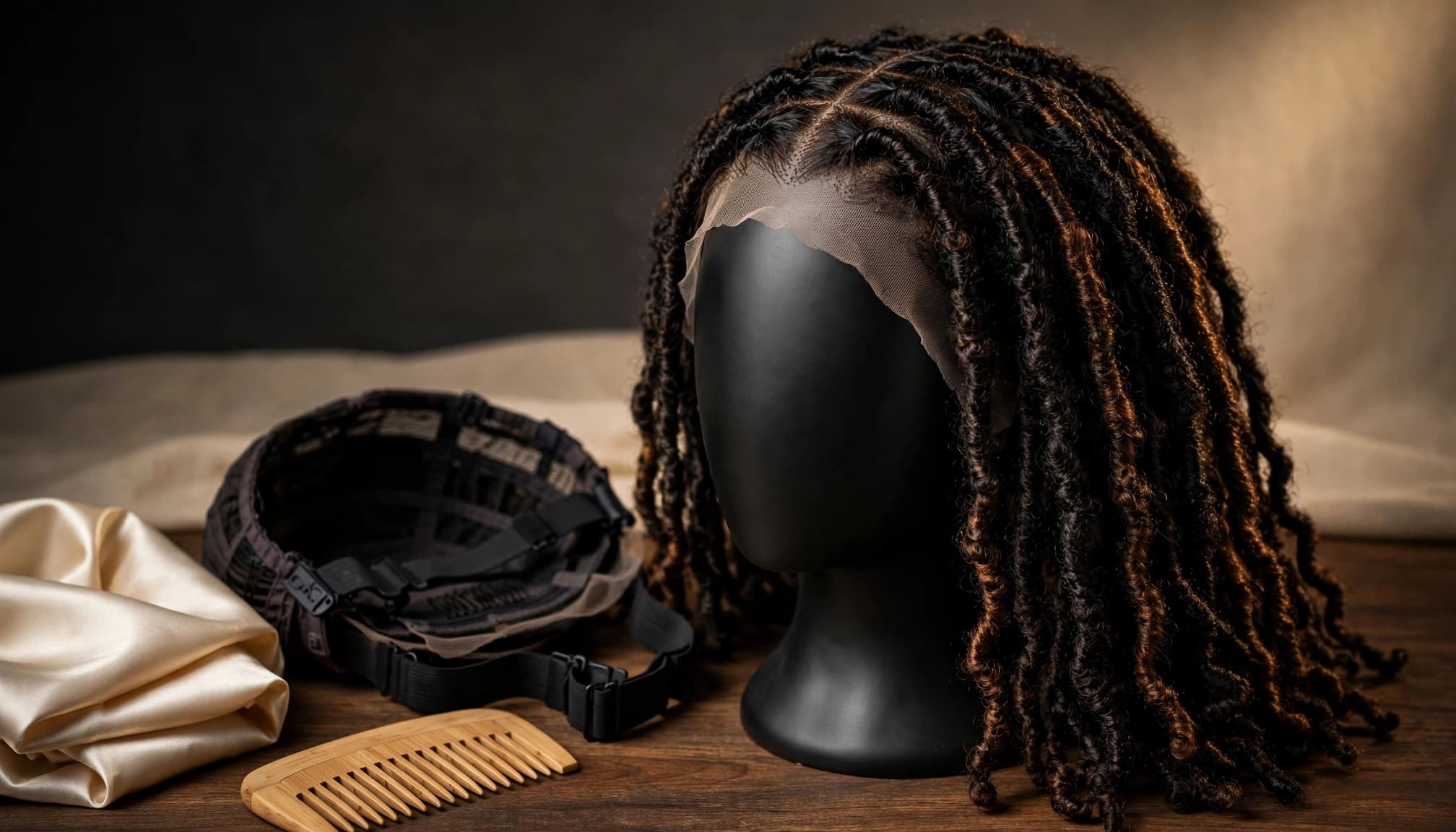
Place the wig on a stand or mannequin head when possible. This helps preserve the part, loc direction, and overall shape. Keep it away from direct sunlight, radiators, and humid bathroom areas.
For travel, cover the locs with a satin or silk scarf and place the wig in a roomy bag. Avoid crushing a long style into a small container, since compressed locs may need more reshaping later.
With proper storage and care, lifespan still varies by fiber, construction, wear frequency, and handling. BreastCancer.org gives a general estimate of three to five months for synthetic wigs and nine months to a year for human-hair wigs, but those figures aren't guarantees for every style.
Shop Dreadlock Wigs
-
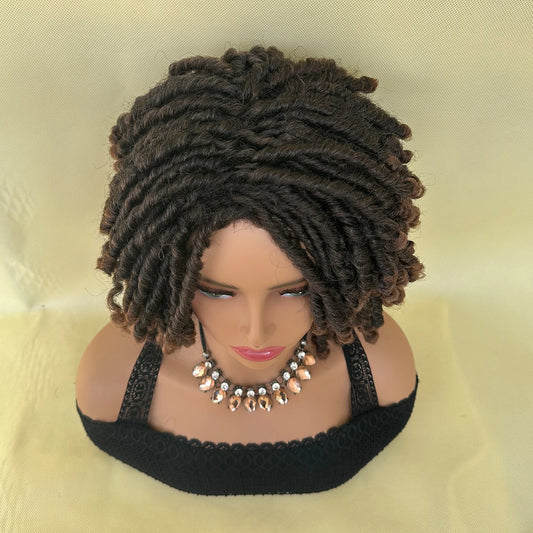
Short Goddess Faux Locs Wig | Brown Highlight Crochet Dreadlock Wig
Regular price From $158.00 USDRegular price$190.00 USDSale price From $158.00 USDSale -
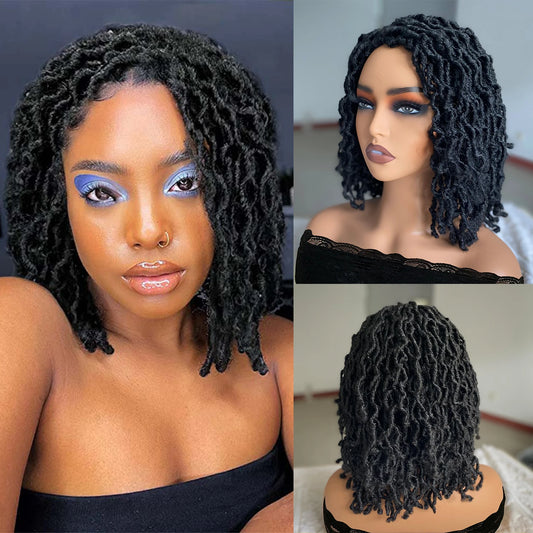
Afro Bob Faux Locs Wig | Short Dreadlock Twist Braids
Regular price $109.00 USDRegular price$146.00 USDSale price $109.00 USDSale -
10" Braided Bob Wig | Afro Dreadlock Wig | Curly Ends | Synthetic Crochet Wig | Cosplay
Regular price From $96.00 USDRegular price$122.00 USDSale price From $96.00 USDSale -
Faux Locs Crochet Headband Wig - Ombre Brown Synthetic Braided Box Braid & Twist Wig - Medium Length Curly Dreadlocks Headband Wig for Black Women (Daily Use)
Regular price From $183.00 USDRegular price$220.00 USDSale price From $183.00 USDSale -
Nu Faux Locs Dreadlock Wig | Afro Curly | 4 Colours
Regular price From $139.00 USDRegular price$167.00 USDSale price From $139.00 USDSale -
Afro Curly Faux Locs Dreadlock Wig | Crochet Cap | 4 Colours
Regular price From $157.00 USDRegular price$188.00 USDSale price From $157.00 USDSale -
14 Inch Butterfly Locs Dreadlock Wig | Knotless | Lace Front
Regular price $164.00 USDRegular price$197.00 USDSale price $164.00 USDSale -
12 Inch Curly Faux Locs Dreadlock Wig | Machine or Headband Cap
Regular price From $133.00 USDRegular price$160.00 USDSale price From $133.00 USDSale





Protect your scalp while wearing loc wigs
A wig can reduce styling time, but it shouldn't cause ongoing pain or tension. The American Academy of Dermatology explains that tight hairstyles and repeated stress on the scalp can contribute to traction alopecia. Its guidance on hairstyles that pull is useful when you regularly wear wigs, braids, or other tension styles.
Keep the base flat and comfortable
Prepare your natural hair in a low-tension style. Flat twists, loose cornrows, or a gentle wrap may create a smoother base than a tight ponytail. Your scalp should feel comfortable before the wig goes on.
If the wig feels tight after a short period, loosen the straps or try a different cap size. Headaches, soreness, tenderness, or irritation mean the fit needs attention.
Give your scalp breaks
Remove the wig before sleeping unless the manufacturer gives different instructions for that specific design. Clean the scalp and wig cap regularly, especially after exercise or hot weather.
Also, don't treat a wig as a guarantee against hair loss. The medical review on traction alopecia and scalp tension connects risk with repeated pulling from styles such as tight buns, ponytails, and attached weaves. Gentle preparation and regular breaks matter.
Statement-style ideas for different occasions
A loc wig can look polished without being styled the same way every time. Small changes in placement, accessories, and makeup can shift the overall effect.
Everyday polished looks
A short loc bob works well with button-down shirts, knitwear, and simple jewelry. Keep the part clean and let the ends fall naturally. A neutral wig shade can become a reliable alternative to daily heat styling.
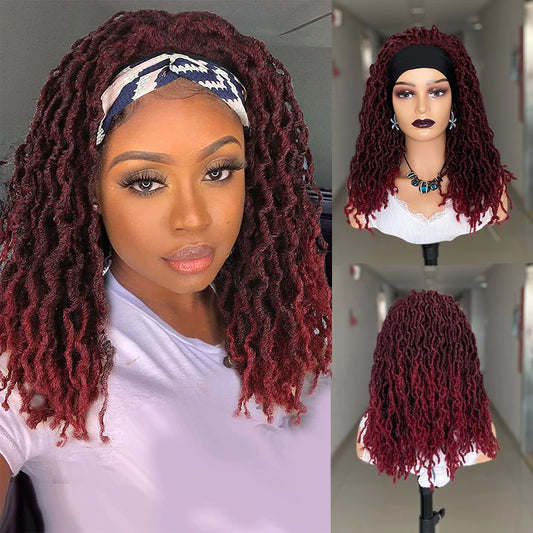
For a casual look, choose medium-length faux locs and sweep them to one side. A fabric headband can add color while helping keep the front neat, provided it doesn't create pressure around the hairline.
Bold occasion looks
Long goddess locs or highlighted faux locs can support an evening outfit without much extra work. Luxegan's 13x4 goddess faux locs wig is listed with a 13x4 lace frontal and long faux loc construction.
For a dramatic finish, gather some locs loosely to one side or add a few lightweight accessories. Avoid heavy clips that pull on individual locs or the wig's lace.
Key takeaways for shopping smarter
Before choosing a loc wig, focus on the features that affect real wear:
- Pick the length and density you can comfortably carry for several hours.
- Check cap measurements, adjustable straps, lace construction, and comb placement.
- Choose synthetic fiber for set-it-and-wear-it convenience, or human hair for greater styling flexibility.
- Treat heat resistance as a product-specific feature, not a standard feature of every synthetic wig.
- Store the wig on a stand or in a spacious protective bag.
- Remove the wig when your scalp feels sore, tight, or irritated.
- Match color and loc pattern to the settings where you'll wear it most.
Dreadlock wigs FAQ
Are dreadlock wigs suitable for beginners?
Yes, especially styles with adjustable straps, a defined part, and a simple cap design. Beginners should start with a manageable length and avoid choosing a very dense or heavy wig solely because it looks impressive online.
How can I make a loc wig look more realistic?
Place the hairline carefully, flatten your natural hair underneath, and choose a part that works with the wig's construction. Lace-front or full-lace designs may offer more flexibility, but realistic results also depend on color matching and proper fit.
Can I wear a synthetic loc wig in hot weather?
You can wear one in warm weather, but long and dense locs may feel hot around the neck and scalp. Choose a lighter style, wear it for shorter periods, and remove it after sweating. Never use hot tools unless the product specifically permits heat.
How often should I wash a loc wig?
There isn't one schedule for every wig. Wash it when it has buildup, odor, or visible dirt, and follow the manufacturer's instructions first. Locs can take time to dry, so avoid wearing the wig again until the interior and fibers are fully dry.
Will a loc wig damage my edges?
The wig itself isn't automatically damaging, but a tight cap, combs, adhesive, or tightly prepared natural hair can place stress on the hairline. A comfortable fit, low-tension foundation, and regular breaks reduce unnecessary pulling.
Conclusion
Dreadlock wigs make statement styling easier because the texture and shape are already built into the design. The strongest choice is the one that matches your preferred length, comfort level, maintenance routine, and styling goals.
Start with fit and weight, then compare fiber, lace, color, and loc pattern. When the wig feels secure without pressure and receives gentle care between wears, bold loc styling can stay practical as well as expressive.