

Why Does Braiding Hair Make Your Scalp Itch?
Braids can leave your scalp itchy when they're too tight or trap sweat and product buildup. Synthetic extensions and dryness can also make your scalp itch. Painful braids need loosening or removal, rather than another layer of scalp oil.
Mild itching may improve with gentle cleansing, but severe pain, sores, swelling, or persistent irritation shouldn't be ignored. Start by considering the hair and installation, then adjust your scalp-care routine.
Key Takeaways
- Tight tension, sweat and product buildup, dryness, and irritation from synthetic extensions can make braids itch. Itching alone can't tell you whether the cause is irritation or an allergic reaction.
- Wash your scalp every one to two weeks with diluted gentle shampoo, dry your braid roots completely, use lightweight products sparingly, and avoid scratching.
- Loosen or remove painful braids promptly. The American Academy of Dermatology recommends wearing braids for no longer than six to eight weeks.
- Get medical advice for persistent itching, sores, swelling, pus, severe pain, or new hairline thinning. Trouble breathing or swelling of the lips or tongue needs urgent care.
Before Installation: Reduce Common Triggers
Understand irritation from synthetic hair
Synthetic extensions, including X-Pression products made with Kanekalon, can cause irritant contact dermatitis. Itching alone can't tell you whether you're experiencing irritation or an allergic reaction.
An alkaline coating, often described as "alkaline lye," is commonly blamed for itching and redness. The exact trigger isn't established across all products. Feme says X-Pression uses Kanekalon fibre and denies adding chemicals after production. That statement applies to X-Pression, not all synthetic hair products. Counterfeit hair has also been suggested as an explanation, but that's not a confirmed cause.
A common preparation method is soaking uninstalled synthetic hair in one part apple cider vinegar to three parts hot water for about 15 minutes. This aims to remove alkaline residue, but evidence that it prevents itching is limited. Rinse thoroughly and dry before installation. Keep hot water and vinegar off your scalp. If symptoms persist after avoiding the suspected trigger, consult a dermatologist.
Keep tension and added weight low
Tight braids pull on hair follicles. That strain can cause soreness, redness, bumps, and early traction alopecia, a form of hair loss caused by repeated pulling.
Speak up during installation if you feel pain, particularly around your edges. Ask the braider to loosen or redo painful sections immediately.
Shorter, lighter extensions reduce added weight. Human-hair options in our hair bundles for braiding avoid synthetic fibres, but they can still stress follicles when installed tightly.
How to Relieve an Itchy Scalp With Braids
Wash away sweat and product buildup
Sweat, natural sebum, and styling gels collect between washes. Over time, that buildup can clog follicle openings and irritate the scalp. Adding more products or scalp oil over that residue may worsen itching.
Wash your scalp every one to two weeks, adjusting for heavy sweating and your scalp's needs. Dilute a gentle shampoo with water for easier application along the parts. Massage lightly with your fingertips, then rinse thoroughly.
Dry your scalp and braid roots completely. Dense extensions can stay damp long after the outside feels dry, so allow enough drying time before covering them.
Soothe dryness without scratching
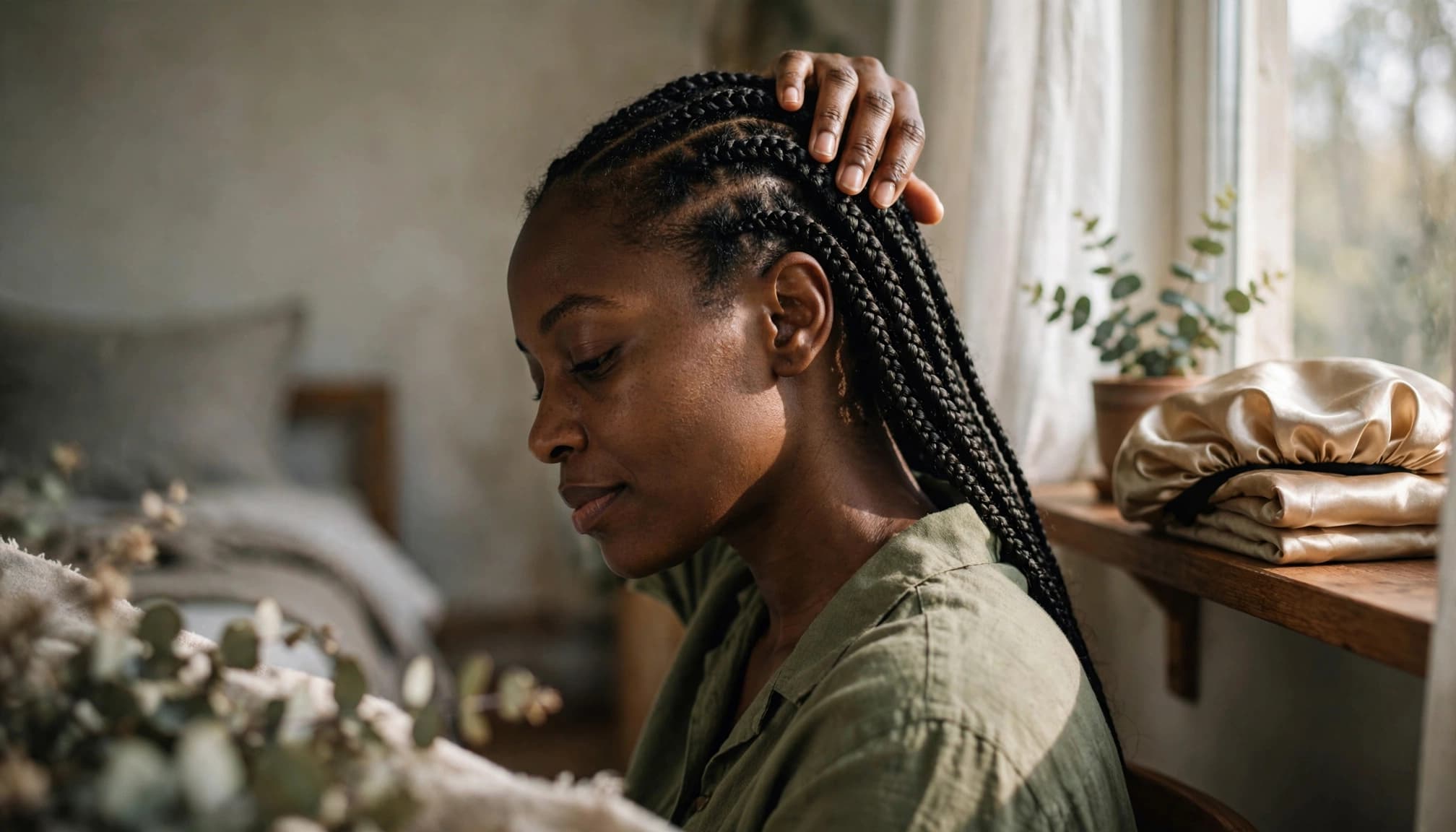
For dry scalp, apply a small amount of lightweight jojoba oil along the scalp and parts. Use scalp oil sparingly, and avoid heavy pomades and greases, which hold onto dirt and buildup.
Tea tree oil can irritate skin, so don't apply undiluted tea tree oil. Choose a properly formulated, diluted product instead. Patch-test new products and stop if they sting or worsen redness. Undiluted rosemary oil and peppermint oil aren't safe shortcuts, either. If irritation persists after you stop using a new product, consult a dermatologist.
Press or tap itchy spots gently with clean fingertips instead of scratching. Avoid scratching with your nails, comb tails, or other sharp objects.
At night, wear a clean satin scarf or satin bonnet to reduce lint and pillow friction.
Shop Best Sellers
-
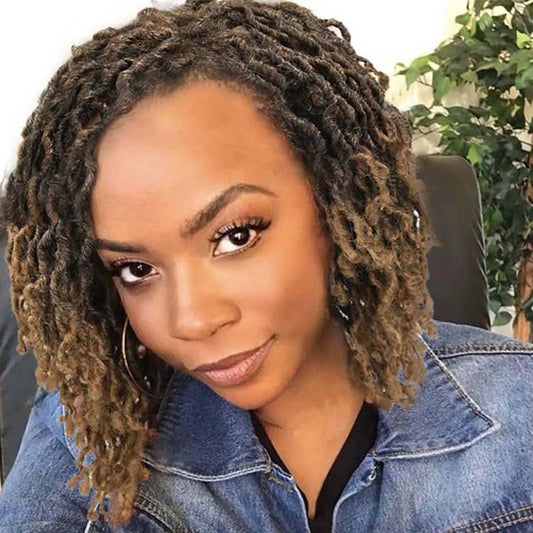
Short Goddess Faux Locs Wig | Brown Highlight Crochet Dreadlock Wig
Regular price From $158.00 USDRegular price$190.00 USDSale price From $158.00 USDSale -
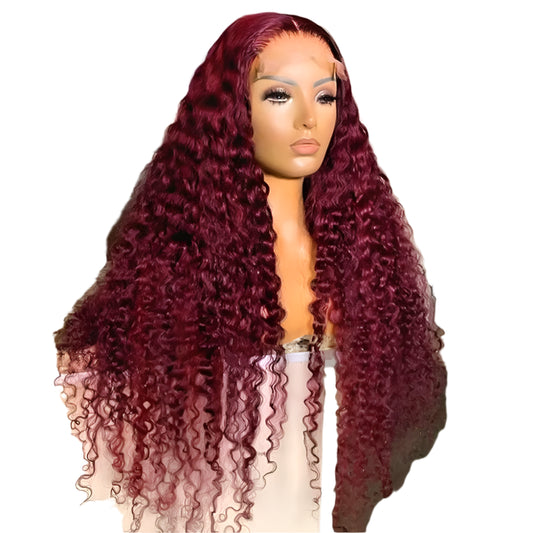
30 Inch Burgundy 99J Curly Human Hair Wig | 13x6 Lace Frontal | 200% Density
Regular price From $257.00 USDRegular price$0.00 USDSale price From $257.00 USD -
12A Deep Wave Remy Human Hair Bundles | 30 to 32 Inch Weft Extensions
Regular price $364.00 USDRegular price$0.00 USDSale price $364.00 USD -
#350 Knotless Box Braids Wig | Short Lace Frontal Bob | Dark Ombre Ginger
Regular price $262.50 USDRegular price$0.00 USDSale price $262.50 USD -
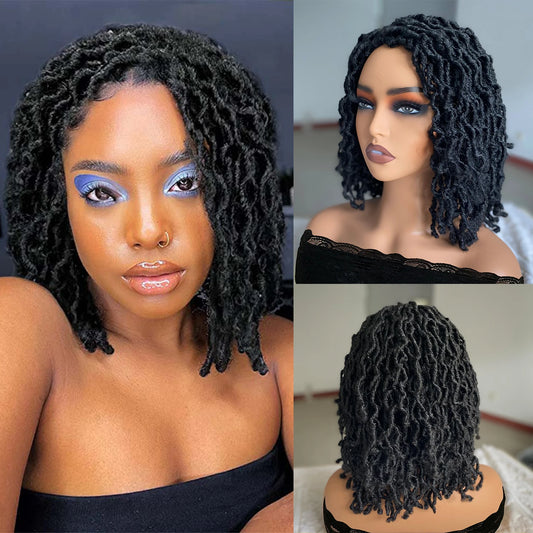
Short Afro Faux Dreads Wig | Synthetic Braided Wig for Men and Women
Regular price $90.00 USDRegular price$120.00 USDSale price $90.00 USDSale -
12A Raw Vietnamese Bouncy Wave Wig | 13x4 Lace Frontal | 250% Density
Regular price From $242.00 USDRegular price$0.00 USDSale price From $242.00 USD -
Men's Wingtip Derby Shoes | Genuine Leather Colour Block Lace-Ups
Regular price $263.00 USDRegular price$301.00 USDSale price $263.00 USDSale -
Brazilian Human Hair 13x4 Lace Front Wig | Glueless, Pre-Plucked with Baby Hair
Regular price From $99.00 USDRegular price$132.00 USDSale price From $99.00 USDSale





When to Remove Braids or Get Medical Help
The American Academy of Dermatology's braid guidance recommends wearing braids for no longer than six to eight weeks and removing painful styles immediately. Six to eight weeks is a maximum, not a reason to tolerate discomfort.
Loosen or remove braids promptly if pain or pulling continues. If itching persists despite gentle cleansing, stop adding products and consider removing the extensions, especially if symptoms began soon after installation.
These symptoms need medical attention:
- A rash, swelling, sores, crusts, or oozing develops on the scalp or forehead.
- Bumps keep spreading, become painful, or contain pus.
- Severe pain, persistent itching, or new thinning appears around the hairline.
A dermatologist can assess the cause. Seek urgent care for trouble breathing or swelling of the lips or tongue.
Avoid scratching open sores or applying vinegar and essential oils to broken skin while waiting for care.
Common Questions About Itchy Braids
Why do my braids itch even after washing?
Washing removes sweat and residue, but it won't correct tight tension or ongoing contact irritation. Dandruff and other scalp conditions can also persist beneath braids.
If washing makes your scalp itch more, your shampoo or another product may be irritating your skin. Stop using newly introduced products and seek medical advice if symptoms persist. Avoid scratching, which can further irritate your scalp. Repeated scrubbing can also damage irritated skin.
Can I braid my hair if I have alopecia?
It depends on the cause and condition of your scalp. If you have traction-related hair loss or fragile edges, tight braids and heavy extensions can worsen the damage.
A dermatologist can advise whether braiding is appropriate for you. Avoid braiding over inflamed, painful, or actively thinning areas. There's no universal minimum hair length that makes a painful installation safe.
Comfortable Braids Start With a Healthy Scalp
An itchy scalp with braids deserves attention, especially when itching comes with pain or visible skin changes. Gentle washing and light products can help with buildup and dryness, but they won't fix excessive tension.
Keep comfort as your baseline. Loosen painful braids promptly, and get persistent itching, sores, or swelling assessed rather than covering symptoms with more products.