

How to Prepare Natural Hair for Sew-In Extensions
A sew-in can change your look without changing your natural texture, but the comfort of the finished style depends on the foundation underneath. If you're planning a natural hair sew in, tailor your preparation to your hair's condition and your stylist's installation method.
Clean, gently detangled, fully dry hair gives your stylist a better starting point. A comfortable braid foundation matters just as much, so avoid rushing or using heat and tension to force your hair into shape.
Key Takeaways
- Ask your stylist how to prepare for their specific braid pattern and installation method.
- Detangle patiently, starting at the ends and working toward the roots.
- Make sure your hair is fully dry before braiding.
- Avoid tight braids, forceful brushing, and excessive heat.
- Tell your stylist about scalp sensitivity, thinning, breakage, or other hair concerns before the appointment.
For a Natural Hair Sew In, Start With a Scalp and Strand Check
Your preparation should begin with an honest look at your scalp and hair, not with a standard routine copied from someone else. Hair that feels strong and comfortable may need different handling from hair that is dry, fragile, or recovering from a previous style.
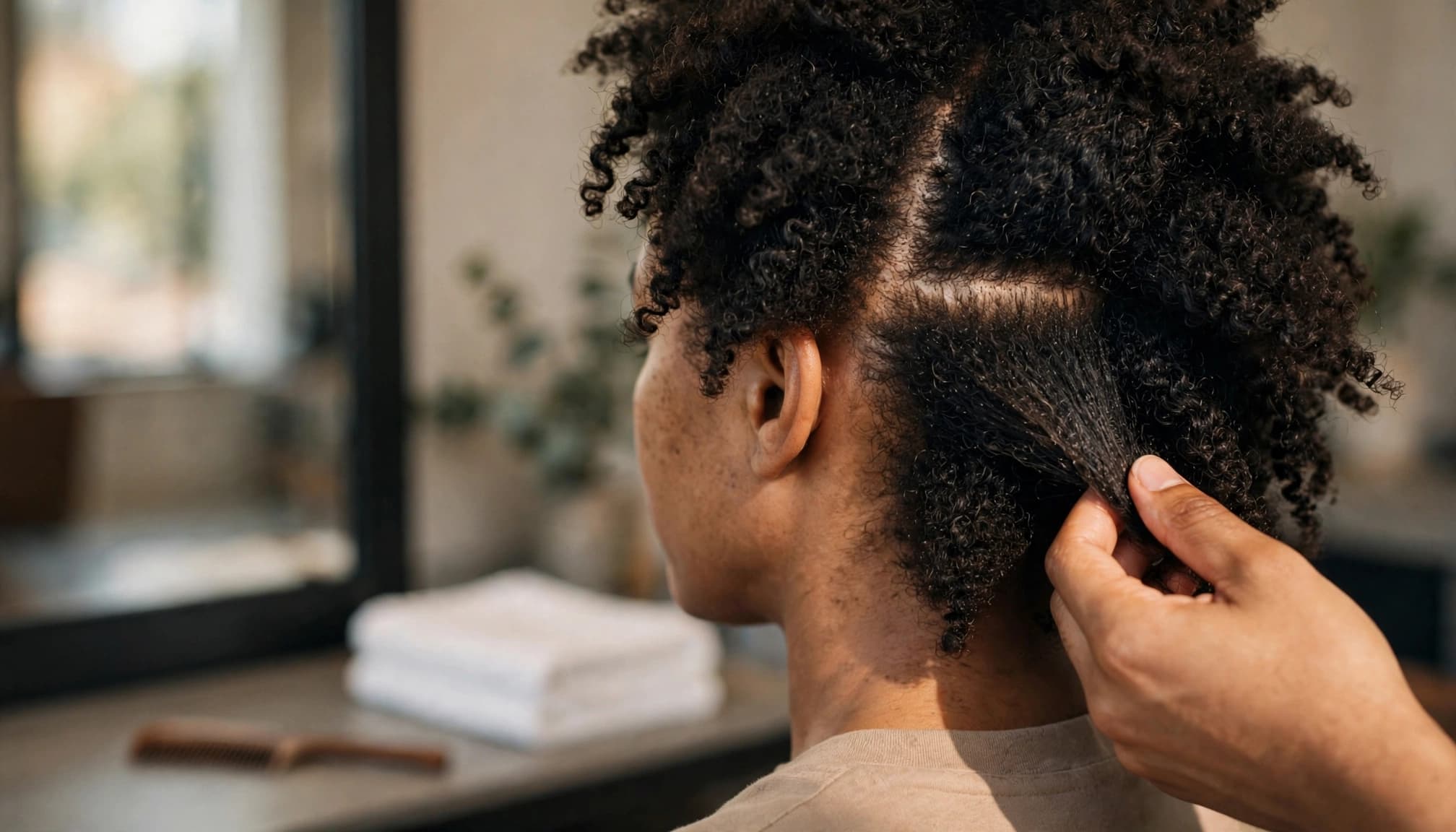
Check for discomfort or damage
Look for tender spots, itching, flaking, redness, unusual shedding, or short broken hairs around your edges. These signs don't automatically rule out a sew-in, but they matter when choosing an installation method and deciding how much tension your hair can tolerate.
If your scalp is irritated or you notice unexplained hair loss, discuss it with a dermatologist before adding extensions. The American Academy of Dermatology explains that repeated pulling from tight hairstyles can lead to traction alopecia. Its guidance on hairstyles that pull also advises keeping cornrows loose.
Tell your stylist what you notice
Mention scalp concerns, recent breakage, chemical services, or areas that feel especially tender before the appointment. Be clear about styles or braids that have caused discomfort in the past. Your stylist can use that information to adjust the braid pattern, the size of the sections, or the overall installation plan.
Don't wait until the braids are finished to speak up. If a part feels painful or your scalp pulls during preparation, say so right away. Pain isn't a sign that the foundation is secure.
Wash and Fully Dry Your Hair Before Braiding
A clean scalp and hair make it easier to begin the installation on a fresh foundation. Wash according to your usual hair-care needs, and follow your stylist's directions if they have a specific preparation process. The American Academy of Dermatology advises keeping a weave clean and washing as often as your hair type needs.
Cleanse without rough handling
Work through your hair gently while washing. Avoid piling, scrubbing, or twisting it into a tight knot, since those motions can create tangles that take extra pulling to remove. If your hair tangles easily, handle it in manageable sections and use a conditioner that suits your usual routine.
Rinse thoroughly, then remove excess water with a towel by pressing and squeezing rather than rubbing. Your hair doesn't need an unfamiliar treatment or a heavy coating of products before the appointment. If you're unsure whether to use a leave-in conditioner or oil, ask your stylist, since products can affect how they prepare the hair.
Dry completely before the braid-down
Never braid damp hair for a sew-in. Allow enough time for the roots and the full length to dry, including dense sections near the nape and crown. Air-drying is an option when your schedule allows; if you use a blow-dryer, choose a comfortable heat setting and avoid repeated passes over the same section.
The goal is dry hair, not hair stretched as straight as possible. Your stylist can work with your natural texture or discuss a gentle stretching method that suits your hair. Avoid high heat or forceful brushing to make the hair look longer before the appointment.
Detangle Gently and Keep Your Routine Familiar
Detangling should remove knots without making your scalp sore or thinning the ends. Use a method you already know works for your texture, and slow down when a section catches. A rushed detangling session can leave the hair irritated before the stylist even starts.
Work from the ends toward the roots
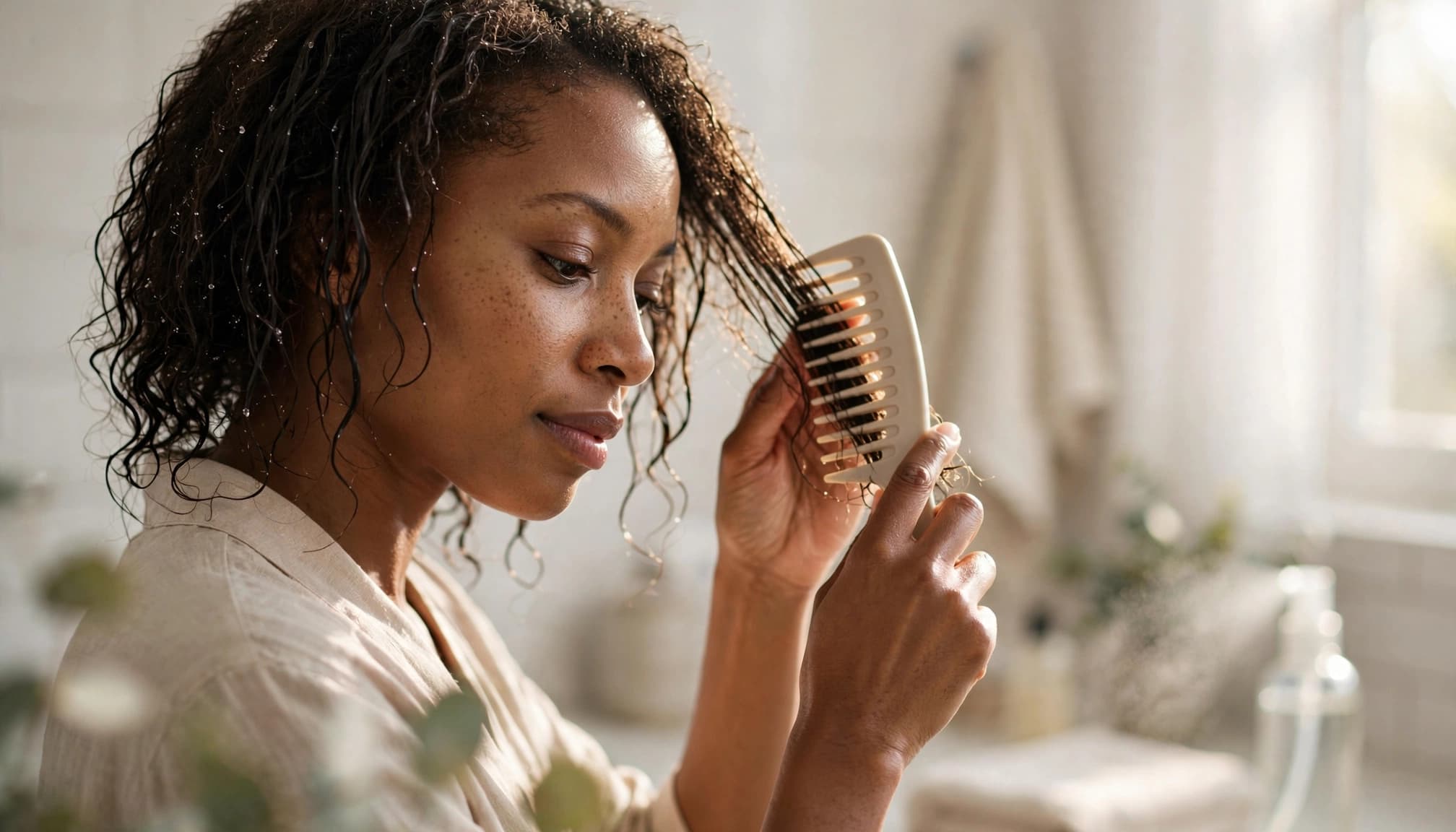
Divide your hair into sections that feel easy to manage. With fingers or a wide-tooth comb, loosen knots at the ends first, then move upward in small steps. Hold the section above the knot to reduce pulling at the roots.
If a knot won't release, add a little water or your usual detangling product and ease it apart. Don't rake a comb from scalp to ends through a tangled section. Take breaks as needed, especially if your hair is dense or your arms tire.
Avoid last-minute heat and tension
Some people like to stretch their hair before a braid-down, while others prefer to arrive with their natural texture. The right choice depends on your hair and your stylist's method. Ask first, particularly if your hair is heat-sensitive or has signs of damage.
If stretching is part of your plan, keep it gentle and use as little heat as you can. Skip repeated flat-iron passes or tight ponytails meant to hold the hair in place. A stylist can work with texture; forcing the hair to behave differently can add avoidable stress.
Choose an Installation Method With Your Stylist
A sew-in isn't one fixed technique. The braid foundation, leave-out, closure, and placement of the wefts can vary, so your at-home preparation needs to match the appointment you booked.
Discuss the braid pattern and leave-out
Ask whether your stylist wants you to arrive with hair washed and detangled, or whether they prefer to handle some preparation themselves. Confirm whether the style includes leave-out, a closure, or another finishing option. These choices affect which areas need to be available and how the hair is braided.
Also discuss the braid pattern before deciding to stretch your hair. A pattern that works well for one style may not fit another, and the stylist should account for your texture, density, scalp comfort, and the look you want.
Speak up about tension
The foundation should feel secure without causing pain. The AAD recommends sewn-in weaves rather than bonding-glue weaves, and it cautions against tight cornrows. Its advice on preventing damage from weaves and extensions explains that tight hairstyles can cause traction alopecia.
Tell your stylist if the braids pull, sting, or cause a headache during installation. Don't assume discomfort will fade after you leave. A stylist can loosen or adjust the foundation before adding the extensions.
Shop Hair Bundles
-
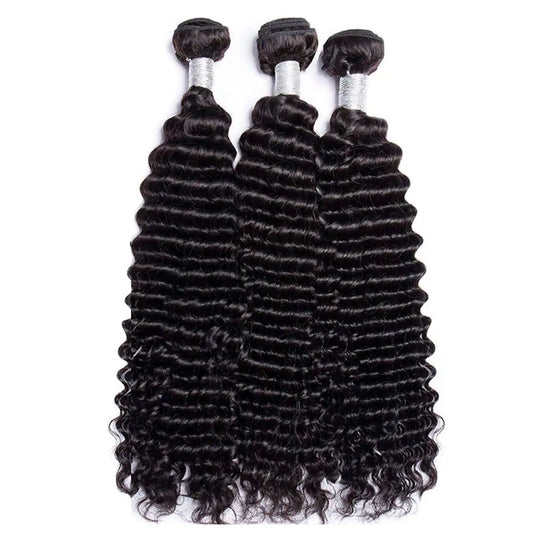
12A Deep Wave Remy Human Hair Bundles | 30 to 32 Inch Weft Extensions
Regular price $364.00 USDRegular price$0.00 USDSale price $364.00 USD -
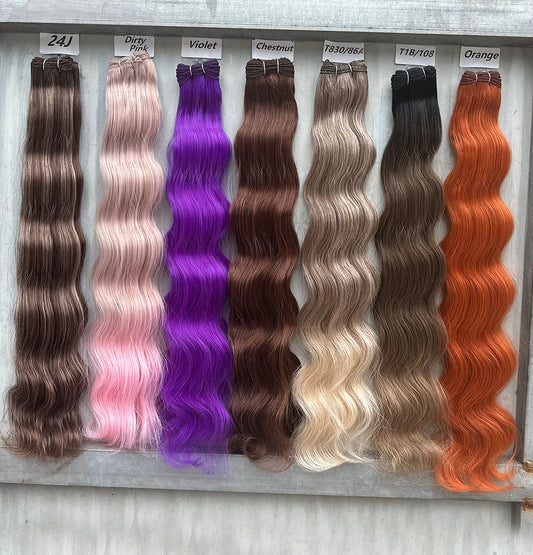
High-Temperature Synthetic Body Wave Hair Extensions – 26 & 30 Inch | Piano & Ombre Colors | 150g–200g Bundle
Regular price From $70.00 USDRegular price$93.00 USDSale price From $70.00 USDSale -

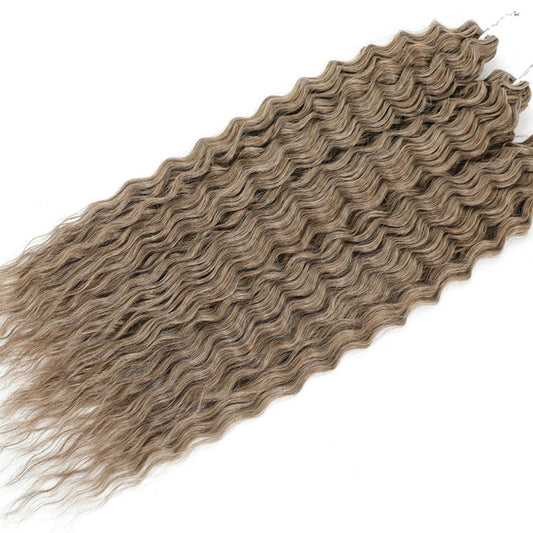
22 Inch Deep Water Wave Crochet Braids – 3 Pcs 300g Bio-Protein Synthetic Hair Bundles for Women
Regular price $119.00 USDRegular price$159.00 USDSale price $119.00 USDSale -
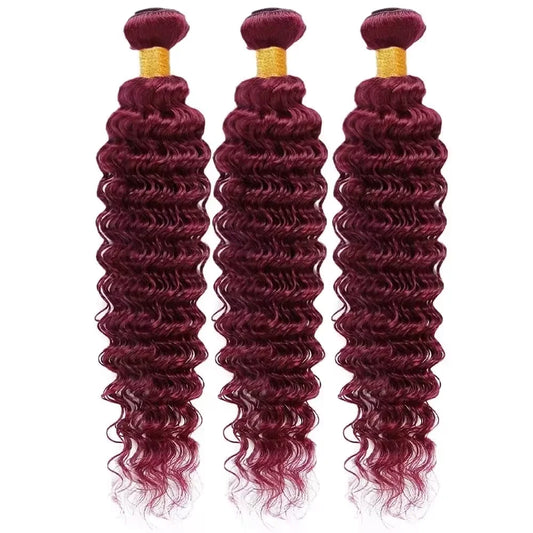
#99J Deep Wave Brazilian Virgin Human Hair Bundles | Burgundy Remy Hair Weave | 16–30 Inch
Regular price $244.00 USDRegular price$279.00 USDSale price $244.00 USDSale -

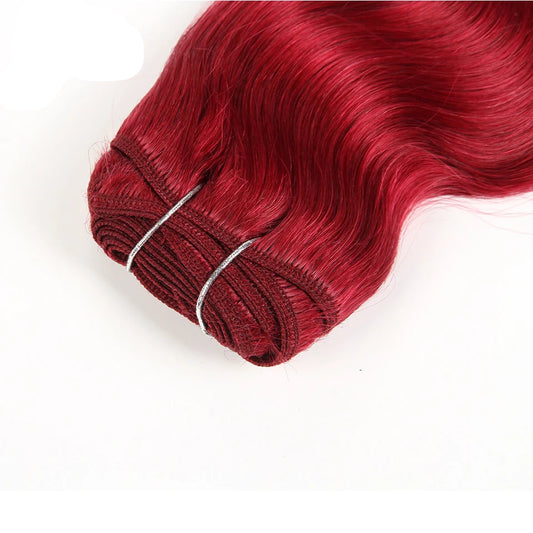
Brazilian Natural Body Wave Remy Human Hair Bundle | Colored #27 #30 #99J Burgundy | 10–22 Inch
Regular price From $80.00 USDRegular price$107.00 USDSale price From $80.00 USDSale -
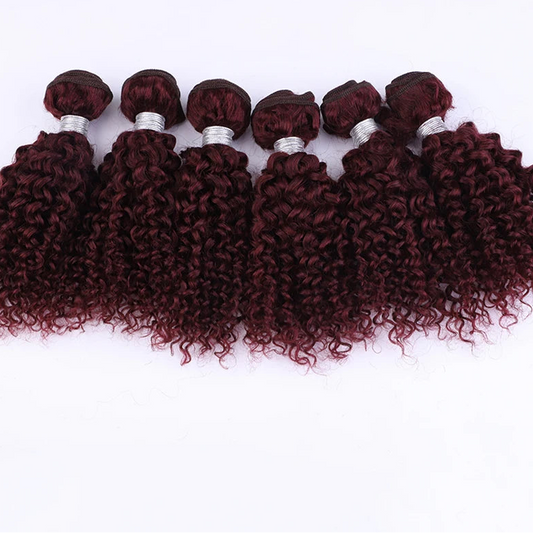
Brazilian Kinky Curly Human Hair Bundles | 100% Remy Jerry Curly Extensions 6Pcs 99J
Regular price $131.00 USDRegular price$158.00 USDSale price $131.00 USDSale -
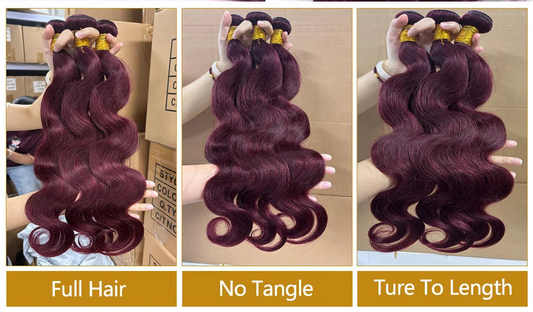
Burgundy Body Wave Human Hair Bundles – 99J Red Colored Brazilian Remy Hair
Regular price From $129.00 USDRegular price$0.00 USDSale price From $129.00 USD -
Brazilian Curly Hair 4 Bundles – Short Double Drawn Remy Human Hair Weave (5 5 6 7 Inch) for Black Women
Regular price From $131.00 USDRegular price$157.00 USDSale price From $131.00 USDSale








Select Extensions That Work With Your Desired Style
The extension texture and length influence the finished look, while your natural hair needs a comfortable base beneath them. Consider how much blending, leave-out, or maintenance the style will require before choosing bundles.
Match texture and finish
Think about the result you want: straight, body wave, or another texture. A texture close to your own can make blending more straightforward, while a contrasting finish may need more styling. Talk through how the bundles will look with your natural hair and what upkeep the finished style requires.
For example, Peruvian body wave hair bundles offer a wave pattern, while Brazilian straight sew-in hair extensions have a straight finish. Consider the listed length and texture with your stylist before ordering.
Ask what to bring
Confirm how many bundles your stylist recommends for your selected length and desired fullness. The right amount can depend on the style, hair density, and weft placement, so don't rely on a general rule from a different look.
Check whether you need to bring extensions, a closure, or any specific products. If you already have bundles, show the stylist what you plan to use before installation day. That gives them a chance to confirm whether the texture and amount fit the style you discussed.
Make the Appointment Easier on Your Hair
The day-of routine should keep your hair manageable without adding extra strain. Leave enough time to arrive with dry, detangled hair, and bring up any changes in your scalp or strands since your consultation.
Keep the foundation clean and simple
Avoid adding new products right before the appointment, especially if you don't know how they behave on your hair. A stylist may need to part and handle the roots, so heavy buildup can complicate the work. Follow the preparation instructions you agreed on rather than layering multiple treatments at the last minute.
Bring a photo of the style you want if it helps clarify the length, part, and finish. Then confirm the braid plan and tension before installation begins. This simple conversation helps make sure you and the stylist have the same expectations.
Speak up during the install
Check in when the stylist braids your hair and begins adding wefts. Say something if a section feels too tight or your scalp starts to hurt. You can also ask for a pause if you need one.
A comfortable style matters more than holding on to a particular braid pattern or part. If your scalp feels strained, address it before the stylist finishes. Early adjustments can prevent continued pulling after you leave the salon.
Plan for Scalp Care After the Sew-In
Preparation includes thinking about how you'll care for the style once it's installed. Ask your stylist how to keep the scalp clean, how to dry your hair after washing, and what products are appropriate for the installation. The AAD recommends washing a weave as often as needed for your hair type, rather than neglecting scalp care while wearing extensions.
Pay attention to discomfort, bumps, itching, or tenderness after the appointment. Persistent pain or pulling is a reason to contact your stylist and discuss loosening or removing the style. If you notice thinning or ongoing irritation, seek advice from a dermatologist.
The AAD's hair-care recommendations include guidance on braids, weaves, and extensions. Your stylist can help adapt general care advice to your hair texture and the specific installation.
Frequently Asked Questions
Should I arrive with my hair washed?
Ask your stylist first, because preparation varies by method and salon. Many clients wash and detangle at home, but a stylist may prefer to handle part of the process. Whatever you agree on, arrive with hair fully dry before braiding.
Should I stretch natural hair before a sew-in?
Only if your stylist recommends it and it suits your hair. Some installation methods work with natural texture, while others may benefit from gentle stretching. Avoid excessive heat or forceful combing, particularly if your strands are fragile.
How tight should sew-in braids feel?
They should feel secure, not painful. Tight braids can pull on the hair and scalp, and repeated tension can contribute to traction alopecia. Tell your stylist immediately if the braid-down hurts or causes strong pulling.
What if my scalp is already irritated?
Tell your stylist before the appointment and consider checking with a dermatologist, especially if irritation persists or you have unexplained shedding. Don't cover a tender or damaged area without discussing it first. Your comfort and scalp health should guide whether to proceed.
Prepare for Comfort, Not Just the Finished Look
A polished sew-in starts with preparation that suits your own hair, not a one-size-fits-all checklist. Detangle gently, arrive with completely dry hair, and talk openly with your stylist about the method and any scalp concerns.
When the foundation feels comfortable, your style has a better start. Protecting your natural hair begins before the first braid.