
Remy vs Virgin Hair: What Extension Buyers Should Check
The label on a wig or bundle can sound reassuring, but Remy vs virgin hair is not a simple quality contest. The terms describe different things, and a product may meet one description without meeting the other.
Remy describes how the cuticles are collected and aligned. Virgin describes hair that has not been chemically processed. Those qualities can overlap, but neither label alone tells you everything about sourcing, construction, durability, or value. Start by separating the definitions, then assess the actual product listing.
Remy vs virgin hair: the basic difference
Remy describes cuticle alignment
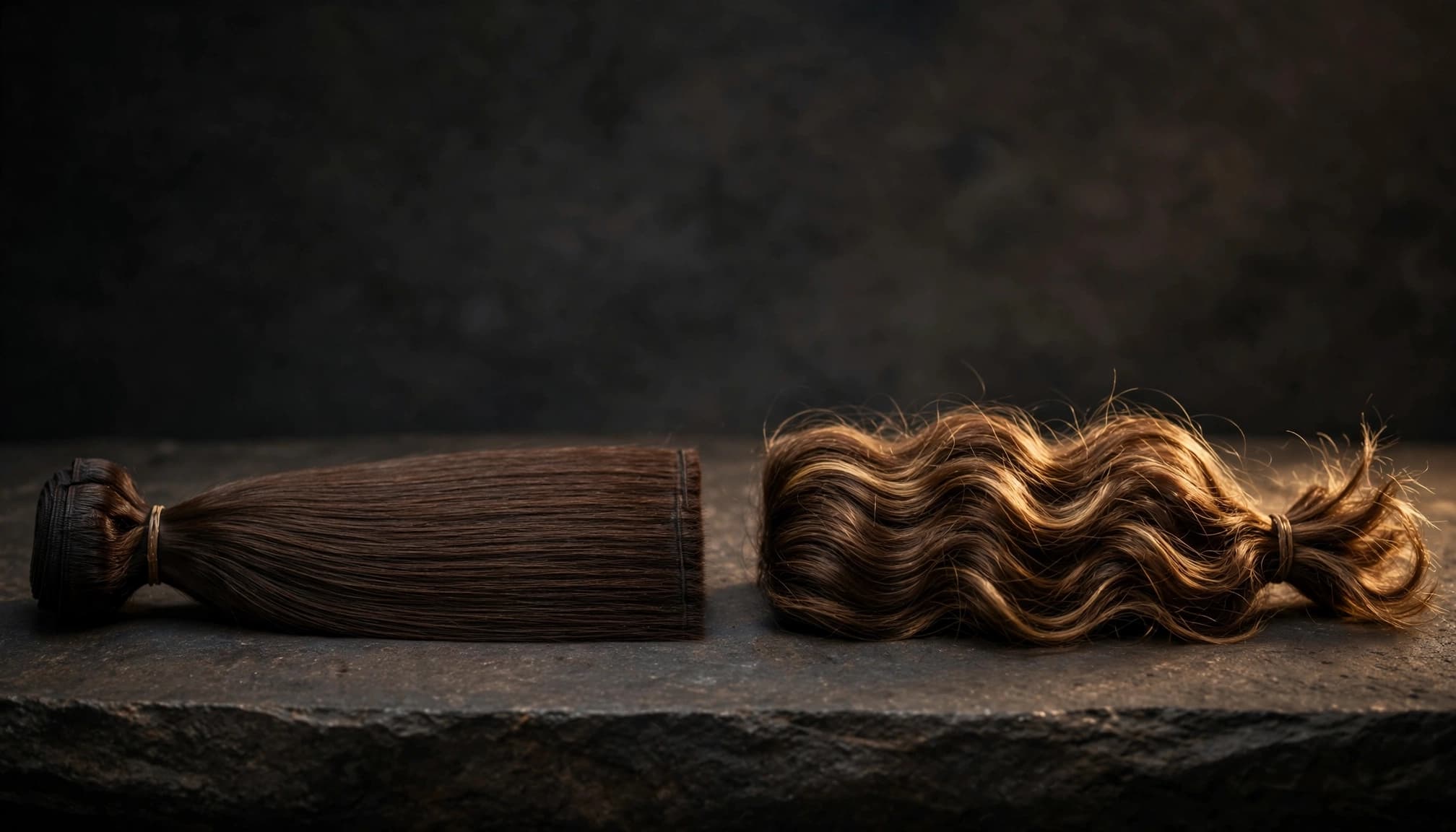
Remy hair has intact cuticles arranged in the same direction, usually with the roots and tips kept consistent. This alignment can help the strands lie more smoothly and may reduce friction between neighboring hairs.
Bellarte Salon describes Remy extensions as hair with cuticles kept intact and aligned from root to tip. Indique's Remy hair overview also connects the term with unbroken natural cuticles that haven't been damaged during processing.
Remy does not automatically mean the hair is virgin. A manufacturer can align cuticles during collection while the hair has still been colored, permed, lifted, or otherwise processed.
Virgin describes processing history
Virgin hair refers to human hair that has not been chemically processed. In practical terms, buyers should expect the hair to have its natural color and texture unless the seller clearly explains otherwise.
That description concerns what has happened to the hair, while Remy concerns how the strands are arranged. A bundle can therefore be both virgin and Remy if it is unprocessed and has aligned cuticles. However, a listing that says only "Remy" doesn't confirm virgin status.
What Remy hair actually tells you
Cuticle direction matters
The outer cuticle layer protects each strand. When cuticles point in mixed directions, neighboring hairs can catch against one another, which may contribute to tangling and a rougher feel. Alignment can support smoother movement, but it doesn't guarantee perfect performance.
A tactile check can offer a useful clue. Coovi Hair suggests running your fingers down a strand and noticing whether it feels smooth in one direction. Treat that test as an observation, not proof that the hair is authentic or high quality.
Cuticles may also be altered or removed during processing. Some manufacturers use treatments to make processed hair feel smooth, so softness alone doesn't prove that the hair is Remy.
Remy does not define every product detail
The Remy label doesn't tell you the hair's origin, length, density, lace type, weft construction, or color history. It also doesn't guarantee that a wig will last for a specific period.
For example, a Luxegan listing describes a 200% density body wave lace front wig with 13x6 and 13x4 lace options, a pre-plucked hairline, and a length of 26 inches or more. Those are product specifications, not automatic features of Remy hair.
Check each claim separately. A Remy wig can have a lightweight cap or a dense cap. It can be straight, wavy, curly, colored, or natural. The label describes only part of the product.
Seller grades call for the same caution: our guide to what 10A human hair means explains why a grade like 10A reflects one seller's own scale, not a universal standard.
What virgin hair actually tells you
Unprocessed hair can retain natural variation
Virgin hair has not been chemically processed, so its original texture and color should remain intact. Natural hair rarely has perfectly uniform movement across every strand. Slight differences in wave pattern, thickness, or tone can be normal.
That variation may appeal to buyers who want an untreated appearance. It can also make matching, coloring, or styling less predictable than with hair that has already been processed for a consistent result.
Virgin hair should not be treated as a promise of flawless quality. Collection methods, sorting, hygiene, density, weft construction, and storage still affect the final product.
Ask what "unprocessed" means
A seller should be able to explain whether the hair has been bleached, dyed, relaxed, permed, coated, or altered with another chemical treatment. If the listing uses "virgin" but shows a bright fashion color, ask how that color was achieved.
Marketing language can vary between sellers. SL Raw's comparison of virgin and Remy hair explains Remy as a cuticle-alignment description, while virgin refers to the hair's lack of processing.
The safest approach is to treat virgin as a claim that needs details. Ask whether the hair has its natural color, whether the cuticles remain intact, and whether the hair has received a coating to change its feel.
Remy, virgin, and human hair are different labels
Sellers sometimes use "100% human hair," "Remy," and "virgin" in the same product title. These terms are related, but they aren't interchangeable.
| Label | Main information it provides | What it does not confirm |
|---|---|---|
| 100% human hair | The material is described as human hair | Cuticle direction, processing history, or construction |
| Remy hair | Cuticles are intended to remain intact and aligned | That the hair is virgin or chemically untreated |
| Virgin hair | Hair is described as chemically unprocessed | That cuticles are aligned or the product is automatically superior |
A marketplace quality guide from Alibaba also separates virgin hair from Remy hair and places both within the broader human-hair category. Treat that as marketplace guidance rather than a universal industry standard.
A product can be labeled Remy without being virgin, and virgin hair is not automatically Remy.
Read the full listing instead of relying on the first phrase in the title. Look for a clear statement about chemical processing, cuticle direction, source, construction, and any color treatment.
How to judge extension quality beyond the label
Inspect the physical construction
A label cannot show whether a wig has a secure weft, even density, clean lace, or a cap that suits your intended wear. Product photos should show the hairline, parting area, ends, cap interior, and attachment points.
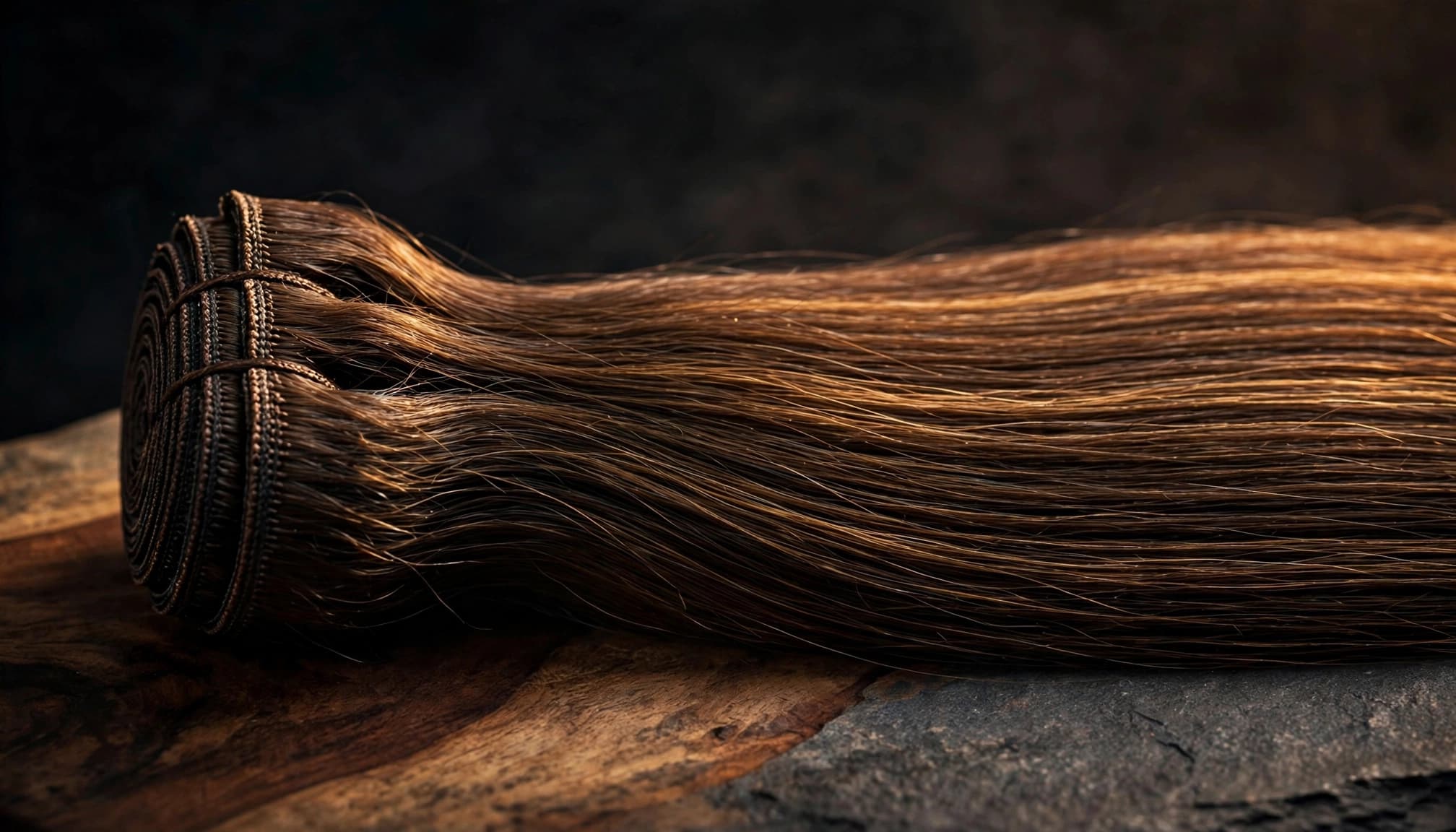
For bundles, look at the weft stitching and whether the hair appears evenly distributed. Sparse ends can affect the finished style even when the top of the bundle looks full. For wigs, check lace dimensions, cap size, adjustable straps, combs, and whether the piece is glueless or adhesive-based.
A 180% density body wave wig is a useful example of why specifications matter. Its listing identifies Brazilian Remy hair, 180% density, pre-plucked baby hairs, and a glueless design. Those details help you judge the item, but they shouldn't be generalized to every Remy wig.
Separate texture, color, and styling claims
Hair that has been colored or chemically altered may need different care than untreated hair. Heat styling can also change how a texture behaves over time. Check whether the seller permits dyeing, lightening, perming, or hot-tool use.
A straight style may offer a polished finish, while a body wave or curl pattern can require more careful detangling. Neither texture is automatically better. The right choice depends on how often you'll wear it and how closely you want to follow the original pattern.
For a straight option, Luxegan's 13x6 bone straight HD lace wig lists a pre-plucked lace frontal and a glueless cap. Consider those construction details alongside the Remy description.
Shop Hair Bundles
-
12A Deep Wave Remy Human Hair Bundles | 30 to 32 Inch Weft Extensions
Regular price $364.00 USDRegular price$0.00 USDSale price $364.00 USD -
High-Temperature Synthetic Body Wave Hair Extensions – 26 & 30 Inch | Piano & Ombre Colors | 150g–200g Bundle
Regular price From $70.00 USDRegular price$93.00 USDSale price From $70.00 USDSale -

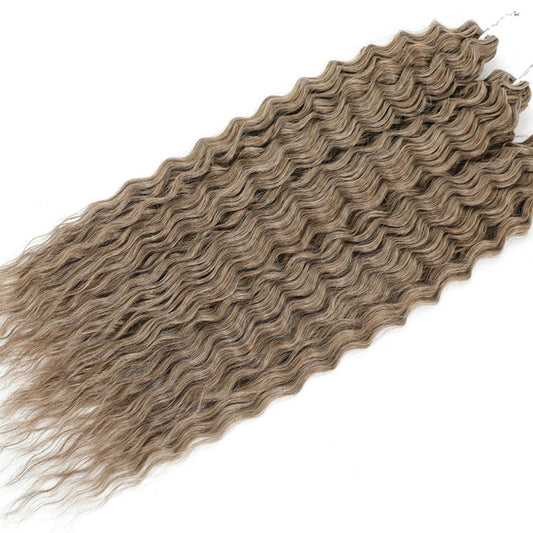
22 Inch Deep Water Wave Crochet Braids – 3 Pcs 300g Bio-Protein Synthetic Hair Bundles for Women
Regular price $119.00 USDRegular price$159.00 USDSale price $119.00 USDSale -
#99J Deep Wave Brazilian Virgin Human Hair Bundles | Burgundy Remy Hair Weave | 16–30 Inch
Regular price $244.00 USDRegular price$279.00 USDSale price $244.00 USDSale -

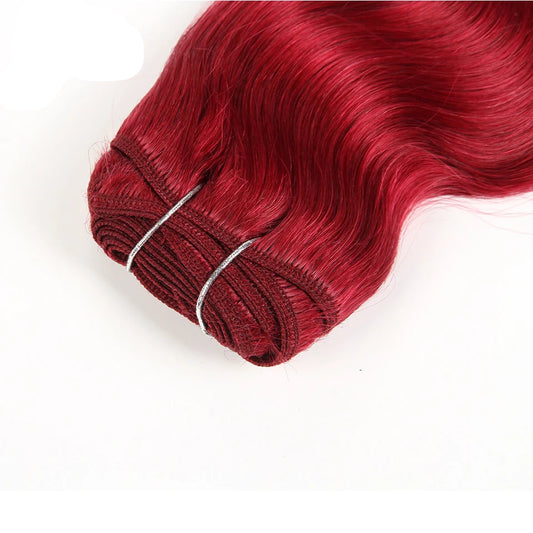
Brazilian Natural Body Wave Remy Human Hair Bundle | Colored #27 #30 #99J Burgundy | 10–22 Inch
Regular price From $80.00 USDRegular price$107.00 USDSale price From $80.00 USDSale -
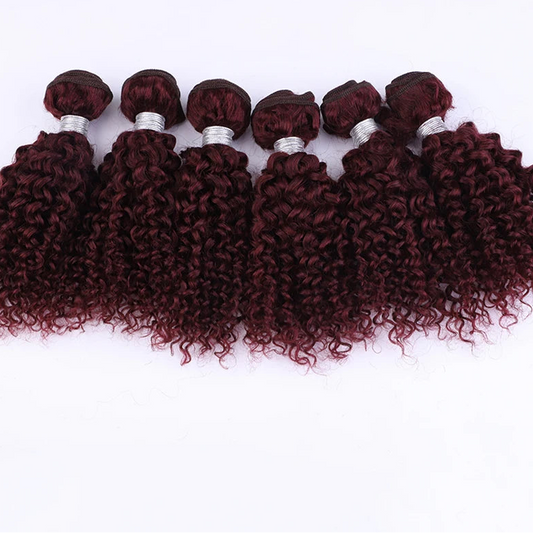
Brazilian Kinky Curly Human Hair Bundles | 100% Remy Jerry Curly Extensions 6Pcs 99J
Regular price $131.00 USDRegular price$158.00 USDSale price $131.00 USDSale -
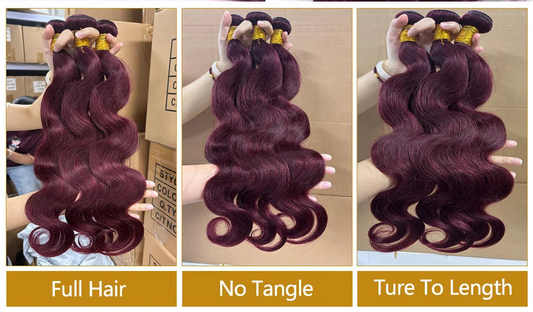
Burgundy Body Wave Human Hair Bundles – 99J Red Colored Brazilian Remy Hair
Regular price From $129.00 USDRegular price$0.00 USDSale price From $129.00 USD -
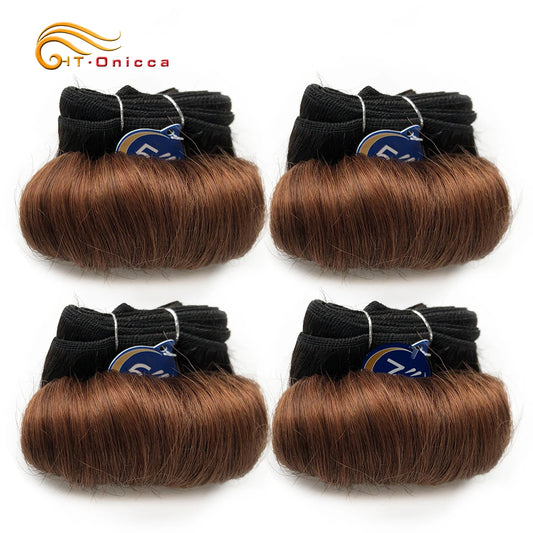
Brazilian Curly Hair 4 Bundles – Short Double Drawn Remy Human Hair Weave (5 5 6 7 Inch) for Black Women
Regular price From $131.00 USDRegular price$157.00 USDSale price From $131.00 USDSale








Which option fits your buying priorities?
Choose based on transparency, not the shortest label
If your main concern is smooth movement and reduced tangling, look for a clear explanation of cuticle alignment, sorting, and processing. Remy may fit that priority, but the seller should explain how the hair was collected and treated.
If you want untreated hair with its natural color and texture, look for a detailed virgin claim. Ask whether the hair has been dyed, bleached, relaxed, permed, or coated. A vague product title isn't enough.
Buyers who want a colored, pre-styled, or ready-to-wear wig may prefer a processed option. The important issue is knowing what processing occurred and whether the care instructions match your routine.
Match the hair to your maintenance habits
A buyer who rarely uses heat may value an untreated texture. Someone who changes styles often may care more about a lace design, cap fit, density, and documented styling limits.
Your installation method matters too. A glueless wig may reduce daily adhesive use, but it still needs careful removal and storage. Bundles installed in a sew-in or other style may have different washing and detangling needs than a removable wig.
Don't pay more for the word virgin unless the rest of the product supports the price. Compare the hair quality, construction, seller policies, and expected care requirements together.
Questions to ask before ordering
Before you buy, send the seller a short list of practical questions:
- Has the hair been dyed, bleached, permed, relaxed, or chemically treated?
- Are the cuticles intact and aligned in one direction?
- Is the texture natural, steam-processed, or created with chemicals?
- What are the actual length, density, lace dimensions, and cap measurements?
- How are the wefts or knots constructed?
- What care products and heat limits does the seller recommend?
- Does the seller accept returns after inspection, and what condition must the item be in?
- Are shedding, tangling, color changes, or texture differences covered by the policy?
Save the product page and policy before ordering. If the seller avoids basic questions about processing or sourcing, choose a listing with clearer information.
Key Takeaways
- Remy describes intact cuticles arranged in the same direction.
- Virgin describes hair that has not been chemically processed.
- Hair can be both Remy and virgin, but the terms are not identical.
- Remy hair is not automatically virgin, and virgin hair is not automatically higher quality.
- Construction, sourcing, processing, seller transparency, returns, and care instructions matter as much as the label.
- Product specifications such as density, lace size, color, and length must be judged separately.
FAQ: Remy vs virgin hair
Is Remy hair better than virgin hair?
Neither label creates an automatic winner. Remy focuses on cuticle alignment, while virgin focuses on chemical processing. A well-sourced, properly constructed Remy wig may suit you better than a vague virgin listing, and a genuinely unprocessed virgin product may suit you better than processed Remy hair.
Can hair be both Remy and virgin?
Yes. Hair can be unprocessed and have cuticles aligned in the same direction. However, the seller should confirm both claims. A product title that says only "virgin Remy" still deserves details about color, treatments, sourcing, and construction.
Does Remy hair tangle less?
Aligned cuticles may help strands move more smoothly, but tangling also depends on processing, texture, installation, friction, moisture, and care. Remy is not a guarantee against tangling or shedding.
Is virgin hair always more expensive?
Not necessarily. Pricing can reflect length, density, lace, cap construction, color, sourcing, brand, and seller policies. The virgin label alone doesn't justify a price unless the seller provides clear information to support it.
Conclusion
Remy and virgin hair answer different buyer questions. Remy concerns cuticle alignment, while virgin concerns whether the hair has been chemically processed.
Use those definitions as a starting point, then inspect the product details and seller policies. The strongest purchase is the one with clear claims, sound construction, and care requirements you can follow, not the one with the most impressive label.