

How to Choose Sew-In Hair Bundles by Texture
The right sew-in can look polished, feel comfortable, and blend naturally, but the texture you choose matters as much as the install. Sew-in hair bundles come in several patterns, and a label like "body wave" doesn't tell you how it will blend with your hair or fit your routine.
Start with your own hair texture and the finish you want to wear most often. Then consider styling time, upkeep, and the weather where you live. These details can help you choose bundles that suit your look without assuming one texture works for everyone.
Key Takeaways
- Compare bundle samples with your natural hair in the condition you plan to wear it, such as stretched, pressed, or curly.
- Straight, body wave, deep wave, kinky straight, and curly bundles create different finishes, and vendors may define those names differently.
- Think about whether you want one consistent everyday style or the option to change your look with heat styling.
- Ask your stylist how the bundle texture will work with your leave-out, closure, or frontal.
- Check the product details and care instructions before you order.
Start With Your Natural Hair Texture
Natural hair changes appearance depending on whether it's freshly washed, stretched, twisted, or pressed. That means a quick glance at your hair's curl pattern may not be enough to decide what will blend best. Consider the look you'll wear most often and compare extensions with your hair in a similar state.
Compare texture in the condition you'll wear
If you plan to leave some of your hair out, bring a photo of your usual finished style to a stylist or compare a sample against your hair when it's styled the same way. Look at the pattern, fullness, and finish. A small difference may be easy to blend with styling, while a larger one could require more heat or daily work.
Also check whether the texture looks consistent from top to bottom. A bundle can appear smooth at the top and show a stronger wave or curl through the lengths. A stylist can help assess how that pattern will sit beside your natural hair.
Plan for leave-out and protective coverage
A sew-in may use leave-out, a closure, or a frontal. With leave-out, your natural hair remains visible along part of the style, so matching texture and finish matters. A closure or frontal covers more of your hair, which changes how much blending you need to do.
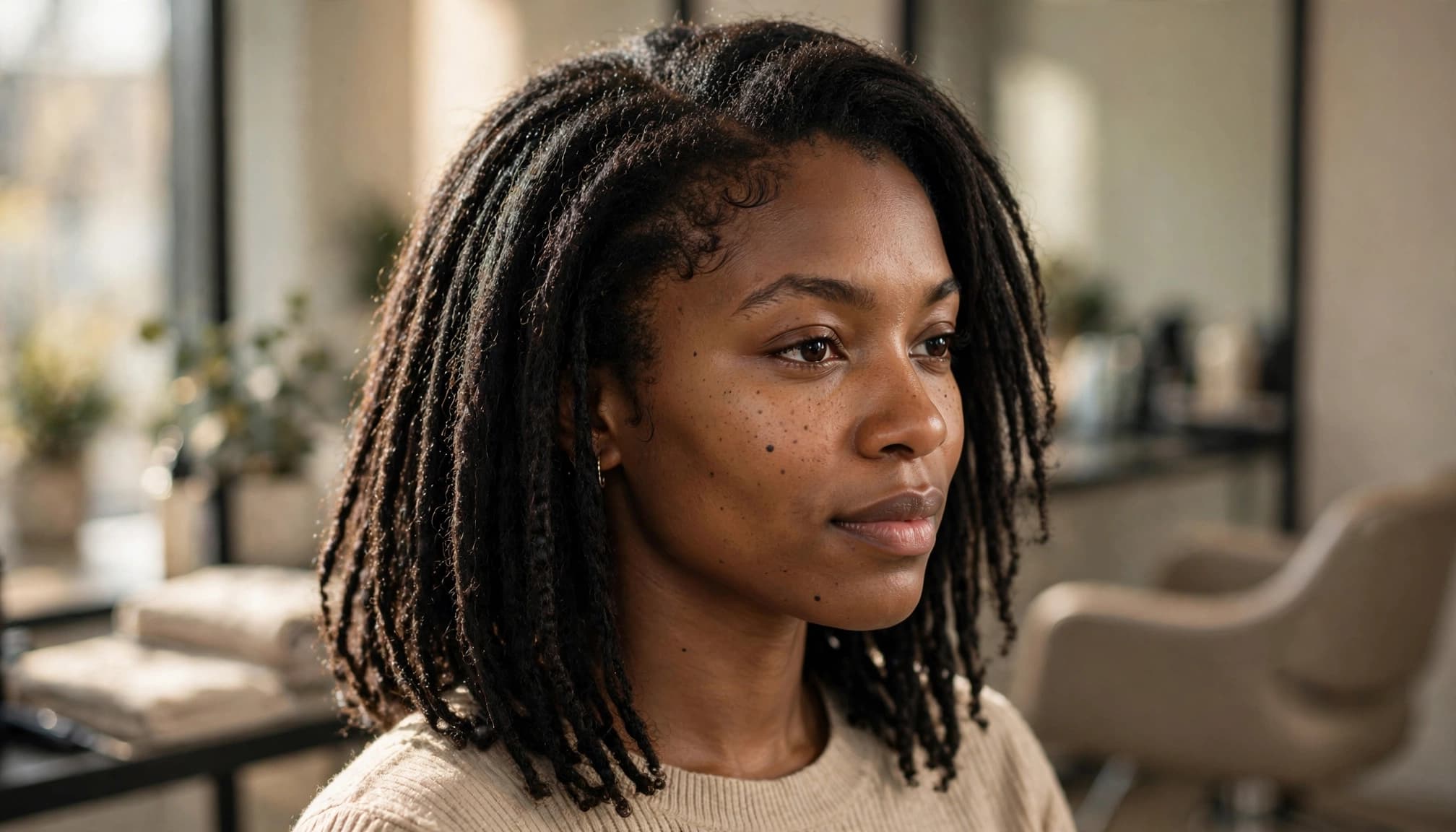
Ask your stylist how much leave-out the style requires before you buy. That conversation helps you compare textures realistically and consider how you'll care for the hair left outside the install.
Compare Common Sew-In Hair Bundle Textures
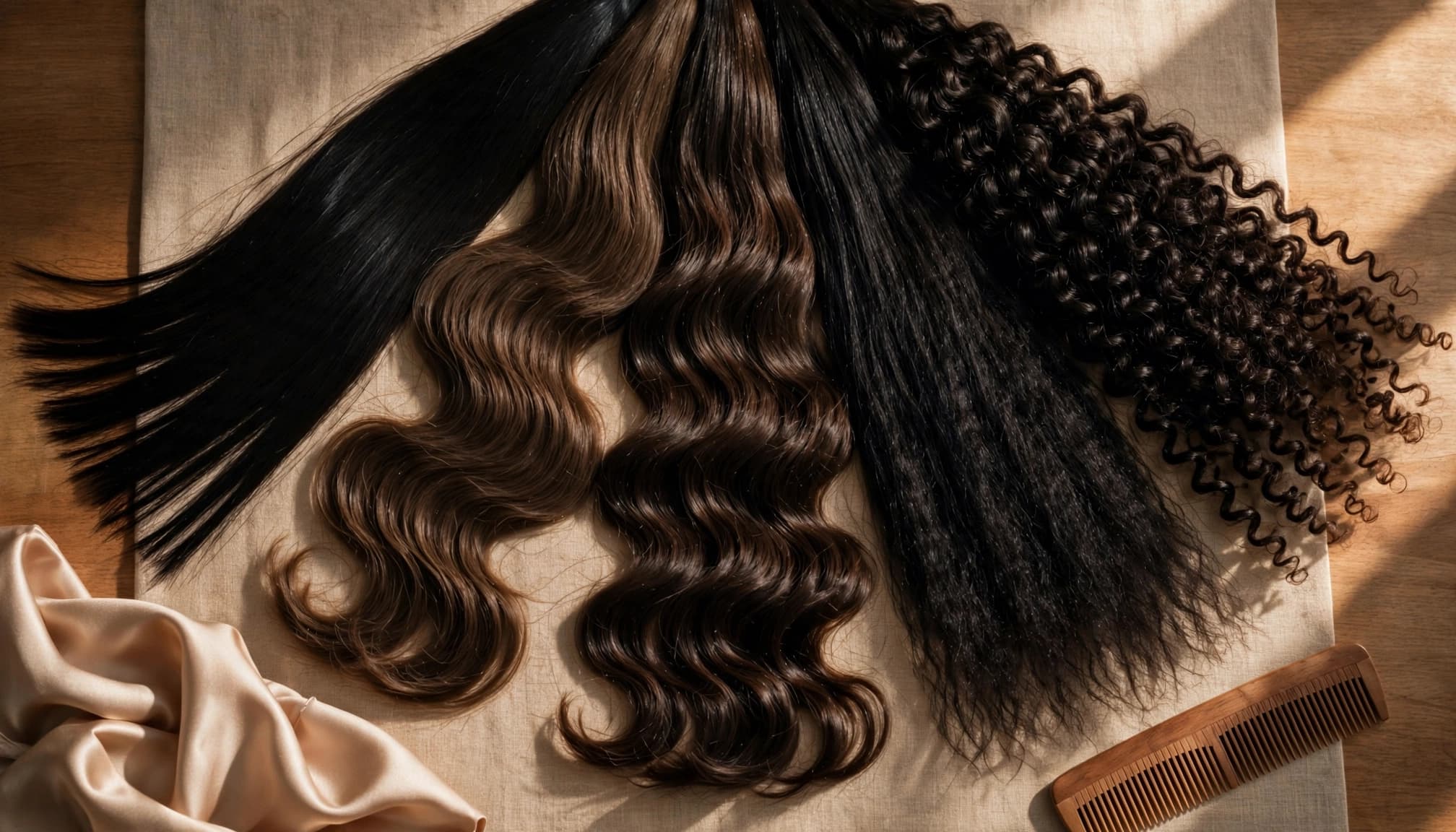
Texture names give you a useful starting point, but they aren't always standardized across brands. Compare product photos and, when possible, real samples in person. Pay attention to how much the pattern bends or curls, and how the hair looks when brushed or separated.
Straight and body wave
Straight bundles have little or no visible wave when worn in their natural state. They suit sleek looks and can also be curled, depending on the hair and the product's care instructions. Straight textures show a clear finish, so think about how often you're comfortable smoothing your own hair if you'll leave any out.
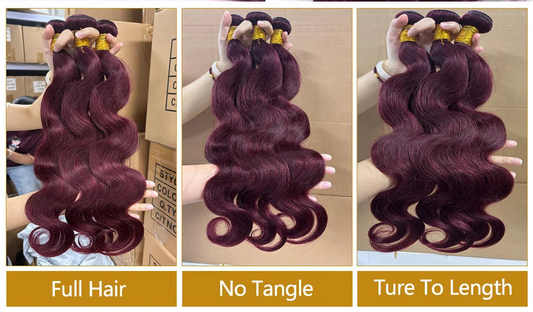
Body wave has a looser, flowing pattern. It adds movement without the tighter curl definition found in deep wave or curly textures. For examples, Luxegan lists 30-inch bone straight Brazilian hair bundles and Peruvian body wave human hair bundles. Use product listings to compare options, then confirm details before ordering.
Deep wave, kinky straight, and curly
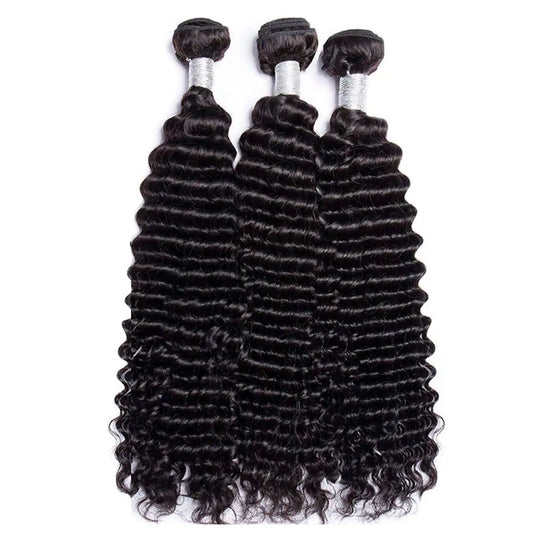
Deep wave has a more pronounced wave pattern than body wave. Curly bundles have visible curls or ringlets, though the curl shape and density can vary. Ask for current photos or a sample if the exact pattern matters to your plan.
Kinky straight has a textured, blown-out appearance rather than a glassy, flat finish. It can be worth considering when you want volume and texture without defined curls. Still, don't assume the name guarantees a match for your natural hair. Compare the actual strands and ask your stylist about the blend.
Choose a Texture for Your Preferred Style
Think about the finished look you want on an ordinary day, not only the style in a product photo. A dramatic curl pattern may look different after brushing, while a straight bundle may need styling to hold a bend or curl. Decide whether you want the bundle's natural pattern to do most of the work or expect to restyle it often.
Consider versatility without overestimating it
Human hair bundles can offer styling options, but every heat-styling session adds work and can affect the hair over time. If you expect to switch between straight and curled styles, check the seller's instructions and ask your stylist how the hair responds to heat. Avoid choosing a texture solely because it can theoretically be restyled.
A straight bundle may be a practical choice for someone who prefers a sleek finish, while body wave can provide a wave without creating it with a curling tool each day. Deep wave and curly textures bring more visible pattern to the look. Your preferred routine, not a general ranking, should guide the choice.
Match the finish to the whole hairstyle
Think about length, parting, and volume as well as texture. For example, a long straight style has a different overall effect from a shorter curly one, even if both use the same color. Product pages may offer several lengths or bundle options, so check the specifications rather than relying on a photo alone.
If you're unsure, show your stylist a reference image and ask which textures can support that finish. They can also advise whether the install needs leave-out and how much daily styling the look may involve.
Shop Hair Bundles
-
12A Deep Wave Remy Human Hair Bundles | 30 to 32 Inch Weft Extensions
Regular price $364.00 USDRegular price$0.00 USDSale price $364.00 USD -
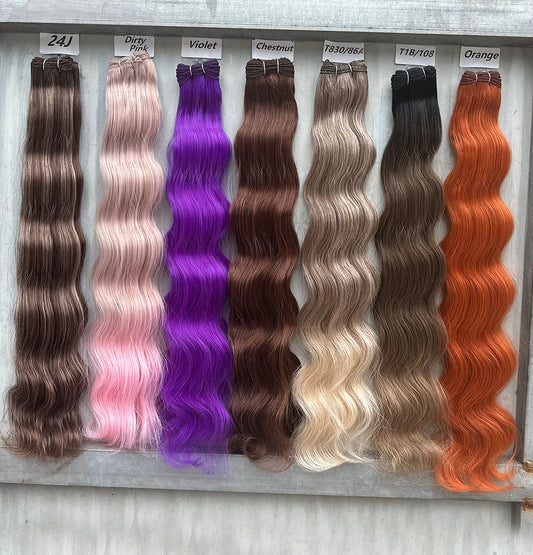
High-Temperature Synthetic Body Wave Hair Extensions – 26 & 30 Inch | Piano & Ombre Colors | 150g–200g Bundle
Regular price From $70.00 USDRegular price$93.00 USDSale price From $70.00 USDSale -

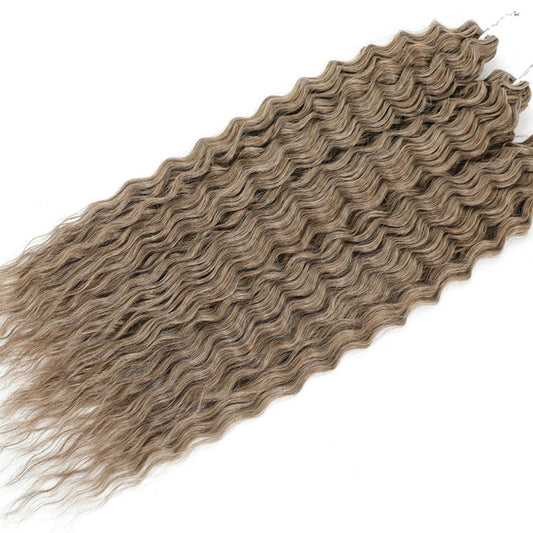
22 Inch Deep Water Wave Crochet Braids – 3 Pcs 300g Bio-Protein Synthetic Hair Bundles for Women
Regular price $119.00 USDRegular price$159.00 USDSale price $119.00 USDSale -
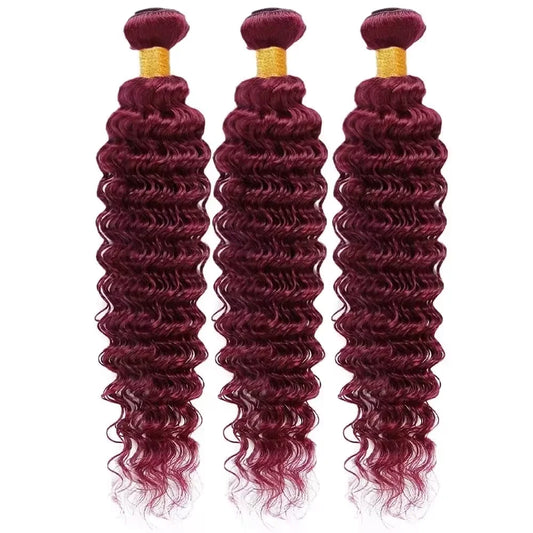
#99J Deep Wave Brazilian Virgin Human Hair Bundles | Burgundy Remy Hair Weave | 16–30 Inch
Regular price $244.00 USDRegular price$279.00 USDSale price $244.00 USDSale -

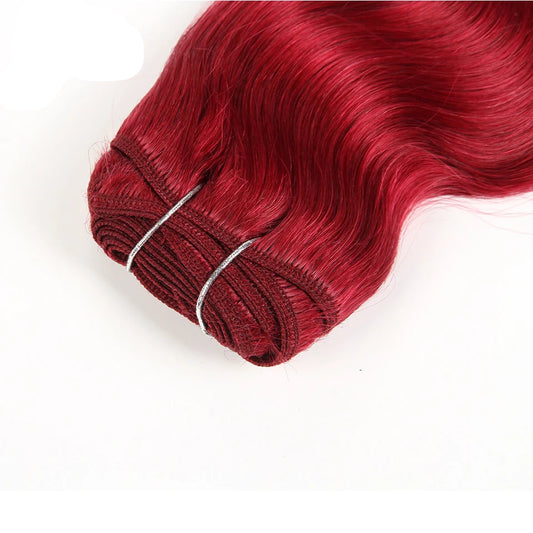
Brazilian Natural Body Wave Remy Human Hair Bundle | Colored #27 #30 #99J Burgundy | 10–22 Inch
Regular price From $80.00 USDRegular price$107.00 USDSale price From $80.00 USDSale -
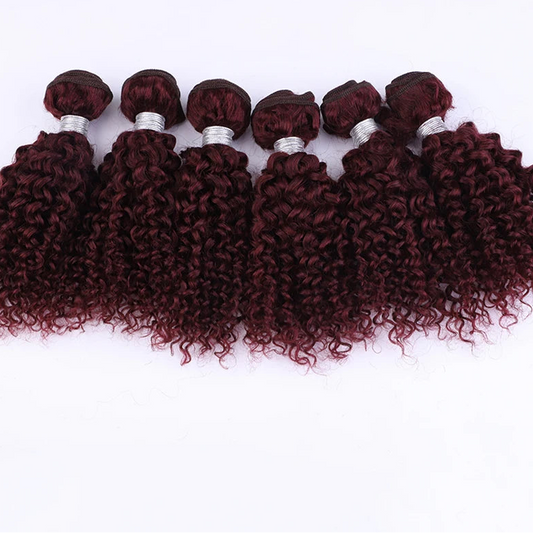
Brazilian Kinky Curly Human Hair Bundles | 100% Remy Jerry Curly Extensions 6Pcs 99J
Regular price $131.00 USDRegular price$158.00 USDSale price $131.00 USDSale -
Burgundy Body Wave Human Hair Bundles – 99J Red Colored Brazilian Remy Hair
Regular price From $129.00 USDRegular price$0.00 USDSale price From $129.00 USD -
Brazilian Curly Hair 4 Bundles – Short Double Drawn Remy Human Hair Weave (5 5 6 7 Inch) for Black Women
Regular price From $131.00 USDRegular price$157.00 USDSale price From $131.00 USDSale








Consider Maintenance and Climate
Every texture needs care, but the routine can differ. Curly and wavy hair can lose definition when handled or brushed, while a sleek finish may call for smoothing and careful protection from friction. Ask the seller for care instructions and your stylist for a routine that fits the specific hair and install.
Be realistic about daily upkeep
Consider how much time you want to spend detangling, refreshing a pattern, or using hot tools. Curly textures may need gentle handling to maintain their shape. Straight styles can require attention if you want them to stay smooth. In either case, follow care directions rather than assuming extensions need the same routine as your natural hair.
The American Academy of Dermatology recommends limiting blow-drying and hot-tool use, and using low or medium heat when styling. Its healthy hair tips also advise using a protective product. These habits matter for the leave-out as well as the extensions.
Factor in local weather
Humidity, rain, and heat can affect how a style holds. A smooth finish may need touch-ups in damp weather, while a defined curl pattern may need refreshing after exposure to moisture. The result depends on the hair, styling method, and conditions, so no texture is automatically low-maintenance in every climate.
Think about your usual week. If you commute in wet weather or spend time outdoors, ask your stylist how to protect the style and whether your preferred finish is practical. The goal is a texture you're happy to wear even when the weather doesn't cooperate.
Check Bundle Details Before Buying
The texture name is only one part of the product description. Verify the hair type, color, length, number of bundles, and care guidance. If you're comparing products, look for photos that show the hair from several angles and note whether they display the bundle's natural pattern or a styled finish.
Confirm specifications and product photos
Listings can differ in how they describe texture and available lengths. For example, Luxegan's listing for 12A Peruvian straight hair bundles gives a weight of 95 to 100 grams per bundle and lists one-, three-, and four-piece options. Check the current listing for the exact choice you plan to buy.
When a product photo looks highly styled, ask whether the bundle naturally has that pattern or whether the model's hair has been curled or straightened. A sample can answer questions that a thumbnail can't.
Ask your stylist before you order
A stylist can check whether your selected texture works with the installation method and the amount of leave-out you want. Bring product details or photos, and ask what upkeep the style will require. It's also useful to confirm how much hair to buy for your preferred length and fullness, since those needs depend on the installation and desired result.
If you're ordering online, review the return policy before opening or altering the hair. That way, you can verify that the texture and color meet your expectations while following the seller's conditions.
Frequently Asked Questions
Which sew-in texture blends best with natural hair?
There isn't one texture that blends best for everyone. Your natural hair's styling state, leave-out, and desired finish all affect the result. Compare samples with your hair styled as you plan to wear it, and ask your stylist to assess the blend.
Is kinky straight the same as straight hair?
No. Kinky straight usually has more visible texture and volume than a sleek, straight bundle. Product descriptions can vary, so use photos or a sample to check the specific pattern before purchasing.
Can I straighten or curl any bundle texture?
That depends on the hair and the seller's care instructions. Check the product details before using heat, and use a low or medium setting with heat protection. The American Academy of Dermatology also offers guidance on styling without damage.
What should I choose if I want less daily styling?
Start with the texture closest to the finish you want to wear most often, then ask your stylist how much upkeep it needs. A naturally wavy bundle may save you from creating waves with a tool, but no texture removes the need for care.
Choose the Texture You'll Enjoy Wearing
The best bundle texture is the one that works with your natural hair, desired finish, and willingness to maintain it. Compare the pattern in person when possible, check product specifications, and involve your stylist before ordering.
A sew-in should feel like a style you can live with, not a look that demands more time than you want to give it. Choose for your real routine, and the finished style is more likely to feel like yours.