

Heat Resistant Synthetic Wig Care and Styling Rules
One careless pass with a hot iron can turn a smooth wig into a stiff, shiny patch. Good heat resistant synthetic wig care protects the fibers before styling begins, because "heat-resistant" describes a limit, not permission to use any temperature.
A beginner-friendly routine starts with the manufacturer's label, continues with gentle washing and detangling, then treats heat as a controlled tool rather than a shortcut. Follow the stated heat limit, test a hidden strand first, and keep the setting as low as possible. These steps help your wig stay soft, shaped, and wearable for longer.
Heat resistant synthetic wig care starts with the fiber label
Read the wig's inside tag, product listing, packaging, or care card before using any heated tool. Look for clear wording such as "heat-resistant" or "heat-friendly," along with a maximum temperature. If the manufacturer gives a limit, treat it as the highest possible ceiling, not the recommended everyday setting.
Heat-friendly synthetic fibers can tolerate controlled heat, but they don't behave exactly like human hair. Excessive temperature can flatten the fiber, create a glossy patch, melt strands together, or permanently change the curl pattern. Repeated heat can also shorten the wig's useful life.
A heat-safe label applies to the fiber, but the lace, knots, cap, and hairline still need protection.
If the wig only says "synthetic" and gives no heat information, avoid flat irons, curling irons, hot brushes, and hot blow dryers. Simply Wigs' wig styling guide also recommends avoiding heated tools when a synthetic wig isn't made from heat-resistant fibers.
The same rule applies to older wigs, secondhand styles, and wigs with missing tags. When the fiber type is unknown, use rollers, foam rods, or low-tension shaping methods instead. A careful heat resistant synthetic wig care routine begins with refusing to guess.
Wash a synthetic wig without roughening the fibers
Wash the wig when sweat, smoke, styling product, or odor builds up. Your schedule depends on how often you wear it, whether you exercise in it, and how much product touches the fibers. Washing too often can create unnecessary friction, while waiting too long can leave the strands coated and difficult to detangle.
Use cool or lukewarm water and a shampoo made for wigs or synthetic fibers. Hot water may disturb the style or reshape the fibers. A basin works better than holding the wig under strong running water because you can control the pressure.
- Brush or finger-detangle the dry wig before washing, starting at the ends and moving toward the cap.
- Fill a clean basin with cool or lukewarm water, then add a small amount of wig shampoo.
- Hold the wig by the cap and lower the lengths into the water. Let the shampoo move through the fibers without scrubbing, twisting, or rubbing.
- Rinse with clean water until no shampoo remains. Keep the water flowing in the direction of the hair.
- Press the wig between towels to remove moisture, then place it on a wig stand to air-dry.
Don't wring the wig or pull at wet strands. A towel should absorb water, not become a tool for twisting the cap.
Regular shampoo, heavy conditioner, and oily hair masks can leave synthetic fibers coated. Use conditioner only when the wig's care instructions allow it. If you use a leave-in product, choose one made for synthetic wigs and apply a light amount to the lengths, not the lace or cap.
Detangle gently and control daily friction
Start each detangling session at the ends. Hold the section above the knot so the tension doesn't transfer to the cap, then work upward in short strokes. A wig brush works well for many straight and softly waved styles. A wide-tooth comb can help with longer fibers, while fingers are safest for tight curls.
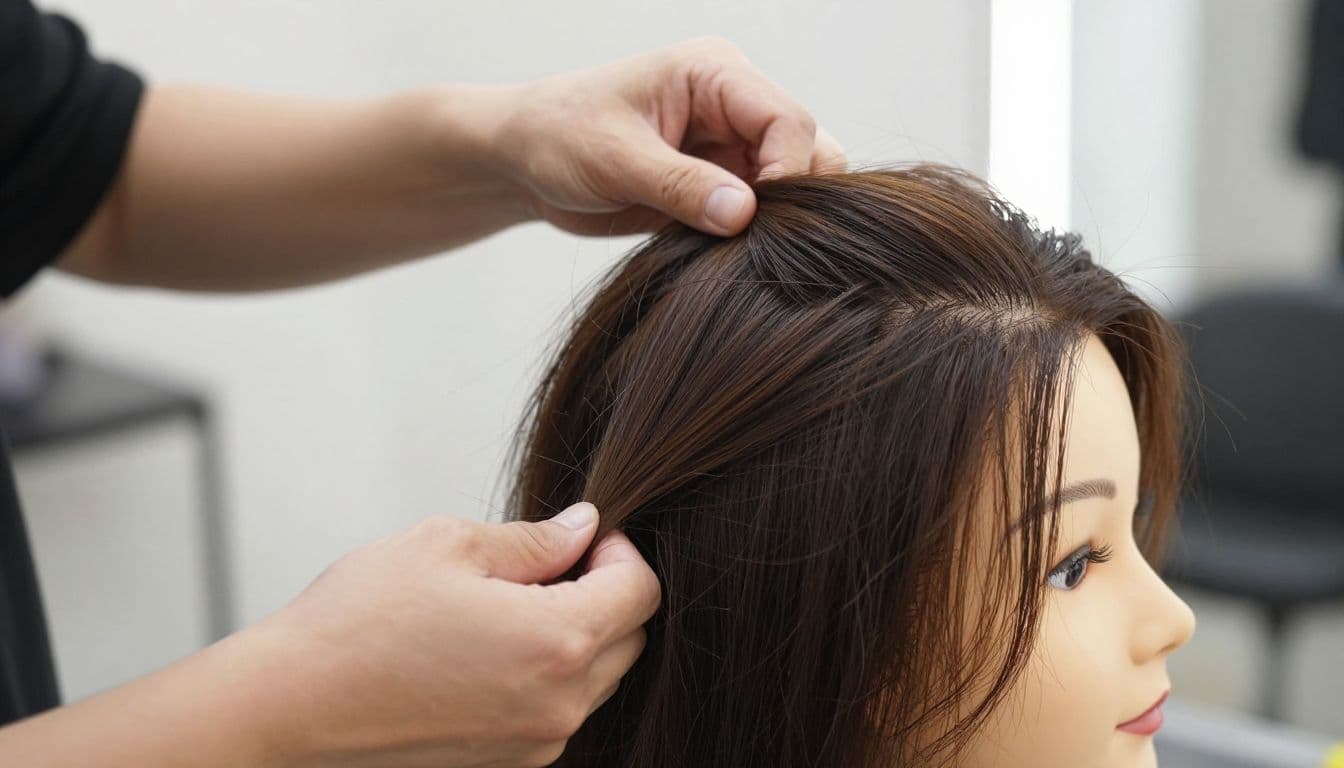
Brush only what needs attention. Repeatedly dragging a brush through the whole wig can disturb the part, loosen the shape, and roughen the ends. For curly or wavy synthetic wigs, separate the curls with your fingers and reshape them instead of brushing through the pattern.
Friction often causes more daily wear than styling does. The nape can rub against collars, scarves, and coat fabric, while a pillow can flatten the back of the wig overnight. A satin bonnet or pillowcase can reduce rubbing when you wear the wig for an extended period.
A small amount of wig-safe anti-static spray can help with flyaways. Spray it onto your hands or a brush first if the product dispenses heavily. Headcovers' heat-resistant wig styling guide discusses wig-safe leave-in products for conditioning and heat preparation, but your manufacturer's instructions should come first.
Shop Wigs
-
Musicology, White Is Wight, Eau De Parfum, Unisex, 95 ml
Regular price $404.33 USDRegular price -
36 Inch Knotless Box Braided Wig with Curly Ends | Full Lace Boho Braided Wig | 5 Colors
Regular price $163.00 USDRegular price$186.00 USDSale price $163.00 USDSale -
Jerry Curly Human Hair Wig – Short Pixie Afro Kinky Curly Wig with Bangs
Regular price $104.00 USDRegular price$125.00 USDSale price $104.00 USDSale -
Wigundle Kanekalon Pre-Stretched Crochet Braiding Hair Extensions – Jumbo Braids for Women
Regular price From $105.00 USDRegular price$133.00 USDSale price From $105.00 USDSale -
Short Water Wave Curly Bob Human Hair Wig 10in – Glueless Brazilian Remy Wig | Brown, Black, Red & Blonde
Regular price From $114.00 USDRegular price$136.00 USDSale price From $114.00 USDSale -
Pixie Cut Wig for Black Women – Straight Remy Human Hair | Short 6in | Bangs | Machine Made
Regular price From $103.00 USDRegular price$123.00 USDSale price From $103.00 USDSale -
Short Pixie Afro Kinky Curly Wig for Black Women – Glueless Brazilian Remy Human Hair | Bob with Bangs
Regular price From $95.00 USDRegular price$126.00 USDSale price From $95.00 USDSale -
Highlight P4/30/27 Brazilian Straight Human Hair Wig with Bangs – 100% Remy | Full Machine Made | 16–28 Inch
Regular price From $162.00 USDRegular price$185.00 USDSale price From $162.00 USDSale












Follow safe heat styling rules every time
Heat-resistant doesn't mean heat-proof. Even a wig approved for hot tools can burn, melt, frizz, or lose its original shape when the temperature is too high or the tool stays in one place.
Use heat only on clean, fully dry fibers unless the manufacturer clearly gives different instructions. Remove tangles first, because a knot can trap heat and create a damaged spot. Then work with small sections and keep the tool moving.
Pre-heat checklist
- Read the manufacturer's stated heat limit before choosing a tool.
- Set the tool below that limit, using the lowest effective heat setting.
- Test a hidden strand at the nape or underneath the style first.
- Let the test strand cool completely, then check for melting, stiffness, frizz, odor, or a new shine.
- Use a heat protectant only when it is labeled for synthetic wigs and approved for the fiber.
- Keep hot tools away from lace, knots, elastic, combs, and the wig cap.
- Stop immediately if the fiber changes texture or gives off a burnt smell.
Never assume that a human-hair heat protectant is suitable for synthetic fibers. Some formulas contain oils or ingredients that leave a coating, attract dust, or react poorly to heat. A light application is safer than soaking the hair, and the product should dry fully before you use a hot tool.
For straightening, clamp only a small section and make one controlled pass. Several repeated passes create more risk than a single careful pass. Avoid pressing the iron against the hairline because lace and knots can distort before the visible fiber shows damage.
For curls, use the lowest approved setting and release the section without pulling. Allow the curl to cool in its new shape before brushing or separating it. Rollers and foam rods are safer options when you want shape without direct heat. Steam, boiling-water methods, and hot rollers require specific manufacturer approval, so don't treat online tutorials as universal instructions.
Sectioning also improves control. Elly K's heat-friendly wig styling guide shows how smaller sections support more even styling, but its temperature examples shouldn't replace the limit listed for your wig.
Store the wig properly between wears
Let the wig cool completely before storing it. Placing a warm, freshly styled wig in a bag can flatten the shape and trap moisture. Once dry, remove obvious tangles with your fingers or a suitable brush.
A wig stand helps preserve the crown and keeps the fibers from becoming crushed. For travel, use a roomy box or breathable bag rather than forcing the wig into a tight container. Place longer hair in a loose net if the style allows it, and avoid folding the fibers sharply.
Keep the wig away from direct sun, radiators, hot cars, fireplaces, and steamy bathrooms. High heat can affect synthetic fibers even when you aren't actively styling. A cool, dry drawer or closet is a better choice.
Avoid storing the wig while it is damp, coated in sweat, or covered with styling spray. Moisture and residue can make the fibers stick together and attract dust. Clean the stand or storage bag occasionally as well.
A consistent heat resistant synthetic wig care routine also includes checking the ends and hairline. Persistent frizz, melted clumps, brittle strands, a new plastic-like shine, or curls that no longer respond to gentle shaping can indicate heat damage. Synthetic fibers can't repair themselves like growing hair, so a melted area usually requires replacement rather than another styling product.
Quick after-wear checklist
- Let the wig cool and dry before putting it away.
- Remove tangles gently, starting at the ends.
- Check the nape for friction and product buildup.
- Store the wig on a stand or in a spacious breathable container.
- Keep it away from sunlight, moisture, and household heat.
- Wash it when residue or odor develops instead of layering on more spray.
Keep the routine simple and consistent
The most reliable heat resistant synthetic wig care combines restraint with regular maintenance. Read the label, wash with cool water, detangle from the ends, and keep hot tools below the manufacturer's stated limit.
When you style, test a hidden strand first and choose the lowest effective setting. If the wig has no clear heat-safe claim, use heat-free methods. A few careful minutes before and after each wear can protect the shape, texture, and finish that made you choose the wig in the first place.