

How to Choose Wedding Wigs for Formal Events
Formal photos, long ceremonies, and crowded dance floors can expose a weak hair choice fast. The right wedding wigs should look natural, feel secure, and stay comfortable through every part of the event.
Start with the occasion, your outfit, and the amount of styling you can manage. Then choose the cap, fiber, color, length, and attachment method before testing the full look at home.
How to Choose Wedding Wigs That Suit Your Event
Your role at the event should guide the overall effect. A bride may want a style that works with a veil or headpiece, while a bridesmaid may need to coordinate with the wedding party. Guests can choose more freely, but a neat, comfortable style still photographs better than an overly dramatic look that needs constant adjustment.
Consider the venue before choosing your wig. An outdoor ceremony may bring wind, sunlight, and humidity. A ballroom reception may offer a cooler setting, but hours of dancing can still create heat around the scalp. For a long formal event, comfort matters as much as appearance.
Your neckline also affects the best length and shape. A high-neck dress often pairs well with a low bun, a sleek shoulder-length style, or hair swept to one side. Open necklines can support longer waves, a ponytail, or a softly styled updo.
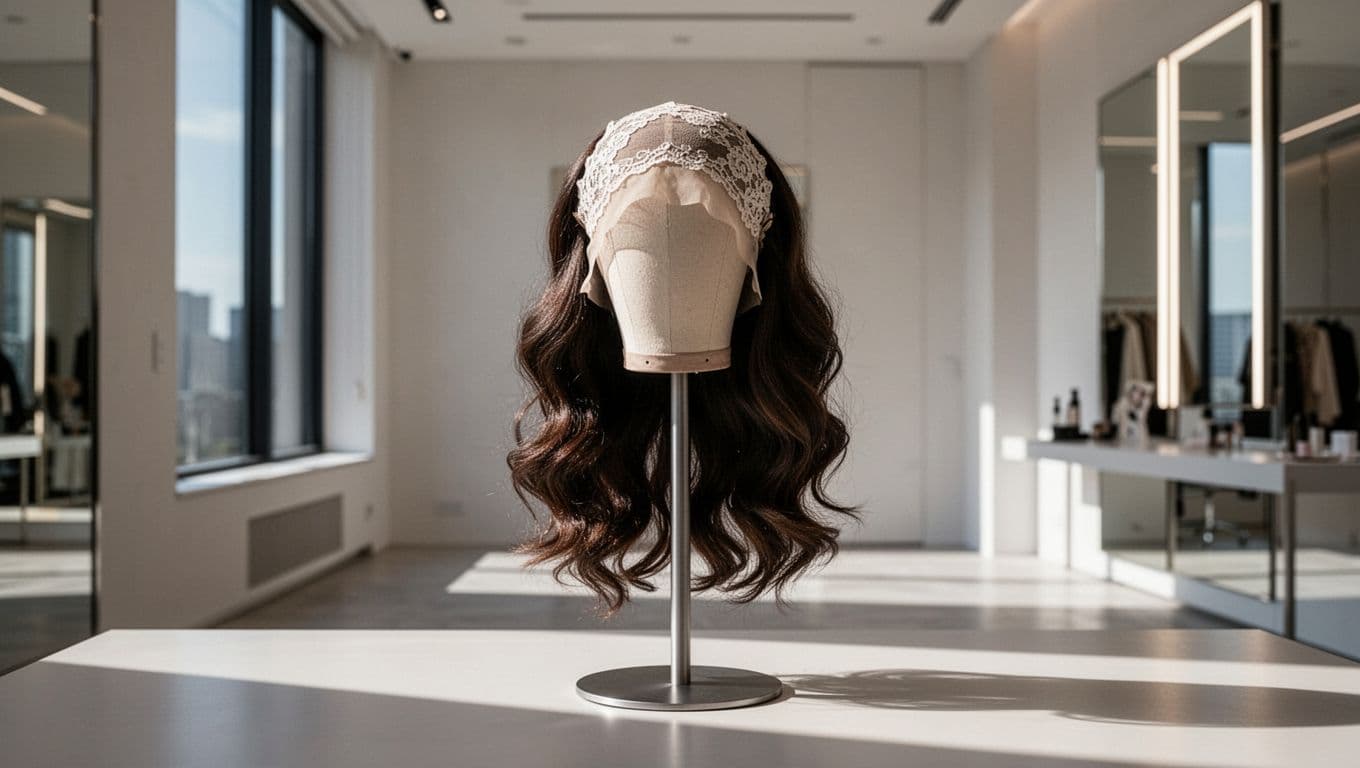
For visual inspiration, browse these wedding guest hair transformations and notice how the silhouette works with each outfit.
| Event condition | Practical wig direction |
|---|---|
| Outdoor ceremony | A secure cap, moderate length, and a style that won't block your face |
| Warm or humid weather | Lightweight density and a shape that needs little restyling |
| Formal ballroom reception | A polished lace-front, bob, waves, or structured updo |
| All-day celebration | Comfortable fit, low weight, and reliable grip |
The strongest choice is the one that matches the event's pace. A glamorous look loses its appeal if it causes pressure, itching, or repeated trips to the restroom for repairs.
Pick the Right Wig Fiber and Cap Construction
Synthetic and human-hair wigs each suit different needs. Synthetic fibers usually arrive pre-styled and hold their shape well, which helps when you want a ready-to-wear option. They also need less daily styling. However, you must follow the care instructions and keep ordinary hot tools away from synthetic hair unless the label says it is heat-friendly.
Human hair offers natural movement and more styling flexibility. You can usually curl, straighten, or pin it with greater control, although it needs more care and can lose its shape in damp weather. It may also require professional styling before the event.
| Wig type | Main advantage | Best match |
|---|---|---|
| Synthetic | Holds its original style with minimal work | First-time wearers and quick preparation |
| Heat-friendly synthetic | Allows limited restyling with approved heat | Wearers who want a modest shape change |
| Human hair | Moves and styles like natural hair | Brides or attendees planning a custom look |
Cap construction affects the hairline and the way you can part the wig. A lace-front wig creates a softer-looking front hairline, while a glueless design can use adjustable straps, combs, or an elastic band instead of adhesive. These features can help beginners, but a glueless wig still needs the correct size and a flat base.
Full-lace designs allow more parting and updo options. They can require more preparation, especially if you want the hair pulled away from the face. If you have a sensitive scalp, avoid trying a new adhesive close to the event. Test a small area first, or ask a professional stylist to handle the application.
Your natural texture doesn't limit your choices. Straight, wavy, curly, coily, braided, and loc'd hair can all work under a wig. Thick hair may need a larger cap or a careful low-profile base, while short hair may only need a wig cap and light smoothing. Avoid tight braiding that causes pain or puts stress on your edges.
Match Color, Length, and Shape to Your Features
A wig color should work with your skin tone, makeup, and clothing. Compare shades near your face in natural daylight rather than relying on a product photo alone. Warm undertones often pair well with golden brown, copper, honey, or warm chocolate shades. Cool undertones may suit ash brown, espresso, blue-black, or cooler blondes. Neutral undertones can often wear both groups, depending on the outfit.
You don't need to choose a color that matches your natural hair. A rich dark brown can look formal without the stark effect of jet black. Soft highlights can add dimension in photographs, while a single deep shade often creates a cleaner look with embellished clothing.
Lace color deserves attention, especially with lace-front wedding wigs. Lace that sits close to your skin can look less visible along the forehead. Ask whether the lace can be tinted, and test the finished hairline before the event. A wig cap that contrasts strongly with your skin may show through the part, so choose a cap shade that blends as closely as possible.
Face shape can help narrow the options, but personal preference matters more than strict rules. Long layers or a side part can add width to a longer face. Soft waves can balance a square jaw, while a chin-length bob can bring focus to the cheekbones. A round face may suit height at the crown or length below the chin. Heart-shaped faces often work well with fullness around the jaw.
Density changes the result as much as length. Very full hair can overwhelm a delicate dress, while overly thin ends may look unfinished in photos. Medium density often gives a polished appearance without making the style feel heavy.
Keep the dress in mind. If the gown has beading, lace, or a high collar, a simple smooth style may create better balance. When the outfit is understated, curls, a deep side part, or a refined ponytail can add interest without taking attention from the person wearing it.
Shop Lace Front Wigs
-
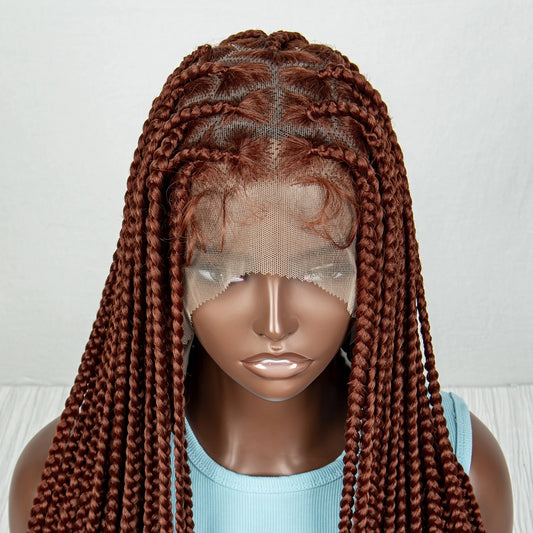
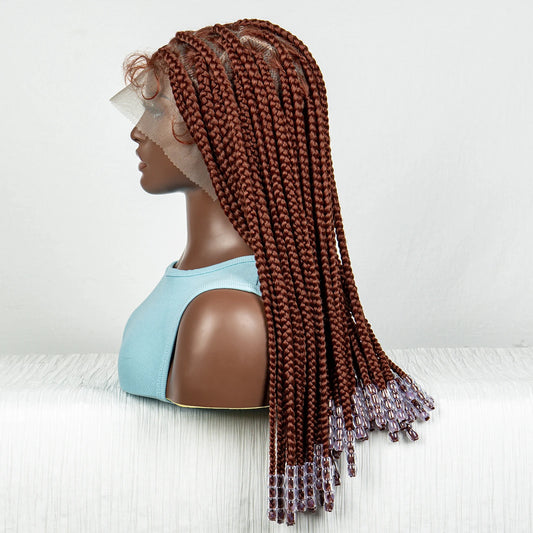
#350 Knotless Box Braids Wig | Short Lace Frontal Bob | Dark Ombre Ginger
Regular price $262.50 USDRegular price$0.00 USDSale price $262.50 USD -
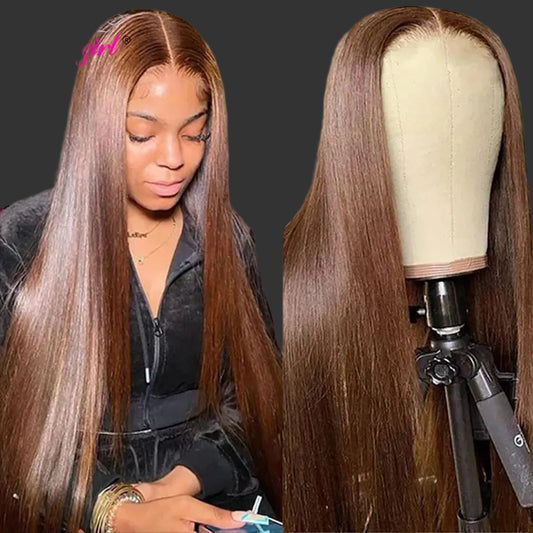
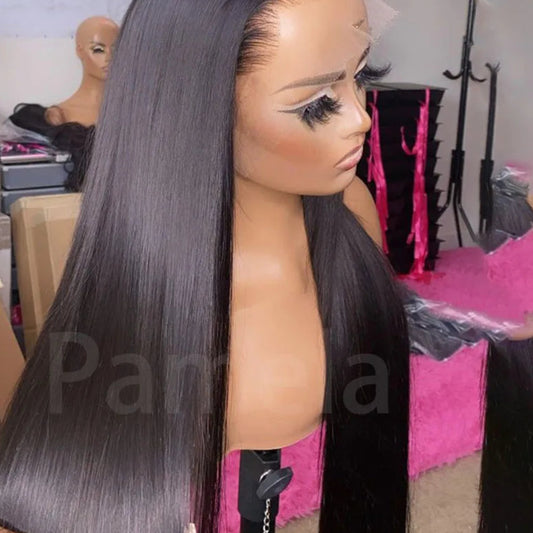
#4 Chestnut Brown Straight Lace Front Wig | 13x4 & 13x6 Transparent Swiss Lace Frontal Wig | 150% & 180% Density 100% Brazilian Remy Human Hair Long Closure Wig for Women (26+ Inch)
Regular price From $364.00 USDRegular price$0.00 USDSale price From $364.00 USD -
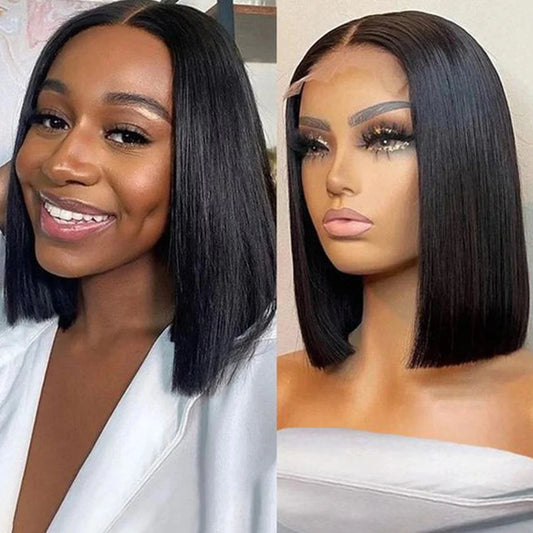
#4 Chocolate Brown Straight Bob Wig | Sophisticated 200% Density HD Transparent Lace Frontal | Elegant "Short Bob" Silhouette | "Dignified" Pre-Plucked Brazilian Remy Human Hair for Radiant Versatile Styling
Regular price $150.00 USDRegular price$200.00 USDSale price $150.00 USDSale -
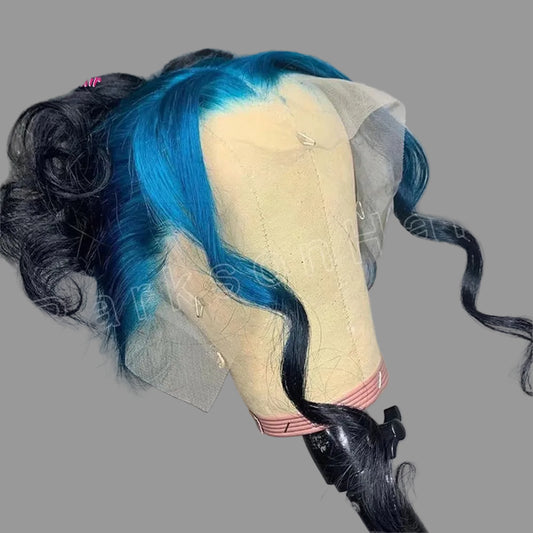
#4/613 Ombre Blonde Lace Front Wig | High-Impact Black with Blue Custom Tone Option | 13x4 HD Transparent Swiss Lace Frontal Body Wave Human Hair Wig for Women
Regular price $502.00 USDRegular price$0.00 USDSale price $502.00 USD -
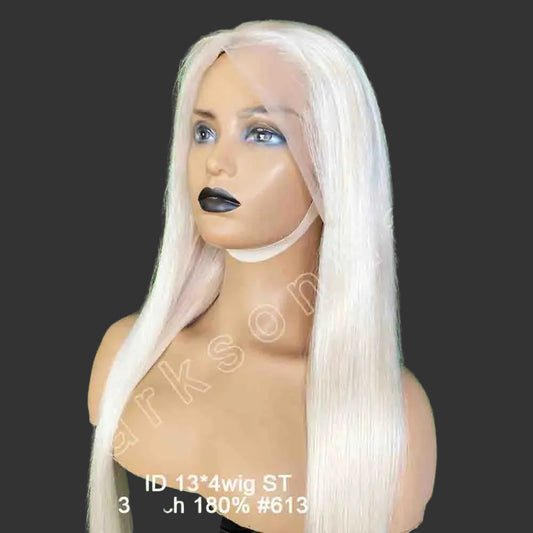
#60 613 Platinum Blonde Wear-and-Go Glueless Wig | 13x4 HD Transparent Lace Frontal Wig | 100% Brazilian Remy Human Hair Body Wave Long 26+ Inch Wig for Women
Regular price From $249.00 USDRegular price$0.00 USDSale price From $249.00 USD -
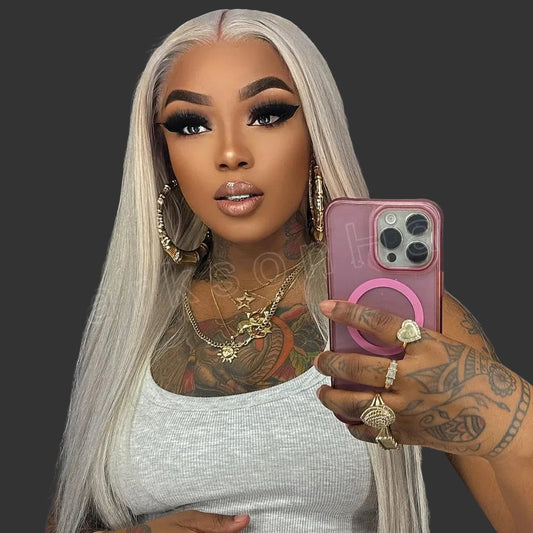
#60 Platinum Ash Blonde Lace Front Wig | 100% Brazilian Human Hair Glueless Wig | 13x4 & 13x6 HD Transparent Swiss Lace Frontal Body Wave Gown for Women
Regular price From $249.00 USDRegular price$0.00 USDSale price From $249.00 USD -
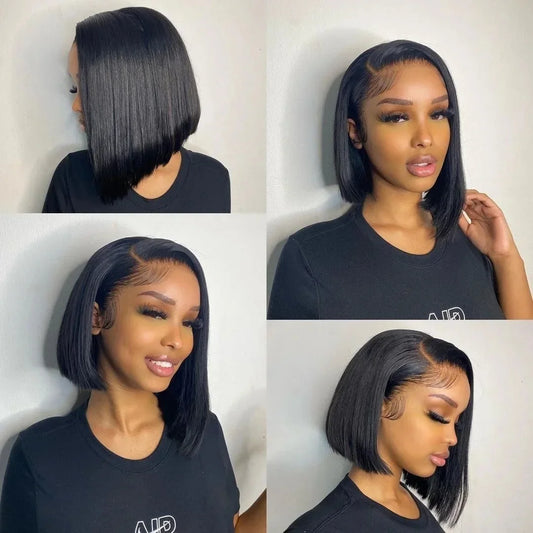
10-16 inch Short Straight Bob Wig | Brazilian Remy Human Hair | 13x4 Lace Frontal | Natural Looking | Ready to Wear
Regular price $72.51 USDRegular price$120.85 USDSale price $72.51 USDSale -
100% HD Transparent Lace Frontal Wig | Sophisticated "Bone Straight" Silhouette | Pre-Plucked 13x6 HD Full Lace Front Human Hair Wig | "Dignified" High-Performance Brazilian Remy Essential for Radiant Versatile Styling
Regular price From $346.00 USDRegular price$0.00 USDSale price From $346.00 USD






Secure Your Wig for Ceremony and Reception
Measure your head before ordering. Wrap a soft measuring tape around the hairline, above the ears, and across the nape. Compare those measurements with the seller's cap chart instead of assuming that an average size will fit.
A proper fit should feel snug without causing a headache. Adjustable straps can improve the fit, while a wig grip can reduce sliding during movement. Combs may add extra hold, but they can pull on natural hair, particularly around the temples and edges. Use them only where they feel comfortable.
A flat base improves both security and appearance. Long hair may work best in loose, flat braids or a low wrap. Short hair can often sit under a cap with gentle smoothing. Your hair should feel protected, not compressed until your scalp hurts.
A glueless wig is not automatically secure. The fit, the base underneath, and the grip around the head determine how it behaves when you walk, hug, or dance.
Adhesive can provide additional hold for lace-front styles, but it should never be a first-time experiment on the wedding day. Patch test the product well ahead of the event, follow the removal instructions, and stop if you notice burning, redness, or swelling. A stylist experienced with wigs can trim lace, place the hairline, and choose an attachment method that suits your skin and hairstyle.
Weather can change your security plan. For an outdoor ceremony, add a discreet wig grip and pins beneath the style. If you plan to wear a hat, fascinator, or veil, test how that accessory sits over the wig before the event. The accessory should attach to the wig or its base without pulling the hairline forward.
Test the Full Look Before the Big Day
Try the wig with your complete outfit, shoes, jewelry, and makeup at least one week before the event. Sit down, turn your head, walk quickly, and practice a few dance movements. Pay attention to pressure around your ears and temples because discomfort often becomes more noticeable after several hours.
Take photos in natural daylight and under indoor lighting. Check the hairline, part, volume, and color beside your outfit. A shade that looks balanced in a bedroom mirror may appear warmer or darker in flash photography.
First-time wig wearers should schedule a practice session before making any changes. Learn how to adjust the straps, position the front, and remove the wig without disturbing the base. If you plan to use adhesive, have the application completed during the trial rather than on the event morning.
Experienced wearers should still test new fibers, cap designs, and styling products. A wig that feels comfortable for ten minutes may feel heavy after a full ceremony and reception. Use the same wig cap and grip that you plan to wear on the day.
Don't cut lace, add bangs, bleach the hair, or apply strong heat for the first time hours before leaving. Make changes early enough to reverse them or choose another style. Synthetic wigs should follow the manufacturer's heat limits, and human hair should receive any major restyling from someone who understands wig construction.
Prepare your natural hair the night before if that routine works for your texture and scalp. This wedding guest hair prep advice recommends washing and drying hair before the event rather than arriving with damp or overly oily roots. Pack a small repair kit with a comb, a few pins, blotting paper, and the grip or adhesive you already tested.
A short, low style can also provide useful inspiration for formal wig styling. This messy bun hairstyle example shows how a gathered shape can keep attachment areas discreet while leaving the face open.
Conclusion
The best wig for a wedding or formal event matches your venue, outfit, features, hair texture, and comfort needs. Choose the fiber and cap construction first, then refine the color, length, density, and shape.
Most importantly, test the complete look before the event. A secure fit and familiar application will let you focus on the ceremony, the photographs, and the people around you instead of adjusting your hair all evening.