

How to Remove Adhesive Residue From Wig Lace Safely
Adhesive residue can make a lace wig look untidy, but pulling at it can stretch or tear the mesh. Safe wig adhesive removal depends on knowing whether you're releasing the lace from skin or cleaning glue from the wig itself.
Start with the wig maker's care instructions, choose a remover that suits the unit, and test it before treating a larger area. A slow, gentle process protects the lace, hair, and your skin.
Wig adhesive removal: release lace or clean residue?
These are separate jobs. Removing adhesive from your hairline doesn't automatically clean the wig's lace, and cleaning the wig base isn't the same as safely taking the unit off your skin.
Releasing lace from your skin
If the lace is still attached, use a remover intended to release adhesive at the hairline. Apply it as directed and give it time to work before lifting the lace. Don't pull the lace up to see whether it's loose. If you feel resistance, apply more product only as the label allows, then wait again.
Walker Tape's Lace Release guidance describes using Lace Release to loosen the lace from adhesive. This step helps reduce tugging, but it doesn't remove every bit of glue from the wig base.
Cleaning adhesive from the wig
Once the wig is off, inspect the underside of the lace. Any remaining tacky residue needs a product and method suitable for the wig's materials. Keep cleanup gentle and focused on the affected area. If the lace is still attached to your scalp, don't treat it as a cleaning task on the wig.
Check the wig care instructions before choosing a remover
Wig materials and construction vary. A method suitable for one lace unit may affect another unit's lace, knots, color, or hair fibers. Check the care card, product page, or instructions from the wig maker before applying a solvent or soaking the base.
Check what the manufacturer says
Look for directions about adhesive, washing, water exposure, and approved products. If the instructions say to avoid solvents or soaking, follow that guidance. When the care information is missing, contact the retailer or manufacturer with the wig's style and fiber details rather than guessing.
Product directions also vary. Jon Renau's LIFT Adhesive Remover instructions specify soaking a hair-system base for 5 to 10 minutes and using short, gentle vertical strokes. For lace, Jon Renau directs users to a lace cleaning gun. Those are directions for that product, not universal instructions for every lace wig or remover.
Patch-test the remover
Test a small amount on an inconspicuous part of the wig, following the product label. Check for changes to the lace, hair, color, or texture before using it on a visible area. Also follow the label for contact time, ventilation, protective equipment, and cleanup.
A patch test can reveal a problem with the wig material, but it doesn't guarantee that a product will suit everyone's skin. Keep remover off your face and eyes, and stop if your skin becomes irritated.
Prepare the wig and work area
Set up before applying remover so you won't need to handle a slippery wig while searching for tools. Work on a clean, stable surface with good ventilation. If using a solvent, keep it away from flames, sparks, hot styling tools, and other heat sources.
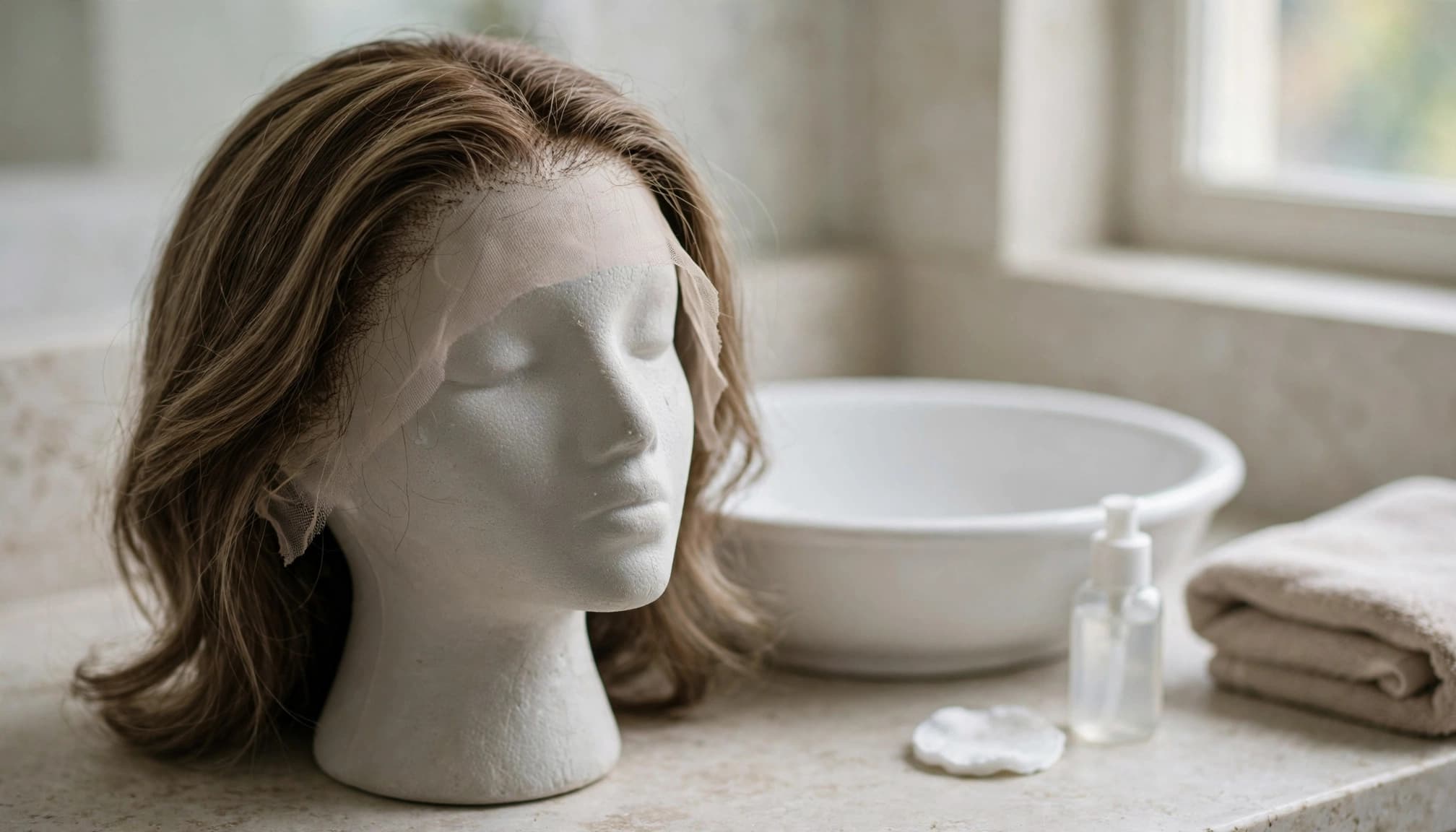
Place the wig on a wig stand or clean towel, with the lace accessible and the hair protected from unnecessary product contact. Have cotton pads or swabs ready for controlled application, along with a soft brush if the product directions permit one. Don't use a sharp tool to pry adhesive from the mesh.
If the wig has long hair, keep it away from the adhesive area so it won't tangle or become coated. Use only the amount of remover the label calls for. More product doesn't necessarily mean faster cleanup, and it can leave more residue to wash out afterward.
How to remove adhesive residue from wig lace
Work on a small section at a time. The goal is to soften the adhesive so it releases, not to scrape it off by force.
Apply the remover as directed
Follow the product label for the application method and wait time. Some removers are applied directly to the adhesive, while others are intended for soaking. Don't transfer directions from one product to another.
Walker Tape's C-22 Solvent directions describe applying it to adhesive and letting it work before wiping or brushing away residue. Its soak directions specify a base-up position and a 5-to-30-minute soak, depending on the system and adhesive. That range applies to those directions, not to every wig or lace type. C-22 is oil-based and flammable, so use it only as directed, with ventilation and away from heat or flame.
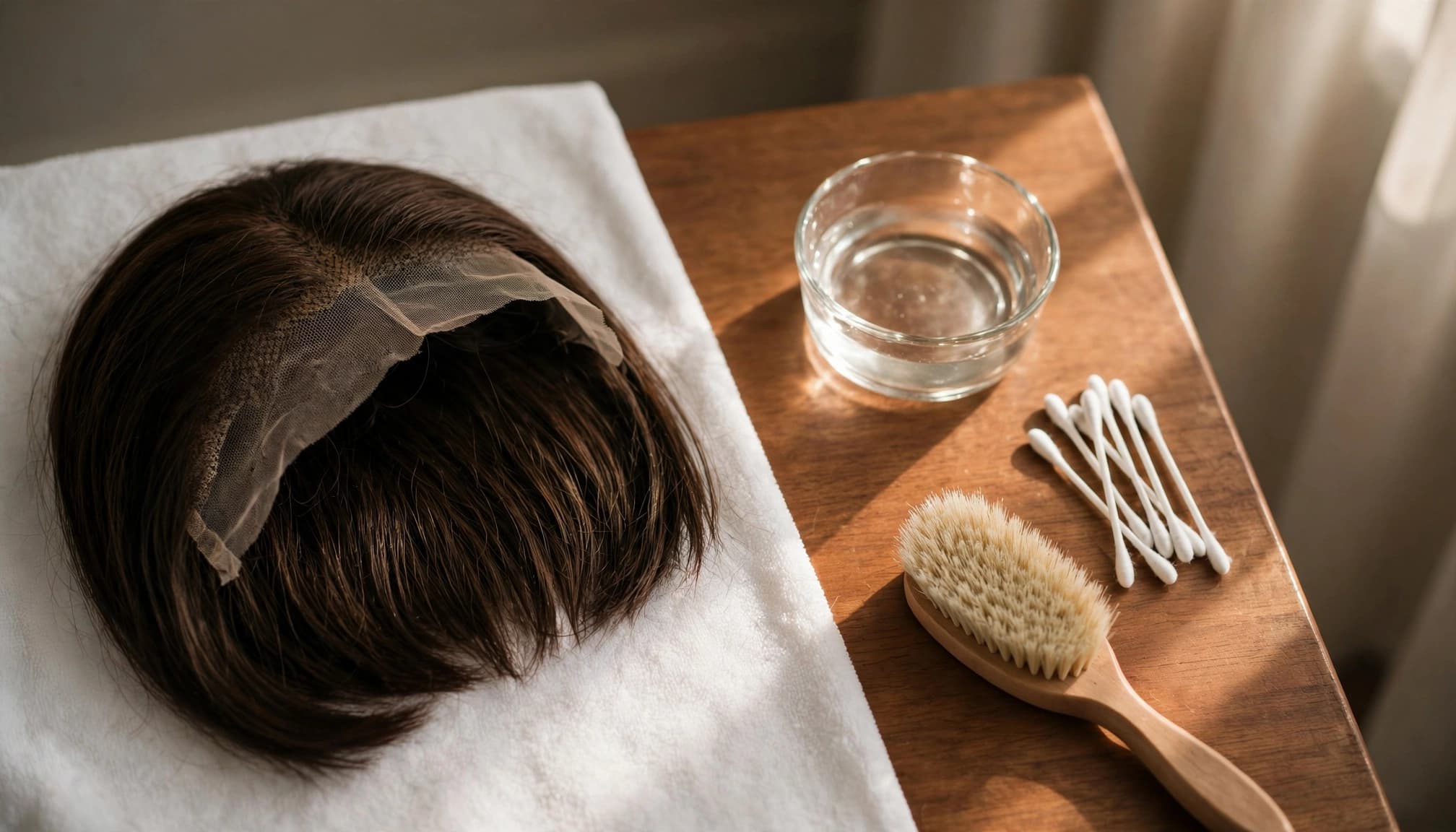
Lift loosened residue without pulling
When the adhesive softens, use a cotton swab or other tool approved by the product directions to ease residue away. Work in short, careful motions and support the lace so it doesn't stretch. If glue stays tacky or resists, pause and follow the label's instructions for another application rather than scraping harder.
Avoid tugging on individual hairs or knots. They can loosen along with the adhesive, leaving thin patches in the hairline. Stop immediately if you see the lace fray, distort, or separate from the hair.
Wash out the remover and let the wig dry
After adhesive residue comes away, clean the wig as directed by its manufacturer and the remover label. C-22 can leave an oily residue of its own; Walker Tape recommends cleaning it with soap and water. For any product, use the specified rinse and shampoo steps rather than assuming that a quick wipe is enough.
Keep the wig supported while washing. Handle the lace gently and avoid twisting, wringing, or rubbing it against itself. If the care instructions permit shampooing, rinse until the product has cleared from the base and hair. Don't apply conditioner or styling products to the lace unless the wig maker says they're suitable.
Pat the unit with a clean towel, then let it air-dry on a wig stand or another form that supports its shape. Keep it away from direct heat while drying. Once dry, inspect the lace and hairline in good light before storing or wearing the wig again.
Shop Best Sellers
-
Short Goddess Faux Locs Wig | Brown Highlight Crochet Dreadlock Wig
Regular price From $158.00 USDRegular price$190.00 USDSale price From $158.00 USDSale -
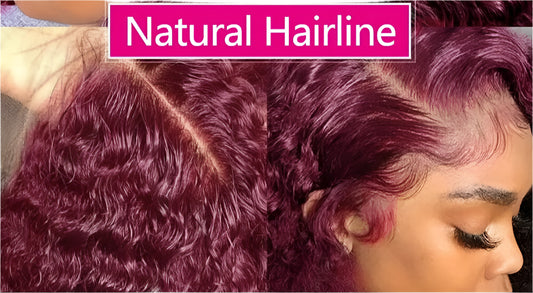
30 Inch Burgundy 99J Curly Human Hair Wig | 13x6 Lace Frontal | 200% Density
Regular price From $257.00 USDRegular price$0.00 USDSale price From $257.00 USD -
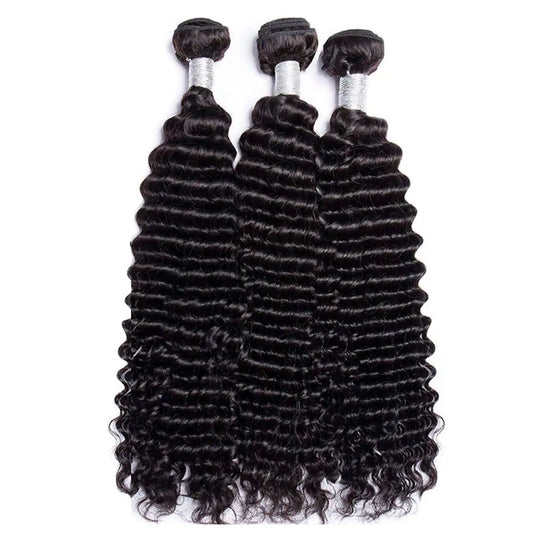
12A Deep Wave Remy Human Hair Bundles | 30 to 32 Inch Weft Extensions
Regular price $364.00 USDRegular price$0.00 USDSale price $364.00 USD -
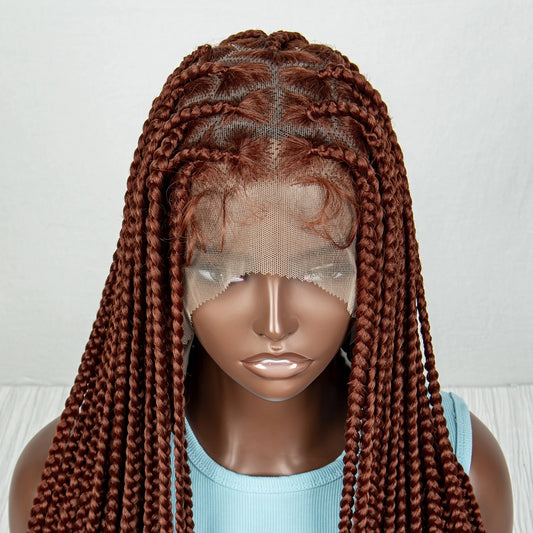
#350 Knotless Box Braids Wig | Short Lace Frontal Bob | Dark Ombre Ginger
Regular price $262.50 USDRegular price$0.00 USDSale price $262.50 USD -
Short Afro Faux Dreads Wig | Synthetic Braided Wig for Men and Women
Regular price $90.00 USDRegular price$120.00 USDSale price $90.00 USDSale -
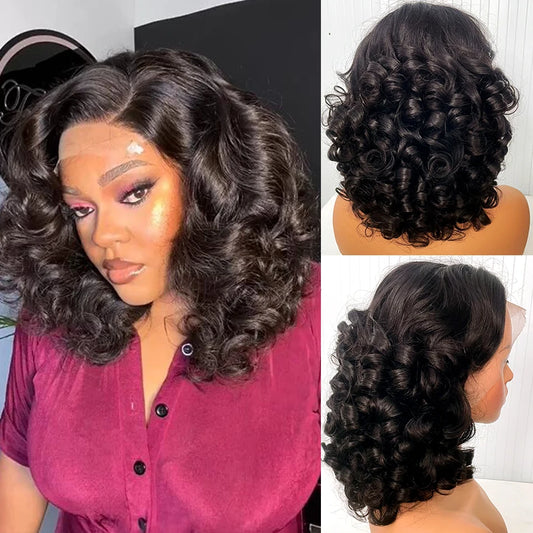
12A Raw Vietnamese Bouncy Wave Wig | 13x4 Lace Frontal | 250% Density
Regular price From $242.00 USDRegular price$0.00 USDSale price From $242.00 USD -
Men's Wingtip Derby Shoes | Genuine Leather Colour Block Lace-Ups
Regular price $263.00 USDRegular price$301.00 USDSale price $263.00 USDSale -
Brazilian Human Hair 13x4 Lace Front Wig | Glueless, Pre-Plucked with Baby Hair
Regular price From $99.00 USDRegular price$132.00 USDSale price From $99.00 USDSale








Avoid common mistakes that damage lace
Don't scrape, pull, or use excessive heat
A fingernail, tweezer, comb tip, or blade can snag fine lace and break knots. Pulling a sticky section can stretch the mesh or lift hairs from the base. Instead, soften the adhesive according to the label and ease it away a little at a time.
Heat isn't a shortcut. A hot comb, blow dryer, or other heated tool can damage synthetic fibers, affect the lace, or make adhesive harder to manage. Use only the temperature and method allowed by the wig's care instructions.
Don't reach for harsh household solvents
Acetone, paint thinner, and other strong solvents can damage fibers, finishes, or lace. Alcohol is not a universal wig-safe adhesive remover either. Use a product intended for wig or hair-system adhesive, and confirm that its directions suit your unit.
Never combine removers or mix them with cleaning products. If you can't confirm that a product is suitable, ask the wig maker or retailer before applying it. This is especially important for delicate lace, colored hair, and units with special coatings or construction.
When to stop and ask for help
Pause if the lace starts to fray, stretch, or separate from the hair. Stop if the hairline becomes thin or knots begin to loosen. Continuing can turn a small residue patch into a repair problem.
If your skin becomes itchy, painful, red, or irritated, stop using the remover and gently follow the product label's directions for skin contact. Don't keep applying solvent to an irritated area. Seek medical advice if the reaction persists or feels severe.
Professional wig care is a good option when adhesive covers a large area, the residue won't soften, or the wig is valuable or especially delicate. A wig specialist can assess the base and choose a cleaning approach for its lace and fiber type. Contact the manufacturer first if the unit is under warranty or has product-specific care instructions.
Frequently asked questions
Can I use the same remover on my skin and my wig?
Not automatically. A product made to release adhesive from skin may have different directions from one used to clean residue off a wig base. Check the label for intended use, and keep skin removal and wig cleaning as separate steps.
How long should remover stay on wig lace?
There isn't one safe time for every product and lace type. Follow the remover's label and the wig maker's instructions. For example, Jon Renau specifies 5 to 10 minutes for LIFT on a hair-system base, while Walker Tape's C-22 soak directions give a 5-to-30-minute range depending on the system and adhesive. Neither timing should be treated as a rule for all wigs.
What if the residue won't come off?
Don't scrape harder or increase the wait time beyond the label. Stop, rinse or clean the area as directed, then ask the manufacturer or a wig-care professional for guidance. A specialist can help avoid damage when the adhesive is stubborn or the lace is already weakening.
Keep the lace intact
The safest cleanup starts by identifying the task: release lace from skin, or remove residue from the wig base. Check the care instructions, patch-test the product, and follow its label from application through rinsing.
Patience protects lace. If glue resists or the mesh begins to fray, pause and get product-specific or professional help rather than forcing it.