

How to Choose Wigs for Prom or Graduation
The right wig should feel like part of your look, not another thing you have to manage all evening. When you compare wigs for prom or graduation, start with comfort and the event itself, then choose a style that feels like you.
You might be dancing for hours, sitting through a ceremony, or wearing a graduation cap for photos. A little planning helps you find a wig that suits your style, fits securely, and feels comfortable from the first picture to the last.
Key takeaways
- Choose a style you already feel good in, whether that means a sleek bob, long curls, braids, or a bold color.
- Check the cap size, construction, and return policy before buying.
- Try the wig with your planned hairstyle, outfit, and graduation cap well before the event.
- Use only products and tools that the wig's care instructions allow.
Start with the event and how long you'll wear the wig
Prom and graduation put different demands on a wig. At prom, you may want a style that stays comfortable while you dance and move around. For graduation, you may need a look that sits neatly under a mortarboard and still looks good once you remove it.
Consider the full schedule, not only the ceremony or dance. Think about the time you'll spend getting ready, traveling, posing for photos, and wearing the wig indoors or outside. If you expect a long day, comfort and a secure fit may matter more than a style that needs frequent touch-ups.
Also check any school guidance on graduation caps. Schools may give directions about how the cap should sit, so it's useful to know those before choosing a high-volume style or an elaborate updo.
Choose a style that feels like you
There's no single look that suits everyone. Your favorite everyday style can be a good starting point, or you might choose prom or graduation as a chance to try something different.
Match the texture and length to your plans
Straight, wavy, curly, coily, braided, and loc-inspired styles can all work for a formal event. Think about the texture you enjoy wearing and how much styling you want to do. A long wig may give you more options for styling, while a bob or shoulder-length cut can feel lighter and may be easier to manage.
For natural hair, consider how you'll prepare it underneath. Braids, twists, curls, and other textures may need different amounts of space under the cap. Avoid forcing your hair into a tight style just to fit a wig; choose a cap construction and size that work with your hair.
Pick a finish that suits your outfit and photos
Your wig doesn't need to match your outfit exactly. Instead, consider the overall effect you want, such as soft curls with a classic dress or a sleek style with a sharper silhouette. If you're choosing a new color, compare it with your outfit in natural light before the event.
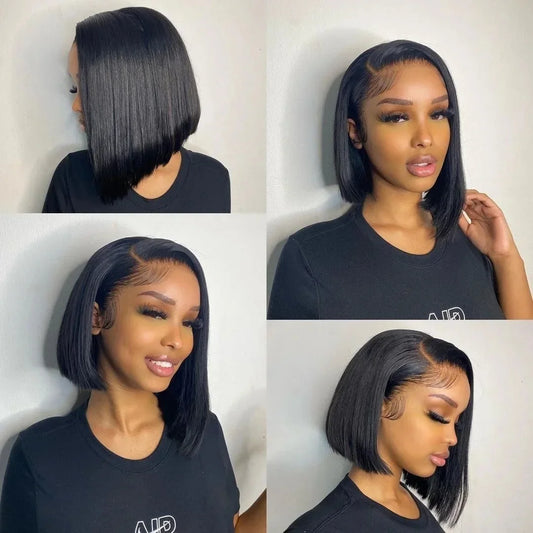
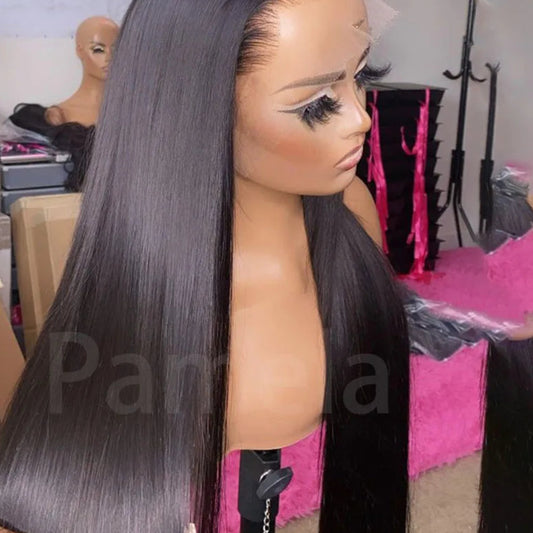
Photos can make a style look different from how it appears in a mirror. Take a few test pictures from the front and side, and check whether the hairline, part, and length look the way you want. For more styling freedom, compare options such as 13x4 lace front wigs, but remember that a wider parting area is a feature, not a requirement for a natural-looking finish.
Compare cap construction, fit, and budget
The inside of the wig affects how it feels as well as how it sits. Cap construction can change the fit and appearance, so read the product details instead of relying only on photos. The National Breast Cancer wig guide describes how cap construction can affect fit, comfort, and appearance. Its guidance is written for people dealing with hair loss, but those construction details can help any shopper compare options.
Look for the features you'll actually use
An adjustable strap can help you fine-tune the fit. Combs or clips may provide extra hold, while a glueless design avoids the need for adhesive. Lace fronts can create a natural-looking hairline, but they may require more care and adjustment than a simple cap.
A product listing may also describe lace dimensions, hair fiber, density, or styling features. For example, the glueless 13x4 Futura lace front wig is a specific listing, not a guarantee that all synthetic wigs have the same feel or performance. Check the care instructions before using heat or styling products.
Set a budget before comparing details
Prices vary with materials, length, construction, and styling features. Decide how much you want to spend, then compare total cost, including any wig cap, grip, pins, or care products you may need. A 30-inch human hair and synthetic blend wig is one example of a listing with a stated blend; check individual product details rather than assuming every blend is made the same way.
Check the fit before prom or graduation
If possible, try the wig on before committing to it for an important event. Follow the seller's sizing instructions and measure your head as directed. A wig that feels too tight can become uncomfortable, while a loose one may shift as you move.

Test it with your own hair underneath
Prepare your hair as you plan to wear it on the day. If you use a wig cap, try the wig with that cap in place; if your hair is very short or you don't want a cap, test the fit without one. A cap can help with security and sweat absorption for some wearers, as Breastcancer.org's wig advice notes, but it should feel comfortable and suit your needs.
Check the front, sides, and nape in a mirror. Bend forward, turn your head, and walk around for a few minutes. If the wig shifts, pinches, or creates pressure, adjust it or try another size or construction.
Take a few test photos
Try the wig in the lighting where you expect to take pictures, if you can. Check the part and hairline from more than one angle, and see how the style falls around your face and shoulders. If you're considering adhesive, practice well ahead of time and follow its product instructions. Don't use a new product for the first time on event day.
Shop Lace Front Wigs
-
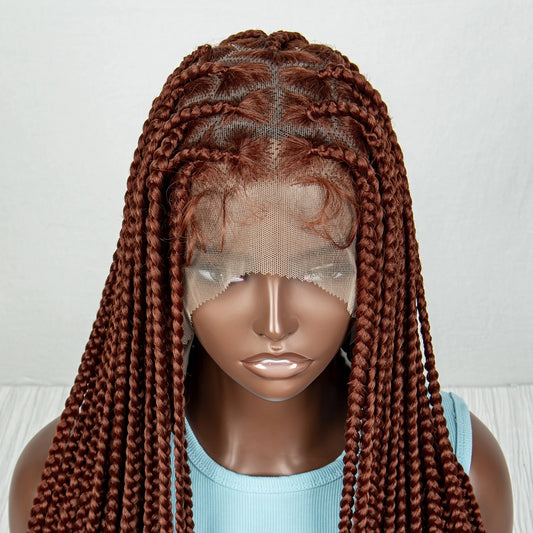
#350 Knotless Box Braids Wig | Short Lace Frontal Bob | Dark Ombre Ginger
Regular price $262.50 USDRegular price$0.00 USDSale price $262.50 USD -
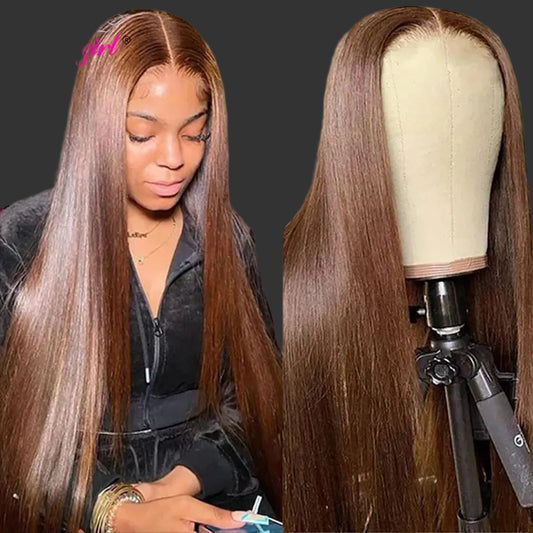
#4 Chestnut Brown Straight Lace Front Wig | 13x4 & 13x6 Transparent Swiss Lace Frontal Wig | 150% & 180% Density 100% Brazilian Remy Human Hair Long Closure Wig for Women (26+ Inch)
Regular price From $364.00 USDRegular price$0.00 USDSale price From $364.00 USD -
#4 Chocolate Brown Straight Bob Wig | Sophisticated 200% Density HD Transparent Lace Frontal | Elegant "Short Bob" Silhouette | "Dignified" Pre-Plucked Brazilian Remy Human Hair for Radiant Versatile Styling
Regular price $150.00 USDRegular price$200.00 USDSale price $150.00 USDSale -
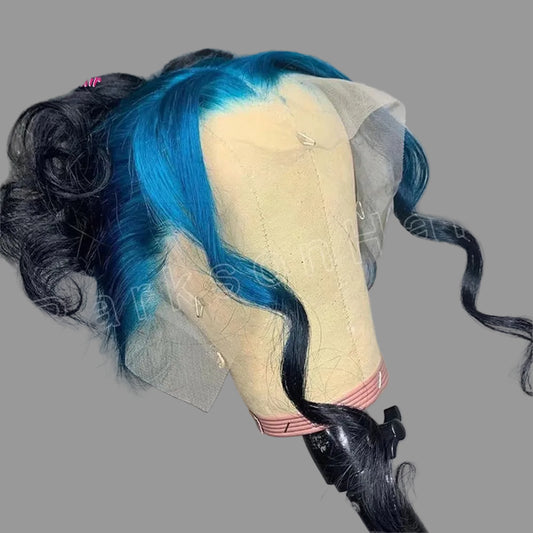
#4/613 Ombre Blonde Lace Front Wig | High-Impact Black with Blue Custom Tone Option | 13x4 HD Transparent Swiss Lace Frontal Body Wave Human Hair Wig for Women
Regular price $502.00 USDRegular price$0.00 USDSale price $502.00 USD -
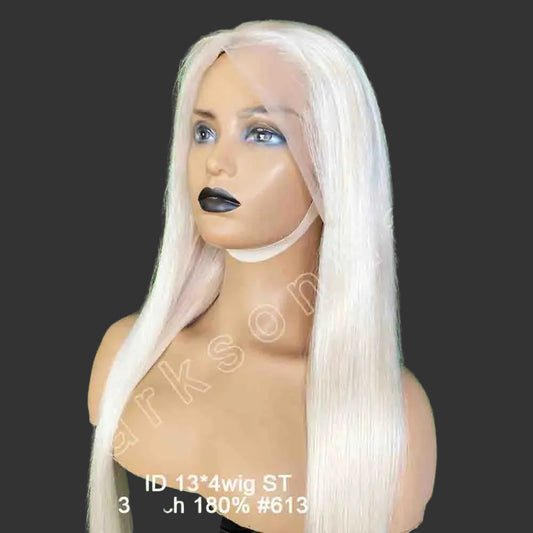
#60 613 Platinum Blonde Wear-and-Go Glueless Wig | 13x4 HD Transparent Lace Frontal Wig | 100% Brazilian Remy Human Hair Body Wave Long 26+ Inch Wig for Women
Regular price From $249.00 USDRegular price$0.00 USDSale price From $249.00 USD -
#60 Platinum Ash Blonde Lace Front Wig | 100% Brazilian Human Hair Glueless Wig | 13x4 & 13x6 HD Transparent Swiss Lace Frontal Body Wave Gown for Women
Regular price From $249.00 USDRegular price$0.00 USDSale price From $249.00 USD -
10-16 inch Short Straight Bob Wig | Brazilian Remy Human Hair | 13x4 Lace Frontal | Natural Looking | Ready to Wear
Regular price $72.51 USDRegular price$120.85 USDSale price $72.51 USDSale -
100% HD Transparent Lace Frontal Wig | Sophisticated "Bone Straight" Silhouette | Pre-Plucked 13x6 HD Full Lace Front Human Hair Wig | "Dignified" High-Performance Brazilian Remy Essential for Radiant Versatile Styling
Regular price From $346.00 USDRegular price$0.00 USDSale price From $346.00 USD









Secure and style it before the big day
Practice putting on the wig and making any adjustments before you're dressed for prom or graduation. Brush or arrange it according to the care instructions, then secure it with the methods designed for that wig. Depending on its construction, you might use adjustable straps, built-in combs, wig grips, or pins.
Keep the base comfortable
A wig cap can help keep hair in place, but it shouldn't pull your hair or feel tight. Choose a cap that accommodates your hair texture and volume. If you have curls, coils, braids, or locs, allow enough room rather than compressing them uncomfortably.
Keep your scalp clean and dry, and give your hair a break from tension where possible. The American Academy of Dermatology advises maintaining scalp hygiene when wearing a weave or hair extensions and changing styles rather than wearing one style continuously. Its hair-care guidance can help you think through care for your own hair underneath.
Choose a secure method you can manage
For a first wig or a long event, a glueless style may be easier to practice with. If you use a wig grip, pins, or adhesive, learn how they feel while moving and sitting. Keep the setup simple enough that you can make small adjustments without help.
The American Cancer Society's guide to choosing and wearing a wig focuses on hair loss related to cancer treatment. Its tips can still be useful for thinking about fit and wearing comfort, though individual needs differ.
Make sure a graduation cap fits over the wig
A mortarboard can press down curls, shift a wig, or sit unevenly if the hairstyle underneath has too much height. Try your full look with the cap before graduation, including any wig cap or grip you plan to wear. Check that the hat rests as your school requires and that you can wear it without pain or slipping.

If the cap compresses a style, consider wearing the wig with a lower profile at the crown or choosing a style that can recover after the cap comes off. For curls or waves, test the result rather than assuming the hair will bounce back. You can also ask the school whether it has instructions for securing the cap.
Plan for the photos after the ceremony, too. Decide whether you'll wear the cap in every picture or remove it for some. Bring a comb or brush that suits the wig, plus any small accessories you already tested.
Plan your event-day touch-ups
Set the wig aside clean and ready the night before. Review its care label, and don't wash, heat-style, or apply products unless the instructions allow it. For a synthetic wig in particular, check the manufacturer's heat guidance before using hot tools.
Pack a small touch-up kit based on what you practiced. It might include a comb, a few pins, or a spare wig cap. Ask a trusted person to help only if you want assistance, and make sure they know how the wig is secured. If anything feels uncomfortable during the event, you can adjust it rather than enduring the pressure.
Frequently asked questions
Should I wear a wig cap under my wig?
A wig cap can help hold hair in place and absorb sweat, but it isn't right for every person or every wig. Try it with your hairstyle underneath and see whether it feels secure without pulling or adding too much heat.
Can I wear a wig with natural curls or braids?
Yes. Choose a cap size and construction that accommodate the volume and shape of your hair. Prepare your hair gently, and avoid styles that create discomfort or excess tension.
How early should I test a wig?
Try to test it before event day, with your outfit and graduation cap if applicable. That gives you time to adjust the fit, practice securing it, and decide whether the style works in photos.
Should I choose human hair or synthetic hair?
There's no universal best choice. Compare the product's care instructions, styling limits, construction, and price with how you plan to wear it. Choose the option that fits your budget and comfort needs.
Choose the look you can enjoy wearing
A good event wig fits comfortably, works with your plans, and feels like a style you chose for yourself. Try it with your hair, outfit, and cap before the day, then keep your setup simple enough to manage with confidence.
There's no one right look for prom or graduation. The best choice is the one that lets you focus on celebrating.