

Winter Wig Care for Dry Air, Static, and Cold Weather
A winter outfit can protect you from the cold while leaving your wig rubbing against wool, coat collars, and scarves. Indoors, dry air can also make static more noticeable, especially in synthetic fibers. Good winter wig care depends on the wig's material and maker's instructions, so the same spray, wash routine, or heat setting won't suit every unit.
A few small habits can help keep the style smooth through cold-weather changes. Start by identifying the fiber, then adjust how you handle, detangle, wash, and store your wig.
Key Takeaways
- Check whether your wig is human hair, synthetic, or a blend before choosing products or heat settings.
- Reduce friction by placing a smooth layer between wig lengths and hats, scarves, and coat collars.
- Detangle gradually from the ends upward, supporting the hair near the cap.
- Follow the wig maker's washing and styling instructions. Care advice can differ by fiber and product.
- Store the wig clean, dry, and supported, away from direct heat.
Winter wig care starts with knowing your fiber
Human-hair wigs and synthetic wigs respond differently to styling products, heat, and washing. Human hair can often be styled with heated tools when the maker permits it. Synthetic fibers may lose their shape or become damaged with heat unless the specific wig is labeled heat-friendly.
Blended wigs need their own instructions, too. A mix of human hair and synthetic fiber doesn't automatically mean it can be treated like either material on its own. If you're unsure what a wig contains, check its product details or ask the seller before applying a new product or using a hot tool.
For example, Luxegan describes this long jet black Futura lace front wig as heat-tolerant. That product-specific description isn't permission to apply the same heat to another synthetic style. Treat the label for your own wig as the guide.
Manage indoor air and static
Static can become more noticeable with synthetic wigs during winter. As Headcovers' synthetic wig care advice notes, dry weather can contribute to static. Rather than reaching for a household hair product, start with gentle handling and products made for your wig's fiber.

Keep room humidity separate from wig care
A room humidifier may help manage indoor air, but it doesn't replace wig conditioner or restore moisture to fibers. Don't point mist directly at a wig or leave the unit where condensation can settle on it. Keep the wig away from radiators and other direct heat sources as well.
If you use a humidifier, follow its cleaning instructions and keep it at a sensible distance from your wig storage area. A hygrometer can help you monitor room humidity. The reading is useful for the room, but it doesn't tell you how much moisture a particular wig needs.
Reduce static without adding the wrong product
First, smooth the wig gently with your hands or a wig-safe brush. For synthetic fibers, use a product specifically labeled for synthetic wigs, and test it on a discreet section before applying more. Headcovers suggests a light spritz of water for static, but follow your wig's care instructions before trying that method, especially if the style has curls or set waves.
Human-hair wigs may tolerate products intended for human hair, but a heavy cream or oil can weigh down a style or leave residue. Use a small amount of a product approved for the wig, and avoid spraying directly onto the cap, knots, or lace.
Limit rubbing from hats, scarves, and coats
The ends of a wig often brush against collars and scarves throughout the day. When you add a snug hat, the hair can also shift under the band. These contact points can leave lengths tangled or change the shape of a style, so plan how the hair will sit before heading out.

A smooth-lined hat or a soft satin or silk scarf worn beneath a winter hat can reduce direct rubbing. Keep the cap comfortable rather than tight, and avoid pushing the wig's hairline backward when adjusting the hat. If you wear a scarf, arrange the wig lengths over or under it intentionally instead of letting them catch between the scarf and coat.
When you come indoors, remove outerwear carefully and check the nape and ends for snags. Don't pull a tangled section free from a zipper, button, or scarf fringe. Separate it with your fingers first, then detangle with a suitable brush or comb.
Handle outdoor-to-indoor transitions gently
Moving between cold outdoor air and heated rooms is part of a winter routine. Give yourself a moment to remove a hat and scarf without tugging at the wig. If the hair has shifted, settle the cap before smoothing the style.
Wait before restyling
After removing a hat, let the wig rest on your head or place it on a stand before reshaping it. Use your fingers to loosen compressed sections first. Then follow the styling method recommended for that wig, whether it means finger-styling curls or using a brush on straight lengths.
Avoid setting a wig near a radiator or using a hot dryer to speed up styling. Synthetic fibers can be especially sensitive to heat, and even heat-friendly labels apply only to the product they describe. A 30-inch deep wave human hair wig has different styling needs from a synthetic unit, but its maker's instructions still determine safe care.
Check for dampness before covering or storing
Snow, rain, and wet outerwear can leave parts of a wig damp. If the hair or cap feels wet, don't cover it with a hat for long periods or put it straight into storage. Blot gently with a clean towel and let the wig dry according to its care label.
For a longer outing in wet weather, a hood can help keep precipitation off the style. Take it off carefully when you return, then check the hair and cap before brushing. Avoid rubbing damp fibers with a towel, since rough handling can tangle the lengths.
Shop Human Hair Wigs
-
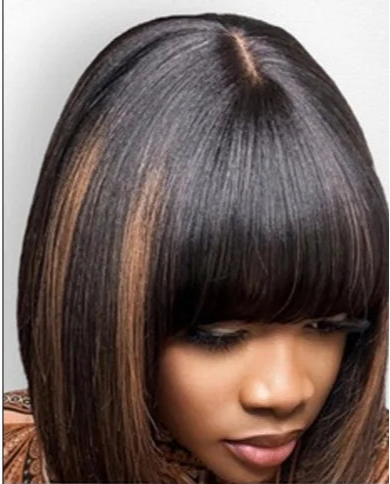
"Put On & Go" Straight Bob Wig | Easy Wear Human Hair with Bangs & Realistic Scalp
Regular price From $111.00 USDRegular price$133.00 USDSale price From $111.00 USDSale -
#4 Brown Pixie Short Cut Wig with Bangs | Straight Human Hair Full Machine Made
Regular price $112.00 USDRegular price$168.00 USDSale price $112.00 USDSale -
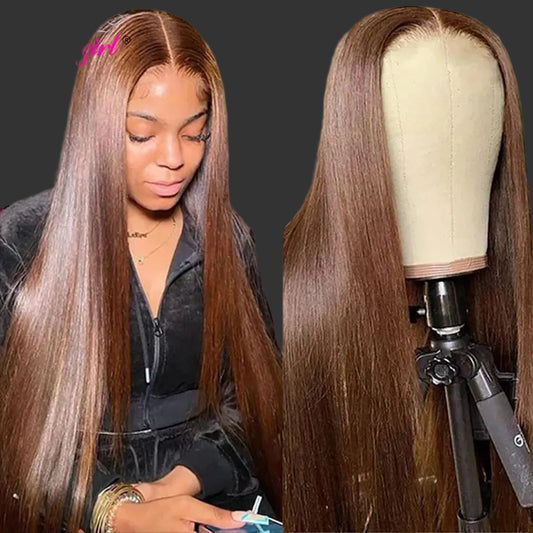
#4 Chestnut Brown Straight Lace Front Wig | 13x4 & 13x6 Transparent Swiss Lace Frontal Wig | 150% & 180% Density 100% Brazilian Remy Human Hair Long Closure Wig for Women (26+ Inch)
Regular price From $364.00 USDRegular price$0.00 USDSale price From $364.00 USD -
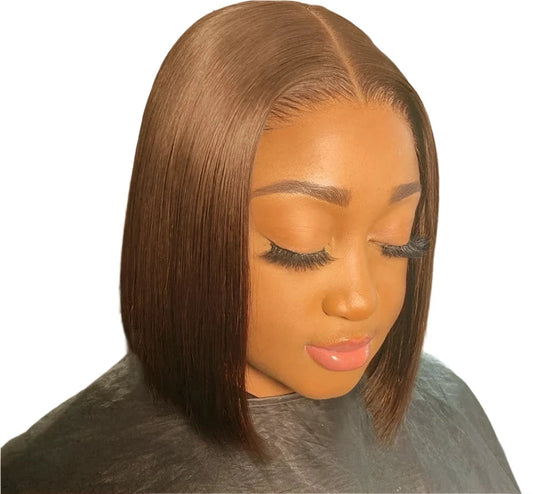
#4 Chocolate Brown Bob Wig | Glueless | Ready To Wear | Brazilian Hair | Human Hair | Straight | Invisible | Closure Wigs For Women
Regular price From $151.00 USDRegular price$172.00 USDSale price From $151.00 USDSale -
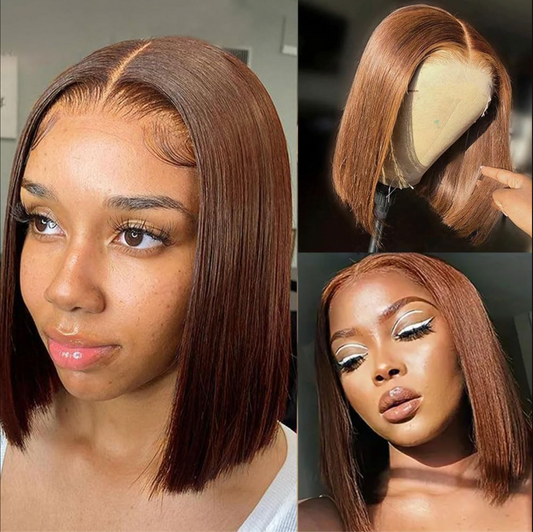
#4 Chocolate Brown Straight Bob Wig | Sophisticated 200% Density HD Transparent Lace Frontal | Elegant "Short Bob" Silhouette | "Dignified" Pre-Plucked Brazilian Remy Human Hair for Radiant Versatile Styling
Regular price $150.00 USDRegular price$200.00 USDSale price $150.00 USDSale -
#4/613 Ombre Blonde Lace Front Wig | High-Impact Black with Blue Custom Tone Option | 13x4 HD Transparent Swiss Lace Frontal Body Wave Human Hair Wig for Women
Regular price $502.00 USDRegular price$0.00 USDSale price $502.00 USD -
#60 613 Platinum Blonde Wear-and-Go Glueless Wig | 13x4 HD Transparent Lace Frontal Wig | 100% Brazilian Remy Human Hair Body Wave Long 26+ Inch Wig for Women
Regular price From $249.00 USDRegular price$0.00 USDSale price From $249.00 USD -
#60 Platinum Ash Blonde Lace Front Wig | 100% Brazilian Human Hair Glueless Wig | 13x4 & 13x6 HD Transparent Swiss Lace Frontal Body Wave Gown for Women
Regular price From $249.00 USDRegular price$0.00 USDSale price From $249.00 USD









Detangle without pulling
A few minutes of careful detangling can prevent small snags from becoming difficult knots. Work in sections, and hold the hair near the area you're brushing so the tension doesn't pull on the cap or lace. Start at the ends and move upward in short strokes.
Choose tools for the style
A wide-tooth comb or a wig brush can work, depending on the fiber and texture. Straight styles usually need a different approach from tight curls. For curls, separate tangles with your fingers and preserve the curl pattern rather than brushing through the whole wig.
If you're choosing a brush, check the wig maker's recommendations first. Keep the wig secure on a stand or hold it carefully while working. Don't use force when a knot resists. Add a small amount of fiber-appropriate detangling product if the care label allows it, then work through the snag patiently.
Give extra attention to contact points
Check the nape, ends, and areas that touch hats or collars. These sections are easy to miss during a quick brush-through. For long styles, divide the hair into manageable sections and detangle one at a time.
A synthetic wig care guide from The Hair Society advises gentle detangling and avoiding rubbing or wringing synthetic fibers during care. Use that same restrained approach when working out a knot: slow strokes are safer than tugging from the roots.
Wash and dry according to the label
Washing frequency depends on how often you wear a wig, the products you apply, and the maker's directions. There isn't one reliable schedule for every synthetic or human-hair wig. Envy Wigs, for example, suggests washing a synthetic wig every six to eight wears or when it feels lifeless, but that interval may not fit another wig's instructions.
Use fiber-appropriate cleanser
Before washing, gently detangle the wig. Choose a cleanser made for the specific fiber, and follow its directions for water temperature and washing technique. Advice can vary: Wig USA's care instructions recommend mild shampoo and lukewarm water, while other synthetic-wig instructions may call for cooler water.
Avoid scrubbing, twisting, or wringing the hair. Don't assume a human-hair shampoo or conditioner is safe for synthetic fibers. Likewise, avoid applying a synthetic-fiber product to a human-hair wig unless its maker approves it. If the product label and wig instructions conflict, contact the wig seller or manufacturer.
Air-dry with care
After washing, blot away excess water without rubbing. Place the wig on a stand or a clean towel to dry, and keep it away from direct heat. Cleveland Clinic's advice on washing and air-drying wigs says to blot the hair and let it air-dry, and warns against using heat on synthetic wigs.
Heat-friendly synthetic wigs are a product-specific exception, not a general rule. If the maker permits heated styling, follow its stated temperature and method. Don't use a setting simply because it worked on a different wig.
Store the wig clean, dry, and supported
Before storage, make sure the wig is fully dry. Keep it on a wig stand when you want to preserve its shape, or store it in a clean, breathable space according to the maker's instructions. A clean satin or silk bag can help limit friction for a wig that's ready to travel, but avoid sealing away damp hair.
Keep the unit away from direct sunlight, radiators, and crowded drawers where the style may be crushed. For travel, place the wig securely in a case or bag and arrange the lengths so they aren't sharply folded. Once you reach your destination, take it out and reshape it gently.
Store accessories separately. Brushes, combs, and styling products can snag the hair or leave residue if they're packed directly against it. Keeping the wig clean and protected also makes it easier to spot tangles before the next wear.
Winter wig care FAQs
Can I use a regular anti-static spray?
Only if the wig maker says it's suitable. Some household sprays contain ingredients that can leave buildup or affect a synthetic fiber's finish. Choose a product labeled for the wig material, test a small hidden section, and use less than you think you need.
Should I brush a wig as soon as I come inside?
If the wig is dry and free of snags, you can smooth it gently. After removing a hat, use your fingers first and check the ends and nape. If the hair is wet, blot and air-dry it according to the care label before detangling.
Does every synthetic wig tolerate low heat?
No. Heat resistance depends on the specific fiber and product. Some Futura wigs are labeled for limited heat styling, while other synthetic wigs shouldn't be exposed to heated tools. Check the manufacturer's directions before styling.
Keep your winter routine gentle
Static, friction, and tangles call for different fixes, and the wig's fiber determines which products and styling methods are safe. Reduce rubbing under hats and scarves, detangle patiently, and let wet hair air-dry as directed.
When instructions differ, follow the care label for your specific wig. That simple rule helps protect the style through winter's daily changes.