

What 10A Human Hair Means for Wig Buyers
A wig labeled 10A human hair can sound like a clear quality guarantee. In practice, the number usually comes from the seller's own grading system, not a universal testing organization.
If you're comparing 10A human hair wigs, look beyond the label. Hair type, cuticle direction, processing, density, lace, cap construction, reviews, and return terms give you a more realistic picture of what you'll receive.
What 10A human hair means on a wig listing
When a seller describes a wig as 10A human hair, "human hair" identifies the fiber, while "10A" is a quality grade assigned by that seller or supplier.
Many online hair stores use letter-and-number scales such as 5A, 7A, 9A, and 10A. Higher numbers often suggest the seller considers the hair fuller, softer, longer-lasting, or less processed. Some listings also connect 10A with smooth cuticles, minimal shedding, and a more natural finish.
However, 10A is not a universal certification. There isn't one shared industry test that requires every seller's 10A hair to meet the same standards. A 10A wig from one store may differ greatly from a 10A wig from another.
The label also doesn't automatically mean the hair is virgin, raw, or Remy. It doesn't confirm the hair's source, how it was collected, how many times it was chemically treated, or how well the wig cap was made. Those details should appear separately in the product description.
Human hair quality and wig quality are connected, but they aren't identical. A wig can contain good hair and still have weak lace, uneven density, poor ventilation, or an uncomfortable cap. Look at the full product, not one number.
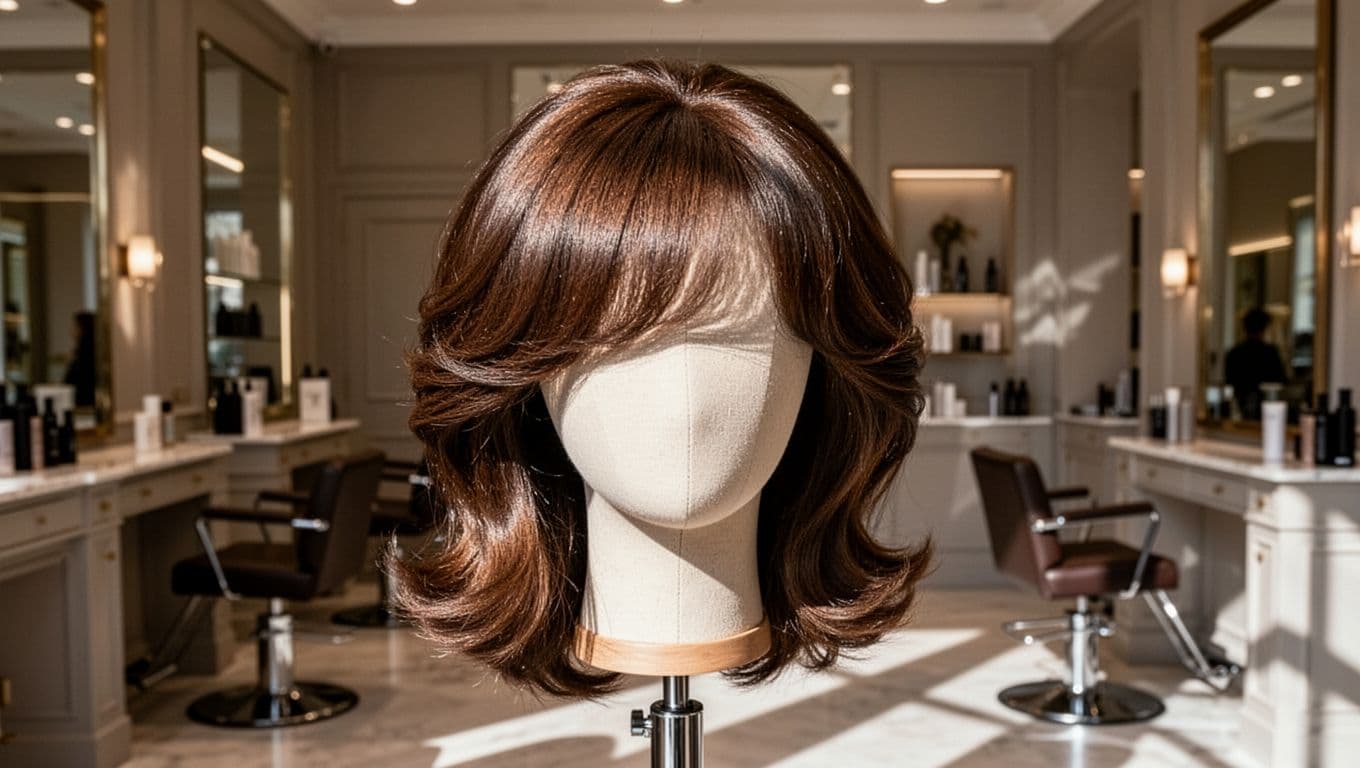
What a 10A label may suggest, and what it cannot prove
A seller using the 10A grade may be promising hair with a smooth feel, natural movement, consistent color, and fewer short strands. The hair may also hold styling well when cared for correctly.
Those traits depend on the hair's condition and the wig's construction. A long wig can feel thin at the ends if it has low density or contains many shorter strands. A straight wig may look glossy in a studio photo but behave differently after washing.
Terms such as Remy and virgin add useful information, but they need careful interpretation:
- Remy hair generally refers to hair collected with the cuticles facing the same direction. Cuticle alignment can reduce tangling, although the term doesn't describe every part of the wig's quality.
- Virgin hair usually means hair that hasn't received chemical processing before sale. Ask the seller whether the hair has been colored, permed, relaxed, or otherwise treated.
- Raw hair is often presented as minimally processed or unprocessed hair, but sellers don't always use the term in the same way.
A wig can be described as 10A and Remy, yet still have a cap that doesn't fit well. Another may be labeled 8A but offer better lace, denser ends, and clearer product information.
A grade can describe a seller's pricing system, but it cannot replace evidence about the actual wig.
Is 10A better than 9A or 8A?
The answer depends on how each seller defines its grades. Since the scale isn't standardized, 10A doesn't guarantee better performance than 9A or 8A.
One store might use 10A for its premium collection. Another might reserve the label for longer lengths or a particular hair source. A third seller might use grades mainly as marketing language, with little information to support the difference.
Compare the details behind the grade instead. Check whether the listing states the hair type, density, lace material, cap size, length, and processing history. Product photos should show the hairline, parting area, ends, and overall shape.
A video comparing 5A through 10A grades can help you recognize common seller terminology, but treat it as a vocabulary aid rather than proof of a universal standard. You can view one hair-grade comparison video while keeping the product listing and seller evidence as your main references.
A carefully made lower-labeled wig can be a better purchase than a poorly described 10A unit. The number matters less than the accuracy of the information behind it.
Judge wig quality beyond 10A hair grading
Check the cap and lace construction
The wig should match the way you plan to wear it. A glueless wig needs a secure cap design, adjustable straps, combs, or another method that suits your routine. A lace-front wig should show a believable hairline and enough lace for the parting style you want.
Density also affects the final look. Lower density can appear lighter and more natural, while higher density creates a fuller style but may feel heavier. Sellers should state the density clearly, especially for long or curly units.
Look for close-up photos of the lace, knots, part, wefts, and hairline. Uneven ventilation or bulky edges may matter more to your daily experience than a 10A label.
Watch how the hair behaves
Natural-looking hair should have movement rather than appearing stiff or overly coated. Check whether the strands look consistent near the roots and ends. Excessive frizz, rough ends, or visible short pieces may indicate heavy processing, uneven hair, or poor finishing.
Ask whether the displayed wig is the exact unit you will receive. Some sellers photograph a sample and ship a different unit with a similar style. A short video in natural light can reveal texture, density, shine, and movement more accurately than heavily edited images.
Also consider the style itself. Bleached blonde, vivid color, tight curls, and very long lengths may require more maintenance than a short, lightly processed wig. A 10A human hair wig still needs suitable care after purchase.
Shop Human Hair Wigs
-
"Put On & Go" Straight Bob Wig | Easy Wear Human Hair with Bangs & Realistic Scalp
Regular price From $111.00 USDRegular price$133.00 USDSale price From $111.00 USDSale -
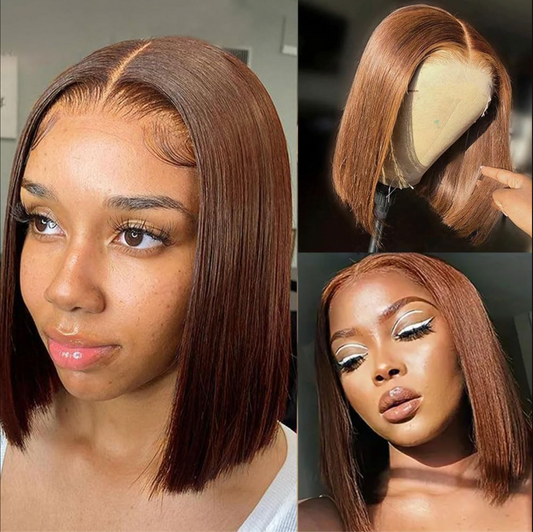
#4 Brown Pixie Short Cut Wig with Bangs | Straight Human Hair Full Machine Made
Regular price $105.00 USDRegular price$126.00 USDSale price $105.00 USDSale -
#4 Chestnut Brown Straight Lace Front Wig | 13x4 & 13x6 Transparent Swiss Lace Frontal Wig | 150% & 180% Density 100% Brazilian Remy Human Hair Long Closure Wig for Women (26+ Inch)
Regular price From $364.00 USDRegular price$0.00 USDSale price From $364.00 USD -
#4 Chocolate Brown Bob Wig | Glueless | Ready To Wear | Brazilian Hair | Human Hair | Straight | Invisible | Closure Wigs For Women
Regular price From $151.00 USDRegular price$172.00 USDSale price From $151.00 USDSale -
#4 Chocolate Brown Straight Bob Wig | Sophisticated 200% Density HD Transparent Lace Frontal | Elegant "Short Bob" Silhouette | "Dignified" Pre-Plucked Brazilian Remy Human Hair for Radiant Versatile Styling
Regular price $150.00 USDRegular price$200.00 USDSale price $150.00 USDSale -
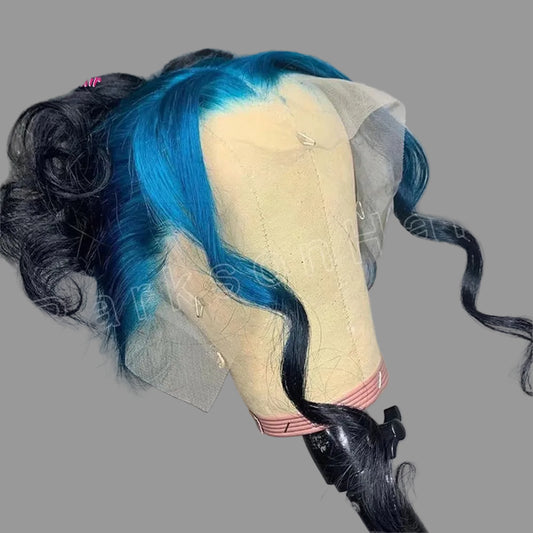
#4/613 Ombre Blonde Lace Front Wig | High-Impact Black with Blue Custom Tone Option | 13x4 HD Transparent Swiss Lace Frontal Body Wave Human Hair Wig for Women
Regular price $502.00 USDRegular price$0.00 USDSale price $502.00 USD -
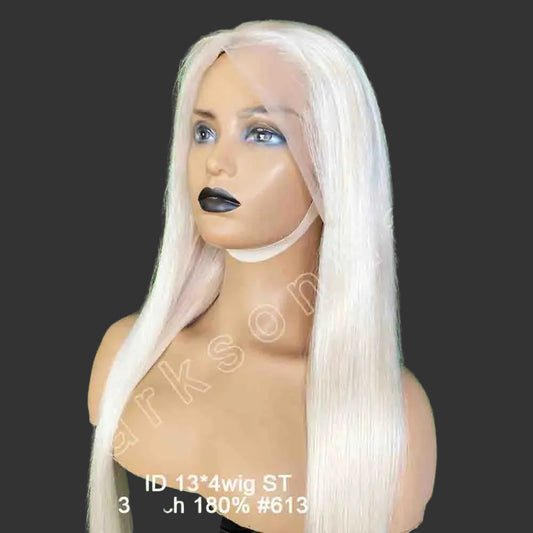
#60 613 Platinum Blonde Wear-and-Go Glueless Wig | 13x4 HD Transparent Lace Frontal Wig | 100% Brazilian Remy Human Hair Body Wave Long 26+ Inch Wig for Women
Regular price From $249.00 USDRegular price$0.00 USDSale price From $249.00 USD -
#60 Platinum Ash Blonde Lace Front Wig | 100% Brazilian Human Hair Glueless Wig | 13x4 & 13x6 HD Transparent Swiss Lace Frontal Body Wave Gown for Women
Regular price From $249.00 USDRegular price$0.00 USDSale price From $249.00 USD
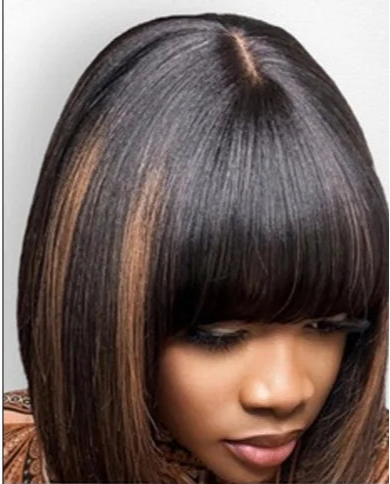
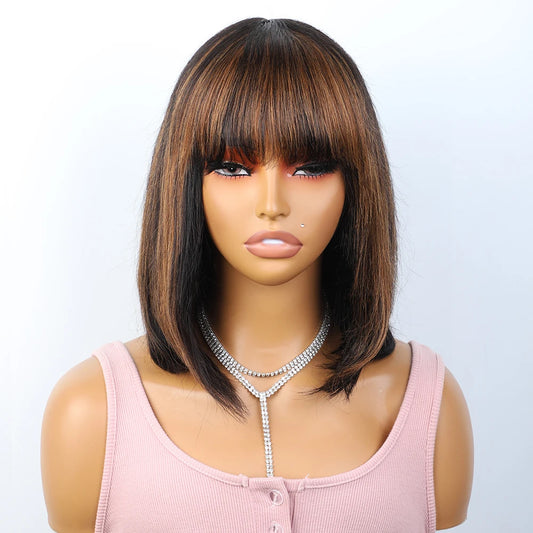



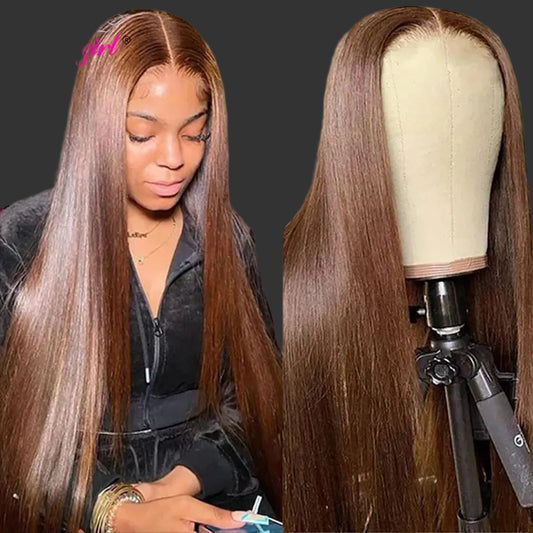






Practical buyer checklist for a 10A wig
Before placing an order, review these details carefully:
- Confirm that the seller names the hair type and explains what its 10A grade means. If the listing uses terms such as virgin or Remy, look for a clear definition.
- Check the stated length, density, cap size, lace type, parting options, and color. A product page should not leave these basics unclear.
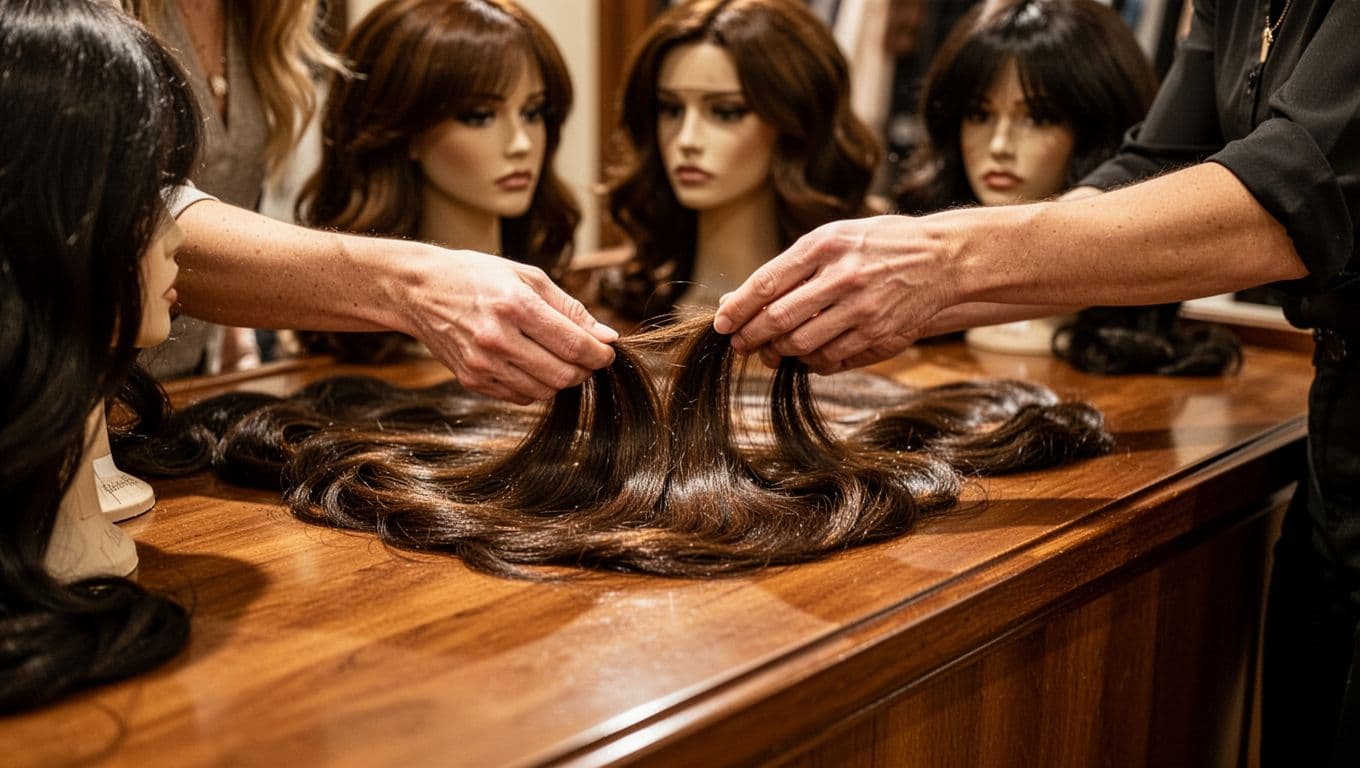
- Study close-up photos of the hairline, lace, knots, ends, and part. Images taken in natural light are more useful than polished photos alone.
- Read customer reviews for the exact style and length you want. Look for comments about shedding, tangling, odor, cap fit, curl retention, and how the hair looks after washing.
- Give more weight to reviews with buyer photos or videos. A review for a short straight wig may not predict how a long colored unit will perform.
- Find the care guidance before buying. The seller should explain washing, detangling, drying, heat styling, and storage. Vague care advice can make maintenance harder.
- Read the return terms before cutting the lace, washing the wig, removing tags, or applying products. Some sellers reject returns after alteration or wear.
- Check shipping times, payment protection, and customer service contact details. Transparent policies reduce surprises if the unit arrives differently than expected.
A trustworthy listing should answer practical questions without forcing you to guess. If the seller highlights 10A repeatedly but says little about density, lace, processing, or returns, treat that as a warning sign.
Seller transparency matters even more when the price is high. The product should have consistent photos, specific measurements, realistic care instructions, and reviews that match the advertised style.
Price, care, and expected wear
A 10A label often increases the asking price, but price alone doesn't prove quality. A human hair wig guide from Perfect Locks lists quality wigs at roughly $300 to $2,000 or more, depending on factors such as construction and hair grade. That range shows why you need to compare the full specification rather than grade names alone.
Wear time depends on how often you use the wig, how much heat and product it receives, and whether you store it properly. Occasional wear usually creates less stress than daily use. Curly and colored styles may also need more careful handling.
Use a wide-tooth comb or suitable detangling brush, begin at the ends, and avoid pulling at the lace. Wash according to the seller's guidance, allow the hair to dry fully, and use heat protection before styling. Store the wig on a stand or in a clean, breathable place so the shape and hairline stay protected.
The best purchase is one that fits your routine. Paying for a high grade makes little sense if the cap feels uncomfortable or the maintenance is more demanding than you expected.
Conclusion
10A human hair usually means the seller places the wig near the top of its own grading scale. It doesn't confirm a universal level of quality, a particular hair source, or a flawless wig.
Use the label as one clue, then inspect the hair description, cap construction, density, close-up photos, customer reviews, care instructions, and return policy. A transparent listing gives you more useful information than a high grade printed beside an unclear product description.