

Copper Wig Shades: Find a Color That Fits Your Style
Copper can read as soft and sunlit, warm and classic, or bright enough to become the focus of your look. The right choice depends on the shade you enjoy seeing on yourself, the style you want, and how the color looks in the light where you'll wear it.
Copper wig shades don't follow one universal naming system. Retailers may use labels such as "copper," "auburn," or a color number, so compare photos and product details rather than relying on the name alone.
Key Takeaways
- Strawberry copper has a lighter, softer look; classic copper feels warm and balanced; vivid copper makes a more noticeable statement; auburn-copper adds depth.
- Shade names aren't standardized across sellers. Check product photos, color descriptions, and return terms before buying.
- Skin tone can be a useful styling reference, but it shouldn't be a rule. Choose the shade you like against your own wardrobe and makeup.
- Indoor bulbs and daylight can make the same wig appear different. Review it in more than one setting when possible.
- Fiber type affects care. Follow the maker's instructions, especially before washing or applying heat.
How Copper Wig Shades Differ
These names describe visual families, not fixed color standards. Product labels vary, so use them as a starting point when comparing options.
Light strawberry copper for a softer look
Strawberry copper is a lighter, more delicate-looking option. Depending on the wig, it may appear closer to golden copper, peachy red, or a muted blend. It can suit someone who wants a warm change without choosing a very saturated color.
This descriptive shade name isn't guaranteed to match a retailer's listing. Look closely at the product photos and check whether the color description mentions lighter or golden tones.

Warm classic copper for an everyday statement
Classic copper sits between pale strawberry tones and vivid orange-red. It can bring warmth and color to a style without feeling as high-impact as a brighter copper. Loose waves, a straight bob, or a longer layered cut can each give the shade a different mood.
Retail names such as "copper" and "ginger" may overlap, so compare the actual photos. Luxegan, for example, lists #350 Copper as one of the color options on its short pixie human-hair wig.
Deep auburn-copper for a richer look
Auburn-copper blends a darker, reddish-brown impression with copper warmth. It's a good direction to explore if you like the red family but prefer more depth than a bright orange-copper provides.
Color names can be imprecise, so check that the listing shows the balance of brown and red you want. Luxegan's auburn-copper body wave bundles offer a product example of a deeper reddish-brown look.
Vivid copper for a bolder style
Vivid copper is the most attention-grabbing option in this group. It tends to look more saturated and can make a short cut or sleek style feel especially graphic. If you enjoy strong color, this can be a way to make the wig a central part of your outfit.
Because "vivid copper" isn't a standardized shade label, review the listing images at full size. If available, compare the wig's color in customer photos as well.

Consider Your Undertones Without Following Rigid Rules
Undertones can help you describe what you like, but they shouldn't decide for you. A shade that feels right is the one you're comfortable wearing, whether it contrasts with your complexion or blends with its warmth.
Compare the wig with your own features
Look at the product photo beside a recent picture of yourself taken in natural light, or hold a color swatch near your face if one is available. Notice whether you prefer the effect of a lighter strawberry copper, a balanced copper, or a deeper auburn. The goal isn't to pass a test. It's to see which shade feels like your style.
You can also consider the colors you already wear often. Cream, denim, black, green, and jewel tones can each create a different impression beside copper hair. Your favorite wardrobe colors may be a more useful guide than a complexion chart.
Use makeup and accessories as styling tools
If you're unsure about a shade, think about how you normally finish a look. A warm copper can work with understated makeup or a stronger lip, while a deep auburn may feel at home with darker clothing and accessories. These are styling options, not fixed pairings.
For a first copper wig, pick a tone you can picture wearing with clothes you already own. You can always add contrast through makeup, jewelry, or a different outfit.
Check Copper Hair in More Than One Light
A product image captures one setup, not every setting where you'll wear the wig. Warm indoor bulbs, cool daylight, and phone-camera processing can all affect how a color appears on a screen. That doesn't mean the wig itself has changed; it means the viewing conditions differ.
Review listing photos carefully
Zoom in on several product images, especially if the retailer shows the wig from multiple angles. Look for whether the roots, lengths, and ends appear to have the same color or a noticeable gradient. If the listing provides a color chart, check whether the chart describes a shade family or a specific product color.
When possible, ask the seller about the wig's base color and whether the pictured shade is edited. A brief clarification can help you distinguish a rich auburn from a brighter copper before ordering.
Compare in daylight and indoor light
If you can view a swatch or wig in person, check it near a window and again under the lighting you use at home. Take a moment to look at it from different angles, since shine and texture can make strands look lighter or darker.

For an online purchase, use customer images as a second reference when they're available. They can offer a different view from studio photos, although lighting and camera settings still vary.
Match the Shade to the Cut and Texture
Color and shape affect each other. A vivid shade can make a short, defined cut feel modern; a deeper copper can give long waves a softer, more dimensional impression. Neither choice is exclusive. Pick the combination that suits your routine and taste.
Short cuts make color easy to notice
Pixie cuts and bobs put the shade close to the face, which can make a copper color feel prominent even at a shorter length. If you want an easy-to-style cut with color as the focal point, compare cap construction, texture, and length along with the shade.
Luxegan's short copper pixie human hair wig lists #350 Copper among its available color options. That product label applies to this listing, not every seller's catalog.
Waves and curls add visual movement
Curly and wavy textures can show copper in varied ways as strands turn toward or away from the light. Straight styles, by contrast, give the color a smoother, more continuous appearance. Choose the texture you're comfortable maintaining, then consider which copper family works with it.
A longer wave can soften the impact of a bright shade, while a sleek bob can make the same color feel sharper. The cut doesn't need to match a particular shade category. Use product photos to judge the complete look together.
Shop Best Sellers
-
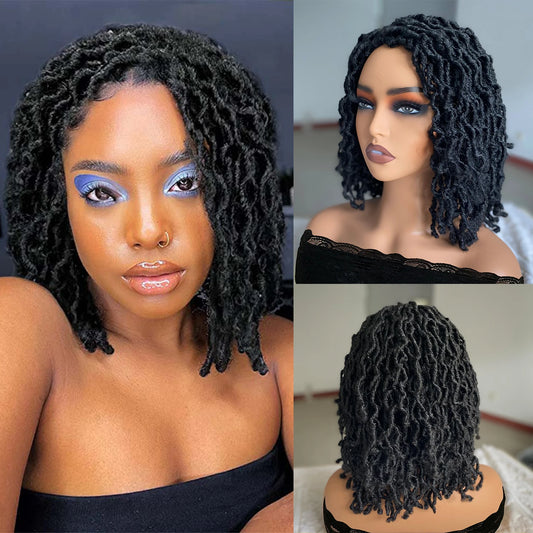
Short Goddess Faux Locs Wig | Brown Highlight Crochet Dreadlock Wig
Regular price From $158.00 USDRegular price$190.00 USDSale price From $158.00 USDSale -
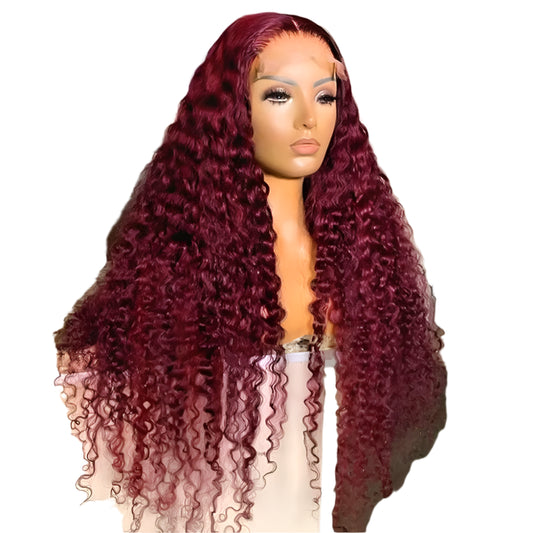
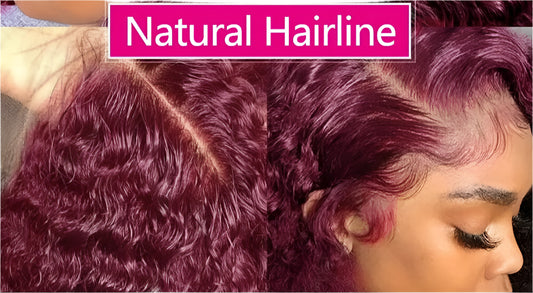
30 Inch Burgundy 99J Curly Human Hair Wig | 13x6 Lace Frontal | 200% Density
Regular price From $257.00 USDRegular price$0.00 USDSale price From $257.00 USD -
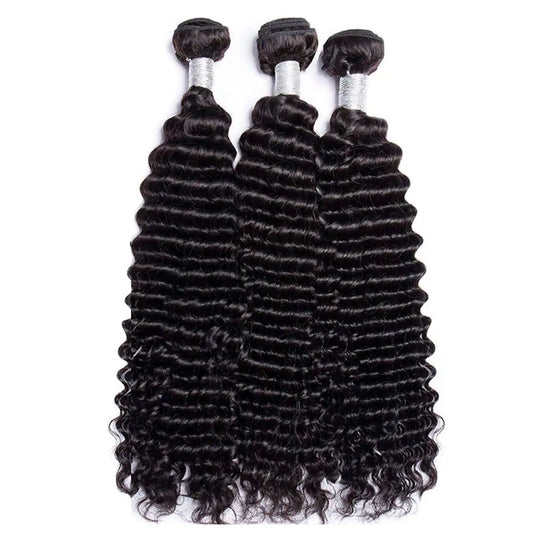
12A Deep Wave Remy Human Hair Bundles | 30 to 32 Inch Weft Extensions
Regular price $364.00 USDRegular price$0.00 USDSale price $364.00 USD -
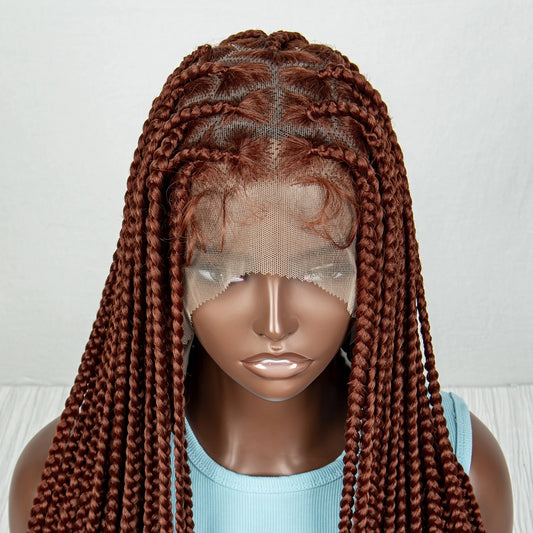
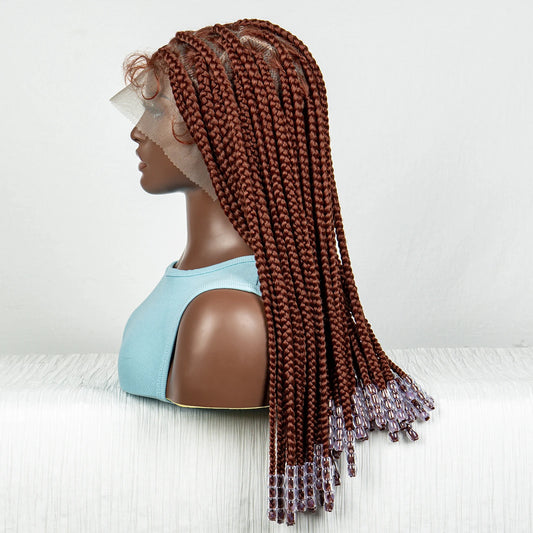
#350 Knotless Box Braids Wig | Short Lace Frontal Bob | Dark Ombre Ginger
Regular price $262.50 USDRegular price$0.00 USDSale price $262.50 USD -
Short Afro Faux Dreads Wig | Synthetic Braided Wig for Men and Women
Regular price $90.00 USDRegular price$120.00 USDSale price $90.00 USDSale -
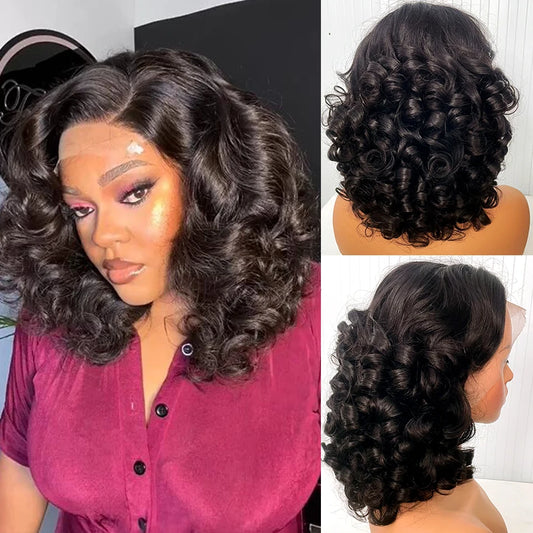
12A Raw Vietnamese Bouncy Wave Wig | 13x4 Lace Frontal | 250% Density
Regular price From $242.00 USDRegular price$0.00 USDSale price From $242.00 USD -
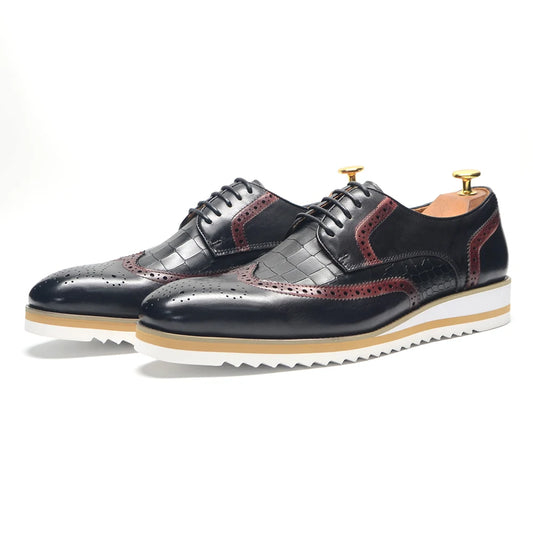
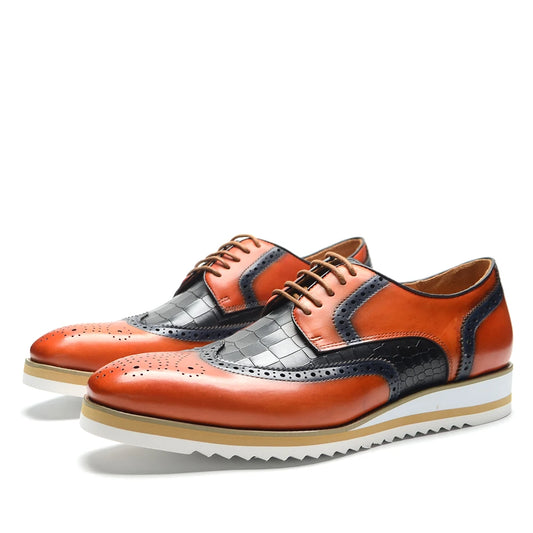
Men's Wingtip Derby Shoes | Genuine Leather Colour Block Lace-Ups
Regular price $263.00 USDRegular price$301.00 USDSale price $263.00 USDSale -
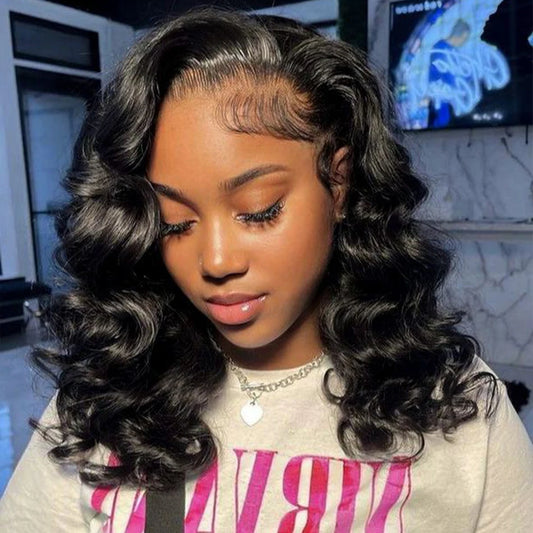
Brazilian Human Hair 13x4 Lace Front Wig | Glueless, Pre-Plucked with Baby Hair
Regular price From $99.00 USDRegular price$132.00 USDSale price From $99.00 USDSale






Choose a Wig You'll Feel Comfortable Wearing
A shade is only part of the decision. Cap fit, parting options, construction, fiber, and styling needs affect how well a wig fits your everyday plans. The American Cancer Society's guide to choosing and wearing a wig compares general wig options, including differences between synthetic and human hair.
Consider fiber and styling flexibility
Human-hair wigs generally allow more styling flexibility, but they require more upkeep. Synthetic wigs can need less maintenance, though heat styling depends on the specific fiber. Check the product description before using hot tools; some synthetic wigs aren't heat-safe.
If you want to change the part or restyle the hair, review the cap details and care instructions before ordering. When you're new to wigs, choosing a style that works close to how it arrives can make getting ready simpler.
Check fit, return terms, and color details
Measure your head using the seller's instructions and confirm whether the cap offers adjustment. Also review return rules, since some retailers restrict returns on altered or worn wigs. For color, check whether the product describes the shade by name, number, or both.
Color codes aren't universal. A #350 on one listing may not be a reliable match for a different brand's #350, so compare photos and specifications for the exact item you plan to buy.
Care for Copper Wigs According to Their Fiber
Good care helps preserve a wig's shape and finish. The right method depends on whether the wig is synthetic or human hair, and on the manufacturer's directions. Avoid treating every copper wig the same way.
Wash gently and follow the product guidance
For synthetic wigs, CancerCare's synthetic wig care instructions recommend cool water and gentle handling. Its guidance suggests washing about once a month, while other makers may recommend a different schedule. Follow the instructions that come with your wig, since wear frequency and fiber can vary.
Before washing, detangle carefully with a suitable brush or wide-tooth comb. Don't scrub, twist, or wring the hair. Afterward, let the wig dry as directed, and avoid heat unless the product is explicitly rated for it.
Protect the style between wears
Store the wig so it can keep its shape and avoid tangling. A wig stand can help with storage, while a satin or silk covering can reduce friction when you're not wearing it. Keep the wig away from unnecessary heat and direct sunlight.
For human hair, use products and tools that suit the maker's instructions. If the wig is colored, avoid experimenting with dye or chemical treatments unless the retailer confirms that the hair can be treated safely.
Frequently Asked Questions About Copper Wig Shades
Which copper wig shade is easiest to wear?
There isn't one shade that works for everyone. A classic copper may feel balanced if you want noticeable warmth without an especially bright effect. If you prefer subtle color, compare lighter strawberry tones; for a deeper impression, consider auburn-copper.
Will copper look the same as the product photo?
Not always. Screen settings, editing, and lighting can influence how a product photo appears. Check several images and read the color description, then compare customer photos when available.
Is #350 always the same copper color?
No. Color numbering can vary by retailer or manufacturer. Treat #350 as the exact product's label, then compare its photos and description rather than assuming another brand's #350 will match.
Can I curl or straighten a copper synthetic wig?
Only if the product is labeled heat-safe. Heat tolerance varies by fiber, and high temperatures can damage synthetic hair. Check the wig's instructions before using a styling tool.
Choose the Copper You'll Enjoy Wearing
The best shade is the one that fits your personal style, feels comfortable beside your wardrobe, and suits the care you're willing to give it. Compare color families, look at the wig in different lighting, and check product details before you order. With those basics in mind, copper can be soft, rich, or vivid on your terms.