

What to Check in Human Hair Wig Photos Before Buying
A polished wig listing can make a style look perfect, but one flattering angle won't tell you everything about the unit. Human hair wig photos can show visible features such as the part, hairline, length, and curl pattern, yet they can't confirm the hair's composition or quality.
Look for clear views in different positions and lighting, then compare the images with the written specifications and customer photos. A few focused questions to the seller can help fill the gaps.
What product photos can and can't show
Start by treating each image as a view of the wig's appearance, not proof of every claim in the listing. A close-up may show where the part sits or how a curl pattern falls. It can't confirm whether the hair is human, how it was processed, or whether the pictured unit is the one you'll receive.
Check whether the listing offers front, side, back, and close-up views. If every image uses the same angle, pose, and smooth finish, you have less information to assess the style from different perspectives. Look for a photo of the inside of the cap as well, especially if the listing describes lace or a particular construction.
The Federal Trade Commission's advertising guidance for businesses says advertising claims need support. That standard doesn't make a photo a guarantee. Instead, it's a reason to compare visual impressions with specific written details and ask for clarification when they don't line up.
Inspect the hairline, part, and lace
Look closely at the front edge
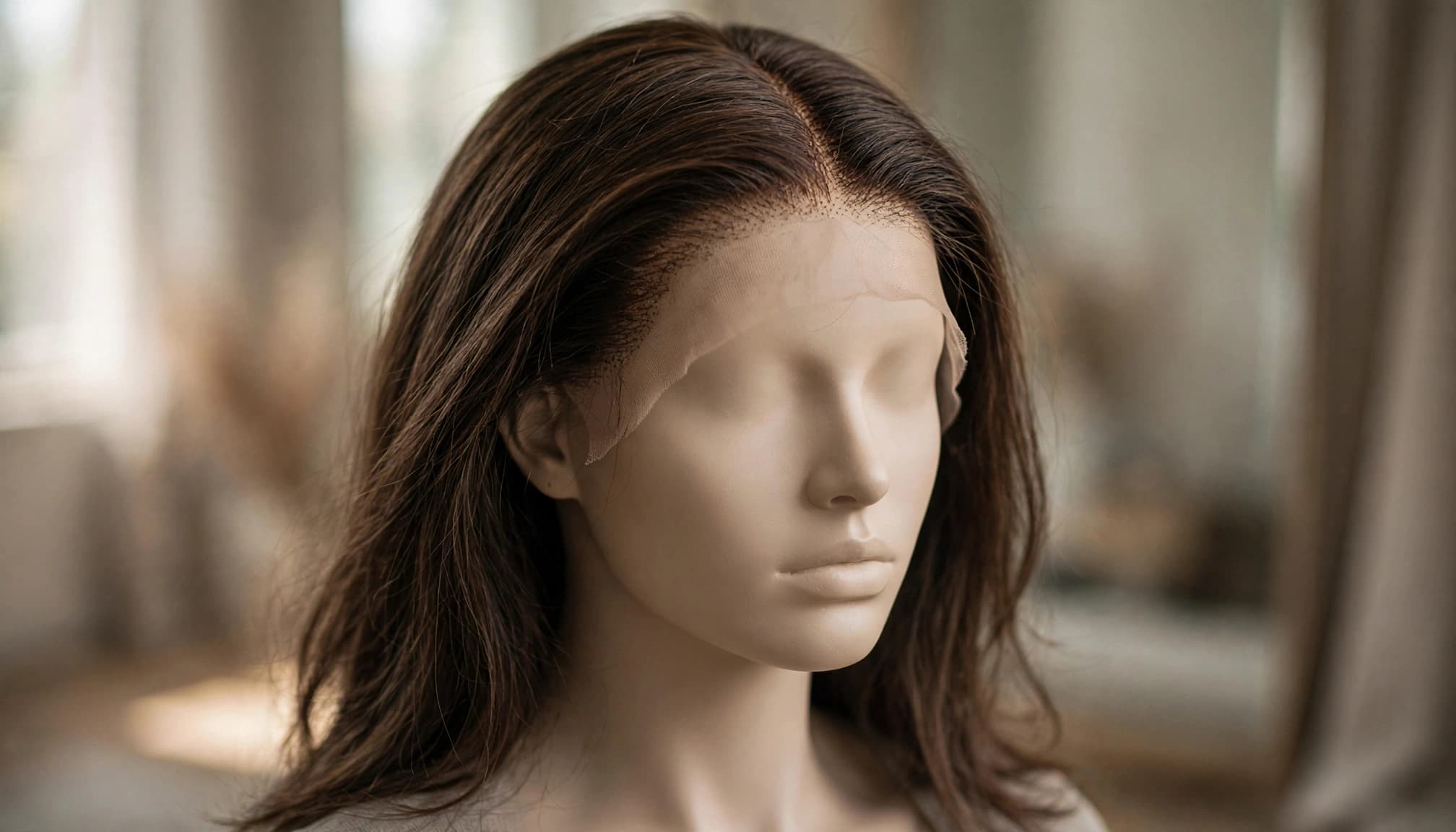
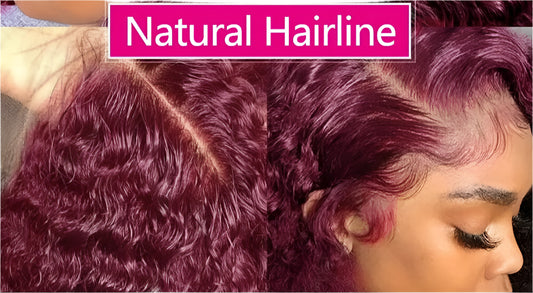
Zoom in on the hairline. Check whether strands emerge at varied angles or appear in a dense, uniform row. A gradual-looking edge may create a softer appearance in a photo, but styling, camera distance, and retouching can affect what you see.
Look for a close-up that shows the lace against the wig's hairline, rather than only a model wearing the finished style. Even then, a product photo can't predict how the lace will blend with your skin tone or look under your lighting.
Check the part and cap construction
A part photo can reveal its location and the amount of visible parting space in that style. It won't establish the cap's full construction unless the seller shows the inside or provides clear specifications. Ask for an interior photo if the listing mentions a lace closure, frontal, or full lace cap.
For example, a 13x6 body wave HD lace frontal wig listing may describe a particular lace area. Use its photos to inspect the visible part, then confirm the construction in the product details or with the seller.
Assess texture and fullness
Study the texture from more than one angle
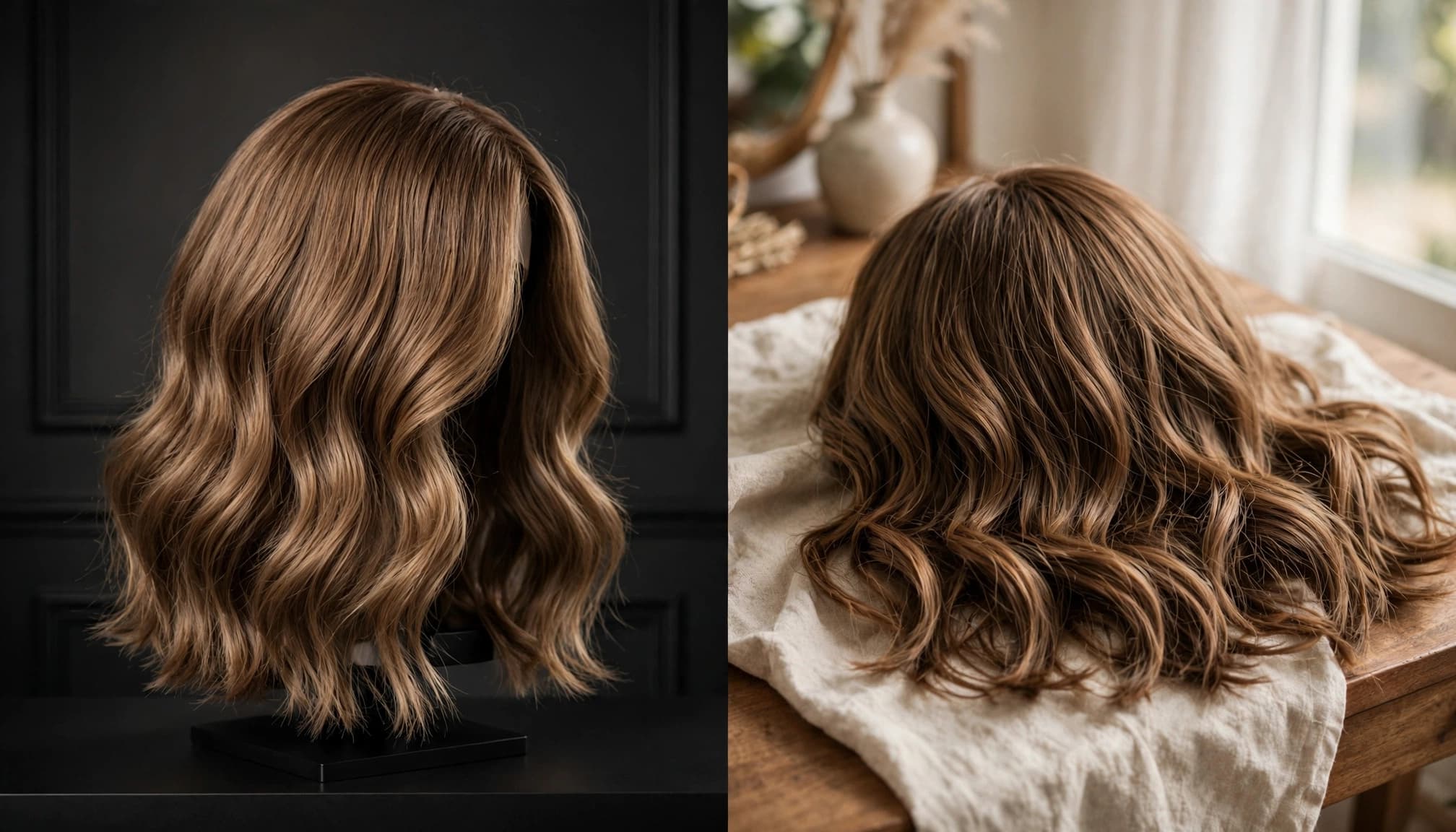
Check whether the displayed texture looks consistent across the front, sides, and ends. Straight hair should appear smooth throughout the length shown; waves and curls should have a pattern that remains visible in more than one view. A single styled image may hide the texture underneath, especially if the hair is brushed out or shaped with heat.
Ask whether the wig in the photos has been washed, curled, or otherwise styled. That answer helps set expectations: a styled photo shows one possible finish, not necessarily the wig's appearance straight out of the package.
Treat fullness as an impression, not a measurement
Look at how the hair falls around the crown, sides, and ends. A dramatic side part or carefully arranged waves can make a wig look fuller in one image. By contrast, a back view or straight-on photo may give you a clearer sense of how evenly the hair sits.
Photos can't verify a numerical density claim. There isn't enough information in a picture to confirm how density was measured, so ask the seller how the stated figure is determined and whether the photos show the listed unit.
Read color and shine with caution
Color can shift between photos because of the light source, camera settings, screen display, and image editing. A warm indoor image may make brown hair look more golden, while bright studio light can make dark hair appear lighter or shinier. Compare images from different settings, and check whether the listing provides a named shade or color reference.
Shine needs the same careful reading. A bright highlight on a smooth strand may come from directional lighting or a smoothing filter. It doesn't prove that the hair is coated, nor does a matte image prove that it lacks shine in person.
When a listing shows a vivid shade, look for an additional image in softer light. You can also ask the seller whether the color is natural or processed, and whether the photo has been edited. A 13x4 transparent lace front human hair wig listing, for instance, may provide color and style details in its specifications. Compare those details with the pictures rather than relying on appearance alone.
Compare listing photos with customer photos
Customer photos can add useful context because they may show the wig in ordinary indoor or outdoor light, from angles the seller didn't include. When available, compare the same features across both sets: the hairline, color, ends, curl pattern, and overall shape.
Look for consistency, not identical results. Styling choices, camera exposure, and the way a wig is worn can change how it looks. One customer image can be informative, but it doesn't prove every unit will match that person's photos or that the listing photos are inaccurate.
If customer photos aren't available, ask the seller for unretouched images of the actual wig in neutral light. You can also request a front, side, back, and inside-cap view. Those images may answer practical questions, but they still can't conclusively establish hair authenticity or quality.
Compare visible details with product claims
Separate appearance from material claims
A picture can show a hairstyle, but it can't identify the hair's origin or verify that it is human hair. The same applies to terms such as "Remy" and "virgin": ask the seller what those terms mean for the specific product and what information supports the claim.
The FTC's policy statement on advertising substantiation addresses evidence for express and implied claims. For shoppers, the practical point is straightforward: don't treat a realistic-looking photo as proof of a material claim.
Check whether specifications match the pictures
Compare the listed length, texture, lace dimensions, and cap details with what you can actually see. A styled wig may look shorter or longer depending on its curl pattern and how it's positioned, so use measurements and the seller's description for details a photo can't settle.
Ask whether the product photos show the exact style and color you're selecting. If the listing uses images of multiple variants, confirm which details change between them. You can also compare the listing with a 13x4 straight HD lace frontal wig product page to see how photos and written specifications may present different parts of a wig's description.
Shop Best Sellers
-
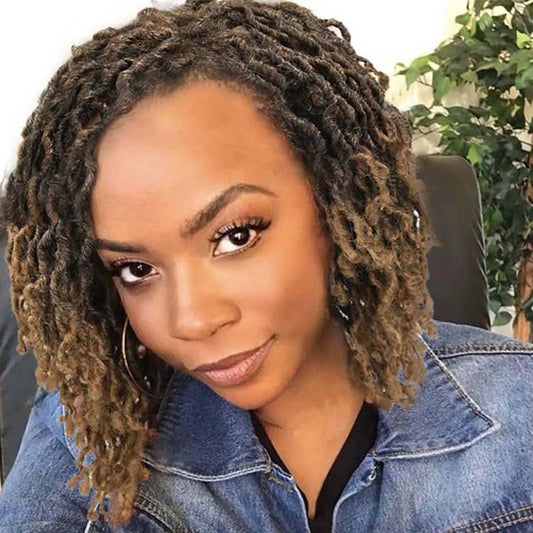
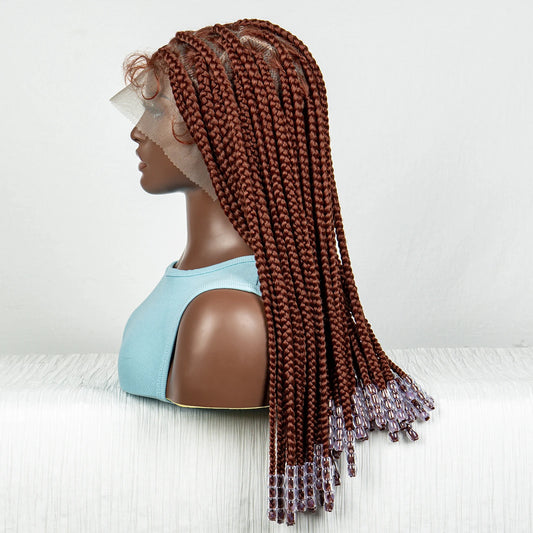
Short Goddess Faux Locs Wig | Brown Highlight Crochet Dreadlock Wig
Regular price From $158.00 USDRegular price$190.00 USDSale price From $158.00 USDSale -
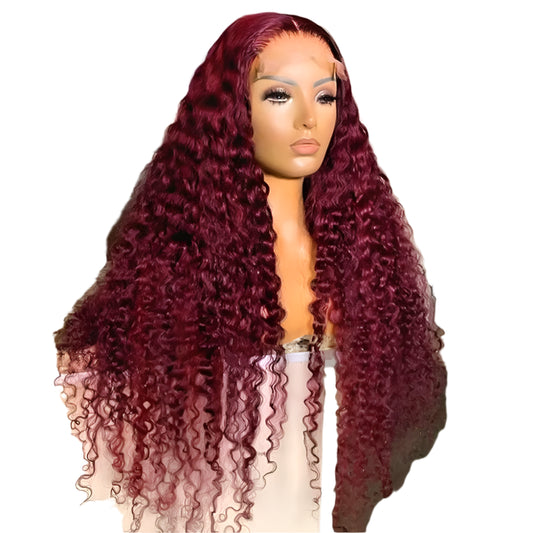
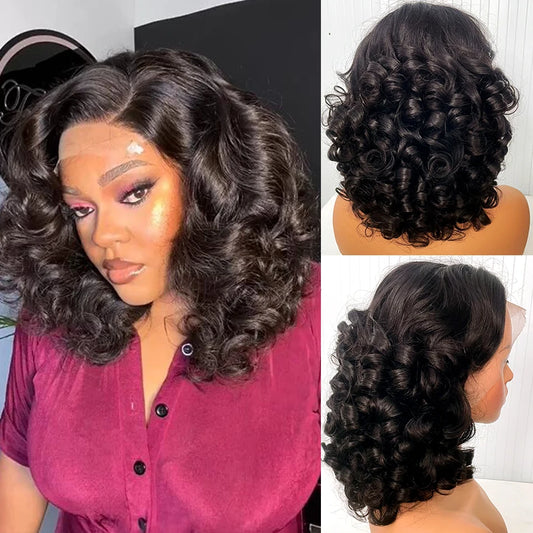
30 Inch Burgundy 99J Curly Human Hair Wig | 13x6 Lace Frontal | 200% Density
Regular price From $257.00 USDRegular price$0.00 USDSale price From $257.00 USD -
12A Deep Wave Remy Human Hair Bundles | 30 to 32 Inch Weft Extensions
Regular price $364.00 USDRegular price$0.00 USDSale price $364.00 USD -
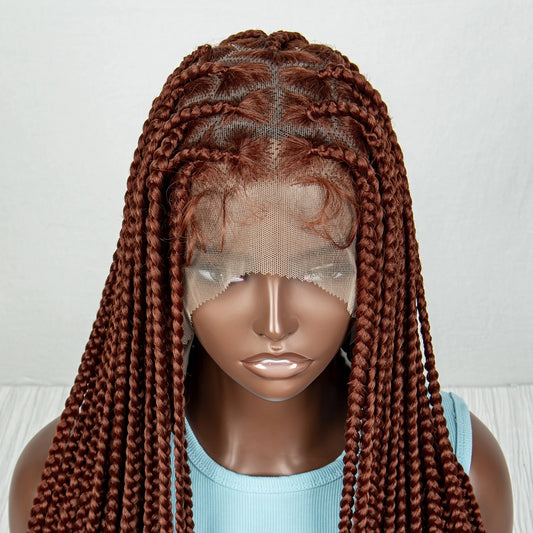
#350 Knotless Box Braids Wig | Short Lace Frontal Bob | Dark Ombre Ginger
Regular price $262.50 USDRegular price$0.00 USDSale price $262.50 USD -
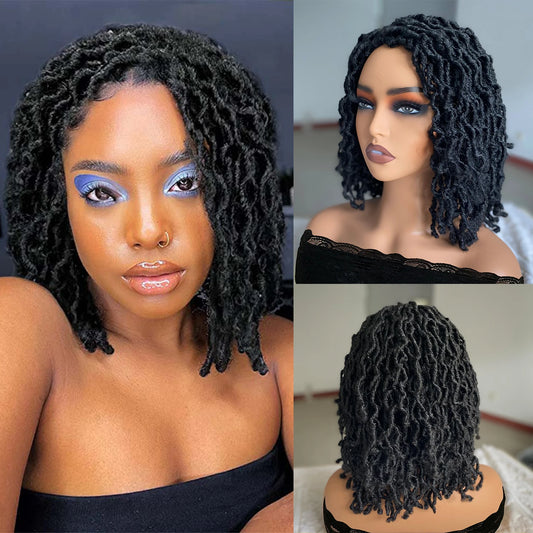
Short Afro Faux Dreads Wig | Synthetic Braided Wig for Men and Women
Regular price $90.00 USDRegular price$120.00 USDSale price $90.00 USDSale -
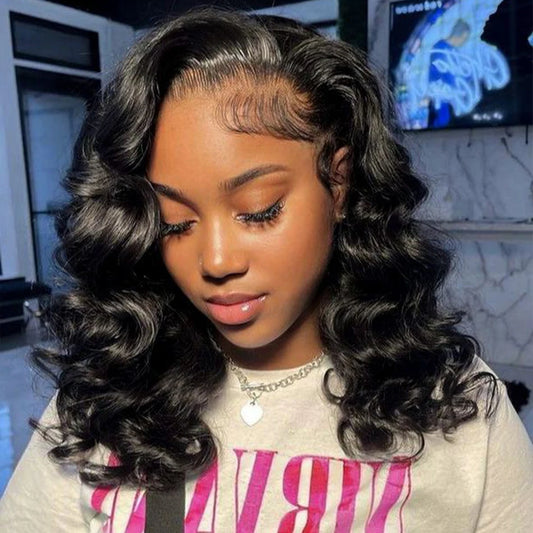
12A Raw Vietnamese Bouncy Wave Wig | 13x4 Lace Frontal | 250% Density
Regular price From $242.00 USDRegular price$0.00 USDSale price From $242.00 USD -
Men's Wingtip Derby Shoes | Genuine Leather Colour Block Lace-Ups
Regular price $263.00 USDRegular price$301.00 USDSale price $263.00 USDSale -
Brazilian Human Hair 13x4 Lace Front Wig | Glueless, Pre-Plucked with Baby Hair
Regular price From $99.00 USDRegular price$132.00 USDSale price From $99.00 USDSale





Questions to ask the seller
When something in the photos is unclear, ask a direct question before ordering. A helpful seller should be able to clarify what's pictured and point you to the relevant product detail.
Consider asking:
- Do these photos show the exact wig and color I'll receive, or a styled sample?
- Can you provide unedited front, side, back, hairline, and inside-cap photos?
- What lighting or styling was used, and have the images been retouched?
- How do you define "Remy," "virgin," or the stated density for this product?
- What are the cap measurements and lace dimensions for the selected option?
Save the listing and the seller's response. That gives you a reference for the details you relied on, especially if the product page offers several lengths, textures, or cap styles.
Check the return policy before ordering
Photos leave some questions unanswered, so review the seller's return policy before you buy. Check the return deadline, whether the wig must remain unworn or in original packaging, who pays return shipping, and whether any restocking fee applies.
Also confirm whether the policy treats hygiene-related products differently once opened or tried on. Don't assume you can return a wig simply because its color or texture looks different in person. The seller's written terms explain what options you have if the delivered item doesn't meet your expectations.
Key takeaways
- Inspect the hairline, part, lace, texture, and ends across several angles.
- Treat color, shine, and fullness as visual impressions that lighting and styling can change.
- Compare product photos with customer photos when they're available.
- Ask the seller how material and density claims are defined.
- Confirm the return deadline and conditions before placing an order.
FAQ
Can product photos prove that a wig is human hair?
No. Photos show visible appearance, not fiber composition. Ask the seller to confirm the material and explain what the product's terms mean.
Do customer photos show exactly how my wig will look?
They show how one customer's wig appeared in their setting and styling. Lighting, camera exposure, and how the wig is worn can all affect the result, so compare several photos if possible.
What should I request if a listing has only one image?
Ask for clear front, side, and back views, plus close-ups of the hairline and part. If lace construction matters to you, request an inside-cap photo and written details.
Choose with clearer expectations
Human hair wig photos help you judge visible style details, but they can't settle every question about quality or authenticity. Compare multiple views, read the specifications, and ask the seller to clarify anything the pictures leave uncertain.
A realistic-looking image is a useful starting point. A careful check of the photos, claims, and return terms gives you a firmer basis for deciding.