

Lace Closure Sizes for Natural-Looking Hairstyles
Choosing the right lace closure sizes can change how much parting space you get, how easily you style the hair, and how well the unit fits your routine. The numbers describe the lace area in inches, not the wig's overall length or cap size.
A smaller closure can look neat and stay easy to maintain, while a larger one gives you more room to shift your part or pull hair back. Start with your preferred hairstyle, then consider coverage, installation method, and the construction of the wig.
What Lace Closure Size Actually Means
A lace closure is a piece of lace with hair strands attached. It sits near the top and front of a wig, covering the area where your natural hair might otherwise show. Unlike a frontal, a closure usually does not extend from ear to ear.
Reading measurements such as 4x4 and 5x5
The first number describes the lace width from side to side. The second describes the depth from the front toward the crown. A 4x4 closure measures approximately 4 inches wide by 4 inches deep. The same pattern applies to 5x5, 6x6, and 7x7 closures.
The lace dimensions affect the amount of visible scalp space available for parting. They don't tell you how dense the wig will be, how large the cap is, or how long the hair will be.
For example, a 5x5 closure can give you more room than a 4x4 for a center or side part. However, the final appearance also depends on how the lace is placed and how the unit is constructed.
Closure versus frontal sizing
Common closure sizes include 4x4, 5x5, 6x6, and 7x7 inches. Some retailers also offer longer narrow options, such as 2x6. A frontal uses a different coverage pattern and often stretches across the front hairline.
Mayvenn's Wigs 101 guide describes closures as square lace patches placed at the top of a wig. A frontal provides more front and side hairline coverage, but it may require more styling and installation work.
Comparing Common Lace Closure Sizes
The most useful way to compare lace closure sizes is to consider the parting space each one can provide. More lace can offer more styling room, but it can also affect cost, maintenance, and the way the wig sits on your head.

| Closure size | Parting space | Works well for |
|---|---|---|
| 4x4 | Compact | Simple middle parts and low-maintenance looks |
| 5x5 | Moderate | Middle or side parts with added flexibility |
| 6x6 | Generous | Wider parts and more styling movement |
| 7x7 | Largest common square option | More coverage and pulled-back styles |
4x4 closure
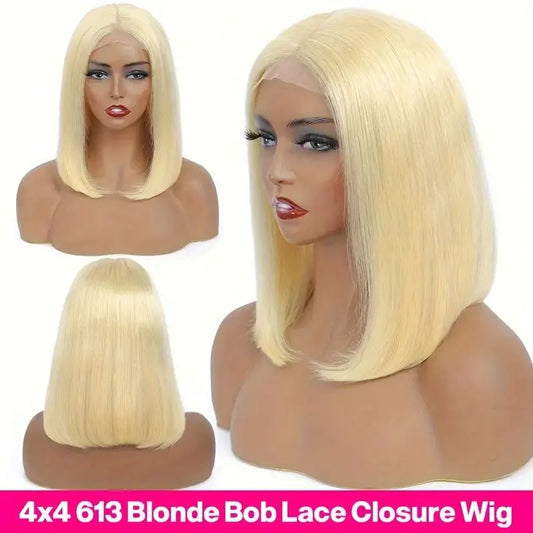
A 4x4 closure is a practical choice when you want a defined part without needing much styling variety. It can work well for a straight middle part, a soft side part, bobs, and hairstyles that keep the hair close to the face.
Because the lace area is compact, installation and customization may feel more manageable for beginners. The tradeoff is limited movement. A dramatic deep side part or high pulled-back style may expose the edge of the closure.
Elfin Hair defines a 4x4 closure as lace measuring 4 inches long and 4 inches wide. That measurement gives you a clear idea of the available parting area, but it doesn't guarantee a particular hairline effect.
5x5 closure
A 5x5 closure adds an inch in both directions compared with a 4x4. That extra space can make a middle part look less cramped and gives you more room to adjust a side part.
Many beginners choose 5x5 closures because they balance coverage and flexibility. They can suit everyday straight, wavy, and curly styles without requiring the larger lace area of a 6x6 or 7x7.
A 6x4 lace closure human hair wig shows why the numbers should be read carefully. Its lace is 6 inches wide and 4 inches deep, so it isn't the same shape as a square 5x5 closure.
6x6 closure
A 6x6 closure gives you more depth and width for parting. It can be useful when you want to move between a middle part and a side part without keeping the hair in one fixed position.
The larger area may also help when you prefer more coverage over the top of your head. Still, the wig's cap construction and hair density affect whether that extra lace looks natural. More lace alone won't fix a poor fit or an overly dense hairline.
7x7 closure
A 7x7 closure offers the largest parting area among the common square closure options. It can suit people who like to change their part, create fuller side-swept styles, or pull some hair away from the face.
The additional lace can provide more freedom, but it may also require careful placement and blending. If you usually wear a simple middle part, the extra size may not provide enough practical benefit to justify choosing it.
Choose Lace Closure Sizes by Parting Preference
Your usual part matters more than the size label alone. Start by identifying whether you want a fixed center part, a flexible side part, or a style that moves away from the face.
Middle parts
Middle parts usually work with 4x4 closures when the part stays centered and close to the crown. A 5x5 gives you more room to refine the line and create a slightly deeper-looking part.
For a fuller, more open middle part, 6x6 or 7x7 may offer additional space. However, the result depends on the hair's direction, density, and how the closure is ventilated. A very dense unit can make even a large closure look less scalp-like.

Side parts
A side part usually needs more horizontal room than a fixed middle part. A 5x5 closure can offer useful flexibility, while a 6x6 or 7x7 may work better for a deeper side sweep.
If you want the part to sit close to the temple, remember that a closure has limited side coverage. Moving the part too far can reveal the edge of the lace or create tension at the hairline.
Changing your part often
Choose a larger closure if you regularly switch between middle and side parts. The extra space makes repositioning easier, but it doesn't turn a closure into a full hairline replacement.
Private Label Extensions notes that hairline shape, desired parting room, and personal preference all affect the choice. Your styling habits should guide the decision more than a claim that one size is universally superior.
Match Coverage to Your Hairstyle
Parting is only one factor. The way you wear the rest of the hair determines whether a closure provides enough coverage.
Ponytails and pulled-back styles
Closures work best when the hair remains around the crown and sides. Low ponytails, half-up styles, and loose pulled-back looks may work with a larger closure if the edges stay covered by surrounding hair.
High ponytails and sleek styles can expose areas that a closure does not cover. A closure doesn't normally extend across the full front hairline or down to both temples. If you want a high ponytail with visible hairline detail, a frontal may be more suitable.
A frontal can offer more styling access, but it may require more careful adhesive placement, maintenance, and customization. A closure often makes more sense when you prefer quick, contained styles.
Bobs, waves, and curly textures
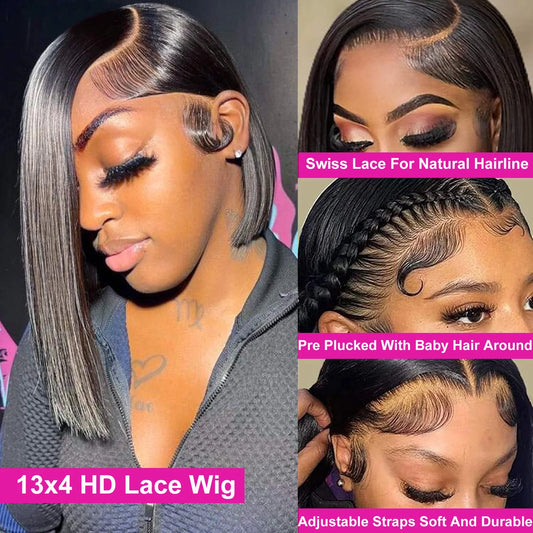
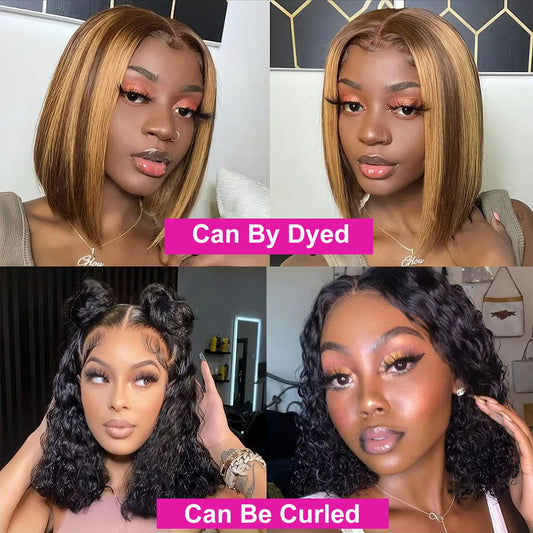
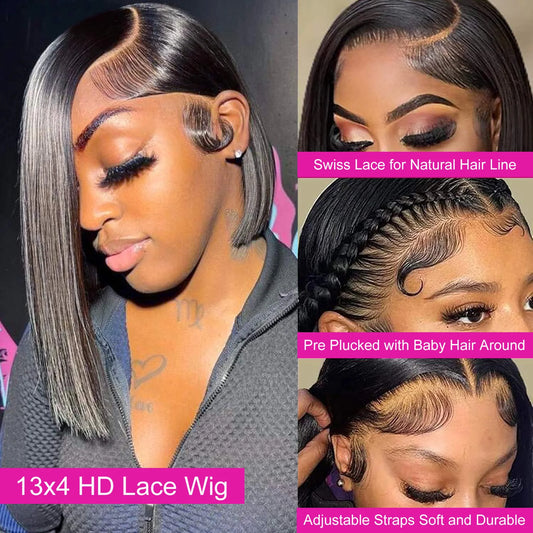
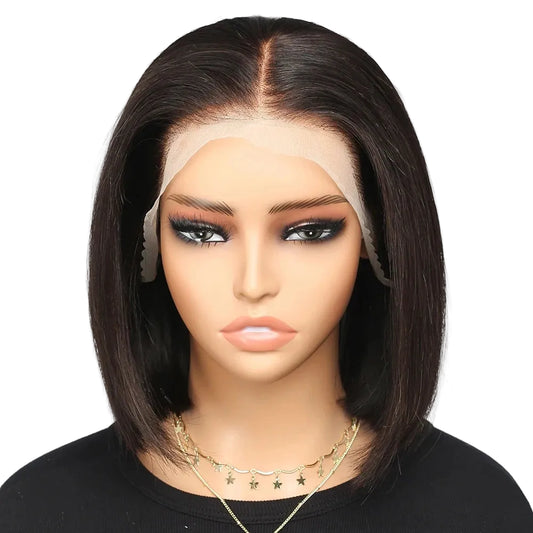
Short bobs and face-framing styles can pair well with 4x4 or 5x5 closures because the surrounding hair hides the lace edges. Body waves and loose curls also help soften the transition between the closure and the rest of the wig.
For slicker straight styles, the part and hairline are more visible. A 5x5 or 6x6 may provide useful room, but hair density and knot appearance still matter.
Coverage limits compared with frontals
A closure covers the top parting area. It doesn't recreate a complete natural hairline across the forehead. That limit is important when comparing product photos with the style you want to wear.
The difference becomes clearer with larger frontal measurements. For example, Luxegan's 13x6 HD lace glueless wig uses frontal-style coverage, not the same square closure format as 4x4 through 7x7.
Consider Construction, Cap Size, and Installation
The lace measurement is only one part of the final look. Two wigs with similar lace dimensions can appear different because of their cap design, hairline preparation, density, and fit.
An average-size cap may sit differently from a petite or larger cap. If the unit shifts, the lace can move away from the position where your part looks most natural. Adjustable straps, combs, elastic bands, and glueless construction can also change how securely the wig stays in place.
Pre-plucked hairlines may reduce customization, while a more natural density can make the part appear softer. High density can create fullness, but it may require more shaping around the closure.
Your installation method matters as well. A glueless unit can be convenient for regular wear, while adhesive installation may give a different level of hold. Neither method makes every closure size suitable for every head or hairstyle.
Before buying, check:
- The lace width and depth, not only the product title.
- The listed cap size and adjustment features.
- Whether the lace is pre-cut, pre-plucked, or left for customization.
- The density and texture of the hair.
- Whether the unit is designed for a fixed part or flexible styling.
Shop 4x4 Lace Wig
-
Double Drawn Kinky Curly HD Lace Frontal Wig | High Density Human Hair
Regular price From $176.00 USDRegular price$0.00 USDSale price From $176.00 USD -
Deep Wave 200% Density Glueless Lace Wig - 13x6 / 13x4 Transparent Lace Frontal & 6x4 Wear-and-Go Human Hair Wig - 100% Brazilian Remy Water Curly Long Wig for Women (32-34 Inch)
Regular price From $227.00 USDRegular price$0.00 USDSale price From $227.00 USD -
Deep Curly Short Bob Human Hair Wig - 13x4 Transparent Lace Frontal & Deep Wave Part Wig - 100% Brazilian Remy Human Hair Glueless Natural Black Curly Bob Wig for Women
Regular price From $143.00 USDRegular price$163.00 USDSale price From $143.00 USDSale -
Bone Straight Short Bob Human Hair Wig | 150% Density Full Machine-Made Swiss Lace Wig | 100% Brazilian Remy Human Hair Glueless Straight Bob Wig for Women (8-16 Inches)
Regular price From $141.00 USDRegular price$161.00 USDSale price From $141.00 USDSale -
Ultra-Thick 200% Density Straight Short Bob Wig - 13x4 Transparent Lace Frontal Human Hair Wig - Pre-Plucked Free Part Glueless Brazilian Remy Hair Wig for Women (4-16 Inch)
Regular price From $169.00 USDRegular price$194.00 USDSale price From $169.00 USDSale -
Straight Short Bob Wig - Pre-Plucked Transparent Lace Front Human Hair Wig - Glueless Brazilian Remy Hair Short Bob Wig for Women
Regular price From $140.00 USDRegular price$160.00 USDSale price From $140.00 USDSale -
613 Blonde Straight Short Bob Wig - 13x4 & 4x4 Transparent Lace Frontal Human Hair Wig - 150% Density Pre-Plucked Honey Blonde Brazilian Remy Wig for Women (8-16 Inch)
Regular price From $128.00 USDRegular price$154.00 USDSale price From $128.00 USDSale -
Straight Human Hair Short Bob Wig - 13x4 & 13x5x2 Transparent Lace Frontal Wig - Glueless Pre-Plucked Hairline with Baby Hair 100% Brazilian Remy Human Hair Wig for Women
Regular price From $154.00 USDRegular price$176.00 USDSale price From $154.00 USDSale







Common Lace Closure Sizing Mistakes
Many sizing problems happen because shoppers treat the measurements as a ranking system. A 7x7 closure isn't automatically better than a 4x4. It simply gives you a larger lace area.
Another mistake is choosing based on the hairstyle in a product photo. A model may wear a side part, while you plan to wear a high ponytail. Look at the coverage pattern and decide whether the lace reaches the areas your style will expose.
Cap fit is easy to overlook. A large closure on a poorly fitting cap may still shift or sit too far forward. In contrast, a well-fitting smaller closure can look polished when the surrounding hair covers its limits.
Finally, don't confuse lace size with hair length or fullness. A 5x5 closure can be paired with short bob hair, long waves, or curly textures. The closure controls parting coverage, not the overall style dimensions.
Key Takeaways
- A 4x4 closure offers compact coverage for simple, fixed parts.
- A 5x5 closure balances natural-looking parting with added flexibility.
- A 6x6 or 7x7 closure gives more room for changing parts and fuller styles.
- Closures cover the top parting area, while frontals provide more front hairline access.
- Ponytails and pulled-back styles may expose the limits of a closure.
- Cap size, density, construction, and installation method affect the final appearance.
- The right lace closure size depends on your preferred part, coverage needs, and styling routine.
Lace Closure Sizes FAQ
Is a 5x5 closure good for beginners?
A 5x5 closure is often a practical beginner choice because it offers more parting space than a 4x4 without the larger lace area of a 6x6 or 7x7. It can support middle and side parts, depending on the wig's construction and your installation.
Is a 6x6 closure better than a 5x5?
Neither size is always better. A 6x6 may suit you if you want more parting room or switch styles often. A 5x5 can be more practical when you usually wear a center or moderate side part.
Can you wear a ponytail with a lace closure?
You can wear some low or loose pulled-back styles with a closure. However, high ponytails and sleek looks may expose the sides or front areas that a closure doesn't cover. A frontal usually offers more hairline access for those styles.
What closure size looks most natural?
Natural results depend on more than size. Lace quality, knot appearance, hair density, cap fit, placement, and styling all matter. Choose the smallest size that gives you enough room for the part and coverage you actually want.
Conclusion
The right lace closure size starts with your hairstyle, not a universal ranking. A 4x4 can suit a simple middle part, while 5x5, 6x6, and 7x7 closures provide progressively more room for parting and movement.
Check the cap, density, lace construction, and installation method before ordering. When the coverage matches your styling routine, the unit can look natural without requiring more lace than you need.