

T-Part Wig: How It Works and Who It's For
A natural-looking part can make a wig feel easier to wear, but the lace beneath it determines how much you can change the style. A T-part wig gives you a defined part and a lace hairline without the larger lace area found on many frontal wigs.
If you like a consistent look, that trade-off may suit you. First, it helps to see where the lace sits and what it lets you do.
What is a T-part wig?
A T-part wig has lace arranged in a T shape: a strip along the front hairline and a narrower section extending back along the part. Hair outside that area sits on the rest of the cap. MegaLook's guide to lace wig types also calls this construction a lace-part wig.

The lace lets the part show through and helps the front edge blend with your skin. Its exact width, depth, and position vary by product, so check the listing rather than assuming every T-part wig has identical dimensions. A center part is common, but the part shown in the product photos is the one to verify.
How does a T-part wig compare with other lace wigs?
The amount and placement of lace determine where you can create a visible scalp-like part. That distinction matters more than whether a listing calls the lace "HD" or "transparent."
T-part versus 13x4 lace front
A T-part gives you a set lace part. A 13x4 frontal has a wider rectangular lace area, offering more room to move the part and style hair around the front. IseeHair's 13x4 comparison describes its lace as 13 inches wide and 4 inches deep. Those measurements describe the frontal, not a standard T-part size.
For a concrete example of the broader option, Luxegan lists a bone-straight 13x4 glueless lace-front wig as a multi-parting style. Compare its lace area with the parting space pictured on a T-part listing.
T-part versus closure or 360 lace
A 4x4 closure provides a square lace area, rather than a narrow line extending back from the hairline. It can offer room to shift a part within that square, depending on how the hair is made.
A 360-lace design places lace around the perimeter. If wearing hair up is a priority, inspect that construction instead of assuming a T-part will give the same coverage. Luxegan's 30-inch bone-straight 360 lace wig is an example to compare.
Who should choose a T-part wig?

You prefer a repeatable part
A T-part wig makes sense when you already know the part you want and don't expect to change it often. For a beginner, that narrower styling choice can make selecting a look simpler. You can still choose among straight, wavy, curly, and different-length hair; the restriction concerns where the scalp-like part appears.
It's also useful when you want a lace hairline but don't plan to customize a broad frontal. Judge the finished look from photos showing both the front and top of the wig, not a face-on image alone.
You rarely switch your part or wear high updos
Choose a larger lace area if you regularly move between center and side parts. Likewise, a high ponytail can expose cap areas that a T-part wasn't designed to conceal. Styling the loose hair in waves or curls doesn't change where the lace part sits.
A T-shaped lace section tells you where the part is; it doesn't tell you whether the wig can be worn without adhesive.
If avoiding glue matters, check for an adjustable fit and follow the product's wear instructions. "T-part" names the lace layout, while "glueless" describes how the wig is intended to stay in place.
Shop Lace Front Wigs
-
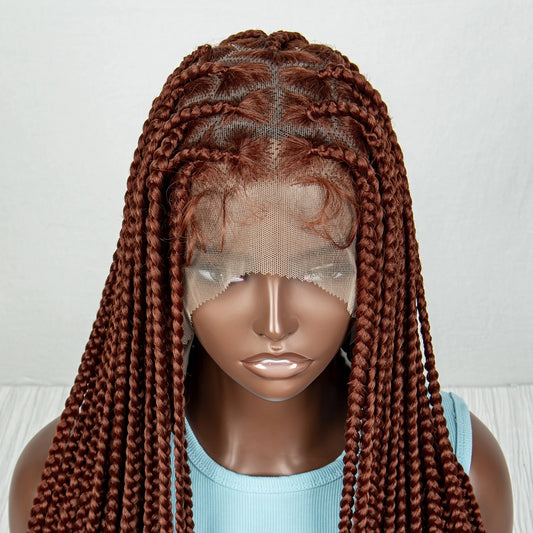
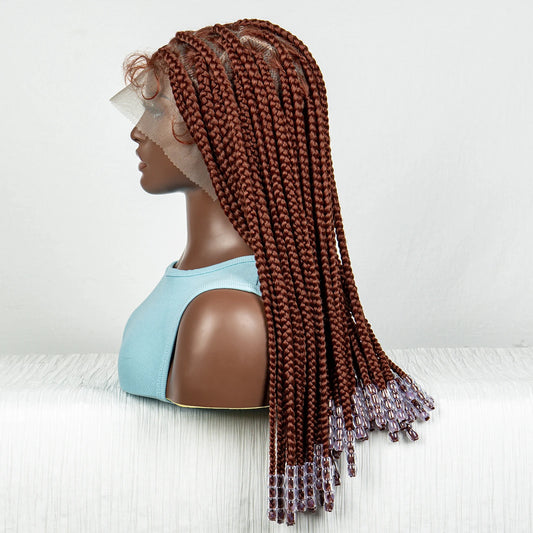
#350 Knotless Box Braids Wig | Short Lace Frontal Bob | Dark Ombre Ginger
Regular price $262.50 USDRegular price$0.00 USDSale price $262.50 USD -
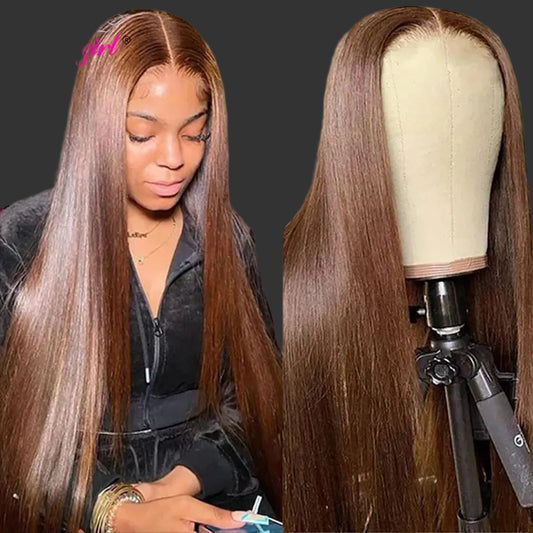
#4 Chestnut Brown Straight Lace Front Wig | 13x4 & 13x6 Transparent Swiss Lace Frontal Wig | 150% & 180% Density 100% Brazilian Remy Human Hair Long Closure Wig for Women (26+ Inch)
Regular price From $364.00 USDRegular price$0.00 USDSale price From $364.00 USD -
#4 Chocolate Brown Straight Bob Wig | Sophisticated 200% Density HD Transparent Lace Frontal | Elegant "Short Bob" Silhouette | "Dignified" Pre-Plucked Brazilian Remy Human Hair for Radiant Versatile Styling
Regular price $150.00 USDRegular price$200.00 USDSale price $150.00 USDSale -
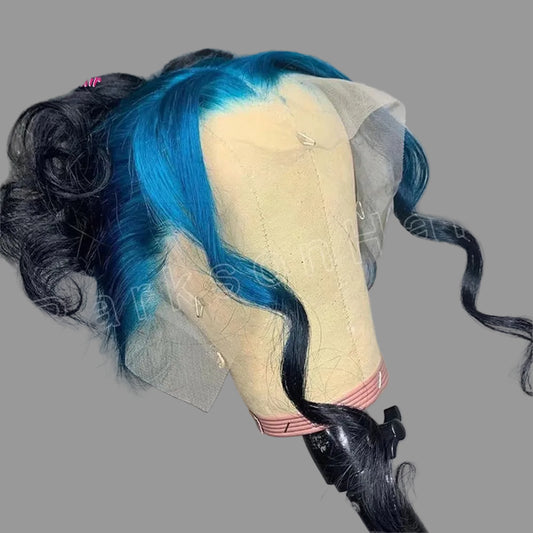
#4/613 Ombre Blonde Lace Front Wig | High-Impact Black with Blue Custom Tone Option | 13x4 HD Transparent Swiss Lace Frontal Body Wave Human Hair Wig for Women
Regular price $502.00 USDRegular price$0.00 USDSale price $502.00 USD -
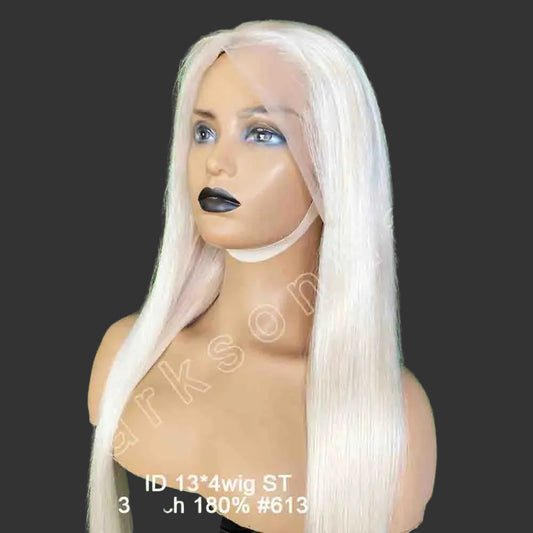
#60 613 Platinum Blonde Wear-and-Go Glueless Wig | 13x4 HD Transparent Lace Frontal Wig | 100% Brazilian Remy Human Hair Body Wave Long 26+ Inch Wig for Women
Regular price From $249.00 USDRegular price$0.00 USDSale price From $249.00 USD -
#60 Platinum Ash Blonde Lace Front Wig | 100% Brazilian Human Hair Glueless Wig | 13x4 & 13x6 HD Transparent Swiss Lace Frontal Body Wave Gown for Women
Regular price From $249.00 USDRegular price$0.00 USDSale price From $249.00 USD -
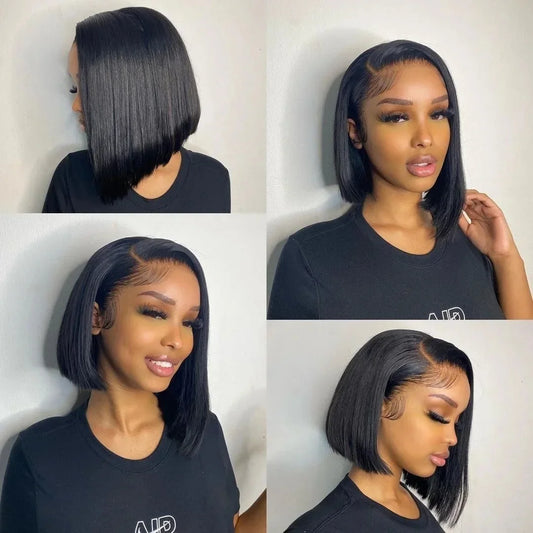
10-16 inch Short Straight Bob Wig | Brazilian Remy Human Hair | 13x4 Lace Frontal | Natural Looking | Ready to Wear
Regular price $72.51 USDRegular price$120.85 USDSale price $72.51 USDSale -
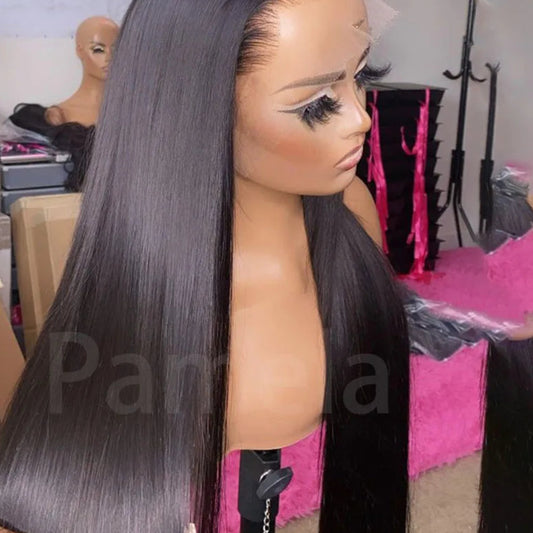
100% HD Transparent Lace Frontal Wig | Sophisticated "Bone Straight" Silhouette | Pre-Plucked 13x6 HD Full Lace Front Human Hair Wig | "Dignified" High-Performance Brazilian Remy Essential for Radiant Versatile Styling
Regular price From $346.00 USDRegular price$0.00 USDSale price From $346.00 USD








What should you check before buying?
Start with a photo of the cap turned inside out. Look for the visible lace strip and parting area, then confirm that the finished hairstyle matches how you expect to wear it. Check the cap-size guidance, especially if wigs tend to slip or feel tight on you.
Next, separate hair type from lace type. Human hair and synthetic fiber need different care, regardless of their T-part construction. Also look at length, texture, density, and whether the hairline is pre-plucked. These details can affect the look and the work needed before wearing it.
Finally, compare prices between wigs with similar hair, length, and cap features. A smaller lace area may appeal if you don't need a frontal's flexibility, but construction alone doesn't establish which wig costs less or fits better.
How do you install and maintain it?
Set up the part and hairline
Before trimming lace, try the wig on and align its part where you want it. Flatten your natural hair beneath the cap and adjust the fit so the front edge sits comfortably. Trim only the excess lace, a little at a time. Follow the maker's directions if the wig calls for adhesive or another fastening method.
Style within the existing part rather than trying to force a new scalp line elsewhere. If you use heat, check the fiber instructions first; don't assume a synthetic wig can tolerate hot tools.
Care for the hair and lace separately
Gently detangle the hair and wash it according to its material and how often you wear it. Avoid rough scrubbing at the narrow lace part, and let the wig dry as its care instructions advise. Store it so the part and hairline keep their shape.
Look Good Feel Better's wig-care advice notes that human-hair wigs need styling after washing. The American Cancer Society's wig guidance also warns against using color rinse on synthetic fibers. Both are general care points; your wig's label should guide its routine.
The right part makes the choice easier
A T-part wig is a strong match when you want a natural-looking, consistent part and can live with limited parting space. If changing your part or wearing high updos matters more, compare a larger lace construction.
The deciding detail is the lace layout beneath the style you like. Check that layout, the cap fit, and the hair material before you buy.