

Wig Cap Construction: Choosing Comfort for All-Day Wear
A wig can look beautiful and still feel uncomfortable by lunchtime. The difference often comes down to wig cap construction, not only the hair texture, length, or lace color.
The right cap should feel secure without creating pressure at your temples, hairline, crown, or nape. It should also suit your routine, scalp sensitivity, styling preferences, and the climate where you wear it. Understanding the main construction types makes it easier to compare wigs before buying and test the fit once one arrives.
Why Wig Cap Construction Matters for Comfort
The cap is the foundation of every wig. It holds the hair, rests against your scalp, and determines how the unit distributes weight and tension.
Two wigs with similar hair may feel completely different because one has open wefts and adjustable straps, while the other has a denser closed cap and more lace coverage. Cap design also affects how naturally you can part the hair and how much airflow reaches your scalp.
Weight and airflow affect daily wear
Open-cap and lace-front constructions tend to be among the lighter options, according to this overview of wig ergonomics and comfort. Open-wefted caps include small spaces between sewn sections, which may allow more air circulation than a fully closed cap.
That airflow can feel helpful in warm rooms, during commuting, or when you wear a wig for several hours. Still, your experience depends on the wig's hair density, cap lining, your natural hair underneath, and the fit around your head.
Comfort and appearance involve trade-offs
A monofilament top may offer a realistic scalp effect and flexible parting, but it can feel different from a soft, lightly constructed open cap. A lace front can create a natural-looking hairline, yet the lace edge may bother you if it sits against sensitive skin or requires too much adjustment.
No construction guarantees comfort for everyone. The best choice balances the look you want with the areas that tend to become uncomfortable first.
Wig Cap Construction Types Compared
Each cap style solves a different problem. Use the comparison below as a starting point, then check the complete product description for straps, combs, lace, cap size, and density.
| Cap construction | Main benefit | Possible comfort concern |
|---|---|---|
| Monofilament top | Natural-looking part and flexible styling | More material may contact the scalp |
| Lace front | Realistic front hairline and off-face styling | Lace or adhesive area may irritate sensitive skin |
| Open-wefted cap | Greater airflow and a lighter feel | Wefts or straps may create localized pressure |
| Closed cap | More coverage and a structured base | Can feel warmer or less airy |
Monofilament tops
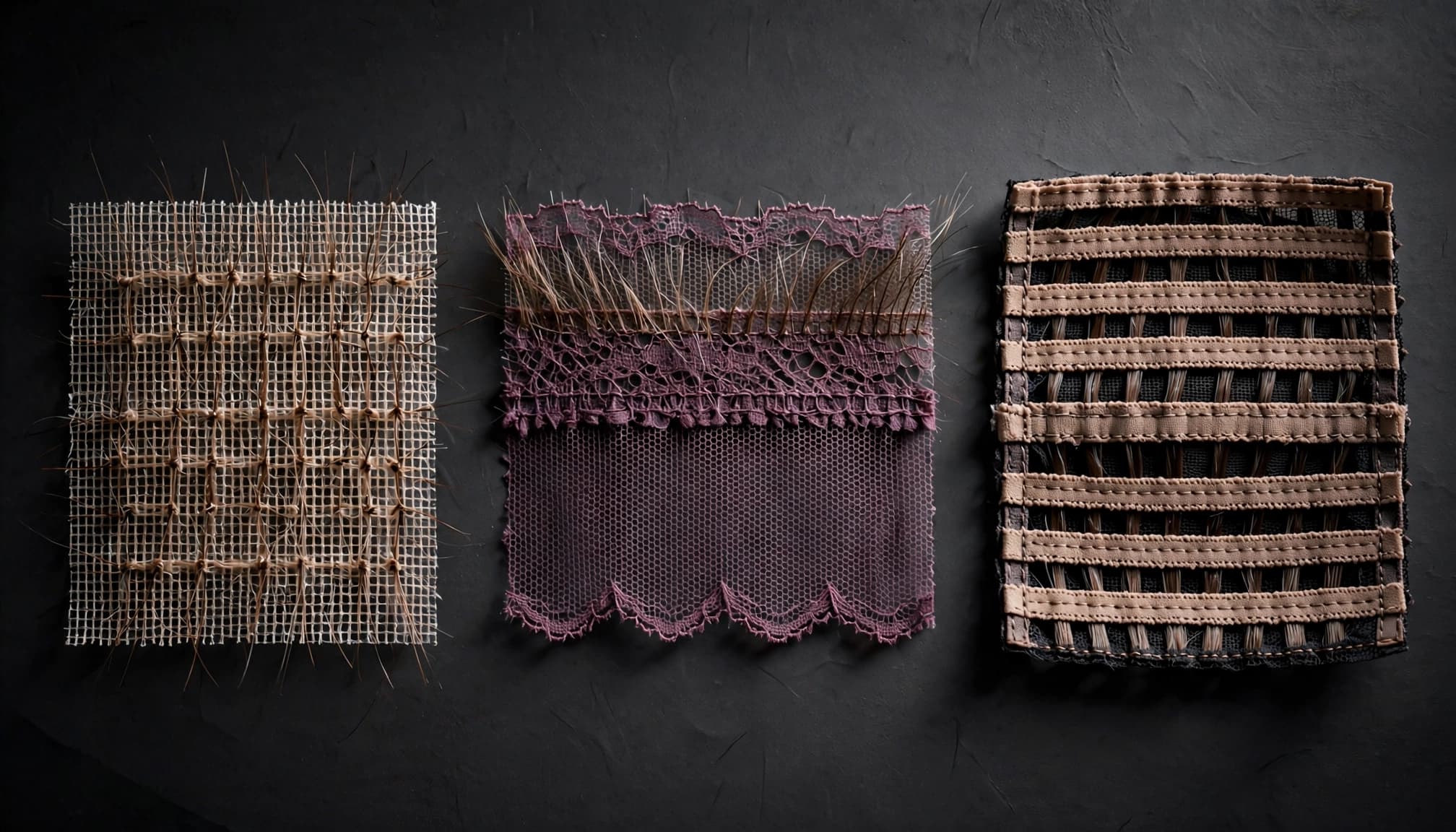
A monofilament top uses a fine mesh area where individual hairs are attached. This design can make the hair appear to grow from the scalp and lets you change the part more freely than with a fixed-part wig.
A review of hair prosthetic options notes that monofilament caps require less hair to be inserted into the cap, which may suit people who prefer thinner-looking hairstyles. You can read the review of hair prosthetic options for additional clinical context.
For comfort, inspect the mesh for rough stitching and check whether the crown presses against your scalp. A smooth liner or wig cap underneath may help, but it can also add warmth.
Lace fronts
A lace-front wig has lace across the front hairline, often extending from temple to temple. It can make the hairline look more natural and allows you to move hair away from your face.
The lace should lie flat without folding, scratching, or pulling your own hairline. If the wig uses adhesive, consider how your skin reacts to the product and avoid assuming that a secure installation will feel comfortable for long periods.
A product example from Luxegan is a glueless HD human hair lace wig with an average-size cap, French lace, and a 13x4 frontal. Those specifications describe the unit's design, but they don't predict how it will fit your head.
Open-wefted caps
Open-wefted caps use rows of hair attached to narrow strips, leaving spaces between sections. These gaps can improve ventilation and may reduce the enclosed feeling that some people experience with closed caps.
The trade-off is that the wefts, elastic edges, or adjustment points may sit directly against your scalp. If you have little hair underneath, you may notice those areas more quickly. A soft wig liner can add comfort, though it may change the fit.
Match the Cap to Your Routine
Your daily schedule often matters more than the label on the wig. A cap that works for a short event may feel different during a full workday, travel, or warm-weather errands.
Choose airflow for warm conditions
If you tend to feel hot under wigs, compare open-wefted and lace-front designs first. An open cap may allow more ventilation, while lace can reduce the amount of material across some areas of the scalp.
Hair density also affects the experience. A high-density wig can feel heavier than a lighter style, even when both use the same cap type. One Luxegan deep-wave listing specifies 250% density and an average-size cap, so shoppers should consider both the construction and the amount of hair.
Prioritize parting when styling matters
A monofilament top or wide lace area may suit you if you change your part or wear the hair away from your face. A smaller lace closure can be easier to manage when you prefer a consistent middle or side part.
For example, a comfortable glueless wig with natural parting lists small, average, and large cap sizes. Having multiple size options can make comparison easier, but you still need to measure and try the unit carefully.
Consider your natural hair and scalp
Braids, a low bun, a wig grip, or a wig cap all change the space inside the unit. A wig that fits over flat braids may feel tight over loose curls or a thicker style.
People with a sensitive scalp may prefer fewer combs, smooth seams, and adjustable straps rather than a cap that depends on strong tension. If a wig causes persistent pain, itching, numbness, or skin irritation, remove it and reconsider the construction or accessories.
How to Check a Wig for All-Day Comfort
A quick try-on can miss pressure that appears after several hours. Test the wig in stages before deciding that it works for daily wear.
Check the hairline, temples, and nape
Put the wig on with your usual hairstyle underneath. The front edge should sit where you expect it to sit without pulling your natural hairline forward.
Move your head slowly from side to side. Watch for pinching at the temples and rubbing behind the ears. Next, feel the nape. A tight back edge can become irritating even when the front looks perfect.
Adjust before adding extra security
Use the straps or tabs to create a stable fit, but loosen them if the cap leaves deep marks or causes a headache. A wig should stay in place during normal movement without requiring maximum tension.
If the unit includes combs, test each one separately. Comb placement that feels secure for one wearer may press against a tender area for another. Glueless construction can reduce the need for adhesive, but it doesn't guarantee a pressure-free fit.
Luxegan lists an adjustable-cap glueless human hair wig with a 6x4 transparent Swiss lace closure and adjustable strap layout. These features give you more ways to fine-tune the fit.
Recheck after several hours
Wear the wig at home for a short period before taking it to work or an event. Pay attention to heat, slipping, itching, tightness, and any point that feels more noticeable over time.

What to Look for When Shopping
Product pages often mention cap size, lace type, density, and adjustment features. Read those details together instead of choosing based on one label.
Before ordering, check:
- Whether the cap comes in small, medium, large, or only one listed size.
- Whether straps, tabs, combs, or a drawstring let you adjust the fit.
- Which areas use lace, mesh, elastic, or closed material.
- How much hair density the unit has.
- Whether the return policy allows you to assess the fit safely.
An average-size cap isn't a universal standard. One wig may fit comfortably while another with the same label feels tight because the construction, stretch, and hair underneath differ.
Also compare length and density. A long, full wig may place more weight toward the back or sides of the head. A shorter style can still feel uncomfortable if its straps or seams press in the wrong places.
Shop Lace Front Wigs
-
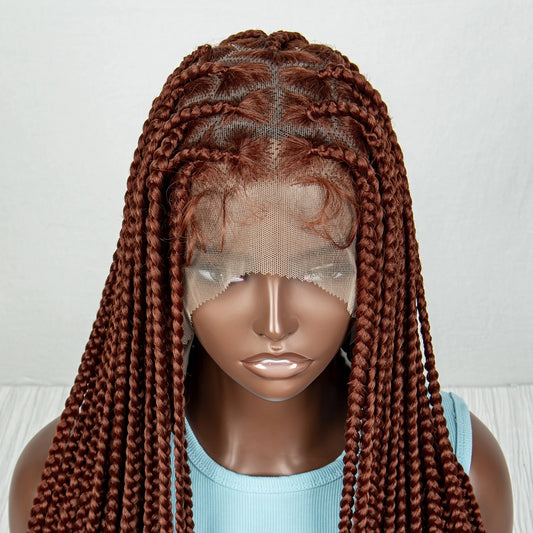
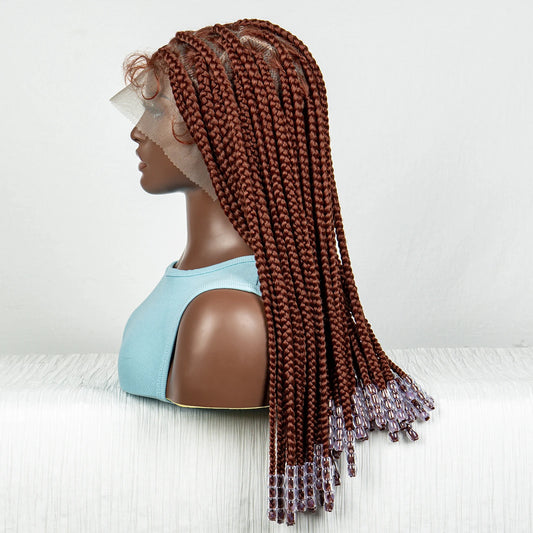
#350 Knotless Box Braids Wig | Short Lace Frontal Bob | Dark Ombre Ginger
Regular price $262.50 USDRegular price$0.00 USDSale price $262.50 USD -
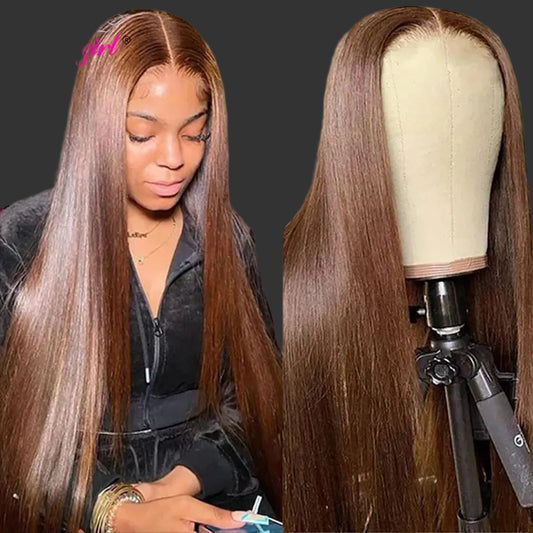
#4 Chestnut Brown Straight Lace Front Wig | 13x4 & 13x6 Transparent Swiss Lace Frontal Wig | 150% & 180% Density 100% Brazilian Remy Human Hair Long Closure Wig for Women (26+ Inch)
Regular price From $364.00 USDRegular price$0.00 USDSale price From $364.00 USD -
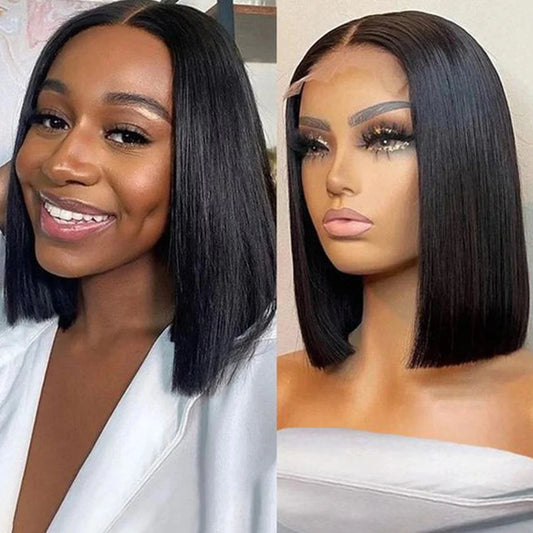
#4 Chocolate Brown Straight Bob Wig | Sophisticated 200% Density HD Transparent Lace Frontal | Elegant "Short Bob" Silhouette | "Dignified" Pre-Plucked Brazilian Remy Human Hair for Radiant Versatile Styling
Regular price $150.00 USDRegular price$200.00 USDSale price $150.00 USDSale -
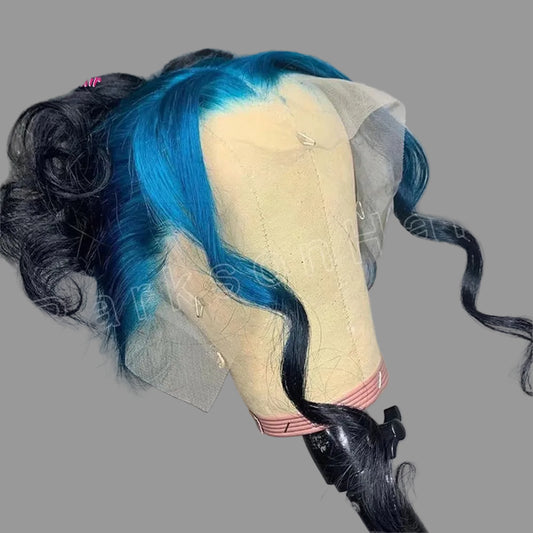
#4/613 Ombre Blonde Lace Front Wig | High-Impact Black with Blue Custom Tone Option | 13x4 HD Transparent Swiss Lace Frontal Body Wave Human Hair Wig for Women
Regular price $502.00 USDRegular price$0.00 USDSale price $502.00 USD -
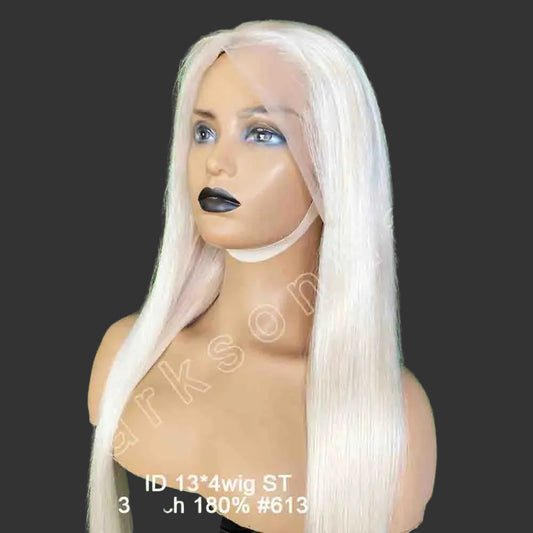
#60 613 Platinum Blonde Wear-and-Go Glueless Wig | 13x4 HD Transparent Lace Frontal Wig | 100% Brazilian Remy Human Hair Body Wave Long 26+ Inch Wig for Women
Regular price From $249.00 USDRegular price$0.00 USDSale price From $249.00 USD -
#60 Platinum Ash Blonde Lace Front Wig | 100% Brazilian Human Hair Glueless Wig | 13x4 & 13x6 HD Transparent Swiss Lace Frontal Body Wave Gown for Women
Regular price From $249.00 USDRegular price$0.00 USDSale price From $249.00 USD -
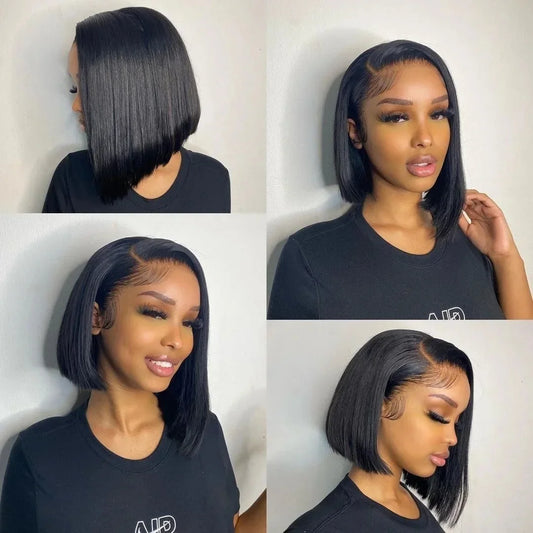
10-16 inch Short Straight Bob Wig | Brazilian Remy Human Hair | 13x4 Lace Frontal | Natural Looking | Ready to Wear
Regular price $72.51 USDRegular price$120.85 USDSale price $72.51 USDSale -
100% HD Transparent Lace Frontal Wig | Sophisticated "Bone Straight" Silhouette | Pre-Plucked 13x6 HD Full Lace Front Human Hair Wig | "Dignified" High-Performance Brazilian Remy Essential for Radiant Versatile Styling
Regular price From $346.00 USDRegular price$0.00 USDSale price From $346.00 USD







Small Changes That Can Improve Wear
Once you find a suitable cap, accessories can help fine-tune the experience. A thin wig liner may reduce friction, while a grip can help prevent slipping without tightening the straps excessively.
Keep the hair underneath as flat as possible, but don't create a bulky style that changes the cap's shape. If you use pins, place them where they won't press against your scalp during movement.
Clean the cap and hair according to the manufacturer's instructions. Product buildup, sweat, and rough handling can affect how the cap sits. Allow the wig to dry fully before wearing it again, and inspect lace and seams for damage.
Key Takeaways
- Open-wefted caps may provide more airflow, but their wefts can create pressure points.
- Monofilament tops offer realistic parting and may suit thinner-looking styles.
- Lace fronts create a natural hairline, but lace edges and adhesive can bother sensitive skin.
- Cap size, density, straps, and your hairstyle underneath all affect comfort.
- Try the wig at home and recheck the temples, crown, hairline, and nape after several hours.
- Glueless and adjustable designs can improve convenience without guaranteeing a perfect fit.
Wig Cap Construction FAQ
Which wig cap construction is coolest?
Open-wefted caps often allow more airflow because spaces remain between the wefts. Hair density, the material touching your scalp, the weather, and your hairstyle underneath also affect how cool a wig feels.
Are lace-front wigs comfortable for all-day wear?
They can be, but comfort depends on the lace, cap size, adjustment points, installation method, and your skin sensitivity. A lace front may feel light across the forehead but still cause pressure at the temples or nape.
Is a monofilament cap better for sensitive scalps?
Not automatically. A monofilament top can create a natural part and may require less hair in the cap, but the mesh or seams may still bother some wearers. Check the interior carefully and test the wig for a limited time first.
How tight should a wig cap feel?
It should feel secure without causing pain, a headache, deep marks, numbness, or persistent itching. If you need to tighten the straps fully to stop the wig from slipping, the cap size or construction may not suit you.
Does a glueless wig stay secure without adjustment?
Glueless wigs avoid adhesive, but they still depend on the right cap size, straps, hair underneath, and overall construction. Adjust the unit gradually and test normal movement before wearing it for a full day.
Conclusion
Wig cap construction affects much more than appearance. It influences airflow, weight distribution, parting options, and where pressure may develop during extended wear.
Compare the cap materials and adjustment features, then judge the wig by how it feels at the hairline, temples, crown, and nape. The most comfortable choice is the one that fits your head, routine, and styling needs without forcing you to tolerate discomfort.