

How To Reduce Curly Wig Frizz Without Flattening Curls
Curly wig frizz usually starts with too much friction, too little moisture, or a styling product that doesn't suit the hair. The right routine can calm flyaways while keeping the curls springy, soft, and natural-looking.
Human hair wigs need slightly different care from synthetic wigs, especially around washing, conditioning, heat, and chemical treatments. Start with gentle handling, then adjust your products and technique based on the wig's care label.
Why Curly Human Hair Wigs Become Frizzy
Curly hair has bends and coils that can lose definition when the strands are brushed, rubbed, or dried too quickly. A wig also lacks the steady supply of natural scalp oils that helps protect growing hair. As a result, the mid-lengths and ends may feel dry even when the wig looks full.
Humidity can make the problem more visible. Moisture in the air may cause individual strands to expand, while repeated touching separates curl groups. Rough towels, hot water, aggressive detangling, and heavy product buildup can add to the effect.
Friction breaks up curl definition
Rubbing the wig with a bath towel creates friction between the fibers. Brushing from the roots down can also pull apart the curl pattern and encourage tangling. Instead, squeeze out water gently and detangle only where needed.
A wide-tooth comb may work for some looser curl patterns, but your fingers are often safer for tight curls. Work from the ends upward, using small sections. Stop when the strands feel caught, then add a little water or conditioner rather than forcing the knot.
Start with the wig's fiber and care label
Human hair can usually tolerate controlled styling better than standard synthetic fiber, but that doesn't make every human hair wig heatproof or chemical-proof. Colored, bleached, processed, and lace-front wigs may need extra care.
Check the manufacturer's instructions before using a cleanser, leave-in conditioner, oil, heat tool, or chemical treatment. Product compatibility matters too. A formula made for synthetic fibers may not give the same result on human hair, and a rich cream can weigh down a short, dense curl pattern.

Key Takeaways for Smoother Curls
- Refresh the wig with a light mist instead of soaking it during daily styling.
- Use lukewarm water and a conditioner that the wig's care instructions approve.
- Apply styling products to the lengths first, using a small amount.
- Scrunch gently, and avoid brushing through dry curls.
- Let the wig air-dry when possible, or use low heat with a diffuser.
- Keep heavy products away from the cap, lace, knots, and adhesive.
- Test new products on a small hidden section before applying them everywhere.
The goal is controlled moisture, not saturation. A small adjustment can make the curls look polished without leaving them limp or greasy.
Refresh Curls Without Soaking the Wig
Daily washing can shorten the useful life of a wig and may disturb its original curl pattern. A light refresh is often enough when the hair has become puffy but isn't dirty.
Several Luxegan curly human hair wig pages describe a water mist or light curl cream as part of a quick wet-and-go routine. That guidance is product-specific, so check your own wig before copying the method. A low-maintenance jerry curl wig may respond differently from a long, loose wave pattern.
Use a fine mist first
Fill a clean spray bottle with water, unless the care label recommends another refresher. Mist one section at a time until the curls feel lightly damp. They shouldn't drip, feel saturated, or become difficult to lift.
Cup the curls in your palm and gently scrunch upward. Hold the shape for a few seconds, then release it. Repeat around the wig instead of spraying the entire head heavily at once.
Wigs.com recommends lukewarm water for curly wigs and warns against hot water because it can alter curls or cause damage. Its guidance also says to avoid soaking the wig, which makes a light refresh more appropriate than a full rinse for everyday use. You can read the detailed curly wig care instructions before washing.
Add curl cream sparingly
If water alone doesn't restore definition, place a small amount of lightweight curl cream or leave-in conditioner in your palms. Rub your hands together, then press the product over the outer layers and ends.
Avoid applying a large blob directly to one curl. That can create a sticky patch and make the surrounding hair look drier by comparison. Start with less than you think you need, then add a tiny amount only where frizz remains.
For dense styles, divide the wig into four to six sections. A 250% density afro curly bob wig may need sectioning so product reaches the curls evenly without coating the surface.
Wash and Condition With Less Friction
Wash the wig when it has buildup, odor, or a noticeably dry, tangled feel. The exact schedule depends on wear, sweat, styling products, and the care instructions. A wig worn occasionally may need washing less often than one worn every day.
Place the wig on a stable stand or hold it carefully at the cap. Avoid washing it while it hangs from a loose hook, since the weight of wet hair can stretch the cap and pull at the construction.
Clean in the direction of the curls
Use lukewarm water and let it flow from the cap toward the ends. Don't pile the hair on top of itself or scrub it in circles. Apply a gentle cleanser approved for human hair wigs, concentrating on the cap and scalp area where residue collects.
Press the cleanser through the lengths with a downward motion. Rinse until the water runs clear, but don't wring the hair. Instead, press the wig between your hands to remove excess water.
A wig that has been bleached, colored, or chemically processed may need a different cleanser or a longer conditioning step. Follow the label rather than assuming that a product marketed for natural curls is suitable for every wig.
Condition the mid-lengths and ends
Apply conditioner from the middle of the hair to the ends. Keep rich conditioner away from the cap unless the care directions specifically allow it. Product left near lace, knots, or adhesive can create residue and make the base harder to maintain.
Let the conditioner sit for the time listed on its packaging. Then rinse with lukewarm water. A cool final rinse may feel refreshing, but it won't repair damage or replace proper conditioning.
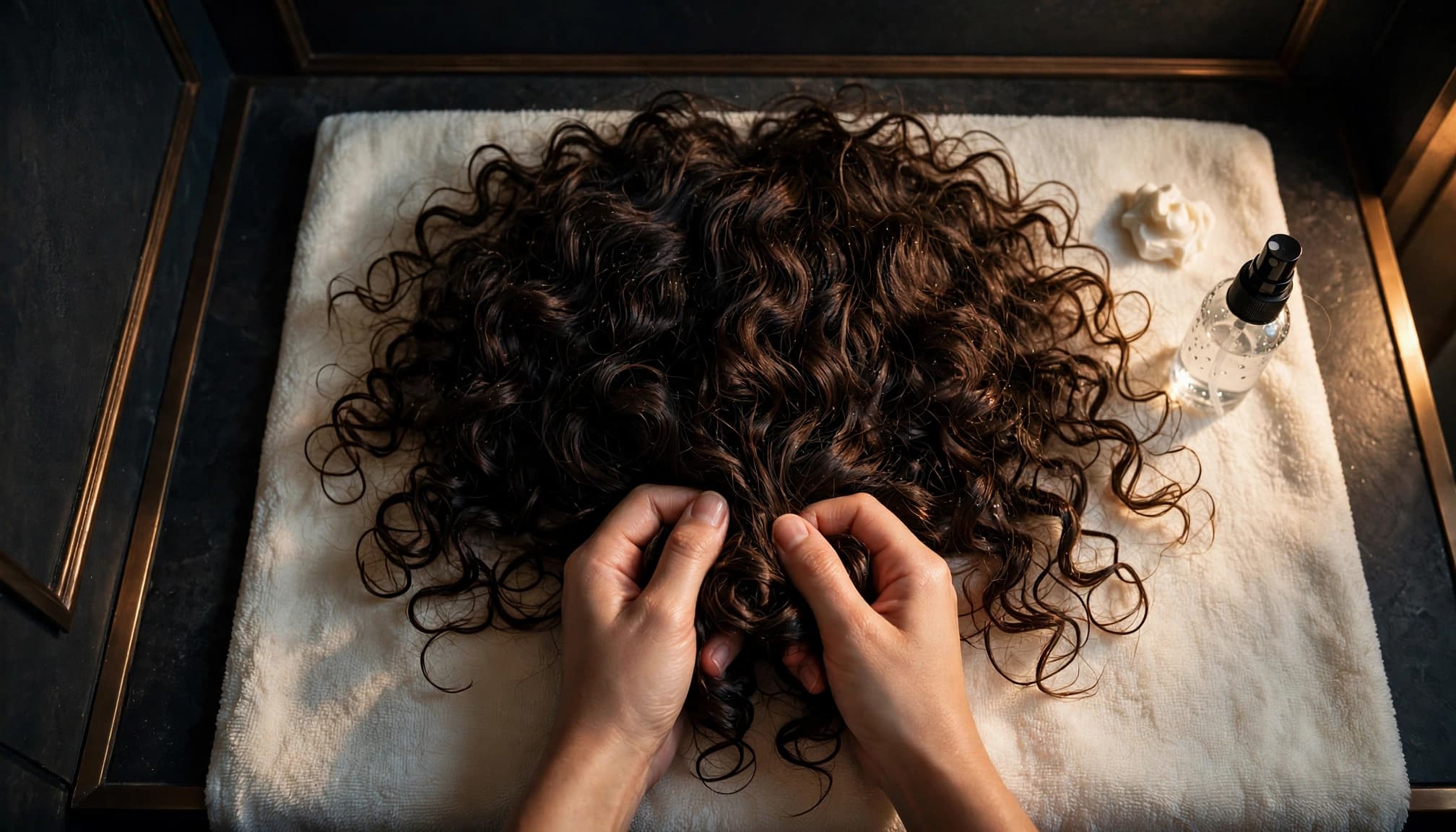
Condition and Detangle Without Weighing Down Curls
Leave-in products can reduce the dry feeling that makes frizz stand out, but too much product can flatten the crown and make curls separate into heavy clumps. Use the lightest formula that gives you enough slip.
Wigs.com explains that wigs may need leave-in conditioner because they don't receive moisture from scalp oils. That doesn't mean every wig needs a heavy layer. A light spray may suit fine curls, while thicker hair may handle a small amount of cream on the ends.
Apply product in thin layers
Blot excess water first. The wig should be damp, not dripping. Divide the hair into sections, apply product to your palms, and smooth it over one section at a time.
Keep the product below the cap whenever possible. Start at the ends, move toward the mid-lengths, and use whatever remains on your hands near the top. This approach limits buildup where hair is usually less dry.
Jon Renau's alternative-hair guide gives an example of using three to five pumps of Fiber Love Conditioning Spray while keeping it away from the base. Treat that amount as brand-specific guidance, not a universal rule. Your wig may need less.
Detangle only when necessary
Use your fingers to separate large curl groups and remove obvious knots. If a comb is permitted by the wig's instructions, choose a wide-tooth comb and work from the ends upward.
Never rip through a snag. Add water or a little conditioner, wait briefly, and loosen the section with your fingertips. Once the wig is detangled, stop combing. Repeated passes can create more frizz by breaking apart defined curls.
Shop Curly Wigs
-
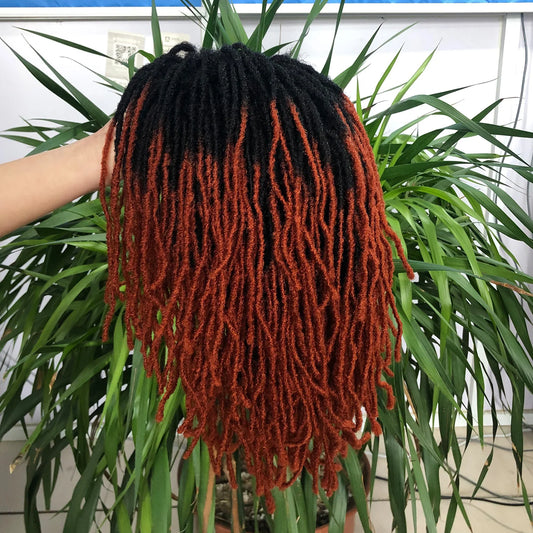
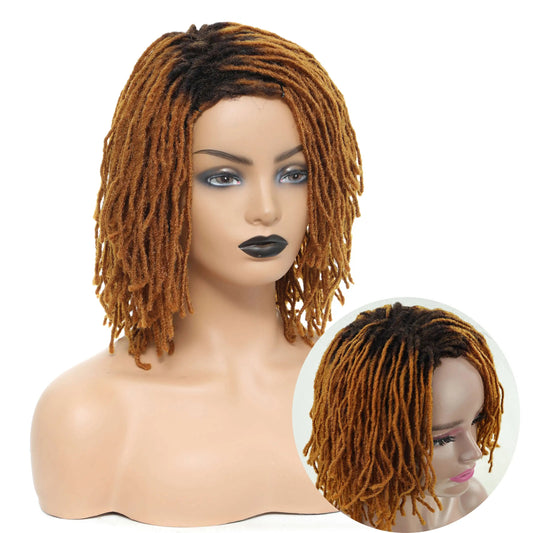
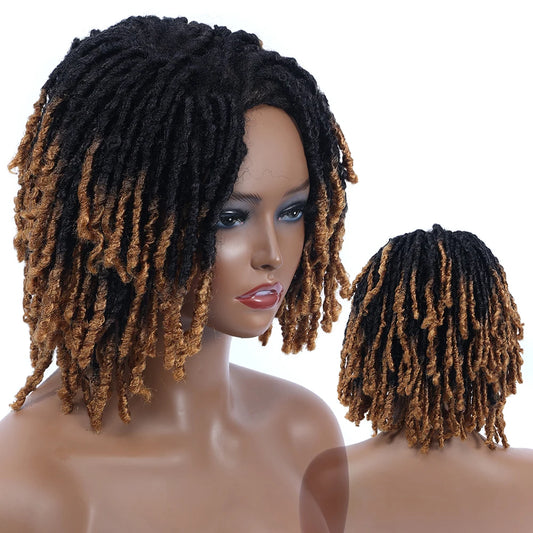
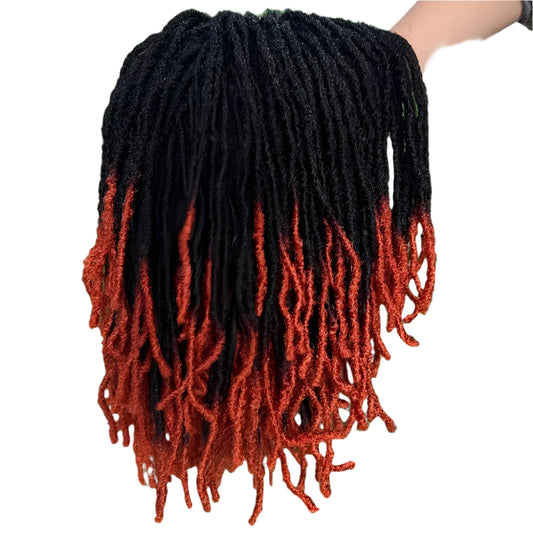
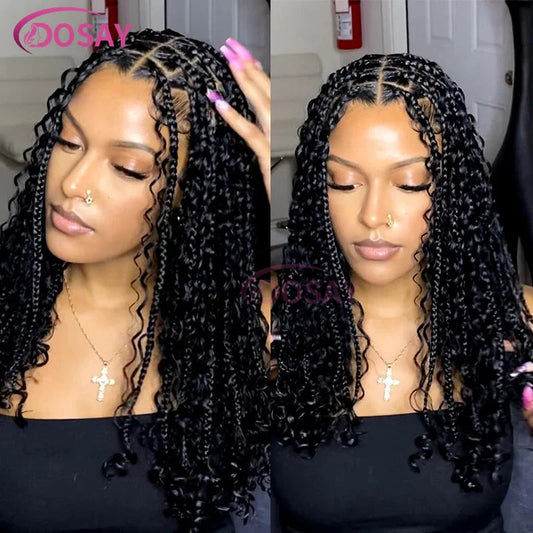
10" Braided Bob Wig | Afro Dreadlock Wig | Curly Ends | Synthetic Crochet Wig | Cosplay
Regular price From $96.00 USDRegular price$122.00 USDSale price From $96.00 USDSale -
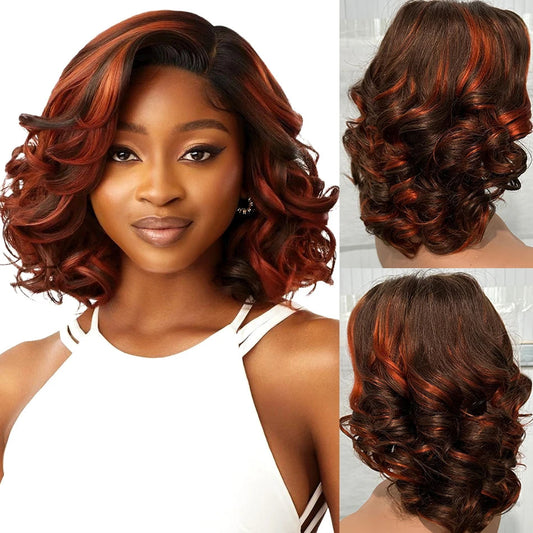
10" Short Braided Bob Wig | Faux Locs & Curly Twists | Black, Blonde, Red | Synthetic Hair
Regular price $153.00 USDRegular price$184.00 USDSale price $153.00 USDSale -
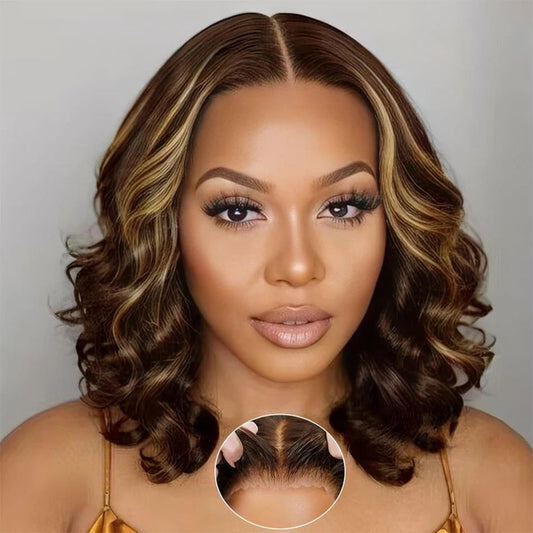
100% Human Hair Curly Bob Wigs | 5x5 HD Lace Closure, Glueless Ready to Wear
Regular price From $261.00 USDRegular price$298.00 USDSale price From $261.00 USDSale -
12 Inch Curly Faux Locs Dreadlock Wig | Machine or Headband Cap
Regular price From $133.00 USDRegular price$160.00 USDSale price From $133.00 USDSale -
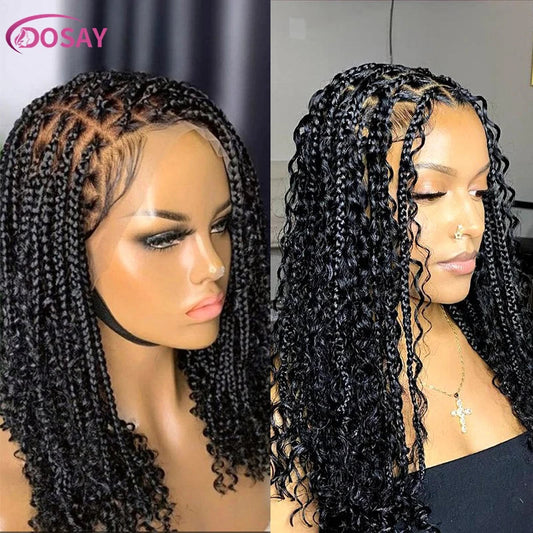
12" Curly Boho Braids Bob Wig | 360 Full Lace | Knotless Box Braids | Baby Hair
Regular price $157.00 USDRegular price$179.00 USDSale price $157.00 USDSale -
12A Burmese Curly Wig | Sophisticated 13x6 HD Transparent Full Frontal | Elegant "Spiral Pixie Curls" 100% Virgin Human Hair | "Dignified" 18–34 Inch High-Density Remy Wig for Radiant Versatile Styling
Regular price From $328.00 USDRegular price$0.00 USDSale price From $328.00 USD -
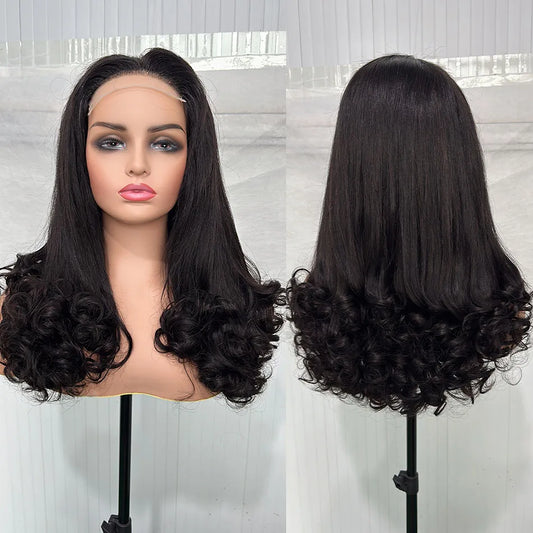
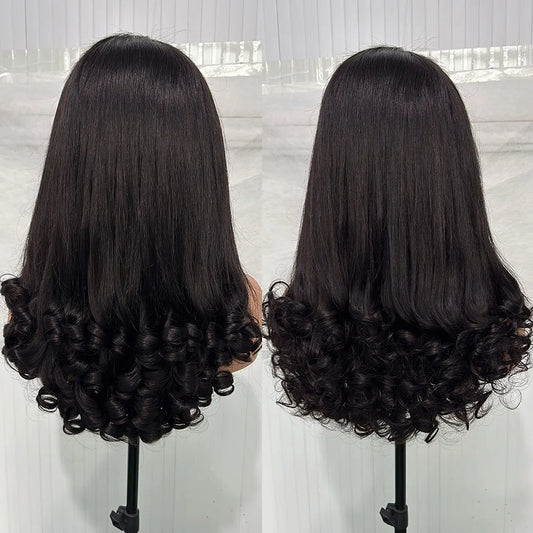
12A Double Drawn Spring Egg Curly Wig | 5x5 HD Lace | Glueless | Wear & Go | 250% Density | Brazilian Virgin Hair
Regular price From $221.00 USDRegular price$0.00 USDSale price From $221.00 USD -
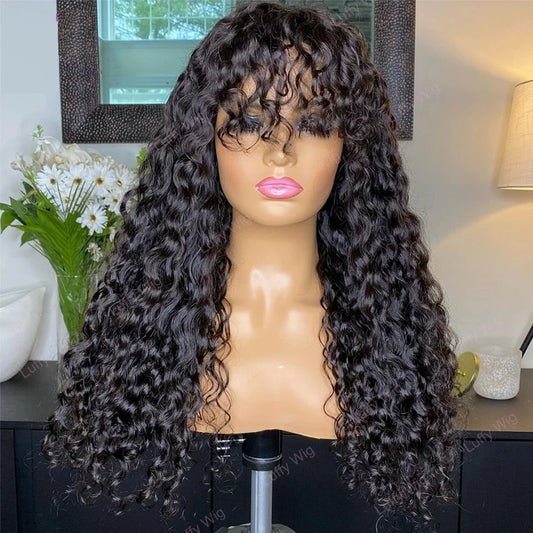
12A Grade Kinky Curly Human Hair Wig with Bangs | 100% Brazilian Virgin Human Hair Glueless Wig | Fully Machine-Made Water Wave & Jerry Curl Fringe Wig for Women
Regular price From $154.00 USDRegular price$0.00 USDSale price From $154.00 USD





Use Heat Carefully on Human Hair Wigs
Human hair can be heat styled, but frequent high temperatures can dry the strands and weaken processed hair. Heat also changes the curl pattern, sometimes making it harder for the original texture to return.
Air-drying is the safest routine for preserving curls. If you need a faster option, use a diffuser on low heat and low airflow. Keep the dryer moving, hold it away from the hair, and stop once the wig is mostly dry.
Apply heat protectant before styling
Use a heat protectant labeled as compatible with human hair wigs. Apply it lightly to each section, avoiding the cap and adhesive. Jon Renau recommends spraying heat protectant before styling human hair and working in sections measuring about 1 to 2 inches. Its human hair care guide offers a useful reference for controlled heat application.
Don't assume a heat protectant makes any temperature safe. Start at the lowest setting that achieves the result. A curling iron or flat iron should touch the hair briefly, never sit on one section repeatedly.
Separate human-hair and synthetic-wig advice
Standard synthetic fibers can melt, frizz permanently, or lose their shape when exposed to heat. Jon Renau's curly-hair guidance warns against blow dryers and curling irons for synthetic fibers unless the wig is clearly labeled heat-resistant.
That warning shouldn't be applied automatically to human hair, but it does show why fiber identification matters. If you're unsure whether the wig contains human hair, a blend, or synthetic fiber, follow the more conservative instructions and avoid heat until you confirm the material.
Chemical straighteners, relaxers, bleaching, and permanent color also carry risks. Don't apply them at home without checking the wig's instructions and consulting a stylist experienced with wigs.
Protect the Wig in Humid Weather
Humidity doesn't always create damage, but it can make existing dryness and separated curls more obvious. Prepare the wig before going outside instead of trying to correct heavy frizz later.
Use a small amount of compatible leave-in conditioner or curl cream on the lengths. Avoid layering several products with overlapping hold, since buildup can make the hair dull and harder to refresh.
A loose style can also reduce friction. If you wear a longer curly wig, arrange the curls over one shoulder rather than repeatedly brushing them against clothing. Keep your hands off the hair when possible, especially after you define it.
At night, place the wig on a stand in a dry, ventilated area. Don't store it damp inside a bag or closed box. Allowing the hair to dry fully helps prevent stale odors and reduces the need for aggressive restyling.
FAQ About Curly Wig Frizz
Can I brush a curly human hair wig when it's dry?
Usually, dry brushing separates the curl groups and creates more frizz. Use your fingers on dry hair for small adjustments. Save full detangling for damp hair with conditioner or an approved detangling product.
Should I use oil to control curly wig frizz?
Don't assume oil is the right solution. Some oils can leave curls heavy, attract buildup, or interfere with lace and adhesive. Check the care label and test a tiny amount on a hidden section first. A lightweight leave-in or curl cream may give you better control with less residue.
How often should I wash a curly human hair wig?
Wash it when buildup, odor, or tangling shows that refreshing is no longer enough. Frequent washing can dry the hair, while too little cleansing can leave products layered on the strands. Your wearing schedule and the wig's care instructions should determine the timing.
Can I sleep in a curly human hair wig?
Sleeping in a wig increases friction and can flatten the curls. If you need to wear it overnight, secure the hair loosely and protect the style with a smooth covering that doesn't compress the curls. Removing the wig and storing it properly is gentler.
Conclusion
Reducing curly wig frizz comes down to keeping moisture controlled and friction low. Mist instead of soaking, condition the lengths lightly, detangle with patience, and let the curls dry without repeated handling.
Heat and chemical services need extra caution, even with human hair. When you follow the care label and adjust products to the curl pattern, the wig can stay defined, soft, and natural-looking through regular wear.