
Bob Wig Lengths for Every Face Shape
The wrong bob length can make a beautiful wig feel unbalanced, while the right one can frame your features naturally. Choosing bob wig lengths becomes easier when you consider where the ends sit, how much volume you want, and how the style fits your everyday routine.
Face shape guidance should help you choose, not limit you. Your texture, personal style, cap construction, and preferred part can matter just as much as your proportions. Start with the length guide, then adjust the cut details to suit you.
How bob wig lengths work with face shape
Wig lengths are usually listed in inches, measured from the crown or another fixed point to the ends. A 10-inch bob often falls around the chin, while a 12-inch style may reach the lower neck. The final position can change because of layers, curl pattern, hair density, and the shape of the wig cap.
| Wig length | Common placement | Overall effect |
|---|---|---|
| 6 to 8 inches | Above the chin or near the jaw | Sharp, lightweight, and modern |
| 10 inches | Around the chin | Classic and face-framing |
| 12 inches | Lower jaw to upper neck | Soft, versatile, and balanced |
| 14 inches | Neck to shoulder area | Longer, elegant, and easy to wear |
These measurements are useful starting points, not exact promises. A curly bob appears shorter than a straight bob of the same length. Layers can also lift the ends, while a blunt cut usually hangs closer to the listed measurement.
For a quick choice, consider where you want the wig to create visual width. Ends at the jaw can highlight that area. Ends below the jaw draw the eye downward and often create a longer-looking frame. Volume at the sides adds fullness, while a flatter crown can make a style look sleeker.
The best bob wig lengths also depend on your neck length and height. A short bob may look more dramatic on a petite frame, while a 14-inch bob may appear closer to a lob on someone taller. Neither result is better. The goal is a proportion that feels comfortable and intentional.
Best bob wig lengths for different face shapes
A face shape is a useful styling reference, but most faces combine several features. You may have a rounded jaw with a longer forehead or cheekbones that resemble a diamond shape. Use the suggestions below as flexible starting points.

Oval face shape
Oval faces often have balanced proportions, with a slightly narrower chin and forehead. Many lengths work well, including short, chin-length, and neck-length bobs.
An 8 to 10-inch bob can show off the cheekbones and jawline. A 12 to 14-inch bob gives you a softer frame without hiding the face. If you want a sleek finish, choose a blunt line. For movement, consider light layers or a side part.
Because oval faces can support many silhouettes, focus on the style you enjoy. A middle part creates symmetry, while a deep side part adds a more dramatic shape. Bangs are a separate decision from length, so you can add curtain bangs or a side fringe to almost any bob.
Round face shape
Round faces often have fuller cheeks and similar width and length. A bob that falls below the chin can create a longer visual line without changing your features.
Try a 12 to 14-inch bob that reaches the lower jaw or upper neck. A side part can add asymmetry, while subtle crown volume helps prevent the style from appearing too flat. Long, face-skimming pieces can also soften the outline.
A short bob can still work beautifully. Choose an angled or asymmetrical cut that keeps the sides close to the face. Avoid assuming that every round face needs a long wig. The amount of fullness at the cheeks matters more than the number on the length label.
Square face shape
Square faces often feature a defined jaw and a forehead with similar width. Soft movement around the lower face can balance a strong, beautiful structure.
A 10 to 12-inch bob works well when the ends sit near the chin or upper neck. Waves, feathered layers, or a side part can soften a blunt horizontal line. If you prefer straight hair, a lightly textured end keeps the look from feeling too rigid.
A sharp, chin-length bob can highlight the jaw in a polished way. That effect may be exactly what you want. If you prefer less emphasis, choose a bob that ends slightly below the jaw or add loose waves.
Heart-shaped face
Heart-shaped faces are often wider near the forehead and narrower toward the chin. Volume near the lower half of the wig can create a pleasing sense of balance.
A 10 to 14-inch bob is a flexible choice. Chin-length ends add fullness around the lower face, while a longer bob creates a gentle vertical line. Side-swept bangs can reduce emphasis at the forehead, but bangs aren't required.
If you choose a short bob, look for a style with fullness near the jaw rather than heavy volume at the crown. A side part can also shift the shape and make the overall look feel less symmetrical.
Long or oblong face shape
Longer face shapes often benefit from width at the sides and a length that doesn't add unnecessary vertical height. An 8 to 12-inch bob can provide that balance.
Wavy texture, soft layers, and a side part add width without requiring a bulky wig. Chin-length styles work well when they have body around the sides. A 14-inch bob can also look attractive, especially with waves or fuller density.
Very flat, long, center-parted styles may make the face look longer, but that isn't a rule. If you love a sleek middle part, you can wear it with confidence. Adjusting the density or adding side volume can change the final effect.
Diamond-shaped face
Diamond-shaped faces often have prominent cheekbones, a narrower forehead, and a tapered chin. A bob can show off the cheekbones while adding softness near the jaw.
Consider a 10 to 12-inch bob with light layers or a side part. A slightly fuller lower edge can create balance. Avoid choosing a length only because it is recommended for a certain shape. Your preferred texture and styling habits should guide the final choice.
The most flattering length is often the one that places volume where you want it, not the one assigned to your face shape.
Length is only one part of the haircut
A wig's listed length doesn't tell you whether the style is blunt, layered, angled, asymmetrical, or feathered. Those cut details can change the way the same length frames your face.
A blunt 10-inch bob creates a clear line and can look sleek with straight hair. A layered 10-inch bob may appear lighter and shorter because the ends sit at different points. An angled bob is usually shorter at the back and longer toward the front, which creates a forward frame.
Bangs also operate separately from length. Curtain bangs open around the face, side bangs create diagonal movement, and full bangs cover part of the forehead. You can pair each option with a short or longer bob.
The part changes the balance, too. A middle part gives an even frame on both sides. A side part adds height and movement. An asymmetrical part or cut shifts attention toward one side, which can make a simple bob feel more personalized.
Density affects the silhouette just as much, and our wig density guide explains how to choose the right percentage. Low-density wigs look lighter and closer to the head. Medium density gives a natural amount of fullness. High density creates more volume, but it may need thinning or shaping around the sides.
When shopping, read the full description rather than relying on the length alone. Look for terms such as blunt, layered, glueless, side-parted, pre-plucked, or pre-cut bangs. Those details tell you more about the finished shape.
Shop Bob Lace Frontal Wig
-
#350 Knotless Box Braids Wig | Short Lace Frontal Bob | Dark Ombre Ginger
Prezzo di listino $262.50 USDPrezzo di listino$0.00 USDPrezzo scontato $262.50 USD -
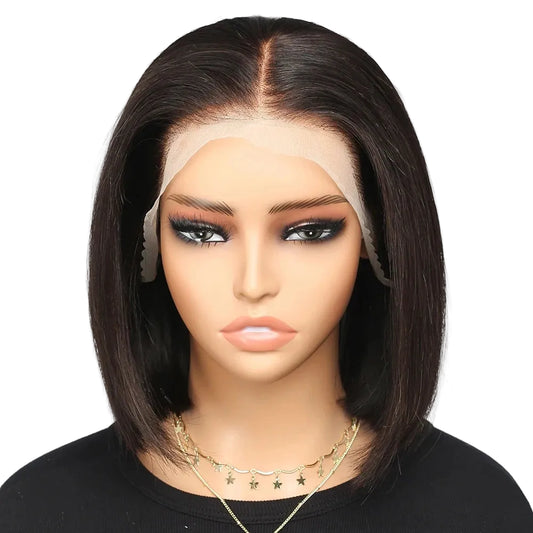
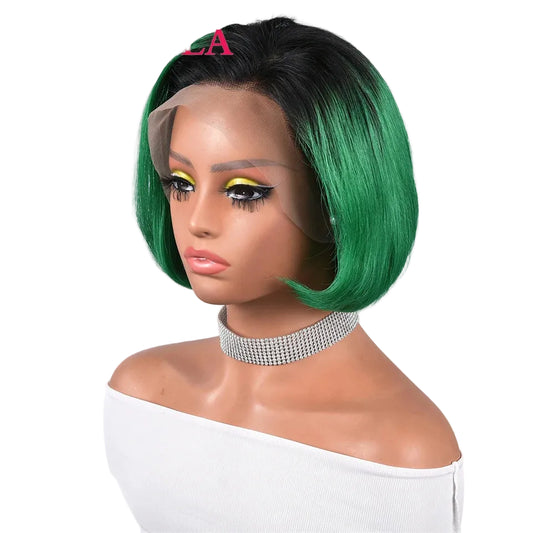
Ultra-Thick 200% Density Straight Short Bob Wig - 13x4 Transparent Lace Frontal Human Hair Wig - Pre-Plucked Free Part Glueless Brazilian Remy Hair Wig for Women (4-16 Inch)
Prezzo di listino Da $169.00 USDPrezzo di listino$194.00 USDPrezzo scontato Da $169.00 USDIn offerta -
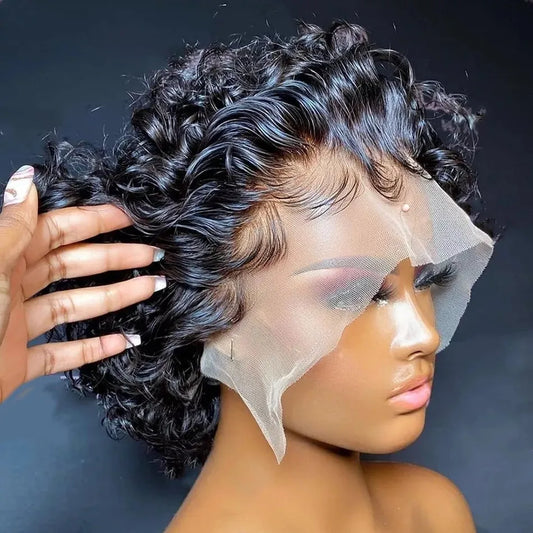
Vibrant Orange Pixie Cut Short Bob Wig - 13x4 Transparent Lace Frontal Human Hair Wig - French Curl Pre-Plucked Brazilian Remy Hair Wig for Women (6 Inch, Glueless)
Prezzo di listino Da $112.00 USDPrezzo di listino$134.00 USDPrezzo scontato Da $112.00 USDIn offerta -
Straight Human Hair Short Bob Wig - 13x4 & 13x5x2 Transparent Lace Frontal Wig - Glueless Pre-Plucked Hairline with Baby Hair 100% Brazilian Remy Human Hair Wig for Women
Prezzo di listino Da $154.00 USDPrezzo di listino$176.00 USDPrezzo scontato Da $154.00 USDIn offerta -
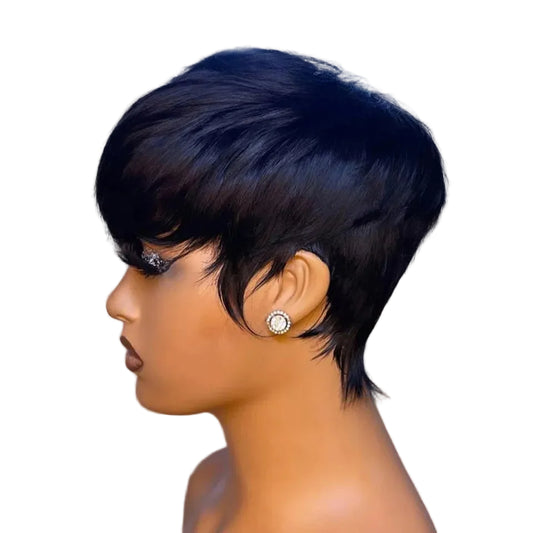
Short Straight Bob Pixie Cut Human Hair Wig with Bangs - 150% & 180% Density Glueless Non-Lace & 13x4 Transparent Lace Frontal Wig - 100% Brazilian Virgin Remy Hair Natural Black Fringe Wig for Women (Dyeable All Colors)
Prezzo di listino $112.00 USDPrezzo di listino$134.00 USDPrezzo scontato $112.00 USDIn offerta -
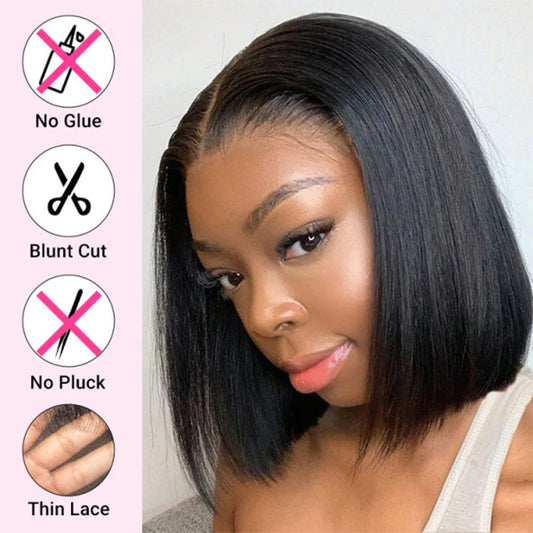
Wear And Go Glueless Bob Wigs 13x4 Bone Straight Lace Front Human Hair Wigs for Women Brazilian Transparent Lace Frontal Wigs
Prezzo di listino Da $132.00 USDPrezzo di listino$158.00 USDPrezzo scontato Da $132.00 USDIn offerta -
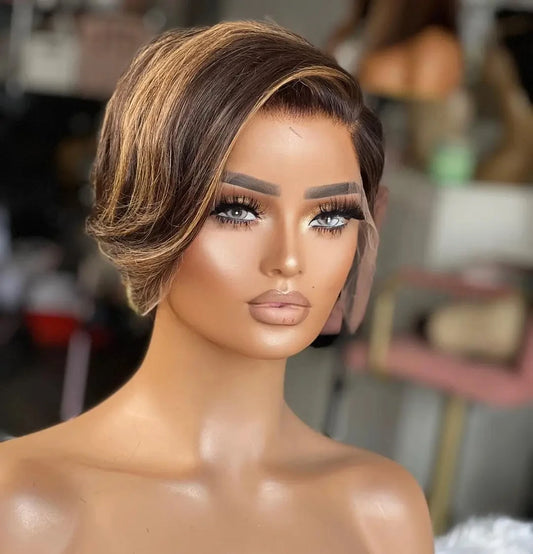
Short Bob Wig Pixie Cut Wig Straight Human Hair Wig 13X4 Transparent Lace Frontal Wig For Women Highlight Straight Pixie Cut Wig
Prezzo di listino Da $110.00 USDPrezzo di listino$132.00 USDPrezzo scontato Da $110.00 USDIn offerta -
Short Pixie Cut Natural Wave Bob Wig | 13x4 HD Transparent Swiss Lace Frontal Wig | 180% Density 100% Brazilian Remy Human Hair Wig with Pre-Plucked Hairline (8-Inch)
Prezzo di listino Da $157.00 USDPrezzo di listino$179.00 USDPrezzo scontato Da $157.00 USDIn offerta







Practical wig advice for cap fit, lace, and density
A bob won't sit correctly if the cap is too loose or too tight. Measure your head before ordering, especially if the listing offers petite, average, or large cap sizes. Measure around your hairline, across the front hairline, over the crown, and from ear to ear when the seller provides those instructions.
For a glueless wig, adjustable straps and combs can improve stability, but the cap should still fit your measurements. A tight cap can cause discomfort and flatten the style. A loose cap may shift and change the part during wear.
Lace-front placement affects how natural the bob looks. Position the lace near your natural hairline, then check the front, temples, and sideburn area in a mirror. A wig that sits too far forward can shorten the forehead visually. One that sits too far back may expose natural hair or create an uneven hairline.
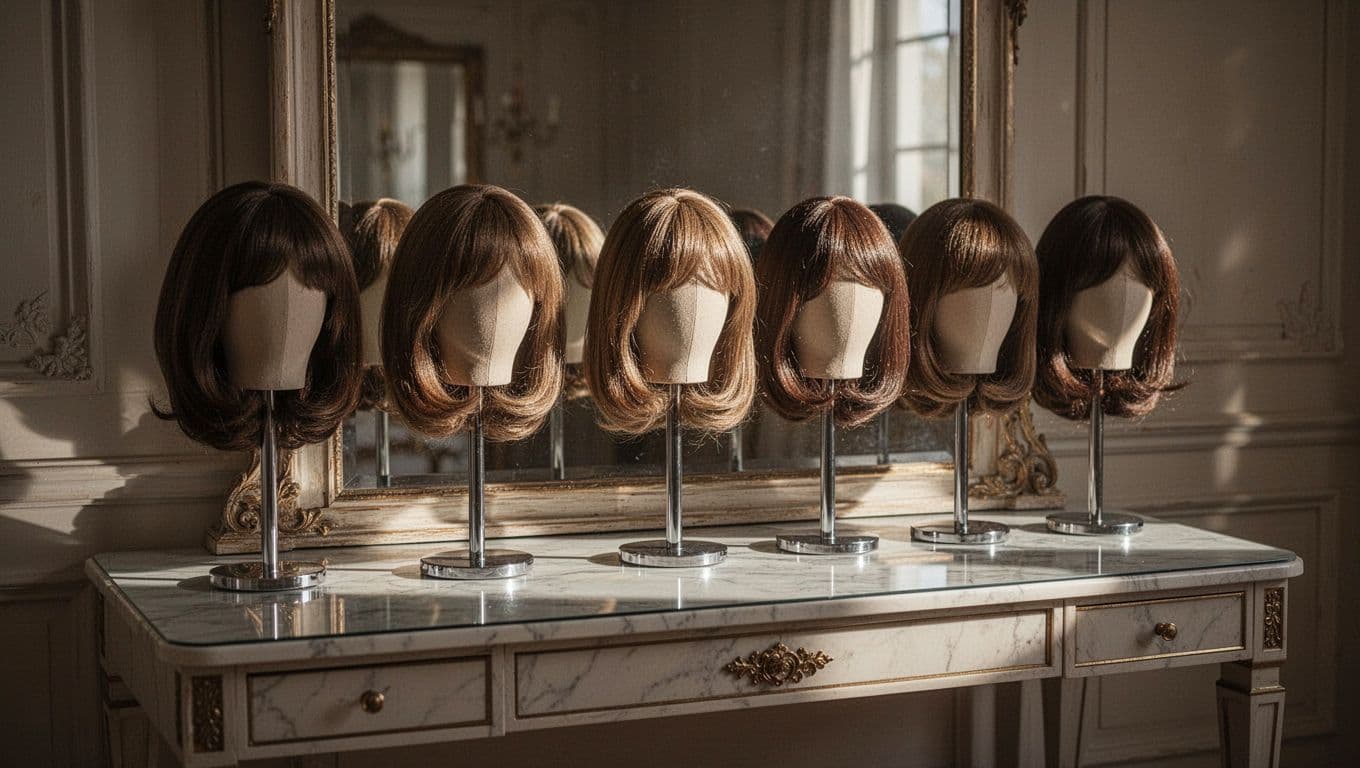
Density deserves attention when comparing styles. A low-density bob may suit someone who wants a lightweight, close-fitting look. Medium density offers more styling room. High density can support fuller curls or dramatic volume, but the extra hair may widen the sides.
Before buying, check whether the wig has a full lace front, a lace part, or a basic machine-made cap. Lace placement determines where you can part the hair. A lace-front bob gives more freedom around the hairline, while a fixed part may limit styling options.
How to measure the bob length you want
Use a soft measuring tape on dry, stretched hair or a wig that has a similar texture. Start at the crown or the point where the seller begins measuring. Follow the curve of the head to the point where you want the ends to stop.
For a chin bob, measure to the chin. For a lower bob, measure to the bottom of the jaw or upper neck. Take the measurement on both sides if you want an even style. Remember that curls and waves shrink, so a textured wig may need a longer listed measurement.
Ask the seller how they measure when the product page doesn't explain it. This small detail can prevent disappointment when a 12-inch wig arrives shorter or longer than expected.
Choosing your bob with confidence
Start with your desired endpoint, then consider your texture, density, and daily styling time. If you want a low-maintenance look, a 10 or 12-inch straight bob is easy to brush and shape. A longer 14-inch bob gives more room for waves, curls, and ponytail-style adjustments.
Your wardrobe matters as well. Short bobs pair neatly with high necklines and statement earrings. Longer bobs work well with casual layers and polished evening outfits. Color can change the visual weight, too. Dark, solid shades may make a blunt cut look sharper, while highlights can soften the line.
Look at photos taken from the front and side before ordering. A front view shows the face frame, but a side view reveals the true length and angle. If possible, compare those images with your own measurement.
The right length should feel like you
The best bob wig lengths are the ones that support your features, fit your cap comfortably, and match the way you want to wear your hair. A 10-inch bob may frame one person at the chin and another near the jaw, so measurements and cut details deserve equal attention.
Face shape can guide your decision, but it shouldn't dictate it. Choose the length that makes you feel comfortable, then refine the result with the part, bangs, layers, volume, or asymmetry that suits your style.